The date of the Oscars have been moved up an extra month from last year’s awards. One thing that hasn’t changed is that we’re still in the midst of a pandemic, but we are seeing a possible end in sight. Also unlike last year, we had a lot of chances this year to see films in the theatres. Although you can be sure many people did not want to go inside a theatre. They were still nervous, and understandably so. Once again, the Academy was a bit more forgiving towards streamed films although it still encouraged theatre releases. Nevertheless streaming was still the best way to get your view of the Oscar contenders for this year.
This year’s Oscars are to be held on Sunday March 27th. The show is bringing all the stars back in the theatre and with spectators. There is planning to be a big revamp of the Oscars show, and you can understand why. In 2021, almost every awards got less than half the ratings they got the previous year. Even the Oscars weren’t immune as they got their lowest ever and also cut in half! You can understand why a lot of changes to the show. Also the controversial choice of them to have unbroadcasted awardings of seven “lesser” categories. To thing it created a firestorm in 2019, but they are going ahead with it this time. The stars and presenters have all been announced. This will be the first Oscars since 2018 with a host, and there will be three comediennes hosting. That should add to the fun! So now here are my picks for the winners of the 2021 Academy Awards:
BEST PICTURE
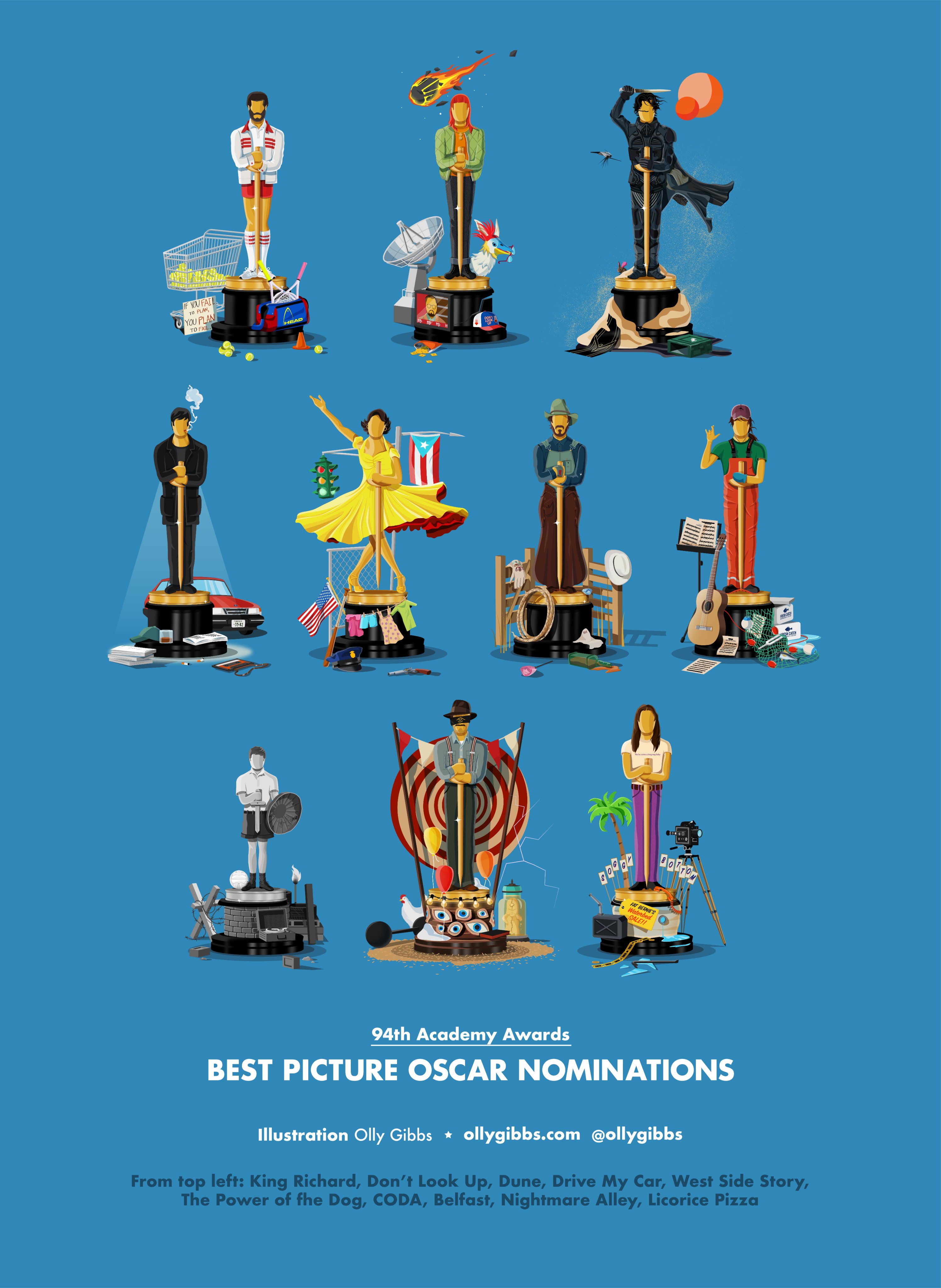
Once again, it’s tradition for Olly Gibbs to do a Best Picture drawing that sums up the Oscars well. Great stuff with the ten! While I had to stream all of last year’s Best Picture contenders, this year I only had to stream two. I saw two during the VIFF and six others in the cinema. I like going back to the theatre to see film. It always looks better on the big screen. Since I’ve been taking a lot of courses lately, I didn’t have time to write reviews of all the Best Picture nominees. I think that will come in time. In the meantime here’s my summary of the ten Best Picture nominees:
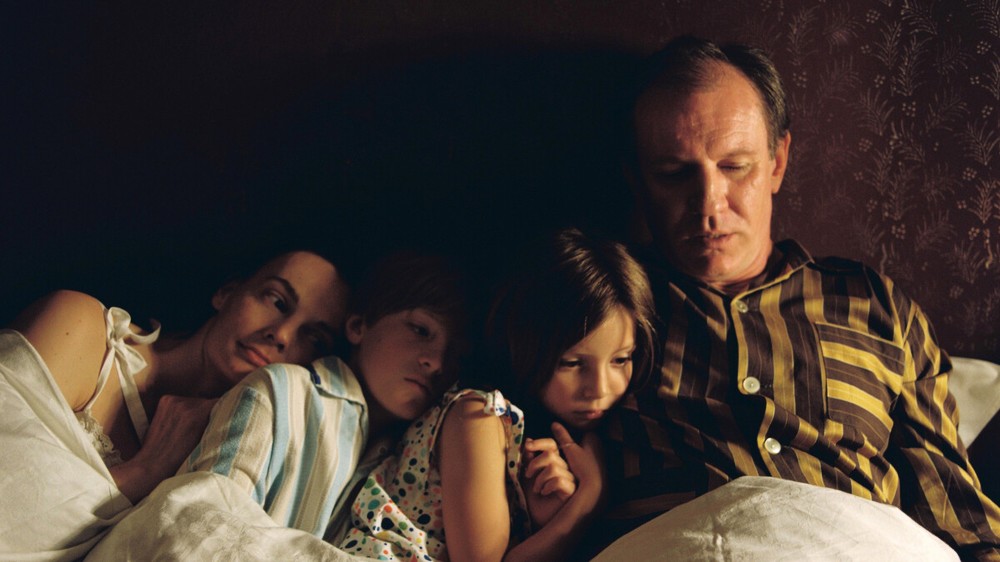
Belfast- It seems like a film hard to describe. One minute, it’s about a child caught in between political conflict. Another minute, it’s a child living out his childhood and dreaming. One minute you see scenes of hostile hatred and violence. Another minute you get the warm-and-fuzzy moments of the closeness of the family. You figure the two elements won’t mix in a film, but Kenneth Branagh makes it work in a story that’s as charming as it is intense. That’s what Belfast was in the eyes of Little Kenny Branagh. My favorite of the ten-set, but one thing I’ve noticed in the 20 years of tracking the Oscar races is that warm-and-fuzzy films have less of a chance than ever of winning Best Picture. And this film is no exception.
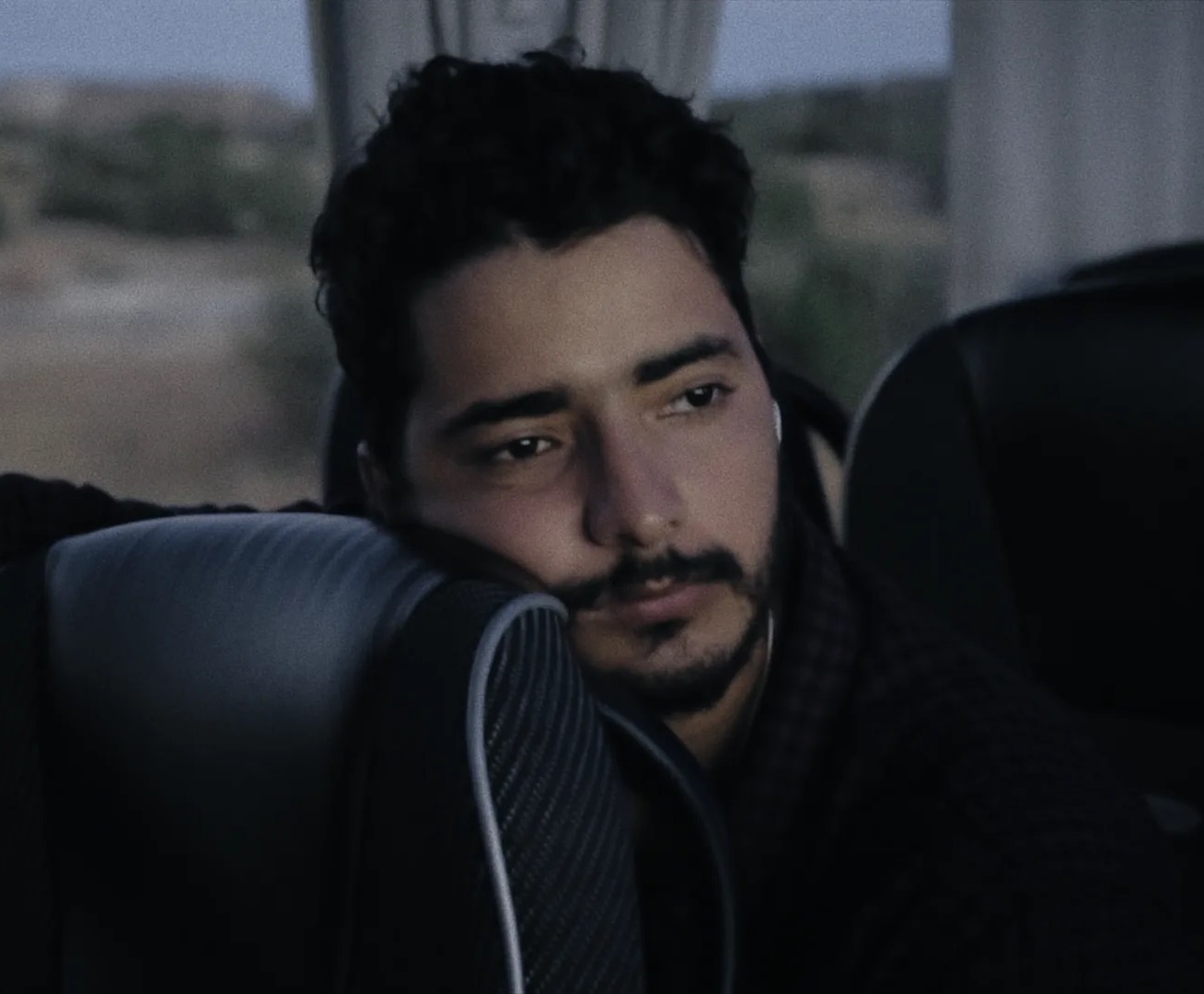
CODA- The buzz started out slow and grew. Now it’s the heavy favorite and both my Will Win and Should Win pick. This is a story you rarely hear about, but it’s worthy of knowing. It does an excellent job of focusing in on what it’s like to be a child of deaf parents and the insecurities they can feel as they’re young. At the same time, it’s of a 17 year-old girl realizing of a talent she never knew she had and having dreams and goals along with it. It also includes the hurdles she has to overcome as her deaf parents and deaf brother are struggling to go into the fishing industry for themselves. It’s also a story of people with a disability and how they are trying to fit into the world, and of how left-out they can feel. This is a very multi-dimensional story that’s deep and a joy to watch too.
Don’t Look Up- What can I say? This is an end-of-the-world story that becomes a comedy about how everyone else from everyday citizens to showbiz hosts to political powers would take such an encroaching incident. And it’s done so with Adam McKay’s bluntly cynical no-apologies cuss-laden fist-in-your-face style of humor! The same comedic vibe McKay brought showing bankers treat the mortgage industry like a toy in The Big Short and showing how former vice president Dick Cheney infamously shaped US politics to be the way we know it in Vice is back in this apocalyptic story. You will be disgusted with what you see, but also think to yourself “I can see that happening” at the same time. On top of that the film ends with what you first think of as a sad ending, but actually an ending that will make you angry. However I don’t this sad comedy about “common nonsense” has what it takes to contend for the Best Picture win.
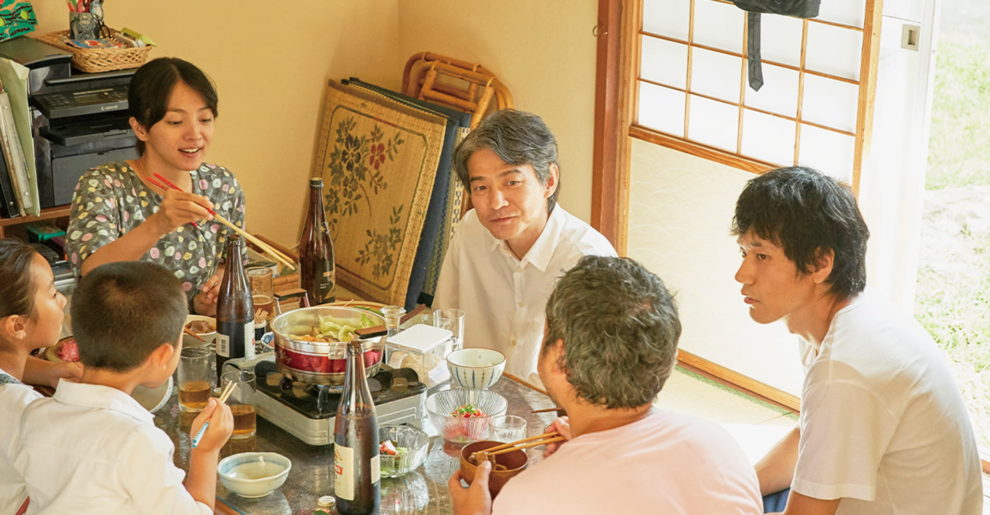
Drive My Car- It seems like for the fast few years, there would always end up being at least one Best Picture contender that’s a foreign-language film. Not every year exactly, but often enough to think that. This year, it’s a Japanese film. Despite it being slow and too long, this is an impressive story of how two strangers from two completely different world and endured two different tragedies end up being united together through the grief they share. And done during the rehearsals and eventual performances of Uncle Vanya in Hiroshima. It’s a film where one will not sense a connection at first and doesn’t become apparent over the run of the story until the end. The connection was there, but only the two knew it. And it was through sharing the heartache that we see the bond. Excellent surprise contender for this year, but a foreign-language film like this will need Parasite-sized buzz in order to win Best Picture..
Dune- Three of the ten Best Picture nominees are remakes or re-adaptations. This is a remake of a David Lynch film from the 80’s that didn’t go too far. Frankly David Lynch was more of a director for arthouse cinema than sci-fi. This revamp by Denis Villeneuve is just what we needed. Sci-fi is more welcome than ever and its writing has definitely improved with time. This film really makes the story come alive and capture our attention with amazing visual effects and edge-of-your-seat moments. A great accomplishment. However the Academy hardly ever rewards sci-fi with the Best Picture Oscar.
King Richard- We all know the Williams sisters, but few of us really know of their father Richard. We may see one image of Richard Williams and have one set of feelings about him, but this film shows a whole new angle to Richard Williams. One whom very few of us know about. It gives a sense of the man and his beliefs. However it also shows how his influence can be overbearing to others. It’s interesting to watch and deserving of its Best Picture nomination, but I don’t think it will win.
Licorice Pizza- This is a rarity. A Best Picture contender that doesn’t have to get you thinking too much. A Best Picture contender that you can just simply sit back and enjoy. Mind you I didn’t entirely welcome this at first. I was frequently wondering what is up with independent filmmakers and their love affair with the 1970’s that they can’t let go of it? Despite that, I enjoyed seeing this film about a love between a former child actor and an older woman trying to make her way in the world. And what’s a story about 70’s love without an awesome soundtrack to go with it? This film is second only to Belfast of the contenders I’ve enjoyed. However I don’t see the Academy going for a comedy like this.
The Power Of The Dog- To think we were all talking about gay cowboys when Brokeback Mountain looked like a heavy favorite to win the 2005 Oscar. For those that don’t know, The Power Of The Dog was originally a novel written in 1967 when same-sex love was still criminalized in the US and homosexuality was still labeled a form of mental illness. You can imagine to raised eyebrows back then. It would also inspire Annie Proulx to write her short story Brokeback Mountain and the rest in history! This is an intriguing story of Phil Burbank: a man who you will first think of as despicable, but he’s harboring a secret. At first you think Peter Gordon would be the victim of his that would get hurt the hardest. Instead he ends up being the one person Phil is able to soften up to and come to terms with. It started out with huge buzz winning major awards, but the Producers Guild Award going to CODA has made it lose some ground. I predict this film as the one Most Likely To Upset.
Nightmare Alley- The question is would you watch a remake of a 1940’s film about a killer who escapes to a traveling freak show and finds love? The film didn’t hit it well at the box office but it does provide a lot in terms of spectacle, suspense and a story of intrigue. A lot has changed in terms of effects and dramatization in the seventysomething years since the original was released. Mind you Guillermo del Toro is the director who knows how to deliver the goods in this remake. Don’t forget Nightmare Alley is originally a novel so del Toro and co-writer Kim Gordon are free to do their own interpretation or adaptation of the story. And an excellent adaptation it is! Despite that, having the Best Picture nomination and nominations only in the technical categories is not going to help it win Best Picture.
West Side Story- Now most of us have already seen West Side Story. We’ve either seen it as the Broadway play, the 1961 film (which won Best Picture that year) or as a high school production. You have to ask do we really need a reboot of this Romeo And Juliet musical? Steven Spielberg is one director who can make us say “Yes!” Spielberg and writer Tony Kushner put some unique twists in this reboot of the legendary musical. One is turning the character of Anybodys from “tomboy” to a trans character. Another is the inclusion of a new character: Valentina, played by Rita Moreno, who played Anita in the 1961 film. But most noticeably for me, it’s the emotions being more intense. That is what stood out most in this musical remake. However even though I feel it deserves its Best Picture nomination, I don’t see lightning striking twice.
BEST DIRECTOR
Should Win and Will Win: Jane Campion – The Power Of The Dog
Back when Campion was nominated in this category for The Piano in 1993, she became only the second female director in history to be nominated ever. The first being Lina Wertmuller, who died this past December. Campion already became the first female to achieve a second Best Director nomination. This time, she looks poised to be the third ever to win! And rightly so. She did an excellent job in directing a cinematic telling of a novel that has grown more significant over the years. She does a great job as both director and scriptwriter of conveying the insecurities of Phil Burbank and of how Peter Gordon is the only one who can soften him in any which way. Also showcasing it in Montana along with a cowboy’s way of life adds to the film. She makes a very deserving winner.
BEST ACTOR
Should Win and Will Win: Will Smith – King Richard
A lot of people have had to struggle with accepting the actor/rapper formerly known as “The Fresh Prince” as a serious actor. One thing about this modern-day Academy is that they seem less willing than ever to give acclaim to A-listers. As for Will Smith, he’s received two Oscar nominations in the past, but neither achieved a SAG Award nomination. His performance in King Richard appears to be the performance that helped him win major awards right across the board. And rightly so. He does an excellent job in portraying Richard Williams in his emotions, his moral beliefs and his physical traits. He does an excellent job of portraying him inside out. That’s why I’m happy to say that Will Smith deserves the Oscar this year!
BEST ACTRESS
Should Win and Will Win: Jessica Chastain – The Eyes Of Tammy Faye
For those who remember Tammy Faye Messner (formerly Tammy Faye Bakker), one can easily see her as a cartoonish person. Her perkiness, her overly emotional personality, her heavy makeup, one can easily do a cartoonish impression of her. Jessica Chastain doesn’t do that. She does an excellent job in portraying Tammy Faye for all of her traits. She does a great job in depicting Tammy Faye’s entertaining style and her emotional personality, but she also taps into her deep feelings and her insecurities very well. Chastain does an excellent job in turning Tammy Faye from this cartoonish person to this person hurting deep inside that we all overlooked in the past. On top of that, Chastain does an excellent job of singing like Tammy Faye. It’s because off all that she mastered is why I feel Chastain is deserving of the Oscar!
BEST SUPPORTING ACTOR
Should Win and Will Win: Troy Kotsur – CODA
Can you believe Troy’s co-star Marlee Matlin is so far the only deaf actor to win an Oscar? Those that saw Children Of A Lesser God already know that. Troy is heavily poised to be the second, and rightly so. He does an excellent job of portraying a character who’s fun loving and loose one moment, but quietly hurting and full of insecurities the next. He does an excellent job of displaying through Frank Rossi the hidden insecurities of people with disabilities that we rarely see, or they might keep hidden. He helps us notice it and pay attention. It’s because of that I feel Troy deserves the Oscar in this category.
BEST SUPPORTING ACTRESS
Should Win and Will Win: Ariana DeBose – West Side Story
Sometimes the Oscars for supporting performances go to performances of roles that know how to steal the show. Back when the first West Side Story was released, Rita Moreno played Anita and she won Best Supporting Actress. Yes, the Rita Moreno that plays Valentina in this adaptation. We’re very likely to see it happening again with Ariana DeBose. Those who remember Rita’s portrayal of Anita may be tempted to compare her performance to Ariana’s. Ariana adds her own twists to the role. One thing about the dancing is that Ariana’s appears to flow more freely while Rita’s is more fierce. Also the emotions Ariana conveys are more intense than the emotions Rita conveys. It’s because of this remastering of the role why I feel Ariana is a worthy winner.
BEST ADAPTED SCREENPLAY
Should Win and Will Win: Sian Heder – CODA
It’s a shame that Sian Heder is not nominated for Best Director while CODA is heavily poised to win Best Picture. This could’ve been the second straight year of the Best Director category having two female nominations. Nevertheless her writing of the screenplay has not gone overlooked. In fact it has been heavily rewarded. And rightly so. She does as excellent of a job of depicting a story of a teenage girl who grew up in a deaf family and trying to master a newly discovered talent while also dealing with personal insecurities. She also does an excellent job of intertwining that with her deaf family and their own insecurities as they try to start a business and develop a sense of belonging in their fishing community. Something they feel they’re missing. Heder does more than just tell the story. She lets us experience the people surrounding it. That’s why I feel it deserves the Oscar in this category.
BEST ORIGINAL SCREENPLAY
Should Win : Adam McKay – Don’t Look Up
Will Win: Kenneth Branagh – Belfast
I have to admit there are times I find Adam McKay’s fist-in-your-face style of humor annoying, but I have to say that the screenplay for Don’t Look Up is the best of the year. Sometimes the films I feel are the best aren’t exactly films among my favorites. However I won’t complain if Belfast wins. This story from Kenneth Branagh does an excellent job of telling the story of his childhood where he dreamed of the stage and screen while also living in Belfast around the time The Troubles first started and was becoming a threat to his family. Even to children like him. This story of a child playing and dreaming during political hostility and a family that stuck close together to protect each other makes for a deserving winner of this category.
ADDITIONAL CATEGORIES:
Alright. Now that I’m done speaking my mind on the major categories, I will be straightforward and give straight predictions of the technical categories. Only in very few categories where I feel I’m qualified to make such a judgement will you see me give a Should Win pick. So here goes:
BEST ANIMATED FEATURE
Should Win and Will Win: Encanto
BEST CINEMATOGRAPHY
Should Win: Ari Wegner – The Power Of The Dog
Will Win: Greig Fraser – Dune
BEST COSTUME DESIGN
Will Win: Jenny Beavan – Cruella
BEST DOCUMENTARY FEATURE
Will Win: Summer Of Soul (…Or, When The Revolution Could Not Be Televised)
BEST FILM EDITING
Should Win: Peter Sciberras – The Power Of The Dog
Will Win: Joe Walker – Dune
BEST INTERNATIONAL FEATURE FILM
Should Win and Will Win: Drive My Car (Japan)
BEST MAKEUP AND HAIRSTYLING
Will Win: Linda Dowds, Stephanie Ingram and Justin Raleigh – The Eyes Of Tammy Faye
BEST ORIGINAL SCORE
Should Win: Jonny Greenwood – The Power Of The Dog
Will Win: Hans Zimmer – Dune
BEST ORIGINAL SONG
Will Win: “No Time To Die” – No Time To Die
BEST PRODUCTION DESIGN
Will Win: Patrice Vermette and Zsuzsanna Sipos – Dune
BEST SOUND
Will Win: Dune
BEST VISUAL EFFECTS
Will Win: Dune
BEST AMINATED SHORT FILM and BEST LIVE-ACTION SHORT FILM
Predictions can be seen in this blog. Click here.
BEST DOCUMENTARY SHORT SUBJECT
Prediction can be seen in this blog. Click here.
**BONUS** OSCAR CHEER MOMENT
I know this is not really an official Oscars category and even some people panning this category, but I thought I’d give it a guess:
Will Win: Spider-Man Team-Up! – Spider-Man: No Way Home
JUST ONE MORE – MOST LIKELY OSCAR UPSETTERS
Sometimes I like predicting which upsets will happen to my main predictions for wins. I know I predict Dune to clean up in all of its technical categories but the Oscars have always had a surprise or two and I’m expecting surprises for this year. Here are the six biggest surprises I anticipate, and they’re listed in category order:
- Nicole Kidman for Best Actress in Being The Ricardos
- Kodi Smit-McPhee for Best Supporting Actor in The Power Of The Dog
- Attica for Best Documentary Feature
- Pamela Martin for Best Film Editing for King Richard
- “Dos Oruguitas” for Best Original Song in Encanto
- Spider-Man: No Way Home for Best Visual Effects
And there you have it! Those are my predictions for this year’s Academy Awards. Tune in tomorrow night where you can see the Oscars go back to being the Oscars. Let’s also hope they get their ratings back too!