VIFF 2024 Review: Paying For It

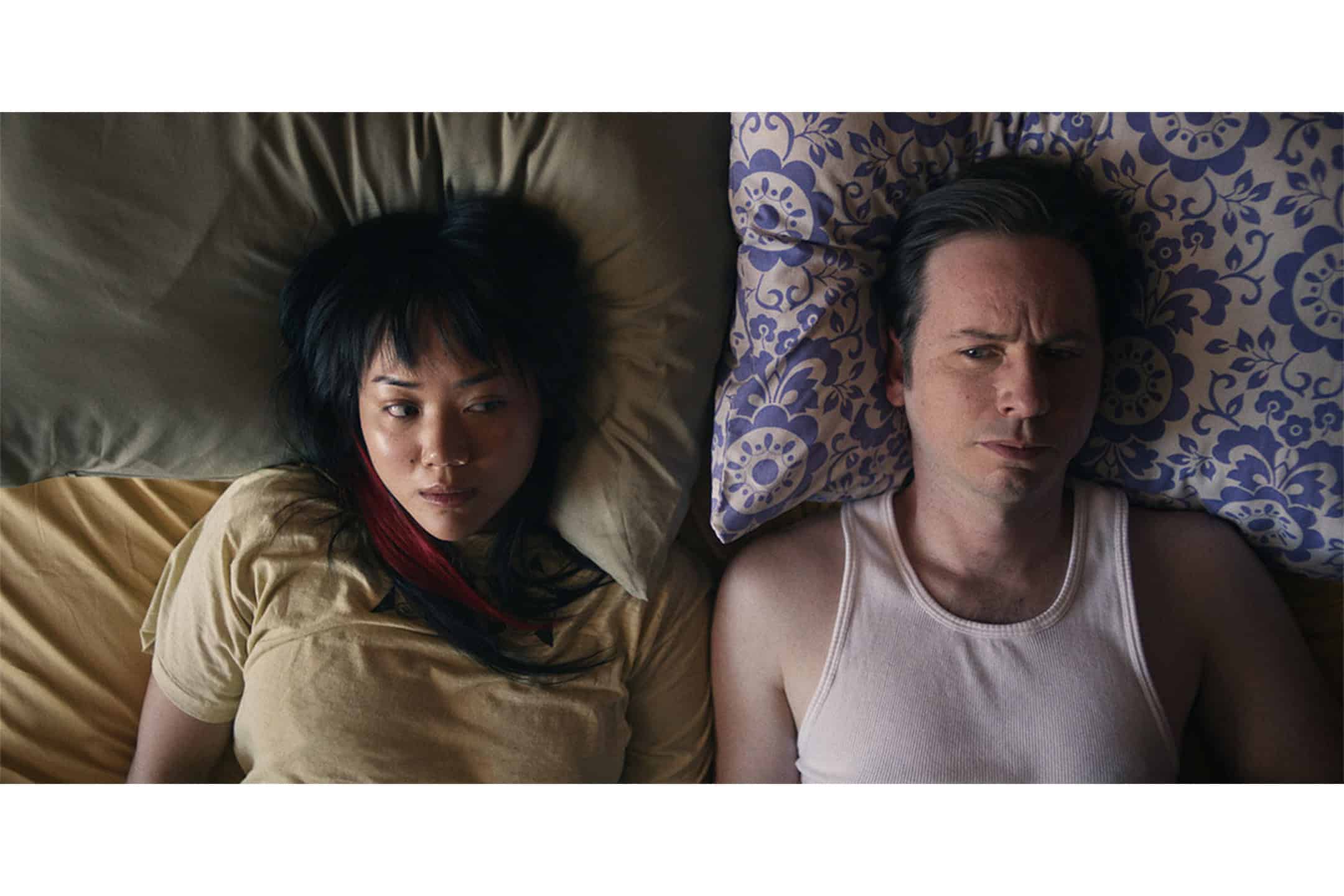
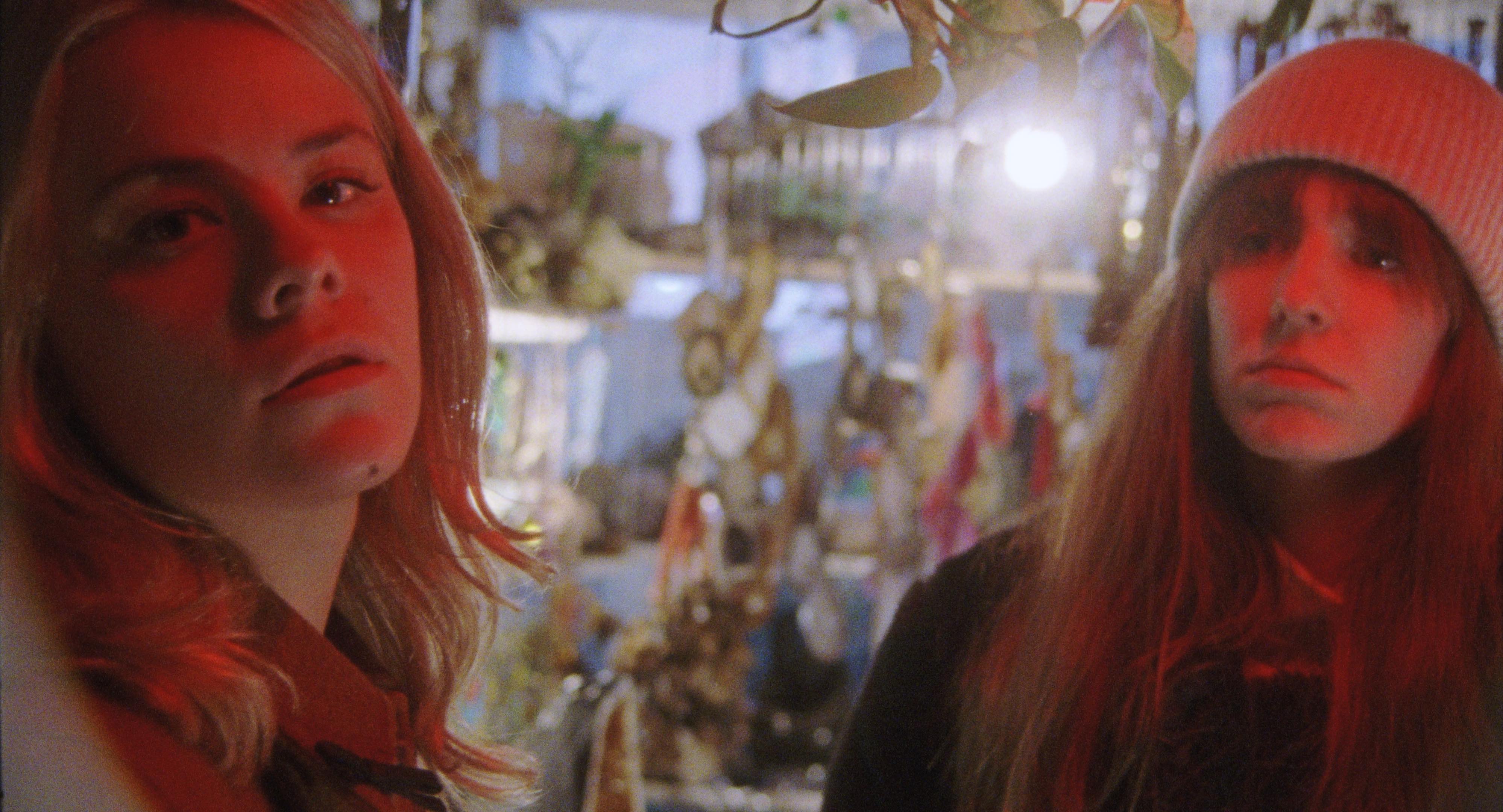
Emily Le and Dan Beirne play a couple who try open love and go in unorthodox directions in the oddball romance Paying For It.

I first took an interest to Paying For It knowing it’s directed by Sook-Yin Lee. I had no clue of what to expect. Boy was I in for a surprise!

Chester Brown and Sonny Lee are a Toronto couple in a tough situation. They’ve had a romantic relationship together for years and do a lot together, but they haven’t had sex in a long time. Both Chester and Sonny come from two different worlds in the arts. Sonny is a video jockey on the music channel Max Music and Chester is an illustrator/author of cartoon books that detail his personal life. Sonny has a few friends at her place of work while Chester frequently meets with his work colleagues from the same writing community and has a close friendship bond with them. Sonny has a lot of success but Chester is struggling to make a name for himself. Chester is quite introverted and keeps to his circle while Sonny’s not afraid to meet new people.

Sonny recommends they try open love. Maybe they were or weren’t meant for each other and maybe they need time away to figure it out. Sonny being famous on national television has no problem finding other men. Chester on the other hand struggles. His author friends warn him jealousy will sink in pretty soon. Chester does become frustrated how Sonny is able to find many a nightly partner. It even reflects in his illustrations. Chester tries an unorthodox route advised from one of his writer friends: prostitutes. Besides, he’s given up on romantic love.

Over time, both find a lot of pleasure from what they get into but they struggle to find the one. Every other man Sonny hitches up with, he’s a great passionate lover but they’re not as fun as Chester and they don’t relate to her as well. Also at work, she learns one of her female colleagues is attracted to her. Meanwhile each prostitute and escort Chester gets involved with involves something complicating or some kind of discomfort. Many are willing to give Chester what he wants that night but most of them completely back off of any commitment. Some even have demands of their own. Despite it all, Chester is finding a quality in this he feels is missing in monogamy.

Simultaneously, both have difficulties and challenges at their own jobs. Sonny had no problem being a VJ while the alternative rock wave of the 90’s was riding high, but the wave has become a ripple and in came the tsunami of boy bands and other teenpop acts Sonny does not like introducing at all. Over time, Chester and his friends question about what’s going on with his many hook-ups and it affects the art for his latest literature. Especially since Chester hasn’t found ‘the one’ and it’s frustrating for him.

Then things change over time. Chester’s writing career and the careers of his writer-colleagues get a boost. Chester also spends the night with an escort who’s her own madam and it changes his life. Sonny, on the other hand, won’t be silent about the frustration with her job and her life, even on live TV. That eventually leads her to be dropped form Max Music. The two eventually reunite during a tragic moment. The death of her dog. It’s as they mourn together they learn they had something so special, no new love of theirs can replace that, even though they have to move on.

The film is about this complicated thing called love. I’m sure a lot of you look at the situation in your relationships and find yourselves asking why can’t we just love? Why do we have to make it complicated? This film itself is about that human fallibility of making love more complicated than it should. In this case, it’s not just creating the freedom of an open relationship but also the types of people both of them date during that time. Then there’s the mix of the two professions that are similar that they’re both in art or entertainment, but very different. Then there’s the talking with friends. The people they most trust to confide into and divulge their personal feelings. Then there are the changes in their lives. Then there are human idiocies and their attitudes. All that is what makes love more complicated than it should be.

Basically this is a story about a relationship that was doomed to end. Chester and Sonny are close, but complicated. The expired birth control should send that message. Eventually Chester and Sonny grew as different people and learned in the end, they were best as friends. Chester may have found a new love with an escort who’s her own madam but his relationship with Sonny made clear he’ll never have a closeness with another that’s the same. Sonny may have found men that were better at making love, but she learned they all made lousy partners. It was Chester who had no problem with her squirt gun or her dog or any of her other oddities. The ending gave a message I have seen often enough where two in a relationship couldn’t succeed as a couple but they could succeed as soul mates.

The film does give a lot of humor and in a lot of ways is somewhat biographical of both Brown and Lee. For those that remember MuchMusic during the 80’s and 90’s, you will remember Sook-Yin Lee as one of the VJ’s in the 1990’s. Yep, Canadian Generation Xer’s like me and early Millennials will have fond memories of her. Those of us who remember her from that and see the film will see the humor in how what’s happening in the film mirrors her own life and will laugh at the humor involved. Those who have read the book Paying For It will know that Brown and Lee were romantically linked and it detailed the complications. The film does some changes with the dates as it has the film taking place as Sonny’s career is bustling while Brown’s is struggling. In real life, Brown started his relationship with Sook-Yin in 1992, before she was signed onto MuchMusic and the relationship ended in 1996 just shortly as Sook-Yin’s MuchMusic fame took off.

This is a great alternative comedy from director Sook Yin-Lee. It is a very personal story to her and she’s able to show the comedy in it in this story she co-wrote with writer Joanne Sarazen. She’s also able to make some of the changes in chronology work for the flow of the film. There were some elements of shock in the film, but the story and settings made the shock humor work. Emily Le is great as Sonny Lee. She’s great at doing the comically side of the story as well as some of the more serious moments. She may not be Sook-Yin’s twin as far as personality goes but she knows how to do it well. Dan Beirne was also great as Chester Brown. I myself never knew Chester or read his works so I’m judging his performance for how well Dan did his role. Beirne was very good at playing an introvert engaging in a sexual activity most introverts wouldn’t normally try and it changes him. His awkward traits made the character and the story. The addition of the other supporting characters like Chester’s writer friends or Sonny’s ‘other men’ also added to the storytelling and the comedy of the film.

Paying For It isn’t just a sex comedy full of sex humor and some shock humor. It’s also quite a smart comedy about a couple that could no longer be but have a special bond. It’s even a comedy that tells about our own idiocies when it comes to love.
2023 Oscars Best Picture Review: American Fiction

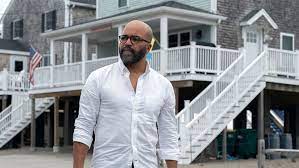
Jeffrey Wright portrays a serious African American writer who faces pressure from a white-dominated entertainment society in the comedy American Fiction.

DISCLAIMER: This is from a blog of four reviews I originally posted on March 2, 2024. The original blog has been removed.

Not that often are the Academy Awards friendly to comedy films. American Fiction is just the type of comedy that can do the trick.

Those of you on social media must be very familiar with the #OscarsSoWhite campaign. Despite there being seven acting nominees that are racial minorities this year, we need to have things more consistent over the years. Focusing back on the film, the Oscars and their lack of consistency in making their nominees diverse is just one of the problems with Hollywood and the entertainment system as a whole in dealing with racial minorities. Hollywood is gratefully responsible for this. Those who’ve seen classic films of the past will have seen a negative or mocking depiction of a racial minority. Awareness groups in the last decade have helped to make Hollywood think twice about how racial minorities are depicted in entertainment. Even though they won’t stop an insulting depiction from happening again, they will raise hell when it does and make people think twice.

In this film, it’s very obvious the theme of the film is about African-Americans depicted in all forms of arts and entertainment. It’s not only about how they’re depicted in entertainment. It’s also about an entertainment system where top sales and ratings are the bottom line. African Americans have various personalities and life goals and directions, but it’s always about the images that sell the most. And that’s the problem Thelonious “Monk” Ellison has to deal with. His novels are of excellent quality and good for how they give a good atypical depiction of African American life. Nevertheless there’s the problem of his works not selling. That frustrates him to the point he feels he has to sell out and do a “gangsta” novel. I’m sure many others feel the same pressure.

The film is a humorous look of an African-American author trying to get respect in the literary world which all-too-often seems to favor quantity over quality. It spoofs the whole system and how the white-dominated public treats works from African-Americans from his latest manuscript being rejected for not being “black enough” to his books being sold in the African-American section of a bookstore to his adding clout to his author’s guise as a criminal on the run from the law to a jury of a book festival consisting mostly of white limousine liberals lauding his upcoming novel. It also includes the irony of the one African-American member of the jury, rival author Sintara Golden, panning his novel as pandering. Meanwhile Monk himself finds her novel pandering.

Although the story is obviously about a significant topic, the story also has a lot of personal elements for Monk. This story is also about the author’s difficulty of trying to create and market his breakthrough novel right during a load of sudden complications in his life. He’s put on a sabbatical by his college because of his frequent confrontations with students. While reuniting with his family in Boston, his sister suddenly dies. His mother’s Alzheimer’s worsens and she needs to be placed in a care facility. The maid who he grew up with has to leave her job and eventually marries. His brother is going through a divorce and drug addiction after his wife caught him with another man. In addition, he is developing a relationship with an established lawyer named Coraline but the relationship ends as he disagrees with her about Sintara’s book. Try plugging a breakthrough novel with all this happening!

Top respect should go to director/writer Cord Jefferson. This film is actually based from a 2001 novel Erasure. Jefferson does a great job in satirizing the difficulty of trying to make it as a “black writer” from the difficulty of doing his work his way to the pressure of dropping his artistic integrity and selling out by writing a pandering “gangsta” work to the “liberal elite” (full of mostly white people) taking it as serious literature worthy of acclaim to the media machine building up the hype to Monk taking his pandering further to add to the hype. It’s both funny and smart at the same time. Mixed with its humor, it’s very much an eye opener about the pressures African-Americans go through to make it in arts and entertainment. It pokes fun at the expectations of what African-American literature is expected to be from the elite of the arts who are mostly not African-American and an entertainment industry where top sales have always been the bottom line. It also pokes fun at the “liberal elite” who are mostly of white people who want diversity but are clueless in how to do it right, despite being the ones pulling the strings. Despite the themes, it also includes the human elements like Monk’s connection with his family and love interest and how it helps him understand himself better as a writer and as a person. Even that element of Monk dealing with his ‘genius’ characteristic adds to the story.

Respect should also go to Jeffrey Wright in playing Monk Ellison. It’s not an easy thing to do a comedic performance with intelligence, even though the story does just that. Wright does a great job of a ‘genius’ writer who feels compelled to throw away his dignity as he’s on a sabbatical and just sell out with a pandering novel. At the same time, Wright adds dimension with his role as Monk tries to keep family ties together and tries to start a relationship with Coraline, only for his ‘genius’ characteristics to interfere. That’s quite an effort to do and to keep comedic for the sake of the film. There are some great supporting performances. First is from Sterling K. Brown as the brother dealing with the frustrating addiction and troubling changes in his life. There’s Lessie Uggams as the mother with Alzheimer’s robbing her of her quality of life but also able to say something to help Monk get a better focus of himself. There’s also Erika Alexander as the girlfriend who knows how to draw the line with Monk’s attitude and arrogance. With the musical score of Laura Karpman added in, you have a winning film.

American Fiction is just the intelligent comedy we need right now. It makes the difficulties of African Americans trying to make it in arts mixed with the attitudes of the mostly-white elites in the business look like the circus that it is. At the same time, it makes it as much about the author as a friend and a member of the family and his difficulty with his personality interfering with that. Already I declare this the Comedy Of The Year.

VIFF 2021 Review: The Scary Of Sixty-First

Supernatural hauntings of a New York apartment and a ring of famous sex offenders spark intrigue in a pair (played by director Dasha Nekrasova and Madeline Quinn) in The Scary Of Sixty-First.

The Scary Of Sixty-First is an American film that’s part of the VIFF’s series of Altered States films which set one up to expect the unknown, unusual and even bizarre. Here, bizarre is an understatement.

The story begins close to Christmas with two female friends, Noelle and Addie, searching for an affordable apartment in New York City. The come across one place in the East Side which is grand in size and has just been made available after the recent death of its tenants. The realtor however makes clear that at an affordable price any place they accept is taken as is. The girls find a place in New York’s downtown area. They are willing to clean everything up even though it was left behind with a big mess, including a moldy turkey with a dead mouse found in it. After their cleaning, they decide it’s worth staying in temporarily.

They have no problem living together, even though Addie has a boyfriend named Greg. Addie is at a crossroads in her life. She doesn’t know whether to move on and establish herself, or live with Greg. One day, a young woman visits the place while only Noelle is home. She introduces herself and informs Noelle that this suite was owned by Jeffrey Epstein before he was arrested. Just when both Addie and Noelle were already starting to sense the bad vibes of the place, it gets even worse when they notice blood underneath the mattress. They find a tarot card with a provocative image that they feel holds a clue to the place.

The other woman and Nicole start having a tempestuous relationship. It almost appears the place is becoming more like Noelle’s and the other woman’s instead of Noelle’s and Addie’s. As they both are trying to get a better understanding of the place, Addie is feels drawn to the place, despite also sensing the danger of it. Addie starts having an interest in Prince Andrew as the woman tells Noelle of the stories involving Prince Andrew to the place. Things turn for the bizarre as while she has sex with Greg, she shouts in a demonic voice for him to imagine her underage. That creeps Greg out and starts the friction in the relationship. The woman and Nicole are especially freaked out by Addie’s frequent masturbation, child-like behavior, and fixation with Prince Andrew memorabilia.

As the woman and Noelle get further and further into the Epstein connection with this place, they have had enough. They go to a crystals shop where they think the man who runs the store will know what the tarot card means and will have a good sense of what’s wrong inside. The man turns out to be creepy as he appears to deride them both of what he senses in their aura. However once they show him the card, he’s convinced of the problem and warns them to leave.

Then one day, Addie arrives to the place appearing like she’s possessed by a demon. Both of the women notice Addie worshiping whatever appears to be in the place. The two have to go in, fearing the worst. The end culminates in something you would not at all expect no matter what you had anticipated. It’s even a surprise for Addie, Noelle, the woman and Greg.

This is truly a bizarre story. The story already begins on a creepy note about a house left over by deceased people which the two have to clean up themselves, only to discover a moldy turkey in the fridge with a dead mouse in it! The bizarreness just starts there and continues into weirder territory. The weirdness grows with the mention that this was owned by an associate of Jeffrey Epstein, then comes mention of Prince Andrew, and the bizarreness grows and grows after that. Sometimes, you’re left wondering what the main theme of the film is about? Sex-offenders? The supernatural? Bizarre possessions? What is the main subject? There were even other people leaving the theatre wondering what was the point?

Despite the bizarre story, I give credit to Belarussian-born Dasha Nekrasova. This is a very ambitious film she directs, co-writes with co-star Madeline Quinn and acts in. It’s a very daring story as it reaches into the supernatural, the provocative, and even the taboo. However it’s a story that gets you wondering what is the overall point? Yes, the ending is different from what one would expect, as one should be, but it doesn’t make sense in the end. Sometimes you wonder what was the film aiming to be? A scary drama? A scary comedy? A load of shock value? What exactly?

Despite my confusion with this, I will say the acting from Dasha was very good as she did an excellent job with her part. even the scenes where it didn’t appear to make much sense. Actually if anyone should understand this story, it’s Dasha. Madeline Quinn was also very good as Noelle. Being the co-writer of the story, she would most likely be the only other person who understands the story best. Betsey Brown was also very good as Addie. Being under a bizarre possession opens the door for bad acting. But Betsey pulled it off well. Mark Rapaport is also good as Greg. He has the luxury of portraying possibly the sanest character in the story!

Despite the weirdness of the film, this film has attracted awards mention. At the Berlin Film Festival, it won the Best First Feature Award and was nominated for an Encounters Award and a Teddy Award (given to LGBT films) for Best Feature Film. At the Sitges – Catalonian Film Festival, it was nominated for a New Visions Award for Best Motion Picture. Over on Rotten Tomatoes, many critics see this film as a tribute to the bad horror movies of the 80’s. Maybe these film festivals and critics are seeing something in it most of us didn’t.

The Scary Of Sixty-First is definitely far from your conventional story. However it’s a film that is often too weird or too bizarre in either subject matter or story line to make sense. Sometimes you’re left wondering what was the point? The story or shock value?

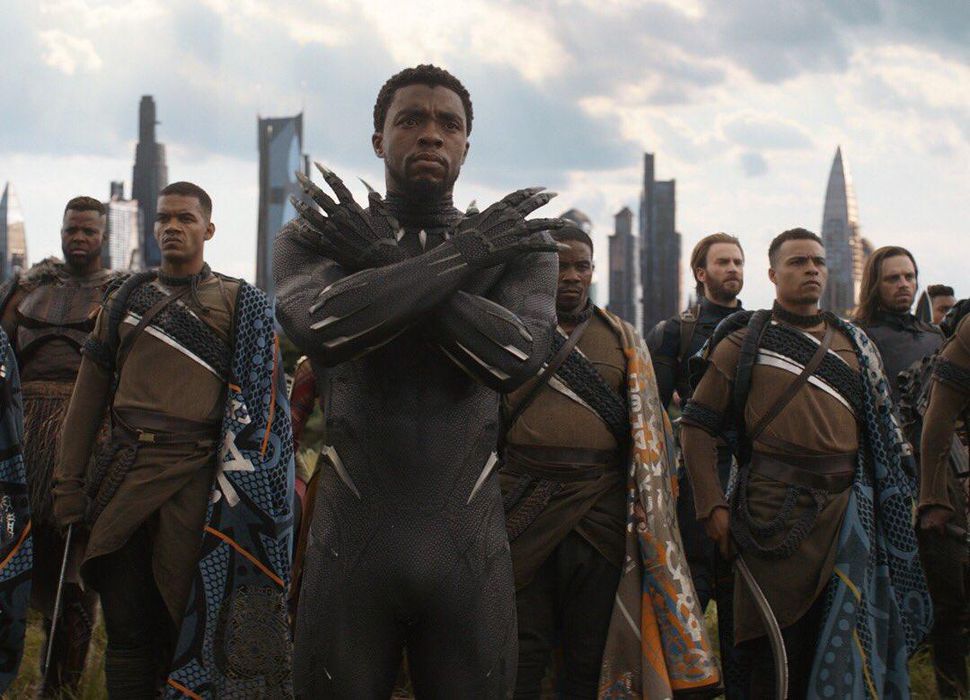
Oscars 2018 Best Picture Review: Black Panther

Black Panther
Chadwick Boseman plays The Black Panther who has to save the kingdom of Wakanda and his people.

People have been waiting for the longest time for a superhero movie to get nominated for Best Picture. If there’s a movie genre the 2010’s will most be remembered for, it will be for the heydays of the superhero movie. Deadpool and Wonder Woman were heavy favorites that ‘missed by that much.’ However it’s Black Panther that finally did it. And rightly so!

Now I’m not going to give a brief synopsis of the plot because most of you already know the story and saw the action. I will talk about superhero movies and how it lead to Black Panther’s most recent Oscar success. Now we’ve had superhero movies in previous decades and back in the 20th Century. I’m sure many of you can remember the old Superman and Batman movies from the 80’s and 90’s. The problem is around that time, the emphasis on popcorn movies back then was to be heavy on the action, and even heavy on the market hype, but comparatively minor attention to the characters and story-line. You couldn’t blame them; action movies blew people away and won big at the box office. However the flaws of a shotty script with minimal character development would soon become noticeable, especially by the critics. Around the 90’s as independent films were winning people over with storylines and well-developed characters, the stories and characters in action movies were starting to look either cardboard or idiotic. 1998’s Godzilla was possibly the best example of a film loaded with hype and action, but a ridiculous cookie-cutter story with foolish acting.

The 21st Century would mark a turning point for popcorn movies and especially for superhero movies for them to deliver better stories and better acting. Some say 9/11 became a turning point for movie watchers as they became less interested in cheering for villains and sleazes, but there’s more to that. The first sign was 2002’s SpiderMan. The producers were aware that despite the love for action in movies, the films story and acting could not be compromised. The film was loaded with action, as expected, but it did an excellent job in delivering a good story along with good acting as a result. That would not only open the doors for more superhero movies to come, but would also change the way superhero movies were done too. Marvel and their cooperating studios would become less focused on marketing hype — have you noticed there are less fast food chains plugging action movies lately? — and more focused on developing a well-written and well-acted story. It’s not to say that there were duds. There were a few SpiderMan sequels that were lousy and the 2015 rehash of the Fantastic Four was lame, but most superhero movies were very winning and easily demonstrated why they were winning crowds over.

Also on the subject of superheroes, I remember there were groups from religious organizations highly critical of the movies Hollywood was shelling out. They were complaining about all the ‘hazardous’ things in movies and how it threatened their values. Although no censorship occurred from their pleas, it did have an effect on the way superheroes are portrayed in the big-screen movies. One thing the studios were reminded of was that superheroes didn’t just simply do amazing things with their hands. They were characters that took a stand for values and were not afraid to do what’s right and be unafraid to deliver in their call of duty. In fact there have been many cases of some studios’ writing teams hiring Christian writers for the task. In most cases (obviously not for Deadpool), the superhero movies of the 21st Century were often praised by Christian critics of promoting values and dignity in a winning way. To think back in the 1990’s while gangsta rap and anti-hero entertainment were the call of the day, most people thought a story promoting values would come across being like a Mister Rogers. The 21st Century superhero movies proved that promoting values can be done in a winning way.

However it’s only been in recent years that superhero movies have the potential to do very well in the Oscar race. Most of the time, the best chances superhero movies had at scoring Oscars or Oscar nominations were in the technical categories like Best Visual Effects, Best Sound Mixing, Best Sound Editing. Sometimes they would win nominations in Best Costume Design, Best Production Design or Best Original Score despite nominations going mostly to ‘timepiece’ movies. The big turning point came in 2008 when The Dark Knight was a heavy favorite to get a Best Picture nomination. It didn’t happen, but Heath Ledger won an Oscar for his portrayal as The Joker. It was the biggest sign of how much better superhero movies, and even popcorn movies in general, became. In the past two years, there were two superhero movies, 2016’s Deadpool and 2017’s Wonder Woman, that were nominated for Best Motion Picture for the Producers Guild Awards. The Oscar nomination however did not happen: for Best Picture or any category!

It’s 2018; enter Black Panther. The Black Panther is a hero that actually made its debut in the Marvel universe in a Fantastic Four strip in 1966. The Black Panther has made many appearances in various Marvel comic stories. In film, the first appearance of the Black Panther was in 2016’s Captain America: Civil War where he was played by Chadwick Boseman. That of course was an Easter Egg of what was yet to come. The movie of The Black Panther was released in 2018. As expected, it was to tell the story of how the Black Panther came to be and how the Black Panther had to achieve their first defining moment of greatness. However it did a very good job in presenting a story of a moment in the distant past, to the ‘near-past’ of 1992 to the present. The story doesn’t just simply focus on T’Challa becoming the Black Panther, but also on his family and restoring the dignity of the Jabari Tribe and the wealth of the kingdom of Wakanda.

The film also does a good job in developing a story that’s entertaining for adults but also not too confusing for children. Another hard job of superhero movies is developing a story that works for both children and adults. It shows the conflicts abounding between T’Challa and Killmonger, as well as Killmonger’s pursuit of the throne of Wakanda with the intent to rule corruptly. It delivers the story in an excellent and entertaining manner with well-developed characters. Of course a superhero film needs to have its action moments, but the film does not compromise at all on the story or the characters.

The best efforts of the film come from director/co-writer Ryan Coogler and co-writer Joe Robert Cole. Coogler has had a steady progression in the film world. His first film was the 2013 independent arthouse film Fruitvale Station, then progressed to popcorn movies with 2015’s Creed, and now Black Panther. All have had winning results. Black Panther could have gone to another white director that was part of the Marvel team, but marvel made the right choice to have Coogler direct despite never directing a sci-fi movie. The result is winning. Cole has also been able to make his mark in this film. The most writing experience he had before the film was 2011’s Amber Lake and the TV series The People vs. O.J. Simpson. Here, he’s able to make a name for himself in a big way and should open bigger doors in the future.

With the great directing and the great story, the acting is also excellent. Chadwick Boseman delivers very well as the Black Panther and succeeds in delivering a three-dimensional role for the character. Michael B. Jordan (who also acted in Fruitvale Station and Creed) also does a great job portraying the villain. Lupita Nyong’o was possibly the biggest scene-stealer of the movie. She was enjoyable. The costuming by Ruth E. Cater worked excellently for the film as well as the sets for the film. It made Wakanda look very believable as a place. The music by Ludwig Goransson also fit the film excellently and the special effects were dazzling and entertaining.

It’s easy to see why Black Panther is a winning film. It’s a superhero story that delivers in all facets and manages to dazzle crowds too. It also succeeds in again taking a seldom-known Marvel superhero and turning him into a household name.

VIFF 2018 Review: Edge Of The Knife (SG̲aawaay Ḵ’uuna)

Edge Knife
Tyler York plays a Haida man who’s inner monster overtakes him in Edge Of The Knife.

One of my goals each VIFF is to see a Canadian feature-length film. I had the good fortune when I went to see Edge Of The Knife. Not only is it a Canadian feature, but possibly the only feature-length film ever completely in the Haida language!

The film begins with the carving of a wooden mask and then burning it in a fire. The story begins with a meeting of two Haida families over at the Haida Gwaii in Northwestern BC in the 19th Century. It’s an annual fishing camp the families have together. Adiits’ii is the oldest son of and close to the family of Kwa and his son Gaas, who sees Adiits’ii as his mentor. Kwa’s wife Hlaaya finds his appetite for challenges to be too reckless for her son. However Adiits’ii often feels belittled by his own family. Sometimes Kwa makes him feel inferior.

In the evening, Adiits’ii decides to take Gaas onto the waters on boat. Overnight a storm hits the coast. The families fear the worst for Adiits’ii and Gaas. The next morning, the bad news. Gaas is found dead on the coast. Adiits’ii is missing and presumed dead. However Adiits’ii is still alive. He’s in a remote forested location and feels he can’t return because of the reactions from others he fears. Secluded, he becomes overtaken by a huge spirit. He transforms into a Gaagiid/Gaagiixiid — the legendary Haida Wildman  — and his behaviors become feral and even demonic. The whole family searches for Adiits’ii. Kwa and his wife are first to discover Adiits’ii, but lashes out at him wanting to kill him. The wife tries to stop him, but that leads Kwa to speak out his belief of who he thinks Gaas’ true father is. The families work to get Adiits’ii captured before they can free him from his possession. They set up a trap and they succeed. It’s at a ritualistic ceremony that involves prayer and piercing of the chest that they have to free Adiits’ii from the possession of the Gaagiixiid. The film ends with Adiits’ii carving out a mask out of wood, the very mask seen at the beginning, and burning it. At the end, we notice it’s in the image of how Adiits’ii was when possessed by the Gaagiixiid.

As far as film quality goes, this is a film I’d call great, but not excellent. The story is very good as it focuses on physical actions and unspoken feelings. However I have seen Canadian films with better dialogue and better story lines. Culturally, this is an excellent film as it captures the Haida culture and the Haida language without any interruption of the English language. Also it captures Haida mythology with excellence. It introduces us to the Gaagiixid. I am not familiar with Haida culture at all, but the film gives me a good understanding about the mythological belief of other beings. We should remember that Adiits’ii is a person with personal demons. He feels like the misfit and he feels like he’s belittled. Although he doesn’t say it, it’s obvious. After the accidental death of Gaas, it’s his guilt that gets the best of him and runs away. It’s there when he turns into the Gaagiixid. I believe the Gaagiixid is all about his personal demons and bad self-image. He had to conquer the Gaagiixid inside of him to truly come to peace with who he is and what he did.

SPOILER WARNING – Ending Revealed In This Paragraph: The film begins with the scene of a mask being carved of wood and then burned in a fire. At first one would wonder why would a person burn a mask that was just carved? Then it’s repeated at the end. At the end, you see that the mask is the image Adiits’ii had as he was fighting his inner demon. Then as you see it burn again, you see why. It’s like the final step in ending the demon inside. That scene is a good interpretation of Haida culture and Haida mythology.

This is an accomplishment of a film as far as culture goes. First off, this is a film done by not one, but two First Nations directors: Gwaii Edenshaw and Helen Haig-Brown. Secondly, this is a film done completely in the Haida language. This is a film that is essential for the language. At first, Haida was the only language the people spoke. However with the happenings of past history and with modernization, there are only twenty fluent Haida-speakers left. Even though there is educating young people inn the Haida language or even a resurgence of bringing back the language, the struggle is still there. This film does an excellent job in displaying the language and the culture of the Haida people. The idea of the film came back in 2011 by University professor Leonie Sandercock. In making the film, those involved received a Partnership Development Grant of $200,000 from the Social Sciences and Humanities Research Council, so even arts funds knew of the importance of this film to be made. Also to create a time before European settlers arrived really involved a lot of effort.

Also the film has been widely welcomed and celebrated by the Haida peoples and other First Nations peoples of BC. I remember a couple of times during the VIFF, I was waiting to see a film after Edge Of The Knife over at the theatre I was to attend. Each time I was in line, I was given the news that there would be a 30-40 minute delay of the start of my film. As Edge Of The Knife finished, I saw more than just people exiting. I saw some dressed in traditional First Nations costume. Some even brought drums and performed a song of celebration. When I saw that, I felt I had to see Edge Of The Knife when I had the chance. This was more than just something. I’m glad I did.

Gwaii Edenshaw and Helen Haig-Brown did an excellent job in directing and creating a world far back in the past and appear authentic. The script by Gwaai and Jaalen Edenshaw, Graham Richard and Sandercock was not too intense in terms of dialogue, but it does present a very good story that’s more about emotions and image-based. Tyler York did a very good job as Adiits’ii. His acting was more about what was inside of him rather than what he said. Willy Russ almost stole the show as Kwa. The actors involved are more of a Haida community rather than actors by profession. All did a very good job. The film was light on special effects, but the effects fit the film and the scenes right. It didn’t need more effects than necessary.

Edge Of The Knife may not be the best Canadian film I’ve seen or even the best of subject of First Nations peoples. However this is a very culturally-important film that deserves to be shown. It also tells its story in both an entertaining and mesmerizing way. Definitely worth seeing.

VIFF 2018 Review: United Skates

United Skates
United Skates is a unique documentary that shows how vital roller skating is for those that do it, and why roller rink closures hurt.

It’s usually good to take a break and watch a documentary that doesn’t have a political agenda heavily shown. I was able to see that in United Skates.

The film begins by showing various African-Americans going out and having a good time on skates. Very soon we see some of the more sensational moves that are frequently seen at the rinks. They’re stylish or they’re acrobatic. Whatever it is, they’re all out to have a good time. Young or old, single or with family, they’re all out to have fun. This is a phenomenon that has been going on for decades nationwide. A place where various African-American skaters have their own moves and their own fanfare.

Soon into the movie we learn how roller rinks are considered a top getaway for African Americans. Roller rinks may have had their biggest heyday in the late-70’s and early-80’s for most Americans, but African-Americans kept it lasting long after that. It was a getaway from the harsh realities of daily life. It was one place they could take their kids away from the harsh realities of urban living. It was also a place where the first hip-hop and rap artists found a stage to perform on. Yes, roller rinks were an integral part of the early years of hip-hop culture. When night clubs and radio stations, even the soul and urban stations, wouldn’t give those artists their time, roller rinks gave them their stage. Coolio and Salt ‘N Pepa can vouch for that. There are even scenes in Straight Outta Compton that show NWA perform at roller rinks during their early days. In fact there was even a case in the 90’s where two roller rinks in Los Angeles would be the different domains of two rival gangs: the Bloods and the Crips. When one rink closed, the other rink became neutral territory for the two.

The documentary shows how roller rinks have gone from commonplace nationwide starting in 1982 to disappearing gradually starting in the 90’s to today being probably one tenth of what it was. Modern times have proved to be a very trying time for roller rinks. Gentrification has been a pressure with turning a lot of top recreational areas into land for condos. Roller rinks, commonly seen as something of the past, have fallen prey and have seen closures. If an African-American family wanted to take their family to a roller rink, they would have to travel a longer distance.

We even meet a family from Los Angeles before the closure of the World On Wheels rink. The mother has a huge love for roller skating as she has been doing it since her child hood. She was able to share that same love with her children. When they go to World On Wheels, it is family time. It is time for the kids to show their decorated skates, time for all to show off their moves, and a time for the son who has behavioral disorders a place to avoid getting in trouble. Then World On Wheels closes in 2013. They show closing day. The rink tries to make a party of it. Young and old come to have fun one last time. We see people in their late-50’s early-60’s — people that were a part of the ‘roller boogie’ heyday– skate around with the same love. The closing day is as much a day of heartbreak as it is of fun.

Then the rink closes. We see how the owner tries to take everything out of the rink from the lockers to the concessions. We also see how the family tries to cope. They drive hours to a different rink, but face heat because the wheels their skating with are too small.World On Wheels welcomed their skating wheels with open arms. Also the rink has an urban night or soul night. African-Americans undergo security checks. There’s no security checks for white families. It’s obvious the family doesn’t feel welcome here. It gives a sense that these rinks are out to exclude African-Americans. The pressure hits the family hard too as the son committed a crime and has to spend time in prison. The film shows other rink closures too and how much it hurts those that love it.

However like one former rink owner says, patience is the true test for anyone. Over time, there would be skate clubs abounding over social media where people can go out an skate, whether it be in parks or outdoor rinks. Also World On Wheels reopens after popular demand. The re-opening is welcomed with open arms. And the family that was the centrepoint of the story can now skate as a family wearing whatever wheels they want to. We also see the son, just out of prison, having fun again.

It’s obvious the film has a point. The film obviously is showing how roller rinks are important for the vitality of African-American families. It was roller skating where there were a lot of segregation protests. Even roller rinks in the 60’s were a focal point as African-Americans simply wanted to skate on the same rinks as whites. They didn’t want to be confined to blacks-only church halls. It also shows how important roller rinks were towards hip-hop musicians. However the documentarians Tina Brown and Dyana Winkler allow the people to tell their stories. There’s no narration here. Some graphics that tell a lot but it’s the people from the owners to the families to the hip-hop musicians who tell their story about roller rinks and why they don’t just simply love it, but consider it a key part of themselves. You can bet the audience will feel the energy. There were many times people were cheering on the moves and they gave the film a big applause at the end.

United Skates has a point to say, but it doesn’t just simply say it. It shows it. It also makes you open your eyes and notice that roller rinks aren’t simply a relic from the ‘roller boogie’ phenom. They’re now and they vital.

NOTE: The website of United Skates has a page where you can donate to keep roller rinks open. Their goal isn’t just to show how important they are, but also to get the viewers to help keep them open. If you want to donate, go to: https://www.unitedskatesfilm.com/donate

Movie Review: The Peanuts Movie

The Peanuts Movie is full of surprises. Especially for Charlie Brown.

Charlie Brown and the Peanuts characters are some of the most beloved cartoon characters in history. The Peanuts Movie brings them back into action in 2015. And in winning style.

It’s winter. While the kids are having fun skating and playing hockey on the ice, Charlie Brown is nervous. A family has moved into town and with them is a girl– the little Red Haired girl– he wants to win the attention of. However he has a track record of bad luck in the neighborhood and among his peers. He sees Lucy for ‘professional help.’ She advises him to make a winner of himself and be more confident.

First chance is at the school talent show. Charlie has a magic act planned with Snoopy and Woodstock assisting. Charlie’s last up. Sally is second -last up with her cowgirl act. However she gets ridiculed by the crowd. Charlie decides to help her win the contest at the expense of his own humiliation. It works. She wins and he makes a fool of himself.

Next chance is the school dance which consists of prizes going to the winning solo dances for both boys and girls. The little-red haired girl wins the female prize.  Charlie Brown appears to have winning form but a slip causes him to fall and disrupt the sprinkler system which disrupts the whole dance. Again a blockhead!

Next chance is a book report which he’s partnered with the little red-haired girl. Then comes aptitude testing which Charlie Brown is believed to score the highest. Just before Charlie Brown is to receive a medal for his perfect score, he learns the truth and declines his medal on stage. To make matters worse the book report Charlie Brown wrote for the little -red-haired girl is destroyed in the air by Snoopy’s plane.

Summer approaches and classmates are assigned to be pen pals. The little red-haired girl chooses Charlie Brown. The thing is she’s to spend the summer at camp. Charlie Brown has one last chance to meet up with her. Does he do it or doesn’t he? Those who saw the movie will know for sure.

What the filmmakers had in terms of bringing the Peanuts back to the big screen was a challenge. The first challenge was for possibly the first time, the Peanuts characters were 3D in a 3D world. The second challenge was what to include in the film. No doubt the film was to include the common traits of the characters as well as the common lines used by the characters throughout. The other challenge would be what kind of world would The Peanuts be in? Would they be in their past world consisting of common things like books, playing baseball and Snoopy using a typewriter? Or would they be in the modern world where kids use iPads, skateboard, hop onto Wikipedia for whatever info they want and save their essays as Word Documents?

I believe the writers and animators made the right choices to have the story situated in the traditional world of the Peanuts characters. That’s how fans of the cartoon series best remember them and converting them into the modern world would be very tricky stuff and may turn long-time fans off. Another element I liked is that it maintains a lot of familiar situations from Peanuts cartoon strips and Peanuts cartoon shows of the past. The humor of Charles Schulz had to be kept with the story as well as the familiar personality traits of all the characters.

However with this being a feature-length movie, it had to present a legible story with a beginning, middle and end. This was a challenge to write out such a story and mix in the common humor of the Peanuts characters and familiar moments of the Peanuts history. I feel it did an excellent job of creating a consistent story with mixing in the humor of the Peanuts franchise as well as giving all the other characters their moments too. It can’t all be about Charlie Brown. Plus I’m sure all of us wanted to see Charlie Brown win the ‘little red-haired girl.’

Kudos the Charles Schulz’ son Craig, grandson Bryan and Cornelius Uliano for writing an excellent story true to the Peanuts series as well as entertaining from start to finish. Additional kudos to director Steve Martino. To make such a movie work, they had to put it in the hands of someone who knows how to direct animation. Martino has proven himself in the past with Horton Hears A Who and Ice Age 2: Continental Drift. Here he delivers again. I also give the animators credit for making 3D characters of the peanuts characters for possibly the first time. That was another challenge: keep them 2D or make them 3D? They took the risk with 3D and it worked very well. I will admit I did see a few glitches in terms of speed but the form of the characters as well as the settings were flawless.

The vocal talent from the young actors were all there as they not only sounded like the characters but they personified them as we commonly knew them. Additional kudos for Christophe Back for providing the score familiar with Peanuts animation of the past as well as adding some things of his own.

The Peanuts Movie is an excellent movie with all the right moves to win over fans of Peanuts cartoons and introduce the Peanuts kids to a new generation of children.