VIFF 2025 Review: Akashi (あかし)

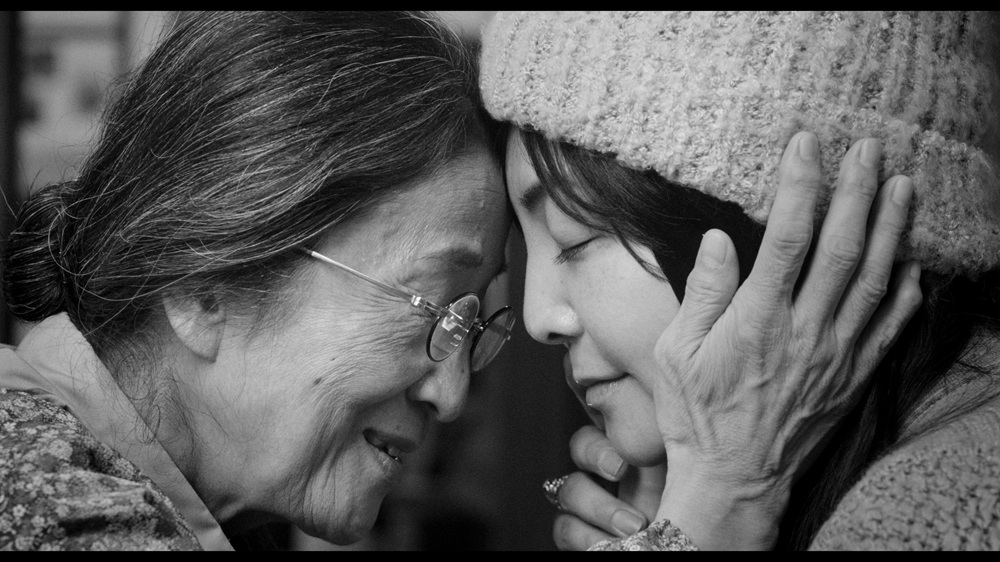
Akashi is a film by Mayumi Yoshida (right) who makes peace with her Japanese family’s past during the funeral of her grandmother, played by Hana Kino.

One thing about the Vancouver Film Festival is you will find some unique films from local filmmakers. The Japanese-language film Akashi is one of those films and it was met with great fanfare.

The film begins with Kana returning to Tokyo, Japan from Toronto, Canada. Kana is an advertising professional who dreams of breaking through as an artist. The purpose for the trip is a sad one: her grandmother’s passing. She is welcomed warmly by her parents, siblings, niece, nephew and in-laws. Kana is the only one of the children who has not yet married. In Canada, she’s been more focused on getting a prestigious arts grant and is awaiting the news of her third attempt at it.

As she’s in the home of her grandparents, memories come back to her. As she sees her grandfather’s artwork on the walls, it reminds her of how he used to teach her how to draw when she was younger and how it would lead to her own dream to be an artist. As she sees photos of her grandmother, she is reminded of the last talk she had with her. Her grandmother told her the marriage was arranged shortly after World War II and her grandfather actually loved another woman named Wakaku.

As she’s on a shopping errand before the funeral, she goes to a local store. In the store is Hiro, the boyfriend she had before she left for Canada. As they dated, Hiro had dreams of becoming an actor and the relationship was a case of two lovers with artistic dreams. Kana does not want Hiro to know she’s here and hides, but a sudden phone call from Shelby, her work colleague in Toronto, gives it away. Hiro is surprised to see her and the two talk for a while.

Kana is staying with her family for that week’s period. The funeral happens and they hold the service, tearfully paying their last respects. As Kana spends more time with her family, she starts observing her parents and how they struggled to keep a marriage and a family together while they were pursuing their professions. Now she sees it in her brother and sister and how they’re trying to raise their two children. This causes her to spend more time with Hiro. She starts to sense maybe Hiro was the one she was meant to be with.

Things become more frustrating for Kana as she learns that the drama group he’s with is not that successful. This comes over time she tries to learn more about the love between her grandfather and the other woman Wakaku. It’s in her grandfather’s drawings and notes that she learns more about what was covered up over time. Even though her grandfather was arranged to be marries to her grandmother, his love for Wakaku never died. Any interaction between the two had to be kept private. It’s noticeable as in one encounter in an art gallery, Wakaku and the grandfather had to give small talk and not have people notice. One boyfriend of Wakaku’s did find out about the love in the 1950’s and blamed her miscarried pregnancy on him, but it was the boyfriend that impregnated her.

As Kana is nearing the end of her visit, she has to make decisions. As she’s about to leave, she tells Hiro that she can’t be his. Hiro is heartbroken to hear the news. He takes it as another failure in his life. She gets the news of her attempt for her grant from Shelby. Again, it was unsuccessful. She also has a meeting with Wakaku on the day she is to leave. She sees Wakaku and learns she never married. She hears from Wakaku all that happened. Wakaku even appeared at her grandfather’s funeral. For which, the grandmother had no ill feeling and thanked her for loving him. The film appears to end with a telephone interaction between Hiro and Kana that appears she will live out a similar love story like her grandparents.

One theme of this film is about making resolve of the past and making sense of what love is. Kana sees the strong but difficult marriage of her parents and the marital situations of her own siblings. She has the reflection of her own relationship with Hiro and doesn’t know if it’s worth pursuing again. Then there’s the loveless marriage of the grandparents and knowing of the other woman. It is through talking with the other woman that Kana can resolve the dark secret in her family. Hidden truths no longer have to haunt her or the family. The marriage of her grandparents happened in post-World War II Japan and times were difficult as the nation was rebuilding itself. All personal lives and all family’s lives in Japan were affected by it in some way. It was a hard time for the family and for the grandmother to marry a man she didn’t love, but she held no hard feelings to the other woman in the end.

The film has many more themes to it. Another element of the story is about how things relate to in her own life. Kana is a struggling artist. Despite having a good job with an advertising agency, she still wants to make it as an artist. Meanwhile she reunites with her boyfriend who has still not become too successful as an actor. Her other siblings have bustling but difficult careers and her parents are retiring. This comes as she’s waiting to see if her application for the grant, her third attempt, will come through or not. As this all happens during her grandmother’s funeral, it’s there she finally gets the answers about the ‘other woman’ she learned of years ago. It’s there she learned of grandfather’s true love and gets a look at the relationship of her own parents and her siblings. It’s as she sees and learns what goes around her, she’s trying to question her own life and her own love. All this in a week’s period of time. To add to it, she begins the film as the family member who has been away for so many years and appears out of place at the start. At the end, she gets her feeling of belonging back. It’s almost like everything in question at the beginning was answered in the end.

This film is unique that it has most of the story in black and white, but both the story of the affair of Wakaku and the grandfather and the mental interaction of Kana and Hiro at the end in color. I think Yoshida had a reason to make it that way. I think it may be because the color was to represent the love that’s meant to be, despite the barriers and friction separating them. The story itself is slow and can get intense at times, but it does tell its story very well.

This film is an accomplishment for actor/writer/director Mayumi Yoshida. It’s a feature-length film nine years in the developing. It started as a stage play, adapted into a short film in 2017 and eventually evolved into a feature-length film. The audience at the Playhouse Theatre cheered loudly as a Japanese-born Vancouver local made her dream happen! The story is based on a conversation Yoshida had with her own grandmother back in 2011 shortly after the earthquake and tsunami that year. In an interview, she mentioned she noticed how her grandmother’s generation and her own generation look at love and marriage differently and has often reflected on the popular misconception of the young that the older generations had it better and easier. The film may be slow at times and appears to try and keep solitude even in the biggest moments of friction, but it tells the story well and pieces the puzzle together in good form.

Additional good acting performances are from Hana Kino. Her portrayal as the grandmother who kept secrets and eventually found peace in the end added to the drama of the story. Ryo Tajima is also very good as Hiro. His portrayal as the ex-boyfriend who still loves Kana makes for a very telling situation of modern love in a story about love between three generations. The performances of Kimura Bun as the younger grandfather and Sayaka Kunisada as the young Wakako is acted very well and makes for a believable scenario of the complications of love at the time. Even that single-scene performance of Chieko Matsubara as the older Wakaku makes you feel for the ‘other woman.’ The best technical aspects of the film are the cinematography from Jaryl Lim, the colorizing from David Tomiak, and the piano-driven score from Andrew Yong Hoon Lee.

Akashi is a film that’s simply more than a woman returning home. It’s about making peace and resolve with the past while making decisions about her own life. Although it may be slower than it should be, it’s still nice to see and showcases the skills of a promising director.

VIFF 2025 Shorts Segment Review: Forum 3 – The peripheral core

One thing about being into cinema is that it will give you a liking for short films. I saw a second segment or forum of shorts at the VIFF entitled The peripheral core. This segment, the third Forum segment, consisted of eight films that are very similar, very different, but tell a lot.

-Resistance Meditation (dir. Sara Wylie): In this documentary, we see a woman (possibly director Wylie) sleeping in bed. As she sleeps, Wylie talks about sleeping and how the time on the clock we follow is ‘corporate time.’ As she lays in bad, we learn she has a disability and she calls her sleep here ‘crip time.’ It’s not just for her sleep, but to rebel against the demands of the capitalist world.

Simply put, this is a five-minute documentary where the filmmaker has something to say. Although I don’t completely agree with her opinion about ‘corporate time,’ I like how she makes her statement in a creative way. It makes sense to present filming of sleeping and her speaking her belief about time, disability and rebelling against it.

-A Very Straight Neck (Japan – dir. Neo Sora): A woman wakes up from her sleep and has terrible neck pain. The dream she has haunts her. Her dream was she was lying face-down on the sidewalk of a busy street and the world passes around her. Even crumbling out of its existence in her mind.

This is a picturesque short film which the focus is on unspoken images and the main character narrating in the background. The biggest quality is the visuals as it adds to the story and creates the mood of what she’s trying to say. Sometimes we can understand the pain she’s going through. Very well done.

-Not Enough for the Love Inside (Brazil – dirs. Marcelo Matos de Oliveira and Wallace Nogueira): Cassio and Otto are both gay couple in Bahia, Brazil and both became blind recently. Cassio is unemployed while Otto is able to participate with a theatre group. Through all that happens in the story and Cassio’s body language, one can’t help but notice the relationship appears doomed to end.

The biggest quality of the film is the body language. I don’t know if both became blind from the same incident or from separate incidents, but you can understand how sudden changes can affect a relationship. The body language in the film is as valuable to the story as the dialogue itself. It creates the negative vibe of a relationship that is starting to fall apart.

-The Sphinx (USA – dir. Jesse Pavdeen): Harold is a young adult locksmith by profession, but he has a problem. He was born without a nose and he needs to wear a prosthetic. His nose falls off during a date, but his date doesn’t mind. She encourages him to come to a party. Things get worse when the people at the party want him to show ‘his true self.’ He takes his nose off and they all laugh. He runs to his estranged mother’s house, but she has the door locked with seven locks. Meeting with his father exposes the secret.

When you have short films, you should expect a bizarre comedy or two. Harold is seen as The Sphinx as The Sphinx itself has its nose missing. I’ve seen stories of missing body parts or weird body parts before, but this comedy does a unique job in showing one young man’s flaw and how the world treats him. Even his mother who has cut herself off from everyone. It’s a bizarre story that’s humorous too.

-Confluence (Canada – dirs. Charlene Moore and Oliver Darrius Merrick King): This is a documentary made by Indigenous members of the Winnipeg Film Group for their 50th anniversary. As images of parts of Winnipeg are shown on screen, the Indigenous members of the Group talk about various topics like their land and colonizing, being an Indigenous person, filmmaking as an Indigenous person and even envisioning the future and pondering ideas of what to film next.

I’m from Winnipeg and I remember the Winnipeg Film Group and how it took a modest area in an office building back in the 1990’s. The Group has grown a lot. This documentary is important because in recent decades, the Indigenous peoples are getting more into the arts and holding their own. Film has a bright future in Winnipeg, but the Indigenous filmmakers show the most promise and most envisioning. It’s good to hear them speak their minds about the topics as we view images of Winnipeg.

-In My Hand (Norway – dirs. Marja Helander and Liselotte Wajstedt): The film begins with a re-enactment of Norwegian Sami activist Niillas Somby waking up in prison with his amputated arm bandaged. Niillas narrated how he spent 21 years in prison and was involved greatly with Sami activism. He also talks of the accidental battery explosion from 1981 that led to the loss of his arm. He also talks of the time he went to Canada cleverly disguised as a white man and with a fake passport. The film ends in the present with present-day Niillas and today’s Sami activists.

This is another film that showcases the racism felt by a nation’s first peoples. In this case, it’s the Sami peoples of the Nordic nations. Niillas Somby tells his story about what it was like to be a Sami activist and of some of the illegal things he did in his life. We hear Somby narrate as the moments are re-enacted in front of us. This is a valuable story in learning about their struggle and has a message worth hearing.

-Cocotte Coulombe, Filmmaker (Canada – dir. Charles-Francois Asselin): Charles-Francois has always known his unmarried deaf aunt Cocotte. He does remember her bringing a film camera to family events. It’s after her death that he discovered she had taken lots of family films. As he watches the family films of hers, he discovers this was they way she communicated her love to them.

This documentary is great at telling its story. Cocotte’s family films play in the background as Charles-Francois tells his story of Cocotte and his recent discovery of the films. It’s an intimate story of how a film maker himself learns how home videos were not just a hobby for Cocotte, but also the means for a deaf family member to show her love to them. It was nice to watch.

-We Were The Scenery (USA – dir. Christopher Radcliff): In 1978, Hoa Thi Le and Hue Nguyen Che were Vietnamese refugees in a refugee camp in the Philippines. During that time in that same place, Francis Ford Coppola was filming Apocalypse Now and wanted to use the refugees as extras for the film. Le and Che rewatch Apocalypse Now and during the scenes, they point themselves out and mention of other people they knew personally as their appearances come on screen.

This is one documentary one would not expect. Most of us who saw Apocalypse Now probably never bothered to notice the extras were from a Vietnamese refugee camp. It was great to hear the story of how a couple who are married were those very extras and they saw it as just a way to make some extra money. It’s also a smart choice the director had them tell their story in Vietnamese. Although they are now American citizens, telling their story in Vietnamese only adds to this documentary.

And that was my experience with the short films from Forum 3: The peripheral core. Interesting how with this forum, five of the eight films were documentaries. Although I prefer watching live-action, I still found the documentaries intriguing to watch. Whatever the documentaries had to say, they said it well in their own way. For the live-action, they were unique to watch as well.

Oscars 2024 Short Films Review: Documentary

You’re not done with watching the short films until you’ve seen the documentaries. Many of this year’s mix of nominees are of dark subject matter and are bound to spark discussion. There are two lighter documentaries based on the theme of music. Anyways, here are my thoughts on the nominees for Best Documentary Short Film:

Death By Numbers (dir. Kim A. Snyder) -The film focuses on Samantha Fuentes: poet, writer, school shooting survivor. She was a student at Parkland High School when on February 14, 2018, she was shot by shooter Nikolas Cruz. She was lucky to not be one of the 17 killed but she was among the 17 injured. Through her writings and her conversations with people, we hear her express her fears and her feelings as events involving this happen in 2022. There’s the trial for the sentencing, there’s the day of the verdict and there’s the day of the victim’s testimonies. As each event is approaching and each event passes, we see and hear Sam express her many feelings.

This is something you don’t often hear. This is the story of a person injured in school shooting, survived it, and has to face her attacker in court. The Parkland High School shooting has the highest fatality rate of all school shootings in the United States. The film shows the audience Samantha’s style of writing as she goes through her feelings before the testimony. They’re feelings of hurt, anger, sorrow, frustration, hatred for the shooter and her fears of the future. Her memories are haunting as she goes back to the day when she expected it to be another Valentine’s Day to seeing her attacker in the face before she was shot to remembering seeing two dead classmates. Then the moment where she finally breaks her silence. The film keeps you in the intensity of it all. That’s why I make this my Should Win pick.

I Am Ready, Warden (dir. Smriti Mundhra) – This is a chronological film focusing on the looming execution of John Henry Ramirez for the 2004 murder of Corpus Christi gas station attendant Pablo Castro. The film begins six days before the execution. John knows he’s about to die, but is relaxed about it. Also part of the film is Adam Castro, the son of the man John murdered in 2004, Jan Trujillo, a church leader who dealt with John during the last few years, Seth Kreutzer, the lawyer who’s trying to make a last-minute attempt to stop his execution, and 16 year-old son Israel Ramirez.

The film goes through the various feelings of the people involved. Six days before the execution is expected, Adam wants his death sentence carried out, Jan wants his to be spared and Israel wants him to live. Three days before the execution, Jan has her petition to Governor Abbott ready and Seth has his case ready to submit while Adam is still insistent on the death penalty. Then the day of the execution. John gives Israel one last phone call. Israel is in tears. Jan and her group show up along with Seth at the chamber. Adam listens into the broadcast. He’s waited for this day but when he hears John is dead, he doesn’t know if he should be happy or not. He’s in tears. The funeral for John happens. Then in an epilogue, we see Adam listen to the recorded apology from John made the day he was executed. Adam is left with mixed feelings but in the end, he accepts his apology.

It is a story of an upcoming execution. One of eighteen executions that occurred in the United States in 2022. This film could start a discussion about capital punishment. Beyond that, this film is a unique story because it starts with six days before the scheduled date. We learn of the crime John committed, how he fled to Mexico immediately, his eventual capture, trial and sentence. We see opinions from the sides of many people: the son of the man killed, the minister of the church John was counseled through while in prison, and the lawyer and advocates aiming for one last chance to stop his execution. We then see them again with three days to go and hear their feelings. Then the day of the execution. We learn John had a son. The son Izzy is introduced into the story. And then feelings after the execution. It’s unique not just for the very many angles of opinion we see and hear about John, but we learn of John himself and how he doesn’t fit the common terrible image of a death row inmate. In many ways the film could be seen as the redemption of Ramirez. It’s for you to decide. That’s why I decide this film is my WILL WIN pick.

Incident (dir. Bill Morrison) – The film starts with images of a zoom from Google maps to a street corner of Chicago on July 14, 2018. Soon, we see a police shooting happening. The man shot is Harith ‘Snoop’ Augustus who works at a nearby barbershop. The film then shows various angles of the aftermath from various police body cameras to surveillance footage. The film then goes back fifteen minutes earlier. It was a calm street corner, but there’s a high police presence as a heated trial involving a police brutality incident is awaiting its verdict. The film tells about Illinois’ various laws involving concealed carry and points out the five officers at the corner at the time. Two were probationary. Then we see the altercation that occurred and the actions of the officers. It’s filled with footage from both the ambulances, the angry onlookers and the officers who took the shooters away. The film ends with one more angle to view the shooting and if Snoop did attempt to pull a gun, as the two officers claimed he did.

Without a doubt, the story is about the corruption of the police force. The film does show the hidden racism of the officers as they think an African-American man is about to pull a gun on them. Snoop had a valid card to conceal. The film also shows their impulsiveness and incompetence as the two officers closest to snoop failed to turn their body cameras on. It also shows their irresponsibility as they try and make up excuses and defend what they did. As we learn the officers only got a slap on the wrist as punishment, the film also focuses on the problem of the protectiveness of the police: the ‘Blue Shield’ as it’s commonly called. It appears the point of the while film is to expose the truth and the problem. Watching the footage, you can form your own opinion about the incident with Snoop. Whatever opinion it is, you can agree Snoop did not deserve to die.

Instruments Of A Beating Heart (dir. Ema Ryan Yamazaki) – The film focuses on Ayame. She is a six year-old girl about to move on to the second grade. As part of the welcoming of the new first graders, there’s an opportunity to give them a musical greeting. The students greet them by playing Ode To Joy. Ayame wants to be part of it. She loses out on playing the drum but she wins playing the cymbals. Over the days, they have the rehearsal. Ayame is the one musician who is the most off. The music teacher verbally scolds her for not practicing. Ayame cried and loses confidence that she can have it right in time. Her teacher believes in her and the classmates are willing to help. In the end, all the students including Ayame deliver a great performance.

The film tells the uninterrupted, unnarrated story of a young six year-old girl simply trying to play the cymbal for the upcoming show. As we see the story, we learn a lot more. We also see schooling in Japan. We see it’s not just about teaching the children reading and math and, in this case, music. We also see them teach a set of values. We see them teach competition, but still befriend your rivals. We see them teach the importance of one learning what they need, but of others teaming up to help the other. We see a teacher shame Ayame for not practicing but also reminding her that she is able to do it. Even with the lunch break, we see the school placing importance on nutrition. As you watch the film, you’ll see it’s more than just a little girl playing the cymbal. It’s about moulding the young into being people for others as much as promoting achieving for one’s self.

The Only Girl In The Orchestra (dir. Molly O’Brien) -This film is a look at Orin O’Brien as she is approaching her retirement from the New York Philharmonic Orchestra for 55 years. A double bass player, Orin is a history maker. She is the first female musician with the New York Philharmonic. Most of the men did not like the idea of a female musician but conductor Leonard Bernstein loved her playing. The film goes through her childhood being the daughter of Hollywood actors, her pursuit of the double bass in her younger years, her joining the orchestra and years of performing, her teaching career, and her retirement from the orchestra. The film goes shows a lot like her teaching other students, her appearance at various events, the living conditions that cause her to move and the difficulties of having to give away her older basses.

After you see many a short documentary with a heavy topic, you will find this film a welcome relief. Finally something that’s not heavy and is a nice introspective. This film is actually directed by her niece Molly. The film takes into the out-of-the-ordinary life of Orin from the daughter of Hollywood actors to holding her own as a musician and conquering the sexism of the time. The film shows her career and her teaching with younger students as she passes on her knowledge to the next generation. The film shows as she retires from the New York Philharmonic and has difficulty deciding what to do after that. In some ways, the film is not just an intimate autobiography, but it’s also a portrait of a musician and their love for music. It’s possible this film could be the Most Likely Upsetter receiving votes from voters that prefer lighter fare.

And there you have it. That’s my review of the films in the category of Best Documentary Short Subject. That completes my reviewing of the short films nominated for the Oscars. If you want to check them out yourself, just go to shorts.tv .

Oscars 2024 Short Films Review: Animation

Normally each year when they show the reel of the nominated films for Best Animated Short Film, there’s normally enough time in the reel to include one or two films that made the shortlist. This year’s crop of nominees are so long, their combined time length is enough to make for the whole reel! Makes sense. Each film does tell an awful lot in their time. It may be humorous or it may be serious. They all do a great job. Here’s my look at this year’s nominees for Best Animated Short Film:

Beautiful Men (dir. Nicolas Keppens) – Three brothers from Belgium are in a trip to Turkey where all go to get hair transplant operations. One brother Steven finds out at the office only one operation is booked as he forgot to book for all three. He doesn’t know how to tell his other brothers. As time passes, Steven’s insecurities are present and Bart is concerned about a lump in his testicles. The secret does unfold as Steven admits to brother Koen that he only booked one appointment and offers him to be the one since he has lost the most hair. Bart hears it from a sauna and angrily demands that he be the one. A stroke of misfortune, a hotel fire the night before the operation, ends up being the good luck they needed as two men in the hotel that were hospitalized for burns were to have the surgery and leaves open two spots for the other two brothers to take.

This stop-motion animated film deals with the dark them of male insecurities as the three brothers getting the operations are also approaching middle-age. It’s mid-life crisis mixed with the feeling of trying to live up to a masculine standard that set the theme for the story of the brothers and the wait for the surgery. It is true that women face more social pressure, but men aren’t immune either. This is a surprising deep story as the images tell a lot of the moods of depression and tension. That’s why I pick this film as the Most Likely Upsetter for the Oscar.

In The Shadow Of The Cypress (dirs. Shirin Sohani and Hossein Molayemi) – In Iran, a father who is going through PTSD decides to leave the house in a rage. His teenage daughter confronts him, but he hits her. They are unable to reconcile until they notice a whale has beached up and someone has to lead it back to the sea. Each effort they try fails. As the father returns to use his old dilapidated ship, images bring back the painful memories. It reminds him of the night of the storm and the bombing of the ship by the enemy air force that night that killed his wife. It’s then that the father attempts to use his ship to get the whale back to the ocean. It’s in the end result that the two are able to reconcile.

Of the three stories, this is the one with the saddest subject matter. Nevertheless this is a very good story. It uses colors and images to tell a story of heartbreak, of loss and eventual healing. With no dailogue, it sends a message anyone can understand and it tells it well of feelings of failure, hurt and anger. The father’s worst enemy is himself and in the end, it is the daughter and that whale who are the ones who can heal him and make amends.

Magic Candies (dir. Daisuke Nishio) – A lonely boy named Dong Dong goes to a store to get candies. what he gets are some odd-shaped candies the seller calls ‘magic candies.’ The boy first shrugs it off but as he eats the first at home, he notices the couch speaking to him and telling him things. The couch stops talking as the candy melts away. The second candy has his dog talking to him, who stopped playing with Dong Dong as he grew over the years, but still loves him. The third candy gets Dong Dong’s strict father to pay attention to him and get him to understand him better, especially since his mother’s passing. The fourth piece is bubblegum as it helps Dong Dong communicate with his late grandmother and she reassures him she’s happy in the afterlife. The fifth piece allows Ding Dong to communicate with the fallen leaves on the street. The last piece is flavorless and allows him to make a new friend.

This is another charming stop-motion story. There are three stop-motion films nominated in this category this year. This is a charming story of a child whose odd-looking candies are just what he needs to help overcome his shyness and loneliness. By looking at the shapes of the candies, it’s a clue that they’re out to help resolve issues and help Dong Dong overcome his difficulties. It’s a nice story as it is fun to watch. It has a nice mix of comedy and drama. It’s both humorous and touching at the same time.

Wander To Wonder (dir. Nina Gantz) – The story begins with the opening of a 1980’s children’s show called Wander To Wonder which is hosted by creator Uncle Gilly and consists of tiny characters named Mary, Billybud and Fumbleton. Fast forward to the present and we see that Uncle Gilly has died suddenly in his home. The three characters struggle to survive and seek a new normalcy. Mary wants to think the show is still happening and carries on as if she thinks it is, Fumbleton uses his spare time reciting Shakespeare monologues and Billybud plays around with the props. Within time, they run out of food and don’t know what to do, then a fire happens and burns everything, then a potential bird attack. It’s after Fumbleton saves them that they decide to venture out to a life outside the former home.

The third of the three stop-motion films nominated, this is a funny charming story. It’s a story that will surprise you on how something like this can get dark and serious with the creator dead and the little ones trying to save their lives. It makes for an unexpected story and an unexpected drama but in the end, it lead to a happy ending, but not without a disturbing climax. It’s funny and poignant too. This film won the BAFTA for the best British animated short film and the Annie award in the short film category. That’s why I make it my WILL WIN pick.

Yuck! (dir. Loic Espuche) – It’s summertime in France. Leo is out camping with his two siblings and good friend Lucie. They go spying in on all the people at the campground and as they watch any two kiss, they are all disgusted. You can tell by the desire to kiss as their lips glow. They go from place to place seeing the kissing, or attempts to kiss, and they’re disgusted by it all, but Leo takes a fascination with it. One day, he and his friend Lucie are all alone. It’s evident Leo and Lucie have feelings for each other and want to kiss. They go to a place where they hope to be alone. As they’re about to kiss, two friends barge in. They’re disgusted. They start taunting Leo and Lucie. Even calling Leo a pervert. However one night, it’s clear that Leo and Lucie don’t have to let it bother them and…

This is a cute two-dimensional story that will bring anyone back to the days of childhood innocence. We’ve all had that situation of a child’s first feelings of love. We also remember how we were disgusted with kissing when we were kids. This story captures that essence and makes us laugh at those days again. Also, the use of the color pink to symbolize feelings of love, especially in the lips, and the musical score of the film both add to the charm of the story. I can’t help but call it a guilt-free guilty pleasure. That’s why I give this film my Should Win pick.

And there you have it. That’s my look at the five films nominated in the Best Animated Short Film category. Interesting how none of the nominated films for this year are in the 3D computer animation format. Must be the first year in a long time. Better luck next year.

VIFF 2024 Shorts Segment Review: Forum 3

Once again, I achieved a VIFF goal when I attended Short Forum 3. This forum of eight shorts is more international and has a wide variety of styles and subject matter.

Jane’s In The Freezer (USA – dir: Caleb Joye): It’s a quiet day at the pier at the lake in Detroit. A woman who’s just gazing tried to develop conversation. Her name is Jane. The conversation doesn’t last long. She goes to the mall. At one store, she pretends she’s a worker and helps to assist with a customer’s purchases. While at the liquor store, she sees a man she claims is her son and tries to ide herself from him. After he’s gone, she sets up a dating profile on a website and goes to a nearby bar where she hopes to meet someone new. All the young men ignore her or reject her passes.

The main theme of this short film is about loneliness. It’s a common topic nowadays as it seems that it’s at an all-time high thanks to modern technology. In this story, we have a middle-aged woman trying to connect with someone. Anyone. No matter where she goes, she’s either ignored or shunned. She looks for constant opportunities to make some new friends or a new love time and time again and looks like she won’t stop. She also appears like she’s either trying to either hide or recover from a past where she estranged herself from her son. The film succeeds in getting the viewer to feel sorry for her and also wonder what her past was.

My Dog Is Dead (Japan – dirs: Tasuku Matsunaga and Takehiro Senda): Riko is a young woman in the big city of Tokyo who lives with her boyfriend Yoshiki. Just recently, she received a phone call from her mother that her dog Koppe died. She has to return back to her town. Yoshiki agrees to take her there but views the trip as tedious. She’s quiet but he treats it like a road trip and they frequently squabble over the choice of radio station. At the private memorial service with Riko, her mother and Yoshiki, Riko is in tears but Yoshiki gives her an odd look.

The film is as much about the boyfriend in the relationship as it is about the trip home. Things appear normal in the relationship but that appears to change after Koppe’s death. Riko wants to mourn Koppe one last time but it appears Yoshiki thinks it’s odd. Even that change of radio stations sends a message that maybe he’s not the right boyfriend for her and has an immature side about him. It’s a story that says as much from the images as it does from the dialogue.

Shoes And Hooves (Hungary – dir: Viktoria Traub): An animated story, pedicurist Paula has been in search for love but has always felt inferior because her upper body is human and her lower body is horse-like. She lives in a world full of full-humans, full-animals and those like her who are half-and-half. One day, she meets an alligator man named Arnold. On the first date, there’s a sense of chemistry between the two, mostly from Arnold, but Paula senses the relationship is doomed.

This is a unique story about self-image and self-acceptance. Paula needs to deal with her insecurities and her desires. With it being an animated film, it tells its story in an array of creative story telling mixed with unique imagery and metamorphosis that only animation can do. It’s as good of a creative story with a message as it is dazzling to watch for the visuals.

Nemo 1 (Canada – dir: Alberic Aurteneche): The only documentary of the eight films here. The film is shot around the Chittagong Ship Breaking Yards in Chittagong, Bangladesh along the Bay Of Bengal where ‘dead ships’ are scrapped for recycling metal. The film gives a good look as the Nemo 1 ship is the latest ship being scrapped from the various areas being broken to how high above the waters or ground they have to work. Then words from a Bangladeshi writer are shown as images of other older scrapped ships are shown. The film ends with ugly details of this yard.

There is no dialogue or spoken word here as far as the images of the ships. Only the spoken word parts are spoken. This documentary is about the images we see and the accompanying music. We see something so big and something we don’t know if we should find disturbing or not. The inclusion of the spoken word is a philosophical message of what happens if we do wrong. Unfortunately, wrong is happening as the work is deadly and the year cuts safety corners. This documentary has a lot to say and says it in its style.

Tayal Forest Club (Taiwan – dir: Laha Mebow): In a small Taiwanese town, a teenaged tribal boy named Yukan buys a bottle of wine at the store. He goes with his best friend Watan on a nature trek to the forest and to offer the wine to his ancestors. It’s a good escape from Yukan’s drunken father. They leave the town but not after passing the town drunk. As they go in the forest, they have fun until they learn their wine offering is missing. Within hours, the two find themselves lost in the night. What will happen? Soon a spirit man comes who looks like the town drunkard. Soon they are safe.

This is a good story of two young Taiwanese tribal teens. It’s also a reminder to us of how it’s not just in Canada and the Americas where Indigenous people or tribal peoples face discrimination. It’s a worldwide problem. There you see two teen friends who are misfits just like the other tribal peoples in their town. As they go out in their trek in the wilderness, they learned they forgot their wine offering and end up lost, but they get a connection to the nature that other Taiwanese wouldn’t know. Their tribal connection helps lead them home.

-Chuff Chuff Chuff (dir: Chao Koi Wang): A man from Hong Kong appears to be on a train asleep as the train passes through forest land. He wakes up and sees his home being like it’s inside a train car. He thinks it’s just a dream but the Cantonese-speaking woman reminds him it’s not. What he sees on the TV screen of the view from a train car is really happening.

This is a surprisingly fast film (six minutes). At first you will wonder what this film is about. I’m sure you can’t get the full message after watching a six-minute film. You will need to think about it more after watching. It appears the film is about a case of the common barrier of dreaming and reality and of how it’s not as far apart in this world. The addition of the turtle in the living room floor adds to the concept of the two wanting what’s out of reach.

-Nietzschean Suicide (Iran – dir: Payam Kurdistani): It’s in the 1930’s. The pharmacist, who is expecting his wife to give birth soon, is one who works strictly by the book and won’t play games. When he learns the town midwife is coming to him for a death wish requesting cyanide, he refutes her pleas, declining her fake prescription. Soon his son is born and he’s being sued by a client for agreeing to something ‘Nietzschean.’ He’s now ready to grant the midwife her wish in a unique way.

This is a unique drama as it does capture the cold feelings of the time. The silence adds to the intensity of the situation of the midwife’s death wish and the pharmacist caught between waiting for his son to be born and what he feels is the right thing to do. It keeps the viewer interested in what will happen next and will he give in?

-Darker (USA – dir: Matazi Weathers): Los Angeles is in a dystopian time. A pandemic has taken over and caused people to return to their homes. There’s word of a prison riot that is spiraling out of control. The riot grows to fire and unrest on the streets. At the same time, black insurgents and trans hackers along with their allies promote an uprising.

This film doesn’t exactly have a beginning, middle or end. It looks more like it captures a moment of when all hell breaks loose. Not just any hell. A hell fueled by the anger of racism and other types of discrimination. Images of the riots of 2020 and news stories talking of 1992 give the sense this film is sending a message. If we don’t solve the problem of racism and other forms of discrimination, all hell will break loose again and it will be worse than ever.

And there you go! That’s my look at the eight films as part of VIFF’s Short Forum 3. There was only one Canadian film. There were four Asian films, two American and one European. Most were dramas. There was one documentary and one animated film. All eight films are unique in their own ways and all are very creative.

2023 Women’s World Cup: Group C Focus

It’s something how after eight years, the Women’s World Cup goes from a tournament of 24 teams to a tournament of 32 teams! So how exactly do they split the 32 berths among the continents? Here’s a breakdown:

  • AFC (Asia and Australia): 5 + host Australia
  • CAF (Africa): 4
  • CONCACAF (North America): 4
  • CONMEBOL (South America): 3
  • OFC (Oceania): 0+ host New Zealand
  • UEFA (Europe): 11
  • Inter-confederation playoff berths: 3

Now the inter-confederation play-offs are interesting. Most men’s inter-confederation playoffs consist of a single game between two teams. For the women, the three berths were to be decided between groups of three or four! it was a mix of teams from all six confederations. Teams were usually those who missed the direct qualifying berths but were given chances by their placing in tournaments or through a repechage tournament or in the OFC’s case, the tournament winners. Teams were divided into three groups and all played matches in February for the last team standing in each group. Here are the groups with qualifiers bolded:

  • Cameroon, Thailand, Portugal
  • Senegal, Haiti, Chile
  • Chinese Taipei, Paraguay, Papua New Guinea, Panama

What can I say? Deciding the other 30 qualifiers wasn’t easy. And now it’s leading up to World Cup play which is already known to be crazy enough. My next Group of focus is Group C. Four nations from four continents:

-Spain (6): The men of Spain have often been referred to as “Football’s Greatest Underachievers.” Spain’s women have shown their prowess in recent years, even been in the World Top 10 for the first time ever in 2021, but they are looking for their first tournament performance to show the world what they’re capable of. This Women’s World Cup will actually only be the third-ever for La Roja. First in Canada 2015 and the second in France 2019 where they made the Round of 16. They’ve competed in the last three Women’s Euros but have only made it as far as the quarterfinals all three times. 2022 was a case where two of their best players were injured and out. They did finish second in this year’s Cup Of Nations.

In recent years, as Spain has improved, there have been troubles with the team. The most notable has been a labor dispute within the past twelve months. The last while has seen a lot of labor disputes involving Women’s football team which I will focus on in a later blog. In terms of Spain, the team wanted improvements after their disappointment at Euro 2022. The women brought up they wanted a higher level of training, less authoritarian manner from the head coach and took their concerns to the head of the President of the Royal Spanish Football Federation (RFEF). In September 2022, fifteen players who would come to be known as “Las 15” sent and email to the RFEF speaking their concerns and their withdrawal from the national team. The RFEF leaked the letters hoping the women would cave in and return, but all hell broke loose, including Coach Vilda playing innocent and English player Lucy Bronze showing support for Las 15 in a social media picture. The months continued with disputes but there would be talks with the team member by April 2023. As of now, not all of Las 15 have returned to the national team. It’s unclear how many exactly have returned.

Since 2022 Spain have won all but four of their games, drawing once and losing three times. Notable wins include China, Denmark, United States and Japan. Their one draw was 1-1 against Sweden and their losses came to England, Germany and Australia. This Women’s World Cup is a new chance for Spain to prove itself and the team’s ability to play well.

-Costa Rica (36): This is only the second time Las Ticas will perform at the Women’s World Cup. Nevertheless their previous appearance at Canada 2015 showed them delivering a brave performance of drawing against Spain and South Korea before losing to Brazil. The women’s team have delivered impressive results in the past such as twice bronze medalists at the Pan American Games, five-time semifinalists at the CONCACAF Women’s Championship and even runners-up in 2014, and twice medalists at the Central American and Caribbean Games.

The team is coached by Costa Rican Amelia Valverde. Most of the players play for teams in the Costa Rica Women’s Premier Division and three who play for the US’s NWSL. Since 2022, the team has more losses than wins and draws combined. They’ve won against the Philippines, Trinidad and Panama, drawn against Colombia and Mexico, and their losses have included USA, Canada, Netherland, Portugal and Nigeria. The Women’s World Cup is another chance for the team to prove how good they are. They could just surprise again.

-Zambia (77): Zambia comes as the low expectations team. Of all the 32 teams here in Australia/New Zealand 2023, they have the lowest FIFA ranking of all with 77th. This is the Copper Queens’ first-ever Women’s World Cup, but their talent has been starting to catch notice in the football world in the last four years with playing in the 2020 Summer Olympics and finishing third in last year’s Africa Cup. Their finish in the Cup is what made them qualify.

Most of the players play for teams in the division of the Zambia Premier League and most are under 25 years of age. Since 2022, Zambia has had notable losses to Colombia, South Korea and Ireland and draws to Senegal and Switzerland. Most of their wins have been to African teams, but they’ve also achieved wins against Uzbekistan and North Macedonia. Most recently, they achieved a surprise 3-2 victory over Germany, who are ranked second in the World! Pele always said football is a box of surprises. The 270 minutes of group play can be a chance for Zambia to deliver more big surprises. Especially for the world!

-Japan (11): Japan have been part of the Women’s World Cup since it all started in 1991. The Nadeshiko peaked in 2011 when they won the Cup against the US in a penalty shootout. They had continued success shortly after winning the 2012 Olympic silver medal and WWC finalists again in 2015. Since then, the team has had a bit of a struggle. They didn’t qualify for the 2016 Olympics, finished in the Round of 16 in France 2019 and only got as far as the quarterfinals during the 2020 Olympics. They even lost out in the 2022 semifinals of the Women’s Asian Cup after winning it the two previous times. They have shown improvement as they finished second in this year’s SheBelieves Cup.

The team is coached by Futoshi Ikeda who has coached two Japanese age-group national teams and named senior team coach in 2021. Most of the team plays for teams with Japan’s WE League. Since 2022, they’ve had wins against Serbia, South Korea, New Zealand, Canada and Portugal. They also had a draw against China and losses to the US, Brazil, England and Spain. The 2023 Women’s World Cup is an opportunity for Japan to make a comeback among the best in the World.

My Prediction: Here it comes again. Just when you think you know the two will qualify, there’s always the chance for surprises. I predict the two qualifiers to be Spain and Japan.

And there you go. That takes care of my review of Group C for Australia/New Zealand 2023. At first I didn’t think I’d find the time to do these blogs, but I’m getting more confident now!

World Cup 2022 Preview: Group E

I must admit when I look at the team’s rosters, I often forget that most nations have not officially declared their World Cup teams. Every time I look at Wikipedia with the team information, it lists a lot, but very rarely the official cut. So I’m dealing with teams as I type along. In this group, Spain have not officially their team for Qatar 2022 and Germany only declared theirs on Thursday!.

Without further ado, here is my look at Group E of World Cup 2022:

-Spain (7): La Furia Roja are an interesting team. For so long they’ve been known as “football’s greatest underachievers.” Then starting in the late noughts, they had an amazing run winning Euro 2008, World Cup 200 and Euro 2012. Then they went back to their underachieving ways going out in the group stage at World Cup 2014, the Round of 16 at Euro 2016 and the Round of 16 at World Cup 2018. However Spain has shown progress as they made the semifinals of Euro 2020.

The coaching staff of Spain’s team is completely of Spaniards. Head coach Luis Enrique won Olympic gold in 1992, participated in three World Cups and in Euro 1996. Most of Spain’s players play for La Liga with some playing in England and France. Recent results have they’ve had both wins and draws against Portugal and Czechia. They achieved wins against Sweden and Greece, but they’ve also endured a loss to Switzerland. Qatar is the scene for them to try and achieve another World Cup.

-Costa Rica (31): If there’s one thing to learn about Los Ticos, it’s you don’t count them out of World Cup play. They often come with low expectations, but can surprise, like when they made the Round of 16 in 1990 and the quarterfinals in 2014. As they prepare for their sixth World Cup, they again come with low expectations. At the last CONCACAF Gold Cup, they only made the quarterfinals. On top of it, they’ve never had a win against any of their World Cup opponents.

Most of the coaching staff are Costa Rican, but the head coach is a Colombian – Luis Suarez – who has managed five previous Latin American teams. Most of the team including captain Brian Ruiz plays for the Costa Rican league. In recent play, they’ve won against Nigeria, United States and New Zealand. They’ve had recent draws to South Korea and Mexico, and losses to Panama and Canada. Qatar is another chance for Costa Rica to prove to the world how well they can play.

-Germany (11): It almost seemed like a given. If the Mannschaft doesn’t win the World Cup, they would at least be guaranteed to go as far as the quarterfinals. Their past record seemed to sum it up well. That all changed during Russia 2018 when they appeared to be under the alleged “curse of the defending champion.” Their failure in the group stage was their first World Cup opening round ouster since 1938. It was after Euro 2020 and their exit during the Round of 16 that they knew it was time to fix things.

Germany’s coach since Euro 2020 is Hansi Flick. He was assistant coach to the German team from 2006 to 2014 and was head coach of Bayern Munich from 2019 to 2021. Most of the players of the World Cup squad play for Germany’s Bundesliga with four playing for the Premier League and two playing for Spain’s La Liga. Since Euro 2020, they’ve had mixed results including a win and a draw against Italy, two draws against England, a draw against the Netherlands, and a draw and a loss against Hungary. Qatar 2022 is the stage for Germany to redeem itself.

-Japan (24): Since they made their World Cup debut in 1998, Japan has competed in every World Cup since and Qatar will be #7 for them. One thing they will hope to do is go past the Round of 16, which the Samurai Blue have never done. Their most recent feat is making it to the finals of the 2019 AFC Asian Cup.

Since their Round of 16 exit in Russia 2018, they’ve returned to having Japanese coaches. The entire coaching staff is Japanese with Hajime Moriyasu as head coach. Interestingly enough, Moriyasu was part of the last Japanese team that failed to qualify for a World Cup (back in 1994). The team mostly play for European leagues with a few players that play for the J-League. In recent play, they’ve achieved wins against the US, Ghana, Australia and their top Asian rival South Korea. They’ve also had draws against Ecuador and Vietnam, and losses to Tunisia and Brazil. It could be here in Qatar that Japan could pull a surprise.

My Prediction: It’s not easy to make a prediction here as all four teams have known strengths and weaknesses. Nevertheless I predict the qualifiers to be Spain and Germany. I predict Japan to have the best chances to upset.

And there you go! Another review of another World Cup group. This time it’s Group E. Eagerly awaiting the start. Hard to believe it’s coming this soon! Hard to believe it will be this late in the year!

VIFF 2022 Review: Riverside Mukolitta (川っぺりムコリッタ)

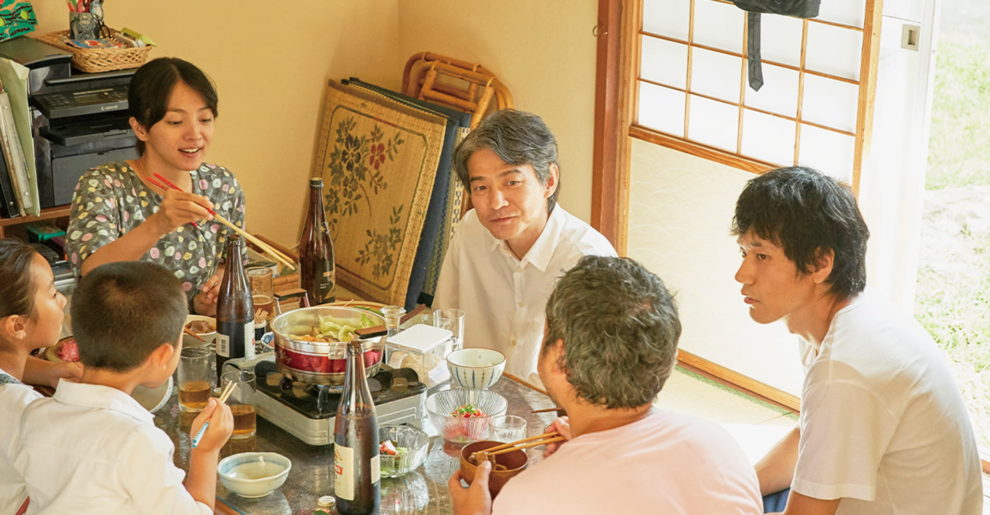
Riverside Mukolitta is the story of an unlikely bond between a young man who just lost his father and a group of strangers he encounters along the way who end up helping him in the end.

If you get tired of all the intense dramas during the film festival, Riverside Mukolitta may be the drama-comedy that you’ll want to see. It touches on a touchy subject, but makes light of it.

A train arrives in the Hokuriku Region of Japan. A young man arrives into town. His name is Takeshi Yamada and it’s unclear why he’d be coming to a fishing village. Over time, he finds a job at a fishing plant where he cuts freshly-caught seafood for a processed dinner. The boss doesn’t expect him to last long; most people only last two days. Through the boss, he is given a place to live in an old run-down village nearby where he works called Mukolitta Heights. It’s a quiet run-down place full of people one normally wouldn’t hang around. Takeshi is comfortable being there, but he’s disinterested in making new friends.

Soon one of his neighbors, Kozo, meets him and wants to use his bath. The heat does not work where he lives. Takeshi doesn’t want to, but he reluctantly gives in. To thank him, Kozo gives him fresh vegetables from his own garden. This is very helpful as Takeshi is down to his last yen. Soon he learns of his other neighbors. One is a door-to-door headstone salesman who sells with his young son, and hardly gets a customer. Another is Shiori, the landlady, who lost her husband years ago and still mourns his death. Takeshi finds her a calming presence. Takeshi also learns from Kozo of a monk who is not hired to do anything. So he does his own religious ceremonies himself.

Soon, Takeshi gets a reminder of his dark past. He learns that his father had died. Takeshi never knew his father as he left his mother when Takeshi was a small child. He learns from a city official in a town close by that his father was found dead in an apartment and the official asks him to claim the ashes. When Takeshi arrives at the city hall, the official is insisting Takeshi take the ashes and the cellphone his father was found with. Takeshi is reluctant but soon accepts. Returning back to the village, he doesn’t know what to do with the ashes of a man he never really knew. On top of it, he notices his father’s last phone calls were to a single number. He’s tempted to toss them anywhere, but Shiori stops him.

Over time, Takeshi continues with the squid job. The boss is surprised that he’s willing to stay with it longer than usual. One day, an earthquake happens. The earthquake causes the ashes to fall off the top of a bookcase. Takeshi is distraught. That becomes his first real emotion towards his father. Over time, the salesman’s son makes friends with the young daughter of the landlady. They find themselves making music over by the village’s pile of refuse. We learn that Shiori still has a bone of her deceased husband to maintain some type of connection and to keep from feeling complete loss. We learn Kozo himself has experienced loss of some magnitude. In addition, the salesman makes a sale, his first in six months, to a rich woman who wants a headstone for her dog.

Eventually Takeshi warms up to his neighbors and they all have one big dinner together. Soon Takeshi goes near the river where he crushes his father’s cremains to make a powdery ash. Shiori sees him and the two have a conversation. Additionally over time, Takeshi learns more about his father of the way he lived and the way he was found dead. He also discovers that the last number his father tried to call continuously is a suicide hotline. Takeshi eventually admits truths about himself. That he was abandoned by his mother when he was 16. That he eventually turned to a life of crime. That before he came to the village, he was in jail for a lengthy term. It’s after coming to terms with his past and the father he never knew that he can finally have the ash-scattering ceremony near the river with the monk leading and his neighbors being part of the march.

At the beginning of the film, the audience is told that a Mukolitta is a unit of time in Buddhism equal to 1/30 of a day: 48 minutes to be exact. The film features a lot of themes of Buddhism. There’s the monk who can’t be hired for anything, but is still prayerful, even if he is the only participant in any of his ceremonies. There’s the brief prayer Takeshi and the others have before eating their dinner. Outside of religion, the biggest theme of the film is about death and loss. People have their own way of dealing with the losses of loved ones. There’s Shiori who still has a bone from her husband and does something bizarre with it. There’s Kozo who also has a bizarre way of dealing with death. And there’s the headstone salesman who may try to make death lucrative for him and his son, but his value would be evident over time. It could be assumed the message of the film is the common Buddhist message that all lives and deaths matter. Even the most humble and those of the estranged. That was something Takeshi would eventually learn over time.

The film is not just about death and loss, but also coming to term with one’s own failings. The film just starts with Takeshi coming to a fishing village, but it’s not clear what the purpose is. Time would eventually tell that Takeshi moved to the village to escape his hard childhood and criminal past. The news of the death of his estranged father and the ashes he reluctantly accepts are possibly seen to him as ugly reminders of the past he wants to leave behind. It’s over time as Takeshi meets other misfit people like the neglected monk, Kozo the eccentric self-described “minimalist,” the headstone salesman, and the widowed landlady that Takeshi comes to terms with his own failings. He’s ready to see his late father as a failure of a person, but he learns over time that his father was another troubled person. Just like him. Takeshi may be a misfit but over time, he learns there’s nothing wrong with it.

The film does touch on a lot of dark themes like loss, abandonment and personal failure. However the film succeeds in doing it in a light manner. It manages to tug at one’s heart without trying to pull it. It also adds humor along the way without it being insensitive. Over time, the film that could have gone the direction of being dark turns out to be a light-hearted and even enjoyable film about loss and failure. Takeshi may see himself as a misfit and may have moved to escape his misfit label, but a village of misfits are successful in helping Takeshi come to term with himself as well as his late father. At the end, Takeshi had his own way of honoring his late father and does it with the help of the misfit neighbors he befriends along the way. The scattering ceremony at the end appears more to be a happy ending than a sad ending.

This is an excellent work from director Naoko Ogigami. Born in Japan, she studied at USC and did work in American productions for a few years before returning to Japan. Since her return, she has written or directed one short film, three television series’, and eight other feature-length films. Her most renowned film is 2017’s “Close-Knit” of a close-knit family coming to terms with one of their members outing themselves as transgender.

In this film, which is based on a novel she wrote, she touches on a subject that’s less controversial, but still causes discomfort to many. The subject of death is still something people are nervous about touching on or talking about. Even personal failures are something one would not want to talk about, especially since we live in a society that stresses success. She succeeds in taking a touchy topic and turning it into a parable about dealing with ones failures and coming to terms with family who left them behind in the past. Even though the Mukolitta is a religious element, the film is a good parable of the Buddhist belief of valuing all lives without stressing the religious aspect of it too much. The film also has excellent acting from Kenichi Matsuyama. He does a good job of portraying a young misguided man with a past he wants to keep secret from all he meets, but comes to term with it thanks to the help of his neighbors. Also excellent are the supporting roles of the actors playing the supportive neighbors. Hitari Mitsushima, Tsuyoshi Muro and Naoto Ogata were all good at playing their characters and owning their moments.

Riverside Mukolitta is a surprising film. It touches on life’s hurts, sorrows, and failures, but it adds comical elements to it. It’s a film that does all the right moves in telling its deep story in a humorous way.

And there you have it! This is the last of my reviews of films I saw during the 2022 Vancouver International Film Festival. Wrap-up blog coming soon!

VIFF 2021 Review: Spaghetti Code Love (スパゲティコード ラブ)

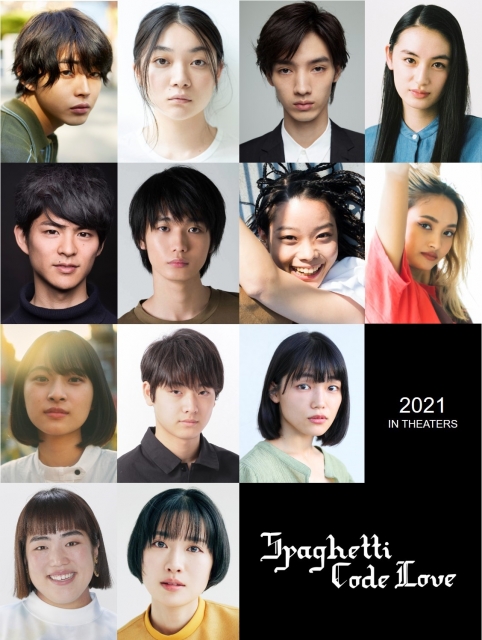
Thirteen different young people in Tokyo. Thirteen different dreams, desires and heartache make for the story of Spaghetti Code Love.

I’ve seen films that have involved multiple story lines strung together. The Japanese film Spaghetti Code Love is a film that takes the genre to new heights.

The story begins as a brief introduction of the thirteen characters just after a woman tends to a young boy screaming hysterically in a Tokyo arcade. We have a young couple hurting about life, a street singer who sings self-composed songs about down feelings, a photographer from another city who is looking for his big break, a model from a privileged family he’s about to photograph but has a prima donna attitude, a social media influencer he’s interested in who is coming to Tokyo to meet with him and pursue her dream of stardom, a call girl seeking her own success, a lonely man who lives daily in capsule apartments unsure of his ambitions, a delivery man on a bicycle hoping to achieve enough money to meet with his girlfriend, a housewife who wants to be the perfect wife to her husband even though she works part-time at a restaurant, a young woman in an apartment seeking post-breakup advice from an online fortune-teller and her next-suite neighbor who deals with her own breakup by eating jars of peanut butter. In the middle of it all is a high school student given a written assignment where he’s to plan out what to do with his life even up to his 60’s and 70’s.

All of them go after their goals or live life as they routinely do. The photographer sets up his set, but the model is disgusted with it and labels it ‘amateurish’ out loud. The boy fills in his assignment, but erases his writing when he gets a new idea. The delivery man has a target goal of 1000 total deliveries before quitting and reuniting. The couple decide on a suicide, but undecided how. The two young women continue on with their post-breakup habit, but never really meet. They just think whatever judgmental thought of the other. The housewife is thinking of quitting her waitress job at the restaurant to be with her husband after dealing with a rude customer. The call girl is heartbroken by the way she’s treated. The singer is affected by a laugh at a song from a passer-by.

Then all of a sudden, and simultaneously, something sudden happens to all 13 that causes them to say ‘shit!’ The deliveryman misses his target at his intended time at 999. The housewife doesn’t have the chicken ready for her dinner. The peanut-butter girl accidentally spills all her empty jars of peanut butter down the apartment stairs. The model finds out her outburst went viral on social media. The high school boy accidentally tears his sheet upon erasing a response. And the woman trying to settle the screaming boy can’t do it after such a long period of time.

Then all of them either come across something life-changing or heartbreaking during the night. The two apartment neighbors finally meet and talk. They learn about each other. The social media star finally meets with the photographer and has sex. He is disinterested in a relationship, but she makes him face the fact of the job he’s to do. However she can’t return back to her home city because returning after trying to make it big in Tokyo is regarded as failure. The housewife learns her ‘husband’ is actually a married man with a wife and children in another city and plan to move back this night. The suicidal couple contemplate jumping off a roof, but the girlfriend is undecided. The singer decides to quit as a musician. The model is confronted by her agency and is faced by an angry agent at a face-to-face meeting. The peanut butter girl is at a grocery store stocking up on more peanut butter, but changes her mind. The delivery man does achieve delivery 1000 after a long wait and he’s in tears after his accomplishment.

At the end of it all the next day, things change for all when they see a ray of hope. The two neighbors start up a friendship and drop their habits of online fortune telling and peanut butter eating. The woman who hoped to be a housewife tells her heartbreak to a cab driver and he responds in a caring way. The photographer decides he does love the social media star after all and they become a pair. The suicidal couple decide not to jump after all. The bratty model decides to quit and pursue her dream of interior design. The singer changes her mind about quitting and gets back to playing. The woman does succeed in stopping the screaming boy from screaming. The delivery boy finally quits and meets with his girlfriend. And the high school boy writes on his assignment in big letters ‘No Plan’ and heads back home on his skateboard.

For those that don’t know, the term ‘spaghetti code’ is based on a computer term for a source code that’s unstructured and difficult to maintain. You can say at the start this film is a spaghetti code. Up until I saw this film, the film with the most plots strung into one story that connects has to be 1999’s Magnolia. I remember it well. Many different stories, few times people intersect with each other, but they’re connected somehow. This is one of those complex stories. Thirteen characters in total! You will first feel confused at the beginning. You’ll wonder who’s the lead character? What’s this to be about? Will this story make sense? Over time the characters do connect despite few intersecting. We get the first sign of it right in the middle when all thirteen have a sudden incident where they all say ‘shit.’ Then we see them all as they go through something that hurts them or sets them back. Then in the end, many see a brighter road ahead or a resolution, while some get their comeuppance. You could rightfully say this film does the impossible!

The film shows thirteen individuals with hopes and dreams. Some are simple like being a good loving housewife or making enough money to be able to see his girlfriend. Some are dark, like the couple’s desire to commit suicide. And then there are some that are basic, like the two apartment neighbors who just simply long to just be happy again after their break-up. It shows how each of them with their dreams hit a sudden bad incident that causes friction in their ambition. It also shows how for many, things don’t turn out as they want it, or they all learn a hard lesson. Then it ends with either a radical decision they make or a ray of hope sending the message that it will all work out in the end. I believe that was the point of the story. To send the message that things may look difficult, but it’s not the end of it all. Things can and do work out.

The film isn’t just about being a young adult with dreams and ambitions and then things changing or falling apart. It’s also about how other people see others. There are scenes of some intersecting for a split second and thinking one thing about a person, but their mental words show another side of them. Like the singer who comes across as depressing, but it’s just her inspiration. Also the peanut butter girl thinking one thing about her neighbor at first, unaware of her own post-breakup bad habit. Even the bratty model who comes across as arrogant, but has this believe that achieving mammoth success is completely about looks and popularity, and it affects her self-esteem.

This story is also about it happening in the city of Tokyo. For many of the young adults, they came to Tokyo to pursue their dreams. For some of the young ones, Tokyo is where they’ve lived their daily life. Life in a big city like Tokyo is fast and tough and can be frustrating. However for a lot of them, Tokyo is seen as the place to make it. As one put it, once they arrive in Tokyo, they can’t head back home. If they arrive back to their home city after attempting to pursue their dreams in Tokyo, they are regarded as a failure. You can understand the pressures for a lot of them. I think that’s the overall message of the film. That just because your dreams don’t go as planned, it doesn’t mean total failure and it’s all over.

This film is an accomplishment not just for the genre of multi-plot stories, but also for director Takeshi Maruyama. Maruyama’s previous accomplishments include music videos, commercials and documentaries. This is his first feature-length film and he does it as if he’s very well-experienced in film directing. The film is also an accomplishment for scriptwriter Naomi Hiruta. Hiruta is well-experienced in writing for a TV mini-series, a teleplay, and two other feature-length films. She creates a complex screenplay and successfully makes it work from start to finish. You think when you first see the beginning it won’t work out, but it does in the end! Excellent work from the many actors involved in this film. Even long after the film is over, you will be left questioning who is the main protagonist in the film? Or is there even one? I’ve decided the main protagonist to be the high school boy. He has an assignment where he has to plan his life while the others that are either young adults or teens close to the adult ages showcase their dreams and plans. I just have a sense he’s the one whom they all revolve around.

Spaghetti Code Love is not just a film with multiple plots revolving around characters. It’s a film that will will surprise you not just of the multiple stories in the film, but how they’re successfully strung together and with a message that unites all the plots. It’s an achievement of a film and entertaining to watch at the same time.

VIFF 2021 Review: Drive My Car (ドライブ マイ カー)

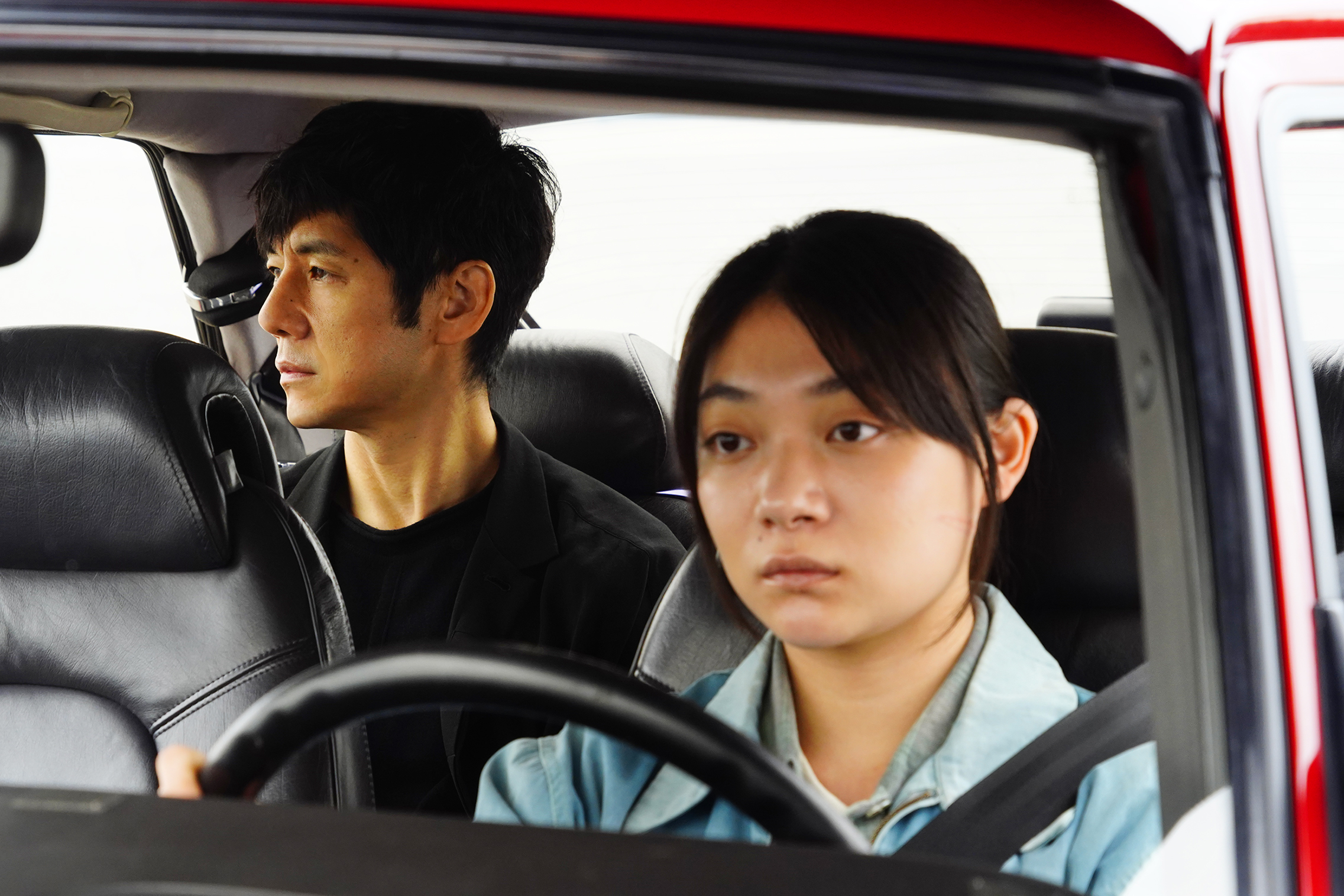
A young Hiroshima chauffeur (played by Toko Miura) and the director she drives around (played by Hidetoshi Nishijimi) form an unexpected bond in the Japanese film Drive My Car.

Drive My Car is one of two Japanese films I saw at the VIFF on Saturday the 9th. It’s a film that turns out to be more than what one expect of it.

The film begins with Yusuke Kafuku and his wife Oto. They appear happily married at the start. Oto is a housewife while Yusuke is a stage actor, and doing very well. Oto frequently gives Yusuke story ideas which he could one day adapt and direct, even while they both have sex! They were parents to a daughter, who died at a young age 20 years earlier. They still hold a religious memorial for her on the anniversary of her death. He has just finished doing a play with rising young Japanese actor Koji Takatsuki. Soon after, he is given an assignment to do a directing job in Russia. Just before he is to board the plane at Narita, he’s told of a one-day delay. He goes back to his house, only to find Koji having sex with Oto, which they don’t notice. Days later, Yusuke has a car accident and learns of glaucoma in his right eye. Yusuke tries to recover, but soon, Oto dies of a hemorrhage.

Yusuke needed two years to recover from this all. It started affecting his work as he had trouble dealing with his first role after her death: the role of Vanya in Uncle Vanya. His first project is to co-direct a multilingual adaptation of Uncle Vanya with a Korean director names Lee Yoon-a. It is to be staged in Hiroshima during a theatre festival. One thing is that Yusuke meets a young woman named Misaki. She is to be his driver from hotel to theatre. Yusuke doesn’t like the idea of a driver. He wants to do his own driving. However festival insurance rules means having a driver for the directors is a must. One of their directors from years past died in a car accident during production. That’s why directors for this company have drivers. Yusuke reluctantly agrees to allow her to drive his Saab.

The drives to and from the theatre start without conversation. Misaki simply drives Yusuke to the theatre. Some friction starts when Yusuke wants to use the car’s tape player to recite his lines: something he commonly does as he rehearses shows. It starts with friction, but she complies. Yusuke and co-director Lee start the auditions for the play. They audition many actors from various parts of Asia and other countries. The languages vary from Japanese to Korean, Taiwanese and even Korean sign-language. One of those auditioning is Koji. Koji switch from television to theatre after his career was one tabloid scandal after another. You can tell Yusuke has feelings of contempt for him. Yusuke declines to be an actor himself in the production because of how emotional Chekhov’s works are too emotionally draining.

The film starts read-through rehearsals. Most are Japanese-speaking, but there’s also Korean-speaking, a Taiwanese-speaking American and the woman who does Korean sign-language. Koji has also been cast in the play. Both Yusuke and Lee go through the rehearsals. The friction is no bigger than your typical friction on a theatre set. Misaki continues to drive Yusuke and the two start to develop conversation. Misaki is a chain-smoker and just briefly tells Yusuke of the death of her mother in a landslide disaster.

As the play starts progressing to the physical rehearsals, where an LED screen above flashes the dialogue in many languages to the audience, the play gets its common friction. If there are any hostile feelings between Yusuke and Koji, Yusuke keeps it to himself. He has to get along with Koji as they are producing. One night, the director Lee invites Yusuke to dinner at his house. Misaki is also invited. Lee meets the wife, who is the actress who is performing in sign-language. It’s a happy marriage.

One night Yusuke and Misaki go into the town for drinks. They come across Koji. Koji is at the bars hoping to get away from it all. However people trying to get his photo annoys him even to the point he gets violent with one. Since Koji is too drunk to drive, he gets a ride with Yusuke from Misaki. During the time, Koji confesses his affair with Oto. He tries to give Yusuke words of comfort of what a wonderful woman Oto was. He even tries to suggest that it was through Oto they meet by fate here.

Just a week before the show is about to start, it was learned that Koji is under investigation for committing manslaughter from that night at the bars. The play continues rehearsals despite the temporary detainment of Koji. After the rehearsal, Yusuke allows Misaki to go to the area where the landslide that took her mother happened. They go to the area. Misaki starts letting out her feelings and breaks into tears. There, Yusuke also confesses his failings to Oto after the death of their daughter. He too is in tears and they embrace together. Uncle Vanya is then staged with Misaki watching from the audience. She watches the ending scene with intensity where the actress playing Sonya signs about the need to stoically carry on living in the face of crushing disappointment. The film ends in a questionable way.

This is a rare story. This is a case of a director of theatre being escorted by a young driver who’s the same age his late daughter would be. We don’t notice it at first, but both are hurting inside and both need healing. Over time, they are mostly silent. Then over time, they strike up an unlikely friendship that eventually takes them to where they grieve together. One is first tempted to think around the middle of the film, Yusuke would soon be romantically interested in Misaki, but that’s for you to judge for yourself.

It’s not just about Yusuke and Misaki. It’s also about Yusuke trying to make peace with himself as the husband who failed. Maybe he blames himself for Oto’s premature death. It’s also about making peace with Koji, Oto’s ‘other man.’ In a lot of ways, it’s about Yusuke criss-crossing with a lot of people as he’s on his journey to heal and make peace. He’s a man trying to heal from his failed marriage and his driver is trying to heal from her mother’s death which she blames himself for. Yusuke is a television actor who quit television for theatre after his daughter’s death. Koji, the ‘other man,’ quit television for theatre with the scandals of his behavior plaguing his life. Yet they find themselves working together in the film. It could be a case where the fates are a case where Oto brought them there to forgive each other, as Koji suggested.

The mixing in of the story of Uncle Vanya being done in multilingual fashion adds into the story. I think that’s the point of the story. I believe it’s to show how art is universal in its feelings and connections. Art transcends language barriers to deliver the feelings of love and hurt we all share. Even the detail of the play that’s being staged in Hiroshima has a bearing of importance in this story.

This is a smart film about a director who is trying to make peace over the sudden death of his adulterous wife. The inclusion of a ‘chauffeur’ who herself hasn’t fully come to terms with her mother’s death in a disaster and the young actor in his play who was one of his wife’s ‘other men’ adds to the story of the healing process for both the director and the driver. One glitch about the film is that it goes for a long period of time. Possibly too long. Even at the start, forty minutes of story go by before the opening credits roll. The story in itself is almost three hours long. It’s a very good story that deals with universal human emotions intertwined with art, but it is drawn out for too long of a period of time. You’re left wondering if all that time was really worth it.

This is a very good film for director/writer Ryusuke Hamaguchi. He’s had renown before for his filmmaking like Wheel Of Fortune and Fantasy and Happy Hour. Here he creates a smart film of three people that need healing and how it’s through the power of art that they are able to make it happen and be given the will to live despite all that’s happened. There are some noticeable mistakes like the length of the film and the ending that gets you wondering, but it’s still a good film to watch. Hidetoshi Nishijima does a great performance as Yusuke being a man that needs healing, but doesn’t show it on the outside. Toko Miura is also very good as Misake. Just like Nishijima as Yusuke, she does a good job of playing a character with hurts she tries to keep hidden until it all comes out that moment together. Masaki Okada is also very good as the troubled Koji. You can tell despite the ego on the outside, he has some personal feelings underneath.

This film has already won an excellent amount of awards. The film won the Best Screenplay Award and the FIPRESCI Prize at the Cannes Film Festival and was a nominee for the Palme d’Or. The film was also a nominee for the Best Feature Award at the Chicago Film Festival and a nominee for the Audience Award at the San Sebastian Film Festival. The film was recently selected as Japan’s entry in the category of Best International Feature Film for this year’s Oscar race.

Drive My Car is a film of two individuals who meet by fate, but help each other heal. It does a good job of mixing the story line with the art of theatre and the mixing of languages, but it’s too long of a film. A good story, but too elongated nevertheless.