VIFF 2025 Review: Bidad (بیداد)

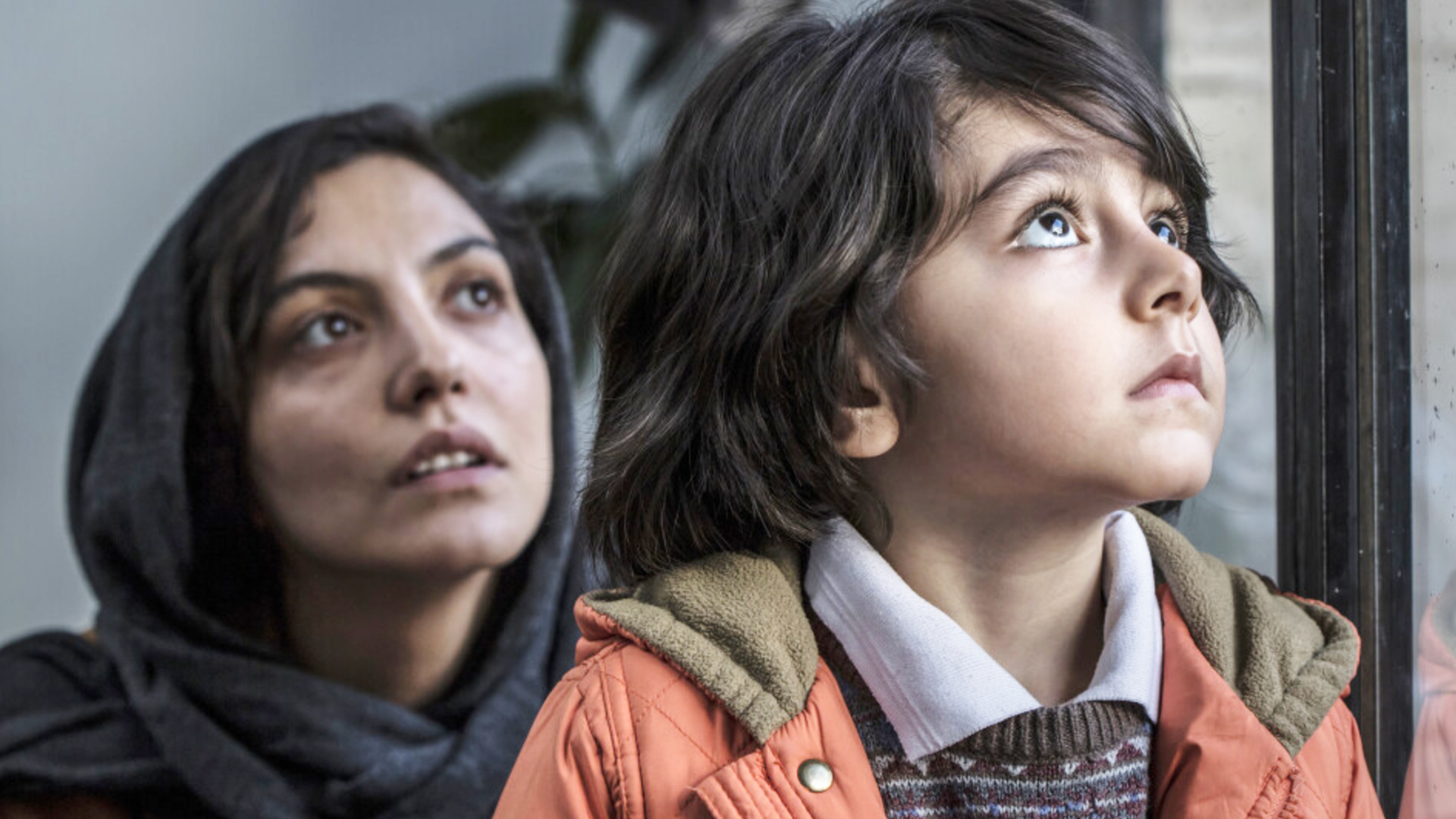
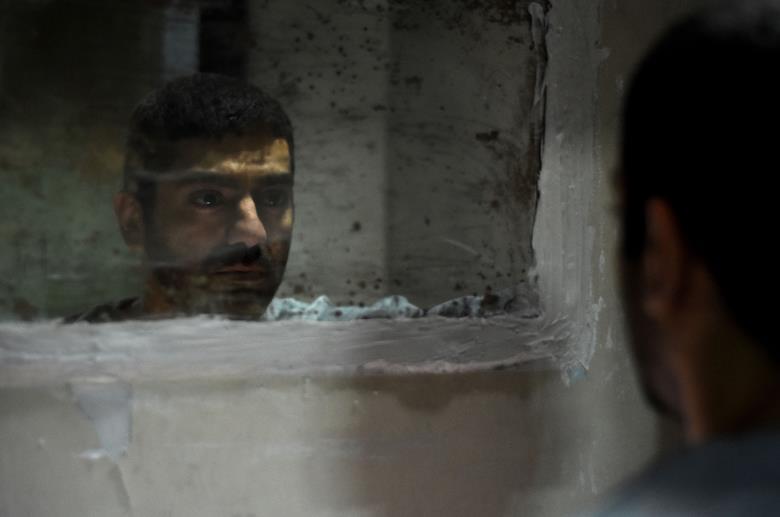
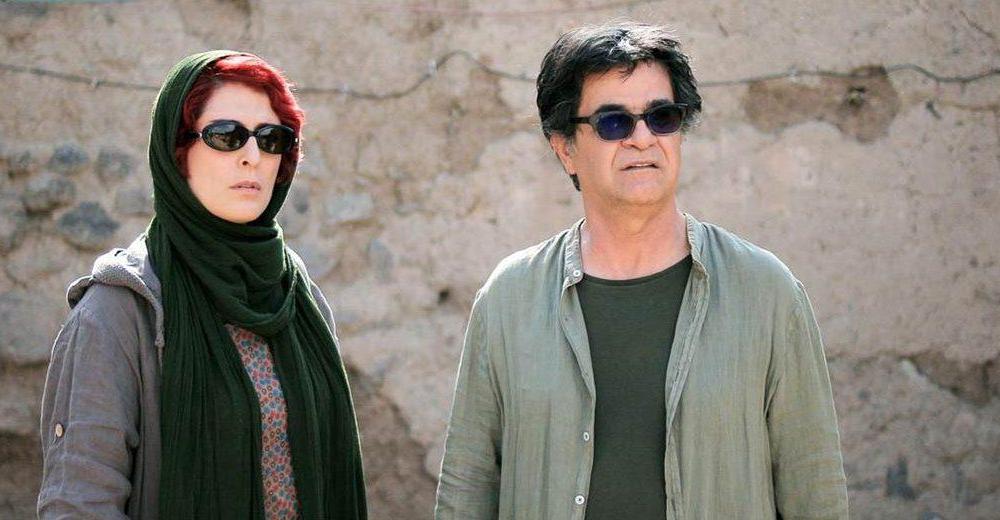
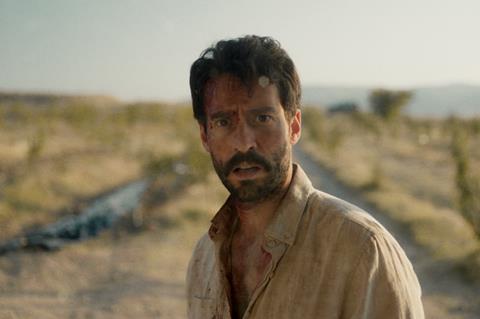
An Iranian singer named Seti (left, played by Sarvin Zabetian) is threatened by the law and only has a random man she met (right, played by Amir Jadidi) supporting her in Bidad.

At this year’s Festival, you will see a lot of films that deal with the harsh realities of the filmmaker’s home nation. Bidad is a film that deals with the issue of simple human rights.

Seti is a young Iranian woman who dreams of a singing career. In Iran, only men can be lead singers and female singers are relegated to the background. Seti did sing at a park sing-along but was stopped by the Guidance Patrols, or ‘morality police’ of Iran. Since she can’t perform on a public stage, the most she can do is post videos of her singing on social media. Seti also has a major problem in her life. Her mother Homeyra, whom she lives with, is an alcoholic who can’t seem to recover from her addiction. To make matters worse, Homeyra often has an alcohol-fueled explosive temper. Seti often stumbles into her with a bottle in her hand, and it infuriates her.

Seti is a bit of a rebel. She dares to walk the streets of Tehran without a veil or a hijab, despite the chance of the Guidance Patrols arresting her even for that. She even cuts her hair in anger. One day after rehearsing with others in her underground college, she comes across a man who hoots at her from her car. At first, she thinks it’s just another young jerk male. She reluctantly decides to spend the night at his place. She learns this man named Bebin is a lot more. He has shown a liking to Seti and her music. Overnight she learns more about Bebin and he’s a man who really cares about her. Bebin also has a secret of his own. He has a bottle of specialty alcohol that he has to keep hidden from the Guidance Patrols. He gives her a drink and he talks about hope of seeking refuge in another country.

Seti has a public performance set up for her at a club. The advertising had to be kept to a minimum for the sake of Seti’s safety. Homeyra is scared to see her there but Bebin will see her perform. Before she is even able to perform, the Guidance Patrols bust the place up. They boot everyone out of the club. Infuriated, Seti attacks the Patrol and runs off with Bebin helping her escape. The Patrols did track her identity down and later arrest her at home. She is taken into custody for a week’s period of time. The cell she’s kept in feels like a prison. The inspections she is forced to endure from both male and female patrols are humiliating. She is released on bail awaiting trial.

After her release, she returns home. Homeyra tries to show Seti that she has stopped drinking for nine days. Seti learns some unhappy news. Her social media account is restricted and Homeyra posted a message that Seti will never perform or post videos again. Seti is infuriated and lets out her anger to Homeyra. She leaves for the streets and soon learns the club she performed at is closed off by a concrete barrier. Soon, she learns of an underground public music rally. Many other women will be performing. On her way, she’s fortunate to bump into Bebin again.

Seti and Bebin find a group of ‘underground’ performers. It looks ideal for Seti to sing as many women are singing and are without veils. Just as Seti finds a female guitarist to sing along with, the Guidance Patrols bust the location up and are ready to make arrests. Bidad knows if Seti is caught, she would be arrested and could be executed. Bidad is willing to take her to safety, but Seti insists on singing with the guitarist. The ending doesn’t give full details of the aftermath but the images during the credits are telling.

Seti’s story is a common story for many women in Iran. Men have more freedoms and the women are frequently targets of the Guidance Patrols if they don’t obey. It’s been that way since 1978 when the Islamic Revolution happened in Iran. Even seeing how there are a lot of women that are part of the Guidance Patrols speaks a message how there are many women in Iran who agree with this restrictiveness. Seti is a woman of rebellion. Her only weapon is her singing voice, but the powers that be in Iran consider it a threat. No veil and a woman singing in public. You can understand the reason for rebellion with the Iranian women revolting in 2022. In fact, the word Bidad is Farsi for ‘outcry.’ You can see that this film is also outcry about this problem. That scene where Seti cuts her hair will remind you of how Iranian women cut their hair during the revolt that year.

It should also be reminded it’s not just women doing what women are not allowed to do that are under scrutiny from the Guidance Patrols. Drinking alcohol is a crime for any Iranian. That explains why Bebin has a hidden bottle of whiskey and that’s why Homeyra can’t get proper treatment for alcoholism. Because she’ll be arrested.

The film isn’t just a reminder of what women in countries like Iran are going through. The film is about Seti herself. Seti loves to sing. It’s her expression. She does not understand why only men get the lead and only men can perform in public. It’s because of her passion for singing that she dares to perform in the club and dares to attack the Guidance Patrol when she’s about to be arrested. It’s because she’s furious with her mother when she learns she posted a fake video that she’ll never sing again. How dare she say a lie like that on social media about her passion. You can understand why Seti dared to perform at that underground performance. She won’t even let the threat of death stop her from doing what she loves.

This film is a great work from Iranian director Soheil Beiraghi. Iranian women and their fight for their rights and autonomy are a common theme in his films like 2016’s I (Me), 2018’s Cold Sweat (Permission), and 2020’s Popular. This fourth feature he directed and wrote is another story of Iranian women and their struggle. This is something how Iran and their Guidance Patrols consider something as simple as a woman singing in public is seen as a threat to order. He has a statement to make and he does an excellent job of making it as a dramatic story rather than something preachy. It’s tricky to do something like that but he succeeds very well. This film was a nominee for the Best Film award at the Karlovy Vary Film Festival and won the Crystal Globe at that Festival for Special Mention.

The performance of Sarvin Zabetian is excellent. She not only delivers a good performance but she makes Seti and her dream of public singing a relatable story. One can’t help but feel a connection to her dream and disgust to why she’s forbidden, and she succeeds in making us feel that way. Leili Rashidi is another actor who delivers a great performance. Her performance of Homeyra is one where you don’t know whether to despise her or feel sympathy for her. I know Seti makes it appear living with her is like a prison of its own but sometimes, you sense Homeyra is also a prisoner of her own situation. Amir Jedidi delivers a great character in his role of Bebin. He makes Bebin to be a likeable person, especially as he’s the one person Seti feels completely secure around, but I feel his role could have been developed more.

Bidad is both a tragedy and a story of hope. You can see an incident like this happening in Iran. You can also sense the film telling you despite these dark times, there is hope for the future of women in Iran.

VIFF 2025 Review: The Things You Kill (Öldürdüğün Şeyler)

Ekin Koc plays a son whose dark family secrets are unraveled after his mother’s death in The Things You Kill.

For the 2025 Oscar race, Canada’s official entry for the category of Best International Feature Film is a Turkish-language film: The Things You Kill. The film is both a psychological drama and a supernatural story.

Ali appears to live a somewhat stable life in Turkey with problems no worse than anyone else. He returned to teach English in Turkey after spending fourteen years in the United States as a literature professor. His wife Hazar wants to start a family but he learns of a low sperm count he tries to keep hidden. He lives in a well-to-do house and has a garden miles away he wants to make active again. He hires a new gardener named Reza to help. He notices his mother’s house is in need of great repair. Repairs the father neglects to carry out.

Then one day, the mother dies. After the funeral, the father Hamit puts all the blame on Ali for spending all those years in the United States. More bad news in Ali’s case comes as he’s told they can’t afford to have his program taught at the University. To add to it, he never told his wife about the low sperm count result. Soon his sister privately tells him a dark secret. The mother had head injuries at the time of her death and Hamit was seen with a bandaged arm. Ali suspects the worst. He tries to get an official account of her death, but it will take days.

Ali soon develops a mentality of rage. First he hires Reza to help dig a hole in an unknown place in the Turkish valley. Both men help in leading Hamit there and killing him. After the incident, Ali soon enslaves Reza and keeps him at the garden where he treats him like a dog, even leashing him with a chain. Ali also tries to keep all the secrets of what he conducted away from his sisters and Hazar as a nationwide search is conducted. Hazar is suspecting the marriage is falling apart. Hamit’s mother, Ali’s grandmother, is hugely concerned. Ali also receives a rude surprise as one of the people heavily concerned with Hamit missing is his mistress. To which, Ali responds with nasty insults to her.

One day, Ali returns to the burial site of his father only to find it all dug up. He goes back to the garden hoping to check up on Reza, only to get a surprise retaliation from him. Now Reza is filling in the places of Ali’s life Ali used to have, including that of teacher. It’s in a flashback to an interview with the Turkish college that we learn of the biggest reason why Ali chose to teach in the United States because of the abuse he and his family suffered at the hands of his father. The film ends just as Reza has it good for him, and he receives a shocking surprise at his door one night.

This film makes for a compelling drama. The incidents that take place over time will get one questioning of what really happened. Did his mother die at the hands of Hamit? The film also makes you question Ali. He is angered over the death of his mother and believes it’s his father’s fault, but he now turns into a person who is hungry for blood. He kills his father with Reza and then enslaves Reza like a dog. You’re left to wonder what’s with Ali? Is something supernatural taking over him?

The film does succeed in being a drama, but the film succeeds better as a puzzle pieced together over time. Throughout the film, there’s what we know and what we don’t know. This is something that will take time as the story will unravel facts hidden from us. It’s as it nears the end that we learn of what was hidden from us the whole time. Even though many questions are unanswered, you could see why Ali suspects this from Hamit. At the same time, this film does become a supernatural story as Reza acts like a dog as Ali treats him like a dog. It’s after Reza gets revenge on Ali that he acts human again. Even the ending of what Reza faces is supernatural. I just wonder if genres are trying to be mixed in the film.

This is a great film from Iranian-Canadian director/writer Alireza Khatami. His latest feature film, he creates a drama that will connect with you and keep you intrigued with what’s happening. The story may puzzle you, but he connects things all together at the very end. It’s a great work form him. Ekin Koc does a great job in his role of Ali. Going from the troubled son in the family to the one committing sinister acts is a big change of character and he does it well. Although Ali is the lead role, there are also great supporting performances. Hazar Erguclu is great as the wife Hazar. She is the one who’s able to maintain some control over Ali as he’s going out of control. Erkan Kostendil is also great as Reza. To go from human to animal-like back to a human character and make it look believable is no easy feat. Erkan does a great job of it.

The film’s accolades not only include the Oscar entry, but was also nominated for seven awards at the Istanbul Film Festival, nominated for Best Film at the SXSW London Film Festival and won a Sundance award for directing for Khatami in the World Cinema – Director category.

The Things You Kill is more than just Oscar bait. It’s a story that gets you thinking. It gets you trying to make sense of the story after you leave the theatre long after.

Oscars 2024 Short Films Review: Animation

Normally each year when they show the reel of the nominated films for Best Animated Short Film, there’s normally enough time in the reel to include one or two films that made the shortlist. This year’s crop of nominees are so long, their combined time length is enough to make for the whole reel! Makes sense. Each film does tell an awful lot in their time. It may be humorous or it may be serious. They all do a great job. Here’s my look at this year’s nominees for Best Animated Short Film:

Beautiful Men (dir. Nicolas Keppens) – Three brothers from Belgium are in a trip to Turkey where all go to get hair transplant operations. One brother Steven finds out at the office only one operation is booked as he forgot to book for all three. He doesn’t know how to tell his other brothers. As time passes, Steven’s insecurities are present and Bart is concerned about a lump in his testicles. The secret does unfold as Steven admits to brother Koen that he only booked one appointment and offers him to be the one since he has lost the most hair. Bart hears it from a sauna and angrily demands that he be the one. A stroke of misfortune, a hotel fire the night before the operation, ends up being the good luck they needed as two men in the hotel that were hospitalized for burns were to have the surgery and leaves open two spots for the other two brothers to take.

This stop-motion animated film deals with the dark them of male insecurities as the three brothers getting the operations are also approaching middle-age. It’s mid-life crisis mixed with the feeling of trying to live up to a masculine standard that set the theme for the story of the brothers and the wait for the surgery. It is true that women face more social pressure, but men aren’t immune either. This is a surprising deep story as the images tell a lot of the moods of depression and tension. That’s why I pick this film as the Most Likely Upsetter for the Oscar.

In The Shadow Of The Cypress (dirs. Shirin Sohani and Hossein Molayemi) – In Iran, a father who is going through PTSD decides to leave the house in a rage. His teenage daughter confronts him, but he hits her. They are unable to reconcile until they notice a whale has beached up and someone has to lead it back to the sea. Each effort they try fails. As the father returns to use his old dilapidated ship, images bring back the painful memories. It reminds him of the night of the storm and the bombing of the ship by the enemy air force that night that killed his wife. It’s then that the father attempts to use his ship to get the whale back to the ocean. It’s in the end result that the two are able to reconcile.

Of the three stories, this is the one with the saddest subject matter. Nevertheless this is a very good story. It uses colors and images to tell a story of heartbreak, of loss and eventual healing. With no dailogue, it sends a message anyone can understand and it tells it well of feelings of failure, hurt and anger. The father’s worst enemy is himself and in the end, it is the daughter and that whale who are the ones who can heal him and make amends.

Magic Candies (dir. Daisuke Nishio) – A lonely boy named Dong Dong goes to a store to get candies. what he gets are some odd-shaped candies the seller calls ‘magic candies.’ The boy first shrugs it off but as he eats the first at home, he notices the couch speaking to him and telling him things. The couch stops talking as the candy melts away. The second candy has his dog talking to him, who stopped playing with Dong Dong as he grew over the years, but still loves him. The third candy gets Dong Dong’s strict father to pay attention to him and get him to understand him better, especially since his mother’s passing. The fourth piece is bubblegum as it helps Dong Dong communicate with his late grandmother and she reassures him she’s happy in the afterlife. The fifth piece allows Ding Dong to communicate with the fallen leaves on the street. The last piece is flavorless and allows him to make a new friend.

This is another charming stop-motion story. There are three stop-motion films nominated in this category this year. This is a charming story of a child whose odd-looking candies are just what he needs to help overcome his shyness and loneliness. By looking at the shapes of the candies, it’s a clue that they’re out to help resolve issues and help Dong Dong overcome his difficulties. It’s a nice story as it is fun to watch. It has a nice mix of comedy and drama. It’s both humorous and touching at the same time.

Wander To Wonder (dir. Nina Gantz) – The story begins with the opening of a 1980’s children’s show called Wander To Wonder which is hosted by creator Uncle Gilly and consists of tiny characters named Mary, Billybud and Fumbleton. Fast forward to the present and we see that Uncle Gilly has died suddenly in his home. The three characters struggle to survive and seek a new normalcy. Mary wants to think the show is still happening and carries on as if she thinks it is, Fumbleton uses his spare time reciting Shakespeare monologues and Billybud plays around with the props. Within time, they run out of food and don’t know what to do, then a fire happens and burns everything, then a potential bird attack. It’s after Fumbleton saves them that they decide to venture out to a life outside the former home.

The third of the three stop-motion films nominated, this is a funny charming story. It’s a story that will surprise you on how something like this can get dark and serious with the creator dead and the little ones trying to save their lives. It makes for an unexpected story and an unexpected drama but in the end, it lead to a happy ending, but not without a disturbing climax. It’s funny and poignant too. This film won the BAFTA for the best British animated short film and the Annie award in the short film category. That’s why I make it my WILL WIN pick.

Yuck! (dir. Loic Espuche) – It’s summertime in France. Leo is out camping with his two siblings and good friend Lucie. They go spying in on all the people at the campground and as they watch any two kiss, they are all disgusted. You can tell by the desire to kiss as their lips glow. They go from place to place seeing the kissing, or attempts to kiss, and they’re disgusted by it all, but Leo takes a fascination with it. One day, he and his friend Lucie are all alone. It’s evident Leo and Lucie have feelings for each other and want to kiss. They go to a place where they hope to be alone. As they’re about to kiss, two friends barge in. They’re disgusted. They start taunting Leo and Lucie. Even calling Leo a pervert. However one night, it’s clear that Leo and Lucie don’t have to let it bother them and…

This is a cute two-dimensional story that will bring anyone back to the days of childhood innocence. We’ve all had that situation of a child’s first feelings of love. We also remember how we were disgusted with kissing when we were kids. This story captures that essence and makes us laugh at those days again. Also, the use of the color pink to symbolize feelings of love, especially in the lips, and the musical score of the film both add to the charm of the story. I can’t help but call it a guilt-free guilty pleasure. That’s why I give this film my Should Win pick.

And there you have it. That’s my look at the five films nominated in the Best Animated Short Film category. Interesting how none of the nominated films for this year are in the 3D computer animation format. Must be the first year in a long time. Better luck next year.

VIFF 2024 Shorts Segment Review: Forum 3

Once again, I achieved a VIFF goal when I attended Short Forum 3. This forum of eight shorts is more international and has a wide variety of styles and subject matter.

Jane’s In The Freezer (USA – dir: Caleb Joye): It’s a quiet day at the pier at the lake in Detroit. A woman who’s just gazing tried to develop conversation. Her name is Jane. The conversation doesn’t last long. She goes to the mall. At one store, she pretends she’s a worker and helps to assist with a customer’s purchases. While at the liquor store, she sees a man she claims is her son and tries to ide herself from him. After he’s gone, she sets up a dating profile on a website and goes to a nearby bar where she hopes to meet someone new. All the young men ignore her or reject her passes.

The main theme of this short film is about loneliness. It’s a common topic nowadays as it seems that it’s at an all-time high thanks to modern technology. In this story, we have a middle-aged woman trying to connect with someone. Anyone. No matter where she goes, she’s either ignored or shunned. She looks for constant opportunities to make some new friends or a new love time and time again and looks like she won’t stop. She also appears like she’s either trying to either hide or recover from a past where she estranged herself from her son. The film succeeds in getting the viewer to feel sorry for her and also wonder what her past was.

My Dog Is Dead (Japan – dirs: Tasuku Matsunaga and Takehiro Senda): Riko is a young woman in the big city of Tokyo who lives with her boyfriend Yoshiki. Just recently, she received a phone call from her mother that her dog Koppe died. She has to return back to her town. Yoshiki agrees to take her there but views the trip as tedious. She’s quiet but he treats it like a road trip and they frequently squabble over the choice of radio station. At the private memorial service with Riko, her mother and Yoshiki, Riko is in tears but Yoshiki gives her an odd look.

The film is as much about the boyfriend in the relationship as it is about the trip home. Things appear normal in the relationship but that appears to change after Koppe’s death. Riko wants to mourn Koppe one last time but it appears Yoshiki thinks it’s odd. Even that change of radio stations sends a message that maybe he’s not the right boyfriend for her and has an immature side about him. It’s a story that says as much from the images as it does from the dialogue.

Shoes And Hooves (Hungary – dir: Viktoria Traub): An animated story, pedicurist Paula has been in search for love but has always felt inferior because her upper body is human and her lower body is horse-like. She lives in a world full of full-humans, full-animals and those like her who are half-and-half. One day, she meets an alligator man named Arnold. On the first date, there’s a sense of chemistry between the two, mostly from Arnold, but Paula senses the relationship is doomed.

This is a unique story about self-image and self-acceptance. Paula needs to deal with her insecurities and her desires. With it being an animated film, it tells its story in an array of creative story telling mixed with unique imagery and metamorphosis that only animation can do. It’s as good of a creative story with a message as it is dazzling to watch for the visuals.

Nemo 1 (Canada – dir: Alberic Aurteneche): The only documentary of the eight films here. The film is shot around the Chittagong Ship Breaking Yards in Chittagong, Bangladesh along the Bay Of Bengal where ‘dead ships’ are scrapped for recycling metal. The film gives a good look as the Nemo 1 ship is the latest ship being scrapped from the various areas being broken to how high above the waters or ground they have to work. Then words from a Bangladeshi writer are shown as images of other older scrapped ships are shown. The film ends with ugly details of this yard.

There is no dialogue or spoken word here as far as the images of the ships. Only the spoken word parts are spoken. This documentary is about the images we see and the accompanying music. We see something so big and something we don’t know if we should find disturbing or not. The inclusion of the spoken word is a philosophical message of what happens if we do wrong. Unfortunately, wrong is happening as the work is deadly and the year cuts safety corners. This documentary has a lot to say and says it in its style.

Tayal Forest Club (Taiwan – dir: Laha Mebow): In a small Taiwanese town, a teenaged tribal boy named Yukan buys a bottle of wine at the store. He goes with his best friend Watan on a nature trek to the forest and to offer the wine to his ancestors. It’s a good escape from Yukan’s drunken father. They leave the town but not after passing the town drunk. As they go in the forest, they have fun until they learn their wine offering is missing. Within hours, the two find themselves lost in the night. What will happen? Soon a spirit man comes who looks like the town drunkard. Soon they are safe.

This is a good story of two young Taiwanese tribal teens. It’s also a reminder to us of how it’s not just in Canada and the Americas where Indigenous people or tribal peoples face discrimination. It’s a worldwide problem. There you see two teen friends who are misfits just like the other tribal peoples in their town. As they go out in their trek in the wilderness, they learned they forgot their wine offering and end up lost, but they get a connection to the nature that other Taiwanese wouldn’t know. Their tribal connection helps lead them home.

-Chuff Chuff Chuff (dir: Chao Koi Wang): A man from Hong Kong appears to be on a train asleep as the train passes through forest land. He wakes up and sees his home being like it’s inside a train car. He thinks it’s just a dream but the Cantonese-speaking woman reminds him it’s not. What he sees on the TV screen of the view from a train car is really happening.

This is a surprisingly fast film (six minutes). At first you will wonder what this film is about. I’m sure you can’t get the full message after watching a six-minute film. You will need to think about it more after watching. It appears the film is about a case of the common barrier of dreaming and reality and of how it’s not as far apart in this world. The addition of the turtle in the living room floor adds to the concept of the two wanting what’s out of reach.

-Nietzschean Suicide (Iran – dir: Payam Kurdistani): It’s in the 1930’s. The pharmacist, who is expecting his wife to give birth soon, is one who works strictly by the book and won’t play games. When he learns the town midwife is coming to him for a death wish requesting cyanide, he refutes her pleas, declining her fake prescription. Soon his son is born and he’s being sued by a client for agreeing to something ‘Nietzschean.’ He’s now ready to grant the midwife her wish in a unique way.

This is a unique drama as it does capture the cold feelings of the time. The silence adds to the intensity of the situation of the midwife’s death wish and the pharmacist caught between waiting for his son to be born and what he feels is the right thing to do. It keeps the viewer interested in what will happen next and will he give in?

-Darker (USA – dir: Matazi Weathers): Los Angeles is in a dystopian time. A pandemic has taken over and caused people to return to their homes. There’s word of a prison riot that is spiraling out of control. The riot grows to fire and unrest on the streets. At the same time, black insurgents and trans hackers along with their allies promote an uprising.

This film doesn’t exactly have a beginning, middle or end. It looks more like it captures a moment of when all hell breaks loose. Not just any hell. A hell fueled by the anger of racism and other types of discrimination. Images of the riots of 2020 and news stories talking of 1992 give the sense this film is sending a message. If we don’t solve the problem of racism and other forms of discrimination, all hell will break loose again and it will be worse than ever.

And there you go! That’s my look at the eight films as part of VIFF’s Short Forum 3. There was only one Canadian film. There were four Asian films, two American and one European. Most were dramas. There was one documentary and one animated film. All eight films are unique in their own ways and all are very creative.

2022 Oscar Shorts Review: Animation and Live-Action

Did you think with this being an Oscar year I would miss my chance to see the films nominated in the short films categories? The chance was there and I took it again. All the films had a unique style about them and all appeared worthy of their nominations. So here I go. Here are my reviews for the nominated films in the Animation and Live-Action categories.

BEST ANIMATED SHORT FILM

The Boy, The Mole, The Fox And The Horse (dirs. Charles Mackesy and Matthew Freund) –

A boy is lost in the winter snows. A mole finds him. He hopes the mole will lead him home, a home he’s never had before, and wants to grow up to be kind. The two hope the river they find will lead them there, but they’re encountered by a fox. The fox wants to hunt them both down, but finds himself in a trap. The mole frees him and the fox runs away. The next day the mole falls into the river, but is saved by the fox. The fox joins the mole and the boy on the journey to the boy’s home. Along the journey, they encounter a white horse who is an outcast. The three welcome the horse along the journey. Soon they discover the horse has a special trait. He can fly like Pegasus! Soon they come to the village where the boy’s home is. The three animals say their good-byes, but the boy makes a surprising decision.

It seems like every year, there has to be at least one animated short from the UK that’s nominated. This is this year’s nomination. This is an adaptation o f a 2019 children’s book from Charlie Mackesy, who co-directs this short film. This is a 2D short that has been on Apple TV starting this Christmas. It has a quiet soft tone that’s more touching than sentimental. It makes the right moves and is able to be soft without getting too mushy or manipulative. This is one charmer that I give both my Should Win and Will Win pick.

The Flying Sailor (dirs. Wendy Tilby and Amanda Forbis) – It’s the morning of December 6, 1917 along the coast in Halifax. Two ships collide within each other with one catching on fire. A sailor thinks nothing of it and lights a cigarette. Only the burning ship soon explodes. The sailor goes flying naked in an out-of-body experience. His life flashes before his eyes from childhood to his life at sea as Halifax is engulfed by the blast. The blast sends him out of earth and even out of the galaxy. Then all of a sudden, he’s brought back down into the galaxy, then earth, then back into Halifax into a body of water. Miraculously he’s still alive. He even stares a shocked fish in the eyes.

As I was watching this, I asked myself “Is this about the Halifax Explosion?” Yes, it was. In fact the film makers dedicate the film to a sailor who flew 2 kilometers in the explosion and lived to tell! This film from the National Film Board of Canada is one of of two animated features from The New Yorker Screening Room to be nominated. It’s a clever story that doesn’t need any dialogue for us to get the message. It lets the images and the moments tell the story of a man who’s near a sudden death contemplate his existence. A fast film, but entertaining and even humorous from start to finish.

Ice Merchants (dirs. Joao Gonzalez and Bruno Caetano) – A widowed father and son run an ice selling business. The ice comes from a box they fill with water, let freeze overnight, and break up to sell the next day. They get their freezing temperature by being up on the very mountain they have their house upon. The house is thousands of feet above the ground hanging from ropes and requires a system of pulleys and ropes to get to. They have to skydive down together into the town to sell their wares. The flight always causes their hats to fall off. They use the money from sales to buy new hats. Then one day, the son notices the water in the box didn’t freeze. The temperature is above freezing. The high temperature of the snow is causing an avalanche and the house’s ropes are breaking. The parachute falls from the house. The father makes the decision to jump with his son. Fortunately a female skydiver finds the two in the air, grabs hold of them, and opens her parachute. The two survive, but in a surprising way!

This film from a Portuguese animation company is another film from The New Yorker Screening Room. It’s a good 2D film that is as much about its art as it is about telling its story. It uses only a few colors at a time for each of its scenes. It has the visuals and the music tell the story without having any dialogue. It also does a very good job in showing the drama of the climax. It also ends on a happy and humorous note that works well with the story.

My Year Of Dicks (dirs. Sara Gunnarsdottir and Pamela Ribon) – It’s 1991 in Houston and Pam seeks to lose her virginity as she is approaching womanhood. She, however, is undecided which boy she wants to lose her virginity with. She constantly trusts the opinions of her best friend Sam, who is male. The first boy she tries to lose it with is David, a skateboarder who thinks he’s a vampire. She’s attracted to his mystique, but soon learns what a jerk he is and of the little game he had with his guy friends. The second boy is Wally, who’s a theatre usher. They try to do it in a broom closet during work hours, but it doesn’t work out. Third boy is Robert, whom she finds as nice. She soon learns he’s gay and was interested in Sam. Pam tries a party hosted by her friend Karina. She meets a boy named Joey who appears to be orderly. The party comes to a sudden halt and Pam learns Joey is a Nazi! The story ends with a surprise that Pam learns what she was searching for was there all along.

It’s a story with both intrigue and humor. The rotoscope animation adds to the story and adds to the comedic elements of the story. Pam brings an intriguing story and Sara Gunnarsdottir does a great job of animating and directing it.

An Ostrich Told Me The World Is Fake And I Think I Believe It (dir. Lachlan Pendragon) – Neil is a telemarketer trying to sell toasters. His boss confronts him of his poor performance and threatens to fire him. As he continues working, he hallucinates and notices things missing from his cubicle. He wakes up and he sees an ostrich. The ostrich can speak and tells him this world is a ‘sham’ and advises him to get a better look at his surroundings. Neil soon finds his way out of the animation world and into a prop box full of his own mouths. The following day, Neil is shocked to see all the furniture removed. A co-worker named Gaven tells him it’s a corporate decision, but Neil rips his mouth off. The creator tries to intervene, but Neil falls off the set. With Neil’s body all broken up, the creator puts him back together and on the set. The next day, Neil is confronted by his boos, and quits.

This Australian short is an amusing stop-motion animated film. It goes from the animated story to the world of the production studio. It’s funny how the film knows it’s stop-motion and knows how to joke around about that fact. That adds to the humor of the story. It’s a funny film that goes from the animated story to the real world and back to the animated story. It seems odd at first, but it’s very likeable.

BEST LIVE-ACTION SHORT FILM

An Irish Goodbye (dirs. Tom Berkely and Ross White) – Two brothers from Belfast, Turlough and Lorcan, have lost their mother. The priest gives the sons the ashes and attempts to give them their mother’s ‘bucket list,’ but Turlough thinks its useless. Turlough, who works in London, wants to sell the farm and have Lorcan, who has Down’s Syndrome, live with his aunt. Lorcan wants nothing to do with it. Lorcan says he has the bucket list and still believes they can fulfill his mother’s wishes with her urn. The two agree to try all 100. However it’s the 99th, skydiving, that her urn smashes. Turlough soon finds out the truth about Lorcan’s bucket list the priest. That leads to even bigger friction, but a resolution does occur after they proceed with the 100th item.

This Irish short film is a well-acted film that’s mixes both tragedy and comedy with the intensity of family drama. It also deals with the issue of Down’s Syndrome in a humorous manner that doesn’t tread on being insulting or having mockery. It’s a story you anticipate to be sad, but instead turns out to be humorous, enjoyable, and even heart-warming. It’s worth seeing.

Ivalu (dirs. Anders Walter and Rebecca Pruzan) – It’s morning in Greenland. The Queen of Denmark is to visit. Pipaluk is looking for her older sister Ivalu. Her father, who acts like he doesn’t care, says she ran away. Pipaluk tries looking for Ivalu. She sees a raven and thinks Ivalu’s spirit is in the bird. As she continues the search, she remembers the conversations she had with Ivalu. It’s then she faces the facts of a lot of ugly secrets about Ivalu and how her father treated her. Pipaluk feels she has to confront the awful truth. In the end Pipaluk wears Ivalu’s dress for the Queen’s visit.

This is a story that touches on a taboo rarely discussed but is well-known among indigenous peoples. Child sexual abuse is also very common in the Inuit populations of Canada. Although this is touchy subject matter, it does a good job in adapting a short story into a watchable film. The film has visuals that are both mystic and disturbing. It’s a sad story that does come as life-affirming at the end. Its imagery is the film’s best quality.

Le Pupille (dirs. Alive Rohrwacher and Alfonso Cuaron) – The story revolves around a Roman Catholic boarding school in Italy during World War II. The central character of the story is a girl names Serafina. She’s an outcast at the school and the nuns are strict to all the girls, including Serafina. Mother Superior Fioralba is the strictest of them all. Christmas is fast approaching and the girls are to put on a Nativity play. The people in the town see the girls as darlings, but Fioralba always finds something to scold them about like singing a romantic song on the radio, which Fioralba describes as ‘filthy.’ She’s angry Serafina won’t admit to singing the lyrics and tells her what a bad girl she is. On Christmas, a rich socialite, who’s frustrated by her cheating boyfriend, gives the nuns a big red cake for the girls. Fiorabla thinks the cake is a bad thing as soldiers are starving. At the Christmas dinner, the girls are about to have dessert of the cake, but Fioralba tries to convince them not to have it. Serafina, shamed by her scolding, is able to get a slice. Fioralba hoped to use the cake for the Bishop’s visit. In the end a chimney sweep is given the cake which, thanks to him falling, is enough for everyone from the schoolgirls to his chimney sweep friends to the alley-way pets to have some of the cake.

It’s a charming story. I didn’t think Cuaron would be the type to do a short film for Disney. And in Italian. At first, you think with subject matter like this, it would be a dark story. Instead it turns out to be humorous and also turns out to be a good lesson in charity the girls and the chimney sweeps end up teaching a stern but dishonest nun like Fioralba. It’s also a story that shows how freeing yourself can even triumph over in a strict religious boarding school. And during World War II in Italy to boot! That’s why I give this film my Will Win pick.

Night Ride (dirs. Elrik Tveiten and Gaute Lid Larssen) – In a town in Norway, a woman with dwarfism named Ebba is waiting for a tram on a cold night. A tram arrives, but the driver is taking a half-hour’s break. Impatiently, Ebba sneaks her way on the tram as he’s in the washroom. She plays along with the buttons in conductor’s controls and is able to get the tram moving. The conductor leaves the washroom shocked to find the tram moving, but Ebba moves on wit the runaway tram. Two rude males board the train along with a woman named Ariel. One of the males hits on Ariel, only to learn she’s trans. The two males get confrontational with Ariel, even threatening, but Ebba stops the tram to face up the men to stop. Even as the men are rude to her about her height, she doesn’t back down. She then tells the men to lead the tram and Ebba and Ariel get off. It’s just Ebba and Ariel on the bus bench as they watch a police car chase the runaway tram. They both laugh together.

It’s very rare that a film can take the topic of transphobia and make a comical situation. Here we have a case of a woman with dwarfism who steals the train and the trans woman whom the woman prevents from being attacked. It’s almost as if the runaway tram was a miracle for Ariel as it prevented physical abuse from happening. Not to mention the eventual comeuppance of the transphobes as both Ebba and Ariel see the police car chasing the tram on a bench. Both are cold, but they’re both safe, unlike the transphobes. And an unlikely friendship to boot!

The Red Suitcase (dir. Cyrus Neshvad) – Ariane, a young woman from Iran, has just arrived at the Luxembourg airport. She looks fearful. She has her red suitcase but refuses to leave past security. This causes suspicion among the guards and they check her suitcase. All that’s inside is clothes, pencil drawings. and art supplies. Nothing threatening. The true threat is past security. A middle-aged man her father arranged for her to marry. Her father even instructs her to approach the man through text message. Ariane has to escape and try to avoid catching his eye. She tries to get her money exchanged for Euros. It doesn’t exchange to much. She then tries to go out to look for an escape. She sees an airport bus and boards it, using her exchanged money to get on. Meanwhile the man is impatient as he has a big wedding planned that day. He received a message from Ariane’s father that her flight has arrived. He notices her money envelope so he knows she is outside. He searches in the bus area. He boards the very bus Ariane is on. Ariane finds an escape. He sees her suitcase but can’t find her. Ariane hides herself in the baggage area of the bus and won’t leave until it’s safe. Even a text from her father promising if she returns home, she can have anything won’t calm her. Then the bus drives off with the man on board and Ariane still at the airport.

The theme over here has to be the subject of arranged marriages. This is especially an important film as the Iranian feminist movement has been fighting for their freedoms since October. Those scenes where Ariane takes off her hijab and one where she cuts her hair are definitely part of the message. Even though the film is important because of its subject matter, the way the film plays out as we see one side of the subject matter and we learn more as it goes along is a creative element. Even the scenes of near-misses add to the intensity. We all wants Ariane to avoid being with the husband she doesn’t want, but we fear for her safety. We get the relief at the very end. Ariane is alone at the airport with all her money spent and without her suitcase, but she is free. It’s because of this that I designate this film as my Should Win pick.

And there you have it. That sums it up for the Animated and Live-Action short films nominated for this year’s Oscars. Those that aren’t normally film buffs, watching these shorts are more worth it than you think!
World Cup 2022 Preview: Group B

Interesting to note that the draw for the nations in each group took place just as three nations were yet to be decided! On April 1st, the draw for the groups had just as a European berth and two intercontinental berths were not yet decided! They all eventually be decided by the end of June. I state this here because the team of that undecided European berth is in this very group.

Group B is widely considered to be this Cup’s “Group Of Death.” All four are jam-packed with talent and are currently ranked in FIFA’s Top 20. In addition, some anticipate this group will have the most politically heated matches as Iran has strained relationships with the UK and the United States. It will all be determined in Qatar. So here’s the rundown:

GROUP B

-England (5): This is quite the time for the English national team. Ever since Gareth Southgate was made coach of the England national team after Euro 2016, the team has been playing like a team unit not seen for decades. At the last World Cup, they made it to the semifinals. At Euro 2020, they made it to the final for the first time ever! However the final exposed a common weakness England still has: penalty kicks!

The Three Lions lineup for the World Cup has the return of veterans Harry Kane, Jordan Henderson and Raheem Sterling. It includes young rising talents too like Bukayo Saka and Jude Bellingham. All but three players are Premier League players. Since Euro 2020, they’ve had a mixed bag of results. They’ve won against Albania, Switzerland and the Ivory Coast. They’ve drawn in both their games against Germany. They’ve also had a draw and a loss to Italy. They’ve also lost to Hungary twice. Qatar will put England again to the challenge.

-Iran (20): This is Iran’s sixth World Cup and they’re still seeking their first trip to the knockout round! Iran almost had the chance at the last World Cup (where they were also in Group B) but their results of a win, a draw and a loss couldn’t stack up against Spain and Portugal. Here in Qatar, you can bet Team Melli will do what they can to break new ground.

The team is coached by Portuguese coach Carlos Queiroz. He has coached the team to both the 2014 and 2018 World Cups. After the 2019 Asian Cup where Iran made the semifinals, the team went through two more European coaches before returning to Queiroz this September. Most of the team plays for clubs in the Persian Gulf Pro League. In the last year and a half, their wins have come against United Arab Emirates and Uruguay, they drew to Senegal and they’ve lost to South Korea and Algeria. Qatar just might be their best World Cup showing ever. They just have to make it happen.

-United States of America (16): The 20th Century had the US team looking like a joke in football. Then in the 21st Century, the US were showing how far they progressed by advancing to three knockout stages out of four World Cups. Then disaster struck before 2018 as they failed to qualify. Things changed for the US as they named Gregg Berhalter as their head coach and acquired former US team members Earnie Stewart as Sporting Director and Brian McBride as General Manager.

The squad for the World Cup has not officially been determined as of press time. The US team has a mix of players from the MLS and from various European Leagues. It’s highly likely the team will consist of their big names like DeAndre Yedlin, Kelly Acosta and Christian Pulisic. They’ve had recent notable wins against Mexico and Morocco, notable draws against Uruguay and Saudi Arabia, and losses to Costa Rica and Japan. 2022 looks to be the arena for redemption and a new chapter for the American team.

-Wales (19): Of all teams that are returning to the World Cup here in Qatar, none have had a longer wait than Wales. They only played in one previous World Cup back in 1958, where they made the quarterfinals. Since then, Wales have failed to qualify. It almost appeared Gareth Bale would be one of the best players ever never to compete in a World Cup. Then The Dragons qualified in the European playoffs of qualifying, won their semifinal against Austria and then won their final against Ukraine!

Wales is not a one-man team. Besides Bale, Wales also has star defender Chris Gunter and goalkeeper Wayne Hennessey. The squad mostly play in clubs with the Premier League and have been coached by Welshman Rob Page for two years. Their recent results put their status in question. Before qualifying, they’ve had wins against Belarus and Austria, and draws against Belgium and Czechia. Since qualifying, they had a draw and a loss against Belgium and additional losses to the Netherlands and Poland. It may sound tough, but all that will matter will be their play in Qatar.

My Prediction: It is a bit crazy having to make a prediction in what people call the “Group Of Death.” Nevertheless, I have a feeling that the qualifiers from this group will be England and the United States. Frankly any combination of teams would make sense at this point.

And there you go! My thoughts and predictions for Group B. Whatever the outcome is, I anticipate this will have the closest football of the whole tournament.

VIFF 2022 Review: Like A Fish On The Moon (زن، مرد، بچه)

An Iranian mother (played by Sepidar Tari) struggles with her suddenly-mute son (played by Ali Ahmadi) and a troubled marriage in Like A Fish On The Moon.

Sometimes at a film festival, films that don’t have a lot of buzz can surprise you with what they say and the story it tells. The Iranian film Like A Fish On The Moon is one story that impressed me with its story.

The film begins with a psychologist telling Ilya, a 4 1/2 year old Iranian boy, to draw a picture. The psychologist talks to his parents, Haleh and Amir, and explains the problem. Ilya was a normal boy but up until recently, he became a mute. The parents can’t understand the sudden change. The psychologist explains it may be about friction in the family and recommends they make some changes for Ilya. Like the two switch their common roles.

Over time, Amir reluctantly does more of the things with Ilya that Haleh normally does while trying to manage his career. Haleh also spends more time with Ilya but can’t help but be silent about the situation. Something is bothering her about this new arrangement. In the meantime, Ilya is still not talking. Ilya can communicate through body language but not through talking. He occasionally cries, but that’s it.

In the meantime, Amir and Haleh try and look for better treatments or better doctors for Ilya. They try one doctor who makes one recommendation and another that makes different recommendations. Another doctor recommends putting Ilya in a daycare for children with special needs. The parents are upset with the arrangement Ilya’s put in. As the parents make each attempt to help Ilya’s situation, it starts weighing down on them and causes friction in the marriage. It even includes moments where they’re silent to each other. Ilya is able to notice it all.

Then one day, the family decide to go to the beach. Amir plays with Ilya but Haleh can’t get herself involved. Amir warns Haleh that it’s too dangerous to get close to the fierce waves, but Haleh is quietly hurting. She walks closer into the waters much to the shock of Amir. As Amir rescues Haleh, Amir has had it. He’s ready to abandon Ilya if he doesn’t talk on the spot. All Ilya can do is cry. It’s after this shocking incident that it ends on a note of family unity and the couple again working to help Ilya.

This is a story of intrigue because this is a scenario one can identify with. If not directly, one can know of a couple going through this.A child has a problem or a disability and it affects both parents. A father may have to make adjustments in his career. The wife also would have to make adjustments in her life too. Through it all, it affects both of them emotionally. Sometime the parents think their child’s disability or condition is their failure. Sometimes it affects the marriage. I don’t think it would end up in such extremes as it did in the film’s ending climax, but it does affect them.

The unique thing about this film is that we so easily forget that this is a fictional situation and they’re all acting. In a lot of ways, the film tricks us into thinking this is like a docudrama where we’re watching a real situation unravel itself over time. A lot of things come into factor, like how low in tone the actors are acting, or the follow-around cameras. That has to be the film’s best quality. Taking a fictional situation and making it feel real, in addition to the quality of the story itself. Throughout most of the film, there are hidden feelings. We see the parents say and do one thing, but we can sense that’s something is hidden. You will notice it in the more silent moments of the film. Whatever is kept hidden, it is slowly but suddenly revealed in the ending climax. Seeing how it quietly builds and builds and then reveals itself in the end is another quality of this film.

This is a very good film by writer/director Dornaz Hajiha. She has done two short films in the past and this is her first feature-length film. Her film touches into the topic of family relations and roles of the members of the family as much as it is about the family itself. I supposed Hajiha is trying to make a statement about gender roles and how it conflicts with family unity. Especially in a country like Iran. Sepidar Tari does an excellent job in her performance as Haleh. She says more during her silent moments than when she’s talking. Even as she acts like she’s carrying on well, we get a sense that something’s wrong. Shahdiyar Shabika is also good as Amir. He comes across as the husband who tries to go along with the situation and make it work, only to explode in frustration at the end.

Like A Fish On The Moon is not just the story of a family in crisis. It’s a story of truths hidden and kept silent that eventually come out at one particular moment. However it almost seems like you’re watching a real-life situation before your eyes.

VIFF 2020 Review: There Is No Evil (شیطان وجود ندارد)

There Is No Evil is four films in one about the topic of the death penalty and how Iran carries it out.Definitely a film that will make people think.

I was eager to watch There Is No Evil because of a lot of the pre-festival buzz surrounding it. it’s a very thought-provoking film.

The first quarter of the film is a simple setting. It’s a man named Hashmet and his wife. They’re coming home in the same car doing daily tasks before they arrive home and picking up the daughter from school. The wife is actually arriving home from work. They talk about plans of going to a wedding and of caring for his wife’s mother. The husband actually works his job in the early morning. After the wife and daughter arrive in their well-to-do home, have their dinner and go to bed, the husband then goes off to work. He wears a uniform of a guardian. He makes his way to a private room with some food. With his job, he has to wait until all lights in a section turn green. There are a few red ones. Then the lights are all green. He presses a button. The button involves a platform men who are about to be hanged stand on. The button he presses drops the platform from underneath their feet and they hang until their deaths: whether it’s immediate or by strangulation of the noose.

The second quarter of the story shows a bunker room for soldiers. It is Iranian law that a young soldier is to assist with the execution process. It can be any one in the bunker area. Pouya is the one chosen. He is completely against committing this act. He will have to perform this act or else he will not receive a completion certificate, which will mean no chances for a good career. He talks of doing mutiny and escaping with his girlfriend. All of the other soldiers think this is too risky of a move. Some even think he’s a sissy. Then the moment for his service comes. Pouya is all prepared and dressed. As they’re walking their way to the gallows, Pouya suddenly revolts against the guard. He then makes his way into another room where he also revolts against the security guards. Pouya then breaks free. He meets his girlfriend in a remote locate. The two drive off where they talk of their future plans for outside Iran.

The third quarter of the film belongs to a young soldier named Javad. Javad is on a three-day leave from his military service. First thing he does on his leave is bathe in the river before seeing his girlfriend Nana, whom he hopes to marry one day. Nana’s family is setting up a memorial service in the house. Javad willingly attends the private service until he sees the picture of who the memorial service is for. It’s for a man Javad helped execute. Javad is brought to guilt over what he did. He tells Nana and she is heartbroken. He tries to convince her of what he did. He said “If we say no, they will destroy our lives.” He can be seen trying to wash his face in the river. To some, it may look like he’s trying to drown himself.

The fourth and final quarter is the story of a couple and their niece. Their niece Darya arrives at the airport after arriving from Germany and they’re excited to see her. The trip is supposed to be a nice get-together, as he takes Darya in the rural countryside. Darya is uncomfortable with the hunting trips as she refuses to kill a living thing. However the get-together is to turn solemn as the uncle has some heartbreaking news to tell. He is dying and has less than a year to live. Darya is heartbroken. However the uncle has two other pieces of news to confess to her. The first is that he used to participate in the process of capital punishment as a soldier. The second is that he is Darya’s father. Darya is upset with all this news. She can’t even begin to look at him in the face. The story ends asking more questions than answers.

The main topic of the film is the death penalty in Iran. It’s good that a film about this topic is made. Iran is second only to the People’s Republic of China as the country that carries out the most executions. Many believe Iran carries out the most per capita. The crimes for execution range anywhere from murder to rape to even crimes considered non-capital in other countries like armed robbery, arson, burglary, counterfeiting and even non-crimes like fornication, blasphemy, homosexuality and adultery. Often when there are hangings, their bodies are out on display in the public streets of the cities. The film shows that those people who do the escorting of prisoners to be executed are soldiers of the Iranian army. Such is a military duty. There may be some soldiers that think it’s the right thing, some that think nothing of it, and some that are dead-set against it. Whatever the situation, military service is mandatory in Iran if you want to have a future of any kind. If you reject your military duty and don’t receive a completion certificate, you won’t be able to apply for a passport or a job. Although the part involving Hashmet has nothing to do with the military, it shows that he can have a well-do-to life through this system. Executioners are well-paid in Iran.

This film presents four different stories of capital punishment. The people are not linked in any way whether it be the people they execute or any family relation so it almost looks like four short films stringed together. The first is of a man who carries out his daily life with a good standard of living by Iranian standards and does his job normally. The second is of a young soldier who is dead-set against it and plans to commit mutiny. The third story is of a soldier who realizes who he led to execution when he’s over at a house for the memorial. The fourth is a man who’s the biological father of the girl and has to confess his past before he dies. These films can stand alone, but they’re all interconnected in this feature film that has something to say about the death penalty, and the systemic regime of Iran that supports this system of rewarding those who carry out the duties.

The film is well-constructed as it sets up for the main topic of the film and the second and third stories are more a case of the rebel and the conformist who regrets what he does. The fourth story is a bit unique as it’s of a man who is nearing his death and he regrets what he did. The fourth story didn’t make the most sense. Often you wonder why the daughter is angry. Is it his past of participating in executions? Or is it his truth he had to tell? It’s hard to understand at that point.

This film is a remarkable achievement for director/writer Mohammad Rasoulof. Just right after the 2017 Cannes Film Festival where his film A Man of Integrity premiered and won the Un Certain Regard Award, he was arrested for ‘endangering national security’ and ‘spreading propaganda’ against the government. He was eventually sentenced to a year in prison and banned for life from filmmaking. Rasoulof is not the first Iranian director to be criminally sentenced. Jafar Panahi who directed 3 Faces was also given a prison sentence and a ban on filmmaking. We should admire these Iranian directors. They’re risking their freedom to tell the truth that the government wants hidden. With Rasoulof, he’s defying his lifetime ban to tell his feelings about the death penalty in Iran. His assembly of four short films into a feature-length film of a common theme is his brave attempt at sending the message to the world. Although it’s a strong assembly until the last film doesn’t seem so clear in its message, it is worthy of admiration and being labeled an accomplishment. I don’t think there was a single standout performance among the acting. There was no single lead performance. All the actors who performed in their vignettes embodied the character and the story well. Also world noting, Rasoulof’s daughter Baran plays Darya in the film.

There Is No Evil has had an impressive tally on the film festival circuit. It started to year off by winning three awards at the Berlin Film Festival including the Golden Bear for Best Film. Since then, it has also won Best Narrative awards at the Heartland Film Festival, Montclair Film Festival and the Philadelphia Film Festival. It’s also won the Audience Award at the Sao Paulo Film Festival and Rasoulof won the Best Director Award at the Valladolid Film Festival where it was a nominee for the Golden Spike Award for Best Film.

There Is No Evil is a powerful film with something to say about capital punishment and the regime that promotes it. The four stories are not related by story but by the common theme. All four have something to say about the subject. A proud accomplishment from a director who could be criminally punished again for making such a film.

VIFF 2018 Review: 3 Faces (سه رخ)

The VIFF may have ended two weeks ago but that won’t stop me from writing reviews of what I saw. Especially since most will be released more widely in the future.

3 faces
3 Faces is about a search for a young woman who may have committed suicide. And the village she comes from.

With the VIFF, I have a good chance of seeing a wide variety of film from around the world. Earlier on, I had the good fortune to see the Iranian film 3 Faces. It appears slow, but says a lot.

The film opens with a young woman, Marziyeh, shooting a selfie-style video with her smartphone. She is in tears. She says her family will not accept her desire to become an actress and they demand she marries a man she does not love. She then appears to hang herself as the phone drops to the ground.

Later we see two people in a car. They are director Jafar Panahi and actress Behnaz Jafari. Panahi was the first one to receive the disturbing video which he was told came from a friend and then forwarded it to Jafari. Jafari doesn’t know whether to feel guilt over her death or believe that this whole video is a fake. Both drive over to her home village, a Turkish-Azeri speaking village, to find out the truth. They first want to search the village and then search the nearby cave where they believe the suicide would most likely happen.

As they drive, they get a good sense of the traditional mindset of the people that live there. There are some younger people who recognize the two and are in love with their movies. The more traditional people tell a bigger story. In one case, they see an old woman settling herself in her pre-dug grave with a lamp to keep snakes away from her for the ‘bad’ she believes she did. Another older villager insists Behnaz take tea with her and he gives her his eldest son’s circumcised foreskin as a talisman. Along the way, they come across a bull on the road lying there because his leg is broken. The owner says the bull cannot be killed because he is a ‘stud bull’ who once impregnated 10 cows in one night.

Then it happens. They come to the house of Marziyeh and her family. A lot of younger people are excited to meet the actor-director pair, but they know nothing of what happened to Marziyeh. She has been missing for three days. Then out of nowhere comes Marziyeh. She’s alive, but Behnaz is infuriated for her sending that ‘lie of a video.’ Marziyeh insisted that the video was a plea for help. If her family found out the truth, her brother would kill her. Behnaz reluctantly accepts Marziyeh and allows her to come into the car. During the ride back to the highway, Behnaz gets a phone call. It’s from Shahrazade: an actress and dancer Jafar worked with years ago. Shahrazade says she’s bitter about the way the directors treated her and now lives as a recluse writing poetry and painting landscapes. The film ends with the car stopped halfway down the road and the two women– Behnaz and Marziyeh — walking together.

The film may be slow and not too heavy on the drama, but it tells a lot. As many would know, Iran is going through a very restrictive regime. Even though it’s a democracy, religious law is still hard-lined. One can get a sense on how limited the roles of women are in a country like Iran. However Panahi takes it one step further as he focuses on a village in Northern Iran which is close to the borders of either Turkey or Azerbaijan. In fact Panahi comes from the Iranian province of East Azerbaijan. He gives a good sense of the traditional, even superstitious, mindsets of the people. The village people appear good hearty people who have good souls despite their superstitions appearing strange. However it’s Marziyeh who best can demonstrate the ugly side of it all. Marziyeh, a young woman with ambitions, does not fit in well. Especially since her village has desires for how a woman should live.

Mind you the film isn’t just about women in small remote villages in Iran. There’s also that phone call from Shahrazade. She was infuriated how male directors have treated her on the set so she decides to go her own direction, even if it means becoming a recluse. I think that film says a lot of how women are treated all over Iran. That scene where Panahi walks off with Marziyeh is possibly intended to speak a message about women choosing their own direction. Maybe Jafari is admitting his own mistreatment of women too.

Jafar Panahi is taking a big risk with this film. Actually his whole career as a filmmaker has been a big risk. Panahi’s films have upset the government of Iran because it either defies the strict Islamic conventions the Iranian government expects him to follow or they feel the films depict Iran in a negative manner. Whatever the reason, Panahi has been arrested and sentenced in 2010 to six years in prison for ‘propaganda against his country.’ On top of that, he was given a twenty-year ban on filmmaking from the Iranian government. The six-year prison sentence was reduced to three months due to international pressure spawned from a wide ‘freedom of speech’ campaign. His filmmaking ban is still in effect and 3 Faces is the fourth film he’s made under the ban. According to IMDB, this film was filmed in Tehran. No doubt if the Iranian government saw this, they would be infuriated. Especially since it makes the country’s treatment of women look bad. When I saw the film during the VIFF, I saw a lot of Iranian immigrants in the audience. I’m sure there were a lot of people, especially women, who share the same sentiments in the film.

The film Panahi acts, directs and co-writes with Nader Saeivar is a slow story that speaks volumes with what is shown scene after scene. Having a female co-write the story– another radical move in a country like Iran — really sends the message out there about what it’s like in Iran for women. Note that the film’s script won the Best Screenplay award at the Cannes Film Festival and was a nominee for the Palme d’Or. As an actor, Panahi acts like the silent observer as the story unfolds between Jafari and Marziyeh. The acting of Jafari and Marziyeh doesn’t really stand out in terms of grandiose performance, but their performances fit the story perfectly. The acting from the people playing the villagers added to the story and their characters were very believable.

3 Faces is a unique film that speaks volumes in its slow manner. 3 Faces is also a very radical film by a film maker who is already facing political persecution. It’s not just simply a film, but a courageous act.

World Cup 2018 Preview: Group B

The funny thing about World Cup draws is the surprises they end up having. The biggest surprise about Group B is how close the countries are to each other! As in 2014, Spain is in Group B. However their Iberian neighbors Portugal is in the same group! Their very first match of the Cup will be another episode in their Iberian rivalry and the first on the World Cup stage! Then there’s Morocco just underneath Spain. And Iran isn’t too many thousands of miles away. Actually I think Group B is the group with the least geographical separation! Here’s my take on the Group B teams:

Portugal Fixed

-Portugal (4): The 21st century has seen the coming of age of The Navigators. Their biggest breakthrough came at the 2016 Euro where they went from drawing all their games to claiming the Cup in the end. This will prove to be an exciting World Cup as many believe this will be Cristiano Ronaldo’s last chance to try to win the World Cup, as he will be 37 by the time Qatar 2022 comes around.

Portugal is more than just Cristiano Ronaldo. There’s striker Ricardo Quaresma, midfielder Joao Moutimho and star defensemen Pepe and Bruno Alves. Portugal looks consistent leading up to the Cup. They’ve had a good record since their Euro win. However they’ve had some notable losses like 3-0 to The Netherlands back in March and 3-2 against Sweden last year. They’ve also had some noteworthy draws such as 1-1 to the US and 2-2 to Tunisia. Portugal could just be able to come back to action here in Russia.

Spain Fixed

-Spain (8): Things have been a real struggle for La Roja after the 2014 World Cup. The most notable being ousted in the Round of 16 at Euro 2016. It bit Spain so badly, Vicente del Bosque was sacked as team coach. They now have a new coach: Julen Lopetegui. He comes off of coaching Spain’s youth teams and Portugal’s Porto team. The change of coaching has worked very well. Spain came on top of the World Cup qualifying group. Spain have also not lost a match since Euro 2016 and even had a spectacular 6-1 win against Argentina back in March. However Spain has had some noteworthy draws like a 3-3 draw to Russia and a 1-1 draw to Germany. Much of that is due to Spain’s set of strikers being young and lacking experience.

Leading to Russia 2018, Spain will be led by captain Sergio Ramos; one of four players on the team with more than 100 caps. Spain’s team consists of all but seven players who play for La Liga. Spain also has a lot of strong midfielders in Andres Iniesta, Sergio Busquets, and David Silva. Along with Ramos, Spain has Gerard Pique and Jordi Alba adding to their strong defense. 2018 can be another stellar year for Spain.

mo-lgflag

-Morocco (42): Nigeria may be most lauded African team but Morocco deserves some credit. They are the first African team to advance past the Group Stage; all the way back in 1986. This will be Morocco’s fourth World Cup and their first in 20 years. They were lackluster in play over the last two decades or they’d just pull a surprise and soon fade away during that time. That has changed since 2016 when they acquired French coach Herve Renard. Renard had coached Zambia to the 2012 African Nations Cup. Ever since Renard helped Morocco qualify for the World Cup, he’s signed with the team until 2022.

Morocco has had an impressive record these past two years. Despite losses like 2-1 to The Netherlands and 1-0 to Finland, they have scored notable wins like 2-1 against Serbia, 2-0 against the Ivory Coast and 3-1 against South Korea. Not too much is expected of Morocco with Spain and Portugal being favorites, but they could pull off an upset in Russia.

Iran

-Iran (36): This is Iran’s fifth World Cup. No doubt they’re hoping this will be their first where they make it past the group stage. Portuguese coach Carlos Queiroz has been kept on as manager of Iran since 2011. He’s the coach that has coached the most games involving the national team. Most of the team’s players play for Iran’s Persian Gulf Pro League and Greece’s Superleague. Iran’s victories in the last while have been mostly to Asian teams. However they have drawn 1-1 against Russia and South Korea sending the message that they are capable of more than what most expect. Russia 2018 could just be their moment.

And there’s my look at the teams of Group B. As for who will advance to the Round of 16, I’m going to go with my best hunches and declare Spain and Portugal. However either Morocco or Iran could pull off a surprise.

STADIUM SPOTLIGHT

Two ore stadiums added to the mix. Both will host four matches, all in the Group Stage. And both with host a Group Stage match for Group B. So without further ado:

-KALININGRAD: Kaliningrad Stadium

kaliningrad stadium

Year Opened: 2018

World Cup Capacity: 35,212

World Cup Groups Hosting: B, D, E, G

Kaliningrad Stadium is known for its unique location. It’s in the city of Kaliningrad which is part of the tiny Kaliningrad Oblast: a Russian Oblast bordered by Poland and Lithuania and situated over 400 miles west of the Russian mainland! It’s location at the Baltic Sea explains why Kaliningrad Stadium is also nicknamed Arena Baltika.

This new stadium wasn’t cheap. It came at a cost of € 257 million and had lost its original developer when it filed for bankruptcy in 2014. The stadium is located on Oktyabrsky Island and is expected to reduce its capacity to 25,000 after the World Cup. After the World Cup, the Stadium will serve as the host stadium for team FC Baltika Kaliningrad.

-SARANSK: Mordovia Arena

Mordovia

Year Opened: 2018

World Cup Capacity: 44,442

World Cup Groups Hosting: B, C, G, H

Like Kaliningrad Stadium, Mordovia Arena will also be practically fresh for the World Cup. However this World Cup Stadium is more about its design. The design is based on the image of the sun, the main symbol of ancient myths and legends of the Mordovian people. The stadium is situated around the Insar River and is part of a big land development for the city of Saransk. Part of the development includes a new residential neighborhood, a new park, and a space for recreation, public festivities and leisure activities.

The stadium has hotels, fan zones and attractions located within walking distance. After the World Cup, the stadium is expected to reduce its capacity after the World Cup to 28,000 and will serve as the host venue for team FC Mordovia Saransk. The stadium will also be turned into the largest sports, cultural and leisure center in Saransk and Mordovia.

So there you have it. Another Group Stage group summary and two more stadiums in the spotlight. More World Cup reviews coming.