You’re probably wondering how do the berths at this World Cup get decided? Firstly, the number per continent is decided by FIFA. Often the continents with more berths have better prowess in women’s football. You’ll notice as North America and Asia have a bigger presence than at the men’s World Cup. So here’s the continental breakdown of the 24 berths at this year’s World Cup:
Host Nation – 1
North and Central America, Caribbean countries under CONCACAF- 3
Europe or UEFA-Allied countries – 8
Africa or CAF-allied countries – 3
Asia or AFC-allied countries – 5
South America or CONMEBOL-allied countries – 2
Oceania countries under the OFC – 1
CONCACAF/CONMEBOL playoff – 1
That’s how FIFA sets the Women’s World Cup for an even distribution among the continents. Now that it’s all explained, here’s the latest group in review. Funny thing is that it’s already being called a ‘group of death’ because of how all four teams have significant cred to themselves. Heck, what do three teams in the FIFA Top 10 tell you about this group? Without further ado, here’s my review, along with another stadium focus and a bonus where you can have a ball:
GROUP D:
-United States (2): There’s no doubting the legacy the United States have in women’s football. While the men struggle to make it past the Round of 16, the U.S. excel like no other country having won two World Cups–they’ve never finished worse than third at a Women’s World Cup– and Olympic gold in four of the five Games women’s soccer has been contested. They’ve churned out legends of their sport in the past like Kristine Lilly, Mia Hamm, Julie Foudy and Brandi Chastain and they continue to churn out current greats like Christie Rampone, Abby Wambach, Megan Rapinoe and Hope Solo.
The U.S. may excel like no other country but they’re not invincible. 1999 is the last year the women have won a World Cup. Even play this past year has shown their imperfections as they’ve lost to Brazil and France and tied against China and Canada. They’re not even guaranteed to finish top of their group as they lost to Sweden in their last meeting with them March of last year. Remember that they lost to Sweden in the Group Stage of Germany 2011. Even though Coach Jillian Ellis is hoping to lead them to their first World Cup in sixteen years, she will acknowledge this will be a tough group. If they’re all together here in Canada, they can do it. They do have what it takes.
-Australia (10): You know how the men are called the ‘Socceroos?’ The women are called the ‘Matildas!’ Australia’s women have competed in all but the first World Cup. They had very good success under the OFC as they competed in two Olympics and even earned a 5th place finish in 2004. Switching from the OFC to the AFC have helped them in terms of World Cup play as they were able to qualify for the quarterfinals for the first time back in 2007 and win the Asian Cup in 2010.
Australia is looking for its first big breakthrough on the world stage. However it will have to come with a fight. They’ve been playing very well against Asian teams but have struggled against teams from outside the AFC such as a 3-0 loss to England back in March. Their group chances also look questionable as they’ve lost their most recent meetings against Sweden and the U.S. and they’ve never played Nigeria before. Whatever the situation, this World Cup could be either new glory for Australia or another learning experience for the future.
-Sweden (5): If there’s one team that can prevent the U.S. from finishing atop Group D, it’s Sweden. They beat the U.S. in their last meeting. They also have a reputation of their own to match. Sure, their best Olympic finish is fourth and sure, Germany has hoarded all but one of the Women’s Euros. However they have finished in the Top 3 at three World Cups including third in 2011 and they’ve had many second and third place finishes at the Women’s Euro.
They’ve had a good play record since the least World Cup but it has been imperfect. This year they’ve had wins against Germany, China and Norway but they’ve also had losses to Germany, Brazil and Switzerland. Whatever the situation, Canada will be another proving point for them. They could just emerge the winners if they play right each time.
-Nigeria (33): Nigeria is one of only seven teams that have competed at ever Women’s World Cup. Clinching the African berth is a cinch for them. Just as the men have possibly the most illustrious success among African football teams, the women are consistently tops of Africa too. They’ve won the CAF Women’s Championship all but twice. They’ve even made the quarterfinals of both a World Cup and an Olympic Games once before.
However Nigeria has the difficulty of being in the toughest group. Yes, they have a good reputation but this is a tight group and they know they will have to be very tough against the U.S. and Sweden because they’ve beaten Nigeria very often in the past. One advantage is that they’ve never played Australia so that game can be a proving point for them. Whatever happens in Canada, I’m sure it will be a benefit to the Nigerian team either as a plus to their reputation or as an opportunity to learn more.
MY PREDICTION: This is the hardest group to decide all the places. First and second will be a toughie. I’ll take a risk and predict Sweden to finish first and the U.S. to finish second. I expect third to go to Nigeria. Predicting third was a toughie too.
STADIUM SPOTLIGHT:
-OTTAWA: Lansdowne Stadium
Year Opened: 2014
World Cup Capacity: 40,000
World Cup Groups Hosting: B,E,F
Additional World Cup Matches Contested: Round of 16, quarterfinals
Talk about name changes. The stadium was first named Frank Clair Stadium, then chanced to TD Place Stadium and will be known as Lansdowne Stadium due to FIFA’s orders.
The actual playing field dates back to the 1870’s. The first event stands were added in 1908. Lansdowne Park has gone through numerous ramps and revamps over time. It had played host to Ottawa’s CFL teams and college football teams as well as many concerts. However it wasn’t until September 2007 when the lower-south side was showing cracks in the concrete that it was clear a new stadium was needed. Unfortunately it could not be done until there were plans to return a CFL team to Ottawa; Ottawa lost their CFL team in 2005. An agreement was reached in 2008 to have a new CFL team for Ottawa once a new stadium was created. The ‘Design Lansdowne’ program was launched to construct a new stadium over Lansdowne Park. By July 2014, the stadium was completed and Ottawa was ready to welcome their new CFL team, the RedBlacks, in July. The new stadium is also home to Ottawa’s NASL team Ottawa Fury.
BALL FOR THE WORLD CUP: CONEXT15
We see it every men’s World Cup. Adidas doesn’t just simply launch a ball specific to the World Cup for the sake of a nice design. It does so with the hopes of adding a new technological innovation to the football. You don’t hear of the football for the Women’s World Cup adding an innovation to the football. However it will be the case for the Conext15.
The Conext15 features a new design inspired by the three elements of nature: earth, wind and fire. The flowing green, red and blue design will reflect the perfect balance of the three natural forces. It will include many elements from the Brazuca, the ball from the 2014 World Cup, but will have an innovation of its own: designed for never-before-seen power, swerve and control. Its structural innovation is a unique symmetry of six identical panels alongside a different surface structure that provides improved grip, touch, stability and aerodynamics on the pitch. Guaranteed to be more player-friendly than the Jabulani of 2010, that’s for sure.
And there you go. My review of Group D and many more WWC bonuses. Just ten days to go and two more groups to review.
I think Group C will be the hardest group to make predictions for. Why? Because none of the teams have ever played each other in the past. I think the fact that Japan is the only country here who’s played in a past World Cup may have a lot to do with it. For these predictions, I had to rely on stats involving past achievements and recent play results. So without further ado, here are my Group C predictions along with my latest stadium focus and a bonus feature:
GROUP C:
-Japan (4): What can I say? Japan have been at every Women’s World Cup since it began in 1991. Japan are also defending Cup champions. The win of the Cup was definitely an upper for Japan since the only other World Cup they were able to make it past the Group Stage was back in 1995. They’ve also won the Olympic silver medal in 2012 and their first ever AFC Asian Cup in 2014. Much of it has to do with the football boom in Japan over the past 25 years. Before that, Japan didn’t have much interest. Over time the sport has boomed thanks to the big success of the J-League for men and the L-League for women.
Their chances of winning again here are quite good. I cannot see any other team in Group C that could rob them of a 1st place finish. It’s questionable once they move into the knockout rounds. They have had a lot of good wins in this past year but they’ve also endured losses to France, Denmark and North Korea. Canada’s the stage for another chapter for the team.
-Switzerland (19): This is not only Swizerland’s first ever World Cup. This is their first ever major international tournament. They’ve never qualified for an Olympic Games or even a Women’s Euro in the past. No doubt they’re looking to this World Cup to make a name for themselves. Already they’ve shown signs of coming of age. Last May they had their biggest win ever: against Malta 11-0. Although I don’t think they’ll win, I feel they’ll fare well. Switzerland has some players who play for women’s teams of the Bundesliga and that will be an advantage here.
-Cameroon (53): This may be Cameroon’s first ever World Cup but they’ve already been developing a reputation for themselves. They competed at the 2012 London Olympics and they’ve been runners-up three times at the CAF Women’s Championship including last year. However women’s soccer in all of Africa is still growing and learning. Nevertheless I feel Cameroon will fare well due to their past experience and the fact some of their players are playing in European leagues, especially France. Cameroon have a lot to learn and a lot of talent to deliver.
-Ecuador (48): Ecuador was lucky to host the 2014 Copa America Feminina. It sure helped them as they finished third thanks to a 3-2 win over Argentina in the final Copa America game and winning the playoff against Trinidad and Tobago thanks to a last-minute goal. Ecuador, like most of South America, have just started to accept women’s football in recent years. Like Cameroon and Switzerland, this World Cup will be a learning experience for Ecuador no matter how they finish.
MY PREDICTION: Without a doubt, Japan will win the group. The rest of the spots will be harder to predict. I will predict Switzerland for second and Cameroon for third. I chose Cameroon because they have more international experience including an Olympic appearance.
STADIUM SPOTLIGHT:
-MONTREAL: Olympic Stadium
Year Opened: 1976
World Cup Capacity: 61,004
World Cup Groups Hosting: E,A,F
Additional World Cup Matches Contested: Round of 16, Quarterfinal, Semi-final
Us Canadians are very familiar with Montreal’s Olympic Stadium. The whole stadium–roof, tower and all– was to be completed by the 1976 summer Olympics. However construction problems and budget problems caused its delay leaving the Olympics with a stadium but no tower or roof. The Olympic left Montreal with such a debt the roof and tower didn’t get completed until 1987.
Since then, things have had easier moments in the early decades. After the Olympics, the Stadium became the main home of the CFL football team Montreal Allouettes and the MLB baseball team Montreal Expos. However ever since the Expos moved to Washington, D.C. in 2004 and since the Allouettes moved to a new stadium and use this one part-time, they’ve lacked a full-time tenant. The venue still does host the CFL’s Grey Cup and host bigger games for the Montreal Impact of the MLS. The venue hosted the visit of Pope John Paul II when he came in 1984 and has hosted many large concerts.
BONUS – MEET THE MASCOT: SHUEME
Shuéme, a Great White Owl, is the mascot for the 2015 FIFA Women’s World Cup.
Shuéme (pronounced shwe-MAY) was first unveiled on June 17, 2014 at the Canadian Museum of Nature in Ottawa introduced by Laureen Harper, wife of Prime Minister Stephen Harper. She would also make an appearance in Brazil last year during the men’s World Cup where she was greeted warmly by Brazil mascot Fuleco and Brazilian football player Marta. She has made many appearances since including the World Cup Group Draw in Ottawa back in December and has toured the country promoting the World Cup event.
Shueme was warmly greeted by Fuleco in Brazil during the Men’s World Cup last year.
Shuéme is a great white owl: a bird common to Canada. In fact the name Shuéme is based off the French word for owl: ‘chouette.’ Her name pays tribute to the bilingualism, multiculturalism and inclusiveness of Canada. She was inspired by the strength and the elegance of the game. Her colors inspire peace and fair play while her hair exudes self-confidence and pride. Her contours denote her ability to grace under pressure and her wings and tail provide precise control and agility needed to play the game well. No doubt Shuéme will make appearances at all the games in Canada and make a good impression at the World Cup.
And there you go. My review of Group C. I’m already at the halfway point. Just three more groups to go.
Oh man. If I would have known that yesterday as Woman’s Football Day, I would’ve posted this blog yesterday. Well the start of the Women’s World Cup is getting closer and closer. With it the excitement is building. I just walked into a local grocery store and I saw a display of soft drink cases saluting Team Canada. So upon the building excitement, here’s my look at Group B:
GROUP B:
-Germany (1): Germany is like a lot of European countries that’s just slowly starting to accept women’s football. Actually Germany’s more welcoming than most and with good reason. As you know, Germany’s men, The Mannschaft, are on top of the world right now. Germany’s women, the Nationalelf (National Eleven), have a legacy of their own too. They’ve won two World Cups in the past and have won all Women’s Euros except the inaugural in 1993. They’ve even won FIFA’s Women’s Player of the Year these past two years: Nadine Kessler in 2014 and Nadine Angerer in 2013. However they have some imperfections of their own. One is that they’ve only won three Olympic bronzes. The second is that they hosted the last World Cup and were ousted in the quarterfinals on penalty kicks. Penalty kicks? The German men are penalty kick aces with a near-flawless record! That loss also meant they missed qualifying for the Olympics for the first time ever.
However the team really wants to have this World Cup as the one where they can rebound, if not win. The team consists of many members of female teams of the Bundesliga. Yes, the Bundesliga is one of many football leagues that includes female teams: 12 in total. The team looks like they have a very good chance to come out on top. Norway may be its closest threat to take #1 from them. As for winning the Cup, their chances look good too but they’re not perfect. These past twelve months they’ve had wins against Sweden, China, Brazil and England. However they’ve also had losses to Sweden and France. Canada’s the proving point. They have what it takes to win again but they have some weak spots. They will have to rise to the occasion.
-Ivory Coast (67): The Ivory Coast is another one of the eight newbies at this World Cup. The men have already made a name for themselves with three world Cup appearances and churning out big names like Didier Drogba and Yaya Toure. The women hope to follow in their footsteps. They’ve already won a bronze at last year’s CAF Women’s Championships. However it will be hard for me to predict how well they’ll do in the Group Stage since they’ve never played any of the other three countries before. Whatever happens will be a big learning experience for the team.
-Norway (11): Norway is another country that could easily be dismissed as a ‘blast from the past’ in women’s football. Winners of the 1995 World Cup and having won the only Olympic gold not won by the U.S.: back in 2000. They were definitely top when women’s football was starting to emerge but they’ve faded since. Failing to qualify for the 2004 and 2012 Olympics and being ousted in the Group Stage at the last World Cup. However they have shown signs of making a comeback. They were finalists at the last Women’s Euro back in 2013. Here in the Group Stage, Germany looks to be the only team that can beat them and even they have the ability to surprise Germany. Canada is the stage where they seek to redeem their reputation.
-Thailand (29): Thailand is one country which has never landed a men’s team at the World Cup but has landed a women’s team. And for the first time this year. It’s hard for me to predict how well Thailand will do in the Group Stage. The only team they’ve played before was Norway and that was all the way back in 1988. However Thailand has been impressive in their play over the past year. Sure they’ve mostly played Asian teams but they’ve delivered some very impressive wins even though they’ve also lost to China, South Korea and the Netherlands. Like the Ivory Coast, Thailand will also have a learning experience here as this will be their first World Cup.
MY PREDICTION: Without a doubt, Germany will come out on top in this group. Norway will definitely be second. Third will be a hard guess as both Ivory Coast and Thailand lack international experience. I’ll go with Thailand because of their impressive play in friendlies these past few months.
STADIUM SPOTLIGHT:
-MONCTON: Moncton Stadium
Year Opened: 2010
World Cup Capacity: 20,000
World Cup Groups Hosting: B,E,F
Additional World Cup Matches Contested: Round of 16
Of all the six stadiums that are hosting this year’s World Cup, this is the only one that is not a host site for a CFL team. Moncton was included as a host city for one of two possible reasons: either to include participation of a maritime city in the Cup or because Toronto couldn’t be a host city as they’re busy preparing for the Pan American Games later this summer. Whatever the situation, it’s good to have Moncton. This stadium was originally planned to have 28,000 seats in hopes of attracting a CFL team. Instead it was reduced for 10,000 for the current needs of a local football team. It has hosted the World Junior Athletics Championships and three CFL Touchdown Atlantic Games where expansion to 20,000 proved to be successful.
And there’s my focus on Group B. Group C is next and it’s coming hopefully Tuesday.
Canada will host the sixth edition of the FIFA Women’s World Cup.
The FIFA Women’s World Cup is coming and Canada is to be the host nation. This is to be an exciting time for both the country and the sport of women’s football.
This marks the first time Canada has ever hosted a World Cup. Canada has hosted past soccer tournaments for FIFA like the 1987 U-16 World Championships, 2002 U-19 Women’s World Championships, 2007 Men’s U-20 World Cup and last year’s U-20 Women’s World Cup. It’s up to the challenge. And a new challenge for the Women’s World Cup as this year the number of competing teams have been expanded from 16 to 24.
Throughout the next two weeks, I will be doing an analysis of each first round group and even making judgments on who I think will come out on top, come second and even come third. I don’t think I’ll predict the wildcard advancers as that will be too tricky. I’ll just limit to a third-place prediction. The number in brackets below is the FIFA Women’s Ranking for May 2015.
GROUP A:
Christine Sinclair will captain possibly Canada’s greatest women’s soccer team ever. They already have an Olympic bronze to their feats.
-Canada (8): The Women’s World Cup is where Canada can show off its football prowess. Our men have only qualified for a single World Cup all the way back in 1986 which leaves us cheering for whoever during the World Cup; most of the time the country of our ethnic background. As for our women, the only World Cup they didn’t qualify for was the inaugural one back in 1991. Canadian women have an impressive resume of their own such as two CONCACAF Championships and an Olympic bronze medal from 2012. In fact their bronze was Canada’s favorite memory of those Olympics. Even I remember the excitement I felt and even referred to them as ‘our girls.’ Naturally so since soccer is probably the team sport in Canada with the most female participation. Even more than hockey. In fact this World Cup should make Canada proud as it is one nation that has one of the best instances female participation in soccer. Heck, our female stars like Christine Sinclair and Melissa Tancredi are bigger household names than our male stars!
However it’s not to say the women are looking for their own World Cup glory. This may be our sixth World Cup but Canada has only advanced past the Group Stage once back in 2003 where they finished fourth. In fact Canada lost all three of their Group Stage matches at the last World Cup back in 2011. Things changed after Canada recruited English coach John Herdman after he finished coaching New Zealand. After that, he helped guide Canada to gold at the Pan American Games and the bronze in London.
Canada’s chances to qualify to the knockout rounds are not only great but they also have good chances to come out on top. They beat China in their last game. They’ve won against New Zealand in six of their ten meetings and won against the Netherlands in ten of their eleven meetings. They also look good to win their Round of 16 match but things look to get tougher around the quarterfinals. Nevertheless this World Cup is anyone’s game. Women’s football has progressed to the point that there are now many equals at the top rather than one to rule them all. Canada could just provide the surprise.
-China, People’s Republic of (16): Is it too soon in women’s football to call China a ‘blast from the past?’ It’s easy to dismiss it as one. The ‘Steel Roses’ have an Olympic silver medal from its first Olympic contest in 1996 and were runners-up to the Cup in 1999 where they lost to the US on penalty kicks. China hosted the World Cup twice during the very first in 1991 and in 2007. However they had a recent setback when they did not qualify for either the 2011 World Cup or the 2012 Olympics. Even their dominance of the AFC Asian Cup in the 90’s have faded and even finished out of the medals for the first time back in 2010. Nevertheless China are determined to comeback. They had good moments such as beating many top Asian teams last year and even winning against Argentina 6-0. However Argentina was their last win back in December of 2014. Right now it’s safe to say China’s in comeback mode but it will take a lot of effort for them to come back. A lot has changed in women’s football since their glory days of the 90’s.
-New Zealand (17): How ironic is it that John Herdman’s team from the last World Cup is pitted against Canada in the Group Stage? This will be the fourth World Cup for the ‘Football Ferns’ however they have yet to establish themselves. They have not made it past the Group Stage in their three appearances. They haven’t even won a World Cup game yet. They did make it to the quarterfinals at the London Olympics showing improvement already. This World Cup looks to be one where the women want to show how much they’ve improved. They may have had recent losses to the bigger countries like the U.S., Japan, France and Norway but they have tied Brazil and Spain and even won against Denmark. This World Cup is another proving point for them. Also with the potential of three teams from each group advancing, chances look better than ever.
-Netherlands (12): The Netherlands is one of eight teams competing in their very first World Cup here in Canada. The women, whom like the men are also called ‘Oranje,’ do not have a legacy but they have developed a reputation in recent years. In 2009, they qualified for their first-ever Women’s Euro and finished third. Even though they still lack the experience of the other three teams in Group A, they should look at this as a learning experience. It’s even possible the Netherlands will be a top challenger in the future. They could even cement their name here. They have never won against Canada and have more losses than wins against China and New Zealand but they have won their most recent meetings with both teams. Netherlands could pull an upset.
NOTE: This Women’s World Cup will act as a meet for European teams to earn berths for the 2016 Summer Olympics. The top three European teams here qualify for Rio.
MY GROUP PLAY PREDICTIONS:
This looks to be Canada’s best World Cup. The team looks in good shape, especially with Christine Sinclair as captain. I strongly believe they’ll come out on top. It’s harder to predict second or third. It can go to any of the other three. For this group, I predict China to be second and the Netherlands to be third.
STADIUM SPOTLIGHT:
Okay, just like I did with the men’s World Cup from last year, I will again do a Stadium Spotlight. One good thing about this World Cup is you remember how during last year’s men’s World Cup the groups were ‘scrambled’ across stadiums during the group play? The women’s are more organized as the teams of all six groups will be allocated in the same stadium during their first two games. It’s only the third game for all teams where they’ll go to a different stadium. The other good thing about this World Cup is that no new stadiums were required to be built. Whatever new stadiums build or renovated were done so for the sake of its current purposes. Only two stadiums are less than five years old. And the first of the two will be focused in this blog:
WINNIPEG: Winnipeg Stadium
Year Opened: 2013
World Cup Capacity: 40,000
World Cup Groups Hosting: A,B,C,D
This stadium was actually opened just two years ago. It was needed because the 50+ year old Winnipeg Stadium was long past its prime. Actually it was to be opened in 2012 but construction delays pushed opening to the following year. The stadium, which is actually anmes as the Investors Group Field, is home to the Canadian Football team Winnipeg Blue Bombers and will actually host the Grey Cup in November this year. The new stadium was also the stage for concerts by Taylor Swift, Paul McCartney, Beyonce and Jay-Z and have One Direction coming in July. They even held their first soccer match in May 2014: a women’s match of Canada vs. the U.S.
And there’s my first preview of the 2015 FIFA Women’s World Cup. Five more preview blogs to go before it all begins Saturday June 6th in Edmonton’s Commonwealth Stadium.
Normally I don’t see live-action family movies unless the renown for it catches my eye. In the last three months, there were two that caught my eye: Paddington and Cinderella. I’m glad I had the chance to see them.
PADDINGTON
Paddington Bear was adapted into a movie for the first time. The movie is an impressive result.
For the first time, Paddington Bear comes to the big screen. And in live-action format rather than animation. However this did involve taking some chances. The first chance was making a movie that could entertain today’s children. The second was not having to mess with the Paddington Bear people know and love.
The film does a good job of keeping many aspects of Paddington such as his love of all things British, especially marmalade. The film also does a decent job of not trying to resort to too many cheap laughs like one would come to expect in today’s children’s films. It’s not to say there were some questionable moments, like the scene where Paddington thinks the toothbrushes are ‘earbrushes.’ The film also does a good job in presenting Paddington in today’s world and meeting the Brown family who are actually reluctant to adopt at first.
I give kudos to director/writer Paul King and co-writer Hamish McColl for coming up with a very good adaptation of Paddington Bear into a feature-length film. It was no easy task to make such a film especially when Paddington has resorted to being simple children’s books since the 1950’s. The plot where Paddington boats from Peru to London only to find a cold country, a reluctance to adopt from the Brown family and being pursued by the daughter of a poacher whose goal was to make him hers to kill and stuff worked well to entertain crowds. The inclusion of the effects in the film couldn’t be avoided as nowadays family movies have to have some special effects to win crowds. Even though Paddington wouldn’t be the type of movie for a lot of visual effects, the effects included did things right without messing with the story.
I also give them credit for not messing with the spirit of Paddington whose sweet charm is the reason why he has become one of the most beloved children’s book characters in recent decades. He’s even so beloved in England to the point there’s a bronze statue of Paddington Bear at Paddington Station where he got his name from. I also give them kudos for adding character to the Brown family. They may not be much like the Browns in the Paddington books but the character of the Browns do fit well in the movie.
Just as much deserving of respect are the performances of the actors. Hugh Bonneville and Sally Hawkins did a very good job playing the Brown parents. Madeleine Harris and Samuel Joslin also did well as playing the Brown children. They both played their roles well without being too overly-cutesy. Julie Walters succeeded in stealing scenes as the wise Mrs. Bird. Nicole Kidman also did a good job of playing the evil Millicent Clyde without becoming too hateable. Actually Millicent Clyde was rather entertaining as a villain. Finally Ben Whishaw did a very good voice-over as the voice of Paddington. Paddington needed a sweetness in order to make the story work and Whishaw was the right fit.
Paddington is now out on DVD and BluRay. For those that didn’t see it in theatres, it’s worth seeing. I don’t know if it’s the type of family movie one won’t need to see with a family of their own but it is entertaining and very good quality entertainment.
CINDERELLA
The live-action version of Cinderella had a lot of expectations placed on it but it delivered.
If you think making a film about Paddington Bear is difficult, try making a live-action version of Cinderella. And knowing that it will be Disney doing the work, you can understand they’d be under a lot of pressure. We’re talking about the film company that made their 1950 animated version a staple into many people’s hearts. So it would not be surprising that there would be a lot of questions surrounding the make of the new live action version. Will it have the same Disney spirit? Will it stray too much from the animated version that lives on in the hearts of millions? Or even the book? How will the sets and costumes be done? And will it entertain crowds of today?
There’s no question that making a live-action version of a fairy tale can be expensive in production. Cinderella wasn’t too expensive to make but $95 million is expensive enough. For a film like Cinderella to work, there’s no question that one of the top aspects to focus on would be the technical areas like set design and costuming. Dante Ferretti was a top choice for set design. We’re talking about a set designer whose works have earned him nine Oscar nominations and three wins for The Aviator, Sweeney Todd and Hugo. Ferretti did not let anyone down. In fact his set designs in all scenes worked perfectly for the movie. It was hard to notice a glitch.
Costumer Sandy Powell was another top pick with loads of cred including ten Oscar nominations and three wins. Here she again adds to the reputation by making costumes perfect not only for Cinderella but for all characters in the movie. My favorite costumes were actually the bratty looking outfits for Drisella and Anastasia. It fit their brattiness perfectly. However Cinderella’s glass slippers really caught my eye. They looked more like crystal slippers. The visual effects team also did a top job in adding the necessary visual effects for the film and giving them the magic that will remind people of the magic Disney movies are famous for. They even succeed in making the mice and lizards human enough without being too ridiculously cartoonish.
Credit should also be given to director Kenneth Branagh and writer Chris Weitz. People easily forget that Branagh is as much of a director as he is an actor directing films from Shakespeare (Henry V) to comedy (Love’s Labor’s Lost) to superhero action flicks (Thor). Now he ventures into the territory of fantasy films. The result is excellent. Just as excellent is the writing from scriptwriter from Chris Weitz. He does a very good adaptation by retaining the spirit of Disney and even including some aspects not included in the original. Actually his writing makes you forget he wrote American Pie!
Despite all those efforts, the success of the movie would have to bow down to the roles being done right. The inclusion of the king, the prince’s father, added to the story as did the appearances of Cinderella’s parents. The characterizations of the mice and lizards were well done and didn’t go over the top or even cheesy. The characters of the two stepsisters were very good depictions. They were nasty and bratty but you’ll actually find yourself laughing at how stupid they are rather than hating them. If there’s one character you will hate, it’s the stepmother Lady Tremaine. Cate Blanchett did an excellent job of depicting Lady Tremaine as both cruel and hurting on the inside to the point she feels she should hurt Cinderella. Her depiction also fits within the common Disney theme of featuring a female villain who’s beautiful rather than ugly. Blanchett’s depiction actually seems more like the queen from Snow White rather than the stepmother of the animated version.
There were some radical choices for character depictions in the movie. The first was the prince as being more of an awkward young adult rather than the flawless Prince Charming we come to expect. Even referring to himself as ‘an apprentice’ during the casual contact with Cinderella is something no one would have expected. The most radical of character depictions has to be Helena Bonham Carter as the fairy godmother. I found it very different to have a clumsy fairy godmother this time around. I wasn’t expecting another fairy godmother that sang ‘Bibbity Bobbity Boo’ but this was way different from what I expected.
Finally I focus on the character of Cinderella. Lily James did a very good job as Ella. She’s already an experienced actress in her native England and she does a very good portrayal here. She portrays Ella as a young woman who doesn’t make having an imagination look like a weakness. We shouldn’t forget her imagination has kept her holding her head high during the toughest of times such as the deaths of her parents and keeps her going strong with her stepmother and stepsisters whom even her father described as ‘trying.’ Hah, ‘trying’ is an understatement! However she does not come across as naive as most would come to expect of her or anyone with an active imagination. In fact it’s the scene where she says to her stepmother: “You were never my mother and you never will be.” shows Cinderella to have more inner strength than most thought.
Focusing on Cinderella lastly seems appropriate because she is essentially the epitome of the theme of the movie. The movie showed two people who had a lot of tragedy in their lives: Cinderella and Lady Tremaine. One was bitter about it. The other did what her mother said: “Have courage and be kind.” Cinderella’s courageous positivity upset Lady Tremaine to the point she had to hurt her however she can. Cinderella stayed strong. There were some points where her courage was tested but she still stayed strong. I guess that’s what this version of Cinderella was trying to say. That staying positive is not being oblivious. That having an imagination is not a weakness. That’s what was not only shown in Cinderella but almost every Disney movie.
Both movies have had their own box office success stories. Cinderella has grossed $197 million in North America and over $500 million worldwide. Paddington was not as big of a hit but it did have its own success with $76 million in North America and $259 million Worldwide. Impressive since it was done with a $55 million budget. The marketers of Paddington did a common job but a smart job in releasing it in most of Europe, South America and Asia first during the latter weeks of 2014 before releasing it in the US on January 16th. That’s a common technique used to plug movies with characters common in European pop culture. They did that with Tintin back in 2012.
Paddington and Cinderella are two family movies that have pleased the critics and will also please audiences alike. Both have what it takes to entertain children but they both also have elements that will please adults.
Furious 7 was both a continuation of the Furious series and a final farewell to Paul Walker. But was it done right?
Sure, Furious Seven is another sequel. However it is one that has been anticipated hotly. Particularly of a star’s death. Nevertheless does it hold up as a movie?
I admit that the only previous Fast and The Furious movie I’ve seen was the very first one. I can’t really judge it against the ones I haven’t seen. What I can say is that it is for the most part a very cliched movie. There were some notable moments that made the story unique with some cred like Dominic’s love to Letty and Brian’s struggle of being a family man while simultaneously being part of the ‘mission.’ However it had the typical thick action you’d come to expect from an action movie. The plot is nothing you haven’t seen before. It also includes scenes where you’d feel it’s too over-the-top. It’s especially notable when you see Dwayne Johnson come on from out of the hospital with his machine gun. You can see the Mr. Heavy Testosterone acting there. Even the comedic parts from Roman looked too ridiculous and question if it was too over-the-top for this movie. Many times I asked myself during his ‘song and dance’ at the Dubai party “Is this really necessary?”
Despite all this, there are some relevant qualities to the movie. Vin Diesel did well as Dominic. Actually he made the role of Dominic in the franchise. I was better at stomaching him than Dwayne Johnson as he was better at playing a macho character that doesn’t come across as Mr. Testosterone. Michelle Rodriguez was also impressive as Letty as her acting wasn’t as showy or over-the-top. And Ludacris as Tej knew how to keep Tyrese Gibson from unnecessarily stealing the show. And Paul Walker, whom I will focus on later in this review, did a respectable job as Brian.
As I mentioned at the beginning, I’ve only seen the first of the series. The first Furious movie was a good adrenaline rush, especially for those who like to street-race, but had a formula too similar to what you’d find in popcorn movies. I remember turning 2 Fast 2 Furious down because Vin Diesel wasn’t in it. Being a person who’s only seen the first and the last, I have to say the films other biggest quality is showing how far this film series has come. When The Fast And The Furious started, it started as street racers who would find themselves involved in fighting criminal activity Most of which are at high speed. The film ended with a street race. Six sequels later, the street-racing days are over but the fighting crime has continued and even progressed to the point of the type of action you’d come to expect in superhero movies. High speed action scenes continue to occur but this will surprise anyone who has only seen the first Furious movie. I’m sure I’m not the only one. I usually pass on Hollywood sequels because for all intents and purposes, I consider most Hollywood sequels the actors, directors and producers playing around for two hours. This sequel was common to expect from a Hollywood sequel but it did have some positive traits. Showing how far this franchise has come since the first is one of them. When I saw the first, I didn’t expect it to grow this big.
Finally I’ll focus on the memorializing of Paul Walker in the film. It’s no question that the Fast and The Furious series was what made Paul Walker. Sure, he had experience as a child actor in TV and movie bit parts, sure he had a major role in the renowned Flags Of Our Fathers, but it is his role as Brian O’Conner in the Fast and The Furious franchise that he will most be remembered for. Of course the first movie was a product featuring Vin Diesel and hoping to propel his stardom further. Even though it did, it also made a star out of the supporting player: Paul Walker. It was the breakthrough Paul had hoped for. Otherwise his movie career’s peak would have been the Disney Schmalzfest Meet The Deedles. Paul would go to star in all but one of the Fast And The Furious movies. It seems like a bizarrely tragic irony that Paul’s death at the age of 40 came as he was street racing along with his friend and crashed his car at a high speed. The death could even add to the stigma of Paul Walker being Brian O’Conner. So it shouldn’t be that big of a surprise that Furious 7 opened huge, albeit a bigger-than-expected $140 million on opening weekend. That set a record for biggest opening weekend for an April release.
As for this movie being a fitting ‘last hurrah’ for Paul Walker, his acting was fine. Nothing spectacular but nothing out of what you’d expect for the role of Brian O’Conner. The ending first seems like a good tribute to Paul and a nice final salute to him. However it would not be too long until the secret was given out that Paul’s look-alike brother was used to film the final screen and that his face was computer enhanced to look more like Paul. Knowing that will make the final tribute to Paul very questionable. Even seen as tacky. It’s also a question whether this movie was intended to be Paul’s last Furious movie right from the start. Right into the plot Paul talks about the challenges of putting his past behind and moving onto family life. That could be a hint this may have been intended to be his last movie. Even the ending of the beach scene will make one wonder if it was planned before his death or after. Something to think about, especially as they’re in the works of making Furious 8.
Furious 7 is your typical Hollywood sequel continuing and building on the formula made popular. It also tries to be a good farewell to Paul Walker. Despite it being off in a lot of areas and leaves Paul’s farewell questionable, it does have some positive qualities and succeeds in entertaining its core audience and pleasing fans of the franchise.
Of course I’m better at predicting Oscar winners than MTV Movie Awards winners. Nevertheless it’s still fun to predict and it would be interesting to see who wins.
MTV Movie Awards have always a ‘people’s choice’ type of awards and they can go to anyone. Even the surest of the sure don’t always happen. One example is in 1998 right when Titanicmania was happening, Leo & Kate’s kiss in Titanic lost to the kiss between Adam Sandler and Drew Barrymore in The Wedding Singer. Even though the MTV Movie Awards hail themselves as an awards show ‘about movies, not films,’ independent films like Menace 2 Society and Napoleon Dynamite would win the Best Movie award. Even though sure bets have won, there have been some sure bets that weren’t really all that sure.
Anyways before I predict the nominees for the 24th MTV Movie Awards for Sunday, my comments about the nominees. The MTV Movie Awards have been commonly known in the past as the ‘Anti-Oscars’ for the show to give awards and nominations favoring towards popcorn movies with big fanfare that normally get Oscar accolades in the more technical categories like sound mixing or visual effects. Even categories like Best Kiss, Best Villain, Best Hero and most recently Best WTF Moment are an element that separates the MTV’s from the more stuffy Oscars.
This year I’m surprised to see a lot of Oscar fare among the nominations. Just look at the movies with nominations: Selma, Whiplash, Foxcatcher, American Sniper, even Birdman has some nominations. Sure there’s popcorn flavor like Guardians of the Galaxy, The Fault In Our Stars, The Hobbit and of course the latest Hunger Games movie but seeing more Oscar fare than usual this year is a surprise. I often feel it’s because it’s a reflection of the movie year that just passed. If you remember the 2014 movie year, it didn’t give the most memorable of movies. Good fare but not much that would remain beloved over time. I have to say that if there were people complaining about how lackluster this year’s Oscar fare was, they should remember how lackluster the popcorn fare of 2014 was.
Anyways without further ado, here are my predictions for the 2015 MTV Movie Awards. My prediction who I feel will win the bucket of popcorn will be marked with an * and my prediction for the most likely upsetter will be marked with an +. So here goes:
Movie of the Year
“American Sniper” (Warner Bros.)
*“The Hunger Games: Mockingjay – Part 1″ (Lionsgate)*
+“Guardians of the Galaxy” (Disney)+
“Gone Girl” (20th Century Fox)
“The Fault in Our Stars” (20th Century Fox)
“Boyhood” (IFC Films)
“Whiplash” (Sony Pictures Classics)
“Selma” (Paramount Pictures)
While the Academy has eight Best Picture nominees, MTV has eight Movie Of The Year nominees. This year there are four that stick out: Mockingjay because of the Hunger Games following, The Fault In Our Stars because this is the mushy romance with the biggest following since The Notebook, Boyhood because of a story that is a reflection of so many young people and Guardians Of The Galaxy, the summer movie of 2014. I would still have to go with Mockingjay as the buzz is still active despite lower box office take-in.
Best Female Performance
*Jennifer Lawrence – “The Hunger Games: Mockingjay – Part 1″*
Emma Stone – “Birdman”
+Shailene Woodley – “Fault in Our Stars”+
Reese Witherspoon – “Wild”
Scarlett Johansson – “Lucy”
Jennifer lawrence has been going strong. I think her only real threat would have to be Shailene Woodley as The Fault In Our Stars turned out to have a bigger following than expected. Nevertheless I expect Jennifer to hang on strong.
Best Male Performance
Bradley Cooper – “American Sniper”
+Chris Pratt – “Guardians of the Galaxy”+
*Ansel Elgort – “Fault in Our Stars”*
Miles Teller – “Whiplash”
Channing Tatum – “Foxcatcher”
No doubt about it. This has been the year for newcomer Ansel Elgort. Already I’ve seen his face on magazines and The Fault In Our Stars still has the buzz that it first had when it hit the theatres. It’s his for the taking.
Best Scared-as-S*** Performance
+Rosamund Pike – “Gone Girl”+
Annabelle Wallis – “Annabelle”
Jennifer Lopez – “The Boy Next Door”
*Dylan O’Brien – “The Maze Runner”*
Zach Gilford – “The Purge: Anarchy”
I admit I’ve only seen one performance: Rosamund Pike. So this has to be a random guess. I predict Dylan O’Brien because of the young following of The Maze Runner. Like I say, don’t take my word on these predictions.
Breakthrough Performance
*Ansel Elgort – “The Fault in Our Stars”*
+Rosamund Pike – “Gone Girl”+
David Oyelowo – “Selma”
Dylan O’Brien – “The Maze Runner”
Ellar Coltrane – “Boyhood”
Let’s face it. Ansel is definitely the breakthrough of the year. Even Rosamund doesn’t stand too much of a chance.
Best Shirtless Performance
+Zac Efron – “Neighbors”+
Chris Pratt – “Guardians of the Galaxy
Channing Tatum – “Foxcatcher”
*Ansel Elgort – “Fault in Our Stars”*
Kate Upton – “The Other Woman”
Ansel again. Besides Zach is becoming yesreday’s news according to the young set and Channing is neither a superhero nor Magic Mike.
Best Duo
Channing Tatum & Jonah Hill – “22 Jump Street”
Zac Efron & Dave Franco – “Neighbors”
+Shailene Woodley & Ansel Elgort – “The Fault in Our Stars”+
*Bradley Cooper & Vin Diesel – “Guardians of the Galaxy”*
James Franco & Seth Rogen – “The Interview”
Duos are always a hard call. Couples, partners in crime, partners in biz or buds? I went with the Guardians duo here.
Best Fight
Jonah Hill vs. Jillian Bell – “22 Jump Street”
Chris Evans vs. Sebastian Stan – “Captain America: The Winter Soldier”
+Dylan O’Brien vs. Will Poulter – “The Maze Runner”+
*Seth Rogen vs. Zac Efron – “Neighbors”*
Edward Norton vs. Michael Keaton – “Birdman”
Admit it. Often comedic fights win us more than the intense fights. So I went with the Neighbors fight.
Best Kiss
*Ansel Elgort & Shailene Woodley – “Fault in Our Stars”*
+James Franco & Seth Rogen – “The Interview”+
Andrew Garfield & Emma Stone – “The Amazing Spider-Man 2″
Scarlett Johansson & Chris Evans – “Captain America: The Winter Soldier”
Rose Byrne & Halston Sage – “Neighbors”
This is one where you don’t know where it will go. Will it go to the more romantic kisses or will it go to the more humorous kisses? I still have a feeling the Ansel & Shailene kiss will win.
Best WTF Moment
*Seth Rogen & Rose Byrne – “Neighbors”*
Jonah Hill – “22 Jump Street”
+Jason Sudeikis & Charlie Day – “Horrible Bosses 2″+
Miles Teller – “Whiplash”
Rosario Dawson & Anders Holm – “Top Five”
Best Villain
*Rosamund Pike – “Gone Girl”*
J.K. Simmons – “Whiplash”
Jillian Bell – “22 Jump Street”
Meryl Streep – “Into the Woods”
+Peter Dinklage – “X-Men: Days of Future Past”+
It’s hard to pick out which villain most kept moviegoers spellbound. I picked Rosamund for Gone Girl because it was her story of how clever she was that really had people at the edge of their seats.
Best Musical Moment
Jennifer Lawrence – “The Hunger Games: Mockingjay – Part 1″
*Chris Pratt – “Guardians of the Galaxy”*
+Seth Rogen & Zac Efron – “Neighbors”+
Bill Hader & Kristen Wiig – “The Skeleton Twins”
Miles Teller – “Whiplash”
Musical moment doesn’t necessarily mean singing or performing a straigh number. That explains why none of the numbers of Into The woods are nominated. It can include goofy karaoke or just dancing around. That’s why I went with Chris in Guardians. He had us all laughing.
Best Comedic Performance
Channing Tatum – “22 Jump Street”
Chris Pratt – “Guardians of the Galaxy”
Rose Byrne – “Neighbors”
+Chris Rock – “Top Five”+
*Kevin Hart – “The Wedding Ringer”*
Hard call between Chris Rock and the man many believe to be his heir apparent. I’ll go with Kevin.
Best On-Screen Transformation
Eddie Redmayne – “The Theory of Everything”
Elizabeth Banks – “The Hunger Games: Mockingjay – Part 1″
+Zoe Saldana – “Guardians of the Galaxy”+
Steve Carell – “Foxcatcher”
*Ellar Coltrane – “Boyhood”*
This is interesting to see who will win. My best hunches are with either Ellar and Zoe. I think Ellar because of how Boyhood has a following with the young.
Additional category added after original nominees announced:
Best Hero
Shailene Woodley – The Divergent Series: Insurgent
*Jennifer Lawrence – The Hunger Games: Mockingjay – Part 1*
Dylan O’Brien – The Maze Runner
Martin Freeman – The Hobbit: The Battle of the Five Armies
+Chris Pratt – Guardians of the Galaxy+
The buzz over Jennifer Lawrence and the Hunger Games hasn’t died yet so I assume a win here.
And there you have it for my predictions. There will also be three additional awards given out:
MTV Trailblazer Award: Shailene Woodley
Comedic Genius Award: Kevin Hart
MTV Generation Award: Robert Downey Jr.
Anyways stay tuned for the winners. Comedy Central star Amy Schumer will host. There are five musical performances lined up. Tomorrow should be an exciting night.
Red Army spotlights the Soviet hockey dynasty both on the ice and off the ice and reveals things we never knew.
If you like hockey, you may be interested in watching Red Army. It takes you back to a dynasty in sports history hockey fans will remember well.
The film focuses on the glory days of Soviet hockey. It doesn’t focus so much on its first exposure of Soviet hockey prowess back during its early days starting with the 1956 Winter Olympics and continuing in the 1960’s. Its prime focus however was during the 70’s and 80’s when Soviet hockey was at its best and most dominating. This was the era of Vladislav Tretiak who is widely considered to be the best goalie in the history of ice hockey. This was also the era of Vyacheslav ‘Slava’ Fetisov and the magic five that included him, Igor Larionov, Alex Kazatanov, Sergei Makarov and Vladimir Krutov. As Canadians, we saw them as invincible machines who we all thought we’d lose to big time or have to put in a hell of a fight to win, as we did at the 1972 Summit Series and the 1984 Canada Cup.
The film also focuses on the team being instrumental during the Cold War. As many may remember, there was the ‘free world’ led by the United States and the Communist world led by the U. S. S. R. or Soviet Union as we commonly called it. Both countries were bitter enemies and both sought to defeat the other. The people were left paralyzed with fear feeling a war between the two might strike any day especially as each country increased its nuclear warheads. As far as sport went, it was in that arena where the Cold War was a common scene of rivalry. The Soviet Union as well as the other Soviet-allied nations of the Eastern Bloc wanted to use sport as a showcase of Communism’s superiority. The USA/USSR rivalry was always the biggest rivalry at any Olympics. The US had their winning sprinters, decathletes, boxers, wrestlers, swimmers and figure skaters. The Soviets had their gymnasts, throwers, weightlifters, cross country skiers, pairs figure skaters and especially its hockey team. The USSR saw their athletes as soldiers in the sports arena.
However the film does more than remind us of the times and the USSR’s dominance. It also showed life in the USSR. Life under the rationing system may have been fine before World War II but it was hard after the war especially with the country being devastated at a massive level. It didn’t rebuild well but rationing among its citizen’s still existed. It made for a hard life for most as people lived in crowded houses which might not have included running water. Even Slava Fetisov remembers receiving fish on Thursday. It also showed how the athletes were the privileged ones in the Soviet system while regular citizens had to stand in line-ups for their daily rations. It even showed the weakening of this system to the citizens in the 1980’s which paved the way to the reforms known as Glasnost and Perestroika and the eventual collapse of the USSR in 1991.
Of all the hockey players, the film focuses mostly on Slava Fetisov. Fetisov was discovered by sporting scouts of the government who were hired to search out talent at a young age to train up to Olympic level. That was sport in the Soviet Union: children were scouted out, analyzed physically for future athletic potential, and taken to central training facilities to train eleven months a year up to Olympic level. As cruel and inhumane it was for the USSR to do that, it worked and the USSR often had the biggest Olympic medal haul during that time. However the USSR cherished winning in ice hockey the most. In fact there was one propaganda song sung by boys about hockey where they sang lyrics like: “Real men play hockey. Substandard men don’t play hockey.” It was in the hockey stage where they could best show the world Communism’s prowess. It succeeded with winning a massive number of World Championships and eight Olympic golds out of the team’s ten Olympic appearances.
The documentary shows another side of the Soviet hockey team. We all saw the Soviets to play hockey like machines. What we would learn in that documentary is that the Soviets were not only prepared to have the brawn for the game but they were also prepared to have the smarts for the game as they were taught strategies by chess players. They were even taught ballet by some of the top ballet instructors. It wasn’t just tough training they went through but smart training too. What came of it was a play that was not only powerful and effective for winning but a play of style and finesse. Hard to believe none of us Canadians noticed that. Maybe if we weren’t so charmed by all this hockey fighting in the NHL, we would’ve noticed.
The documentary showed another aspect of the Soviet players that we missed all along. Sure, we saw the team as machines but the team was like a family. Slava Fetisov, Tretiak, Larionov, Makarov, Krutov, Kazatonov, they all saw each other as brothers. Of course when your taken from your own home and trained at a location thousands of miles away eleven months of the year, it should be natural to do so. It not only helped in making them better players but it helped with the players knowing their playing style inside out and make them a winning combination on the ice. A reminder that team chemistry was as essential to the success to the Soviet team as it is in practically any team sport. That was one of the qualities coach Anatoliy Tarasov— USSR hockey coach from the 1964 to 1972 Olympics– invested into the Soviet hockey team.
However the film also shows some darker sides of the Soviet team. It begins however on a positive note with Fetisov’s first experiences being coached by Tarasov in the 70’s. Tarasov wasn’t just simply a strict coach but he also played the role as a father figure to the team. Tarasov also helped develop key qualities in the team–speed, grace, teamwork, and patriotism– that became the blueprint of Soviet hockey and helped create their dynasty. However after Tarasov was fired, Viktor Tikhonov was brought in as coach. The Miracle On Ice game of 1980 really hit the Soviets hard not only as a loss of a gold medal but also what appears to be a turning point for Tikhonov. Tikhonov became a lot more ruthless to the players and trained them harder. You can understand why the Soviet players have a disgusted look on their face whenever you mention the Miracle On Ice game and don’t want to talk about it. It was not only a defeat for them but that also marked the time when Tikhonov became more ruthless. He dominated control over the players’ lives. He even cut players from the Soviet team if he sensed they might defect. One example of Tikhonov’s control was when one player’s father was dying. Tikhonov wouldn’t allow him to see his dying father. Things even got so frustrating for Slava at one point, he ran away from the national team to spend time with Tarasov. Here in the documentary none of the players have a positive thing to say about Tikhonov.
The documentary showed that even though the Soviet team was highly acclaimed by the government for their prowess, they were also under heavy scrutiny by the government. Tikhonov wasn’t the only one nervous about possible defections because of the temptation of the NHL. We should remember it was commonly expected that athletes from communist countries were expected to be proud to compete for national glory and reject temptations of money. The team as well as other elite Soviet athletes were allowed to hold Soviet passports: something most Soviet citizens were denied. They were however only allowed to hold them for when they were to attend a competition. Once they arrived back in the USSR, they had to hand them back. Members of the KGB traveled with them in case one member planned to defect. There was a fear that one defection could set off a wave. It reminds us for all their glory and special treatment from the government, they were puppets under a system with a huge eagle eye over them. In fact Tretiak may have been the greatest goalie ever but he was never once allowed to play for the NHL in his whole career.
The sudden arrival of Soviet players into the NHL was greeted with excitement but players like Fetisov (right) found adjusting to NHL play came with difficulties.
The documentary also shows when the bubble eventually did burst and Soviets eventually did find their way into the NHL. It all started when a junior player by the name of Alexander Mogilny decided to defect in May of 1989. Eight players including Fetisov soon followed. The arrival of such players was met with excitement for some NHL fans while others were more forbidding like Don Cherry who didn’t want any at all. However things weren’t easy. Even though Glasnost and Perestroika were starting to happen, Soviet athletes were still under scrutiny. Fetisov’s professional career in the NHL was monitored. As for play, Fetisov did not adjust too well to new life in the NHL. He learned right in his first game how the NHL was a different kind of play, especially when it came to fighting. His wife Ladlena had some challenges fitting in with the other wives of her husband’s NHL teammates. The struggle was common for a lot of Soviet players trying to adjust to NHL play. Nevertheless things eventually did pay off for Fetisov as he was with the Red Wings in 1997 the same time as Larionov and three other younger Russians. The team was able to get a chemistry of their own and they won the Stanley Cup. The team was able to bring the Stanley Cup to Moscow’s Red Square that year but not without challenges such as clearing things up after a post-victory limousine incident and negotiating with the Russian government.
The documentary ends with what has happened since. Fetisov has become a member of the Russian political party, a Minister of Sport in Russia and even part of Russia’s bidding team in 2007 for the Sochi Olympics in 2014. Tretiak is simultaneously the current President of the Russian Ice Hockey Federation and runs his own goalie school in Toronto which is considered physically punishing by most and very restrictive to whom is admitted. Tikhonov was given countless honors like the Orders of Honor and Merit in Russia and was even a nominee for the Olympic Order. The lives of all the hockey players living and deceased are also focused on at the end.
However the most notable end is the focus on the end of Soviet hockey. As you know the USSR collapsed in 1991. Surprisingly Tikhonov mellowed down in his coaching style afterward but it was still successful enough to bring the team of former Soviets under the name The Unified Team their last gold medal in 1992. The Soviet dynasty ended with as much of a bangs as it began with at the 1956 Olympics. Team Russia has been a different story. Russia continues to churn out top talents and top players. However Russia has never won Olympic gold. Silver in 1998 and bronze in 2002 but that’s it. They didn’t even have it together during Sochi when they lost their quarterfinal to Finland. Leaves you wondering when you remember that talk of the Soviet’s team chemistry if that’s what’s missing with the Russian team. The film ends showing Alexander Ovechkin, the current Russian phenomenon, playing a shootout game for a Washington TV station. A bit of trivia: Ovie was just two weeks short of his sixth birthday when the USSR collapsed. As he plays his game for the TV crew, we hear Slava saying something’s missing in Russian hockey. You’re left feeling that same way too.
One of the funny things of the documentary is that it will remind a lot of Canadians of the inferiority complex Canadians had to endure with in the 1980’s and maybe even the late 1970’s. Already Canadians were going through an inferiority complex of being made to feel second-fiddle to the Americans ever since the inclusion of cable TV bringing American entertainment into our living rooms. Adding to the feelings of inferiority to Canadians was seeing the Soviets excel in hockey. It was often a case of Olympic rules as the best Canadian players were professionals who were ineligible to compete in the Olympics. The best Soviet players however fit within the Olympic rules and were thus eligible to compete at the Olympics Games while the Canadian team at every Olympics during that era always fielded a diluted version of our very best. The Soviets almost always came on top while the Canadian team always fell short. Even when Canada got out its best pros for the Canada Cup, Canada would still face tough challenges from the Soviets as they were total machines and would almost always dominate over the Canadians. You can understand why Canadians cherish the memory of the victory at the 1972 Summit. You can also understand why the Americans hold the 1980 Miracle On Ice close to their hearts. Being second to the Soviets in what is ‘our game’ bit hard and left us down for a long time.
The film also brought back a lot of memories not just of the Soviet team but also how many of us remember the changes of Glasnost and Perestroika that were happening of the late-80’s and early 90’s. It even reminded us of the sports personalities at the time such as Brian Williams, Ron MacLean, Don Cherry, Don Wittman and Al Michaels. It also reminds us of many memorable moments in hockey. In fact it brought back the memories when I remember first hearing of Mogilny’s defection. Who would have thought that would be the beginning of the end?
Another unique thing is that it does something that was never done with the North American television stations before. It humanized the Soviet team. It reminded us behind the strong stoic Soviet team, they were human beings that went through a lot of difficulties. They had human heartbreak of their own. One example when Slava was in a car crash in 1985 that killed his 18 year-old brother. He went through a period of his live when e just didn’t want to live. Even Slava’s talk about his frustration with Tikhonov to the point he runs away to Tarasov showed that even these tough, stoic players had a breaking point of their own. To think all us North Americans saw in the Soviets were machines.
If there was one glitch in this documentary, it’s that Gabe Polsky sometimes does a bit of playing around with the interviews. In fact I remember seeing at the beginning him trying to ask Slava some questions while he’s on a phone call. It’s no wonder Slava flipped him the tweeter after the second question. We see Polsky do a few other stunts too. It’s a question if it was really worth it.
Another glitch is that the film was first released in the middle of 2014 and there was some information either missing or failed to update since. One missing piece of information is Tikhonov’s death in November of 2014. Another piece is of the Sochi Olympics where Fetisov was one of the Olympic flagbearers during the opening ceremony and Tretiak was the final torchbearer along with pairs figure skater Irina Rodnina whom herself is also a three-time Olympic champion and considered the best ever in an event known for Soviet dominance.
Red Army is an intriguing documentary that hockey fans will find worth watching. It takes you back to a stellar dynasty and a unique time. It will also show you a side of them you may have missed during their heyday.
DISCLAIMER: Some of you may wonder about the lateness of this blog. True, I could have posted this around the time of the nominations or around the time the winners were announced. However I was busy enough with watching and reviewing films around Oscar time. Also I was tired of blogging for a long time after the Oscars were awarded. This is something long-time subscribers of mine are familiar with where I take time out from blogging after the Awards. Nevertheless this is a subject that is relevant any time and is worth posting even now.
The Academy’s lack of diversity was exposed this year with the subbing of David Oyelowo’s performance of Martin Luther King in Selma from a Best Actor nomination and director Ava DuVernay’s snub of a Best Director nomination.
When the Oscar nominations came out Thursday January 15th, with it came the ranting and complaining from people. The Hollywood Reporter is right that if there’s one thing we love more than watching the Oscars, it’s complaining about them. Every year, there are complaints from people about nominations that deserved to happen but didn’t. The biggest example for this year would be The LEGO Movie snubbed in the Best Animated Feature category. There’s also the possible complaint from people, especially Republicans, that none of the eight Best Picture nominees had grossed even $60 million at that time. One such to raise eyebrows, especially at Box Office Mojo. However the biggest noise came over the lack of racial diversity among the nominees, especially the acting nominees. It was all over social media. It even appeared in a speech by Jessica Chastain at this year’s Critics Choice awards. The question being how legitimate is this claim? And what does this say of the film industry.
How The Oscar Race Works
One thing I’ve been doing in my fifteen years of paying close attention to the Oscar race is learning how nominations are won. One thing I already know that having a phenomenal performance or effort in a critically-renowned film is good to get the buzz started. Then it involves having it taken to all those Critics Circle awards, film body awards, Top 10 films of the year charts from critics, the Hollywood Foreign Press, the respective various guilds and members of the Academy through various DVDs with ‘for your consideration’ stamped all over it and even ‘for your consideration’ posters. Even things of merit like Oscar nominations require marketing to success in this lovely industry called showbiz.
Then it’s up for the Academy members to vote. How does one become a member? The easiest way– or should I say the most guaranteed way as nothing’s easy in showbiz– is be nominated for an Oscar. That’s the sure-fire method. The harder method is to earn consistent acclaim over the years with your efforts and performances. There are a lot of members that were never nominated for an Oscar so there must be some merit system towards achieving Academy membership. Performances and efforts get a lot of Oscar buzz and a load of acclaim from critics, critics’ boards and awards juries. It’s now up for the members of the Academy to vote for the nominees. One thing we need to remember is that nominating operates branch-by-branch. Actors nominate actors, directors nominate directors, scriptwriters nominate scripts, documentarians nominate documentaries, and so forth. One thing’s that’s certain is all members vote for Best Picture.
The funny thing is how many performances and efforts each year that are labeled Oscar-worthy. It’s like I always describe the nominations race: “Lots of performances deserving of the win. Only room for five nominees.” You can tell how hard it is to be among what should be called the ‘elite of the year.’ I even describe that by saying “Sometimes even excellent isn’t good enough.” It’s obvious why a lot of actors and other people in film rely on such buzz and advertising to get a nomination because they can’t rely on just their performance as-is. This is showbiz and it’s about that push and about politicking and advertising and cash pumping that lead to all these nominations and nothing is completely guaranteed. Even The LEGO Movie looked like a sure bet for the Best Animated Feature nomination but it didn’t get it. That to me was the biggest snub this year.
Then the nominations came. Selma was among the eight films to earn nominations for Best Picture. However the big shock came in the latter categories. Selma also had its best hopes in earning nominations in the Best Actor category for David Oyelowo and the Best Director category for Ava DuVernay. Both were already Golden Globe nominees and Critics Choice award nominees. However neither of the nominations happened. The only other nomination that Selma received was in the Best Original Song category for ‘Glory’ which had already won the Golden Globe.
The snubs bit. Ava’s bit especially since this would have made her the fourth black director and the fifth female director to clinch a Best Director nomination. Just as irritating is who was nominated in their place. For Best Actor, Redmayne, Keaton, Cumberbatch and Carell had enough buzz to sit pretty. David Oyelowo and Jake Gyllenhall of Nightcrawler looked like to be the tightest race for the fifth spot. For Best Director, Inarritu, Tyldum, Linklater and Anderson had the biggest buzz while DuVernay appeared to have her biggest competition for the fifth sport from Clint Eastwood for American Sniper. As what should have been expected for Best Actor, it went to a peer: Bradley Cooper for American Sniper. This was the third year in a row he was nominated for an Oscar. Unexpectedly in Best Director, the directors went for a lesser-celebrated peer: Bennett Miller for Foxcatcher. This is his second nomination, first being for Capote in 2005.
As much as the snubs bit, it’s not that unusual for more celebrated performances to be snubbed out in favor of lesser-hailed performances and efforts by Academy ‘peers.’ I first learned that in 2000, the very first year I paid serious attention to the Oscar race, when after I saw Billy Elliot, I was rooting for young Jamie Bell to get a Best Actor nomination. I even said: “If Billy Elliot gets a Best Picture nomination, then Jamie better get a Best Actor nomination.” The Academy granted my wish by making neither nomination happen. Favored over Jamie in the Best Actor category was the performance of Ed Harris, who had two previous Oscar nominations, in his self-directed Pollock: a movie and performance whose buzz either slipped under the radar or was kept low key because it wasn’t as heralded by previous awards. I saw it repeated in 2004 in the Best Actor category when Clint Eastwood was nominated for Million Dollar Baby. Sure his directing work was hugely heralded and his Best Director nomination was expected but his Best Actor nomination was completely out of the blue as it neither won nor was nominated for any other awards, major or minor. I continue to see it on a yearly basis in the Best Original Score category. It’s a given that whenever John Williams composes a score for a film, he’s guaranteed to get nominated. Even if it’s mostly unnoticed, it will find itself on the nominees lists even over more lauded scores by lesser known composers. Surprise nominees have happened in other categories over the years too. Rarely but often enough to take notice.
You can bet the outrage would start after the snubbing of Selma. All the acting and directing nominees were white. All the directing and writing nominees were white males. Additional irritation came when the script of Gone Girl was not nominated. This would have made Gillian Flynn the lone female writer among screenplay nominees. The anger came fast. Sasha Stone at the Awards Daily website was fuming. Bill Maher lampooned it. Jessica Chastain talked about the importance of diversity among Oscar nominees in her Critics Choice award acceptance speech. There was even the hashtag #OscarsSoWhite. The craziest news came from the Rev. Al Sharpton and his plan to start up a diversity task force on the Academy. Actually Al’s remarks were the least of my concern. Al Sharpton is less of a civil rights leader than he is a drama queen.
However it was later exposed in an Entertainment Weekly article where DuVernay herself was personally interviewed by the magazine the real facts. It wasn’t racism as so many want to believe. It wasn’t even the controversy of her portrayal of LBJ. Nor was it even her involvement in raising activism over the not-guilty verdict over the shooting of Michael Brown or her promotion of the ‘I Can’t Breathe’ campaign. It was however marketing. Even though she had a Golden Globe nomination as did Oyelowo, the film was shunned out of the Screen Actors Guild awards, Directors Guild awards and the Producers Guild’s Golden Laurel awards, weakening Selma‘s chances for Oscar nominations. Even her own late distribution of the promotional DVD to Academy members, meaning members wouldn’t get it until later-December with little time to spare for nomination voting, decreased Selma‘s chances even further. Who you know doesn’t just involve getting acting jobs. It can even involve awards nominations too. In the end, Selma was nominated for Best Picture but its only other nomination was for Best Original Song for ‘Glory,’ which would go on to win the Oscar. However Selma became the first Best Picture nominee since 2002’s Lord Of The Rings: The Two Towers without additional nominations in acting, directing or scriptwriting.
Whatever happened, it did expose a lot of holes in the Academy. Having a group of peers declaring nominees does leave for a lot of subjectivity in its choices. You can describe a lot of performances as ‘deserving’ of an Oscar win or even a nomination but the reality is this is showbiz. As much as there are a lot of performances and efforts deserving of nominations, I’m also well aware that showbiz is one domain where you won’t get what you deserve no matter how hard you work. Being able to command at least $1,000,000 per film, getting the big break of a lifetime and even getting an Oscar nomination are all as much about luck as even making it as an actor, especially in Hollywood. And it’s not uncommon to see peer favoritism in terms of Oscar nominations and seeing a deserving performance from an up-and-comer snubbed out.
Such snubs especially bite when it happens to a minority. People magazine even did a 1996 cover article entitled ‘Hollywood Black-Out’ about how black actors and other blacks in the film industry are shunned out. It’s not just blacks. Seeing the rare times when an actor/actress of a different race is nominated brings up reminders how their race is also given too little acclaim from the Academy. Having black celebrities like Whoopi Goldberg and Chris Rock host the Oscars has done little to quell this controversy. The fact that the AMPAS Academy is headed by a black woman, Cheryl Boone-Isaacs, still did little to ease whatever tensions over diversity pop up. Even the awarding of Best Picture to Twelve Years A Slave last year was instantly forgotten. Even though I’ve faced the fact that this is showbiz and there’s really no such thing as unfair, I too would like to see more diversity happen.
Diversity Not Just Black And White
It’s not just a case of black actors or directors or other African-American filmworkers of various trades. We should also remember about Latin Americans. The last fifteen years has seen a good number of nominations going to actors from the Latin American countries or Americans of Latin American ancestry but even those are very rare as are the wins. I think Benicio del Toro is the only winner for this century. Just as excluded are Asian actors. I remember there wasn’t a single acting nomination for Crouching Tiger, Hidden Dragon despite its many nominations. There have only been two winners in the history of the Oscars: Miyoshi Umeki and Haing Ngor. Even actors of other races have been shunned aside or given limited acclaim.
Even gender is a diversity issue. Four women have been nominated for Best Director. The first being Lina Wertmuller in 1975. The fourth and most recent being Kathryn Bigelow in 2009 who became the first woman to win the Oscar in that category for The Hurt Locker. Scriptwriting has been more friendly with more female nominees but still predominantly male. Nevertheless this year bit when the script from the hugely successful Gone Girl which was adapted to film by the novel’s own author Gillian Flynn was shunned out of the nominations. Gender diversity is more active in the technical nominations like Best Costume Design or Best Film Editing and even in the short film categories. Nevertheless seeing missing nominations in the higher categories does cause one to notice the exclusivity.
New Century, Bigger Diversity
The biggest surprise of it all is that the 21st century has either equaled, or has come close to equaling, the diversity numbers of the 20th century. On the subject of black actors and actresses, they have achieved five wins and thirty-one total nominations in the whole 20th century and amassed a total of nine wins and twenty-nine nominations in the 21st century. The 21st century has also included breakthroughs like Halle Berry being the first to win Best Actress and Denzel Washington becoming the first ever to win two Oscars. Even in the Best Director category there was only one black director ever nominated in the 20th century: John Singleton for Boyz ‘N Tha Hood. This century there were two: Lee Daniels for Precious and Steve McQueen for 12 Years A Slave. It’s not just African-Americans getting nominations and wins but black actors from many countries being nominated in this century like Djimon Hounsou from Benin, Sophie Okonedo and Chitewel Ejiofor from the UK and Mexican-born Kenyan actress Lupita Nyong’o.
On the subject of other races, one bright light was that 2003 had the most racially diverse set of acting nominees with nine non-white actors nominated including New Zealand Maori Keshia Castle-Hughes, Iranian Shohreh Aghdashloo, half-Indian British actor Ben Kingsley and Japanese actor Ken Watanabe among the many.
Some of you may be shocked to know that 2014 is only the second year in the 21st century that the acting nominations went all to white actors. Makes you wonder what’s more shocking? The fact that all were white or the fact that this is only the second year in the 21st century to do such? The only other year that this has been the case was 2010. Only back then there were no performances by racial minorities that garnered significant buzz to stimulate Oscar buzz. Not like this year where efforts from Selma achieved noticeable buzz.
Diversity is slowly but surely opening up in the directing categories. The last three Best Director wins have been won by racial minorities: Ang Lee, Alfonso Cuaron and Alejandro Gonzalez Inarritu. The 21st century may have had only two female Best Director nominees including one winner but there were only two in the whole 20th century. The 21st century has also opened up to female writers more. I even noticed in 2007 that three of the five scripts nominated for Best Original Screenplay were written by women including the winning script from Juno by Diablo Cody.
The Future Of Diversity In Hollywood
Despite the improvement in diversity over the last few decades, we have to look at the big picture of diversity not just in the Academy but Hollywood as a whole. I will admit that minorities are underserved in terms of box office fare. It’s not like the 90’s or the noughts where there were bigger box office stars of different races. Actually this last century has been an enigma in terms of defining a movie star’s success altogether. However I will say there was noticeably more movies back during those decades where a minority was the main star. We all remember a lot of those hip hop movies from long ago? Or even rappers taking on acting roles? Sometimes you wonder if we should blame Hollywood or the movie-going public? Like why does it seem the most racial diversity we see in terms of blockbuster fare nowadays are Tyler Perry movies?
Back on the topic of the Oscars, I wanted to delay my blog about this because I wanted the firestorm after the nominations to die down. Yes, there were a lot of people angry about the lack of diversity this year. There even some angry enough to dismiss past diversity of Oscar nominees, including AwardsDaily’s Sasha Stone dismissing it as an “Illusion of inclusion,” which is typical of Sasha’s ranting. There were some critics however who pointed out there were a lot of other snubs from deserving efforts from non-minorities reminding us how chancy it is to get nominated. Even one anonymous blogger said “You can’t simply give a nomination to them because they’re a minority. You should nominate them because you feel their performance deserves it.” It is true. Even though I would love to see diversity happen amongst Oscar nominees, I am aware of the harsh realities of showbiz including that of the Academy. In actual fact, the Academy actually does not owe anyone diversity. Same as Hollywood doesn’t really owe anybody anything. The only thing the Academy really owes on ‘Nomination Day’ are nominations to the five best performances and efforts of the year.
One thing I do feel the Academy should do is reorganize itself. It should especially reorganize its ability in selecting members of the Academy. It’s not clear how members of the Academy outside of past Oscar nominees are selected. One thing it should do is allow for more fair rules for allowing for diversity. Whatever panel that selects Academy members should go to more film events like the various film festivals for selecting new members including those with focus on minorities. It should go to more media events as well. I’m even tempted to suggest the Academy should expand its nominees per category from five to seven but that’s up for the Academy to decide.
Since I mentioned film festivals, this is my next focus on how to increase opportunities for minorities, and this isn’t simply for Oscar nominations. Film festivals have to be the most minority-friendly of opportunities. I know because I’ve attended the Vancouver Film festival for many years. I’ve seen films from various countries directed by a diverse variety of people including many films directed by women. Minorities of both race and gender should seize every channel they can to get their works out into the public eye and film festivals are their best bet. There are even ‘specific’ film festivals dedicated to race and ethnicity and even women’s film festivals including one festival that advertises ‘by women for everyone.’ That’s why I said after the Oscar nominations: “You want diversity? Go to a film festival. There you’ll get diversity in film making.”
Since I’m on the topic, that’s another thing I feel minorities should overcome: beating out false stigmas associated with their works. I know I’ve talked a lot about changes and improvements certain professionals should make. I can’t really say the same about minority actors and directors because they’re not really doing anything wrong. They should all keep doing what they’re doing and follow their dreams. Even David and Ava did nothing wrong really and they should keep on chasing their dreams. However they are sometimes given a stigma with their works and efforts that’s not entirely true in which they should fight off. I often feel that most of the film world thinks of black directors to be like Spike Lee who always has an angry view of white people. It’s not 100% true as Selma showed the white supporters of the Selma marches in a positive light. As for female directors, I feel there’s a bit of a myth that sometimes female directors can either direct ‘chick movies’ or be the type that mocks men just like Roseanne Barr used to. It’s not true as I’ve seen films directed by women at the VIFF that depicted men in a fair light. Plus I never saw Ava try to give a negative impression of men in Selma. Yes, these stigmas are an undeserved burden for them but they should fight it by letting their works speak for themselves.
In conclusion, the lack of diversity among the 2014 Oscar nominees not only exposed a big hole in the Academy but also in Hollywood. As if showbiz isn’t unfair enough. 2015 is only three months old. The 2014 Oscars were decided a month ago and the nominations for 2015 are 9 1/2 months away. There have already been film festivals like Sundance, SXSW and Berlin showcasing films for this year. There will be more film festivals this year like Cannes, Venice and Toronto and even smaller film festivals showcasing a multitude of films locally and around the world. Time will tell which will receive Oscar buzz. Time will also pay close attention to potential nominees. However tracing improvements or declines in diversity can’t be traced in a single year. This is something that will have to take at least a decade or two to see if progress in terms of diversity has been achieved. Even though Hollywood and the Academy is as much of a clique as any other channel of showbiz and even smaller film communities, barriers still should be broken and diversity of newcomers should still be welcomed.
2014 was definitely a year when minorities of both race and gender were overlooked in terms of Oscar acclaim. Despite the Academy being more open in the last two decades, most people were left with the common impression: “The more things change, the more they stay the same.” Only time will tell if improvements in diversity within the Academy and film making as a whole have been made.
After five and a half weeks of promos and buzz, all the winners will be decided…and 90% of us will only be paying attention to who wears what. Even 2005 winner Reese Witherspoon who’s nominated again this year will admit it: “It’s funny that it all becomes about clothes. It’s bizarre. You work your butt off and then you win an award and it’s all about your dress. You can’t get away from it.”
Nevertheless there are lots of us who care who wins what as an ABC commercial for the Oscars used the tagline: “It’s where stars become legends.” Even with the awards cementing cinematic immortality, there are also those of us curious about the Best Picture winner or who will win the most awards or even which hugely-nominated film will be the most shunned.
Whatever the situation, I’m sure you will be entertained with the Oscars. Neil Patrick Harris will host for the first time. We’ll see how he scores as host. We’ll also see what the show has in store for performances and tributes. And us cinemaphiles and Oscarphiles who pay close attention to what many consider to be ‘the biggest horserace outside of the Presidential election.’ Me, I continued my ‘relaxed’ approach again this year where I paid attention to the major award winners and calmly went out to see all the Best Picture nominees. It paid off again this year as I was able to do it with less stress. This makes it the fourteenth year in a row I’ve seen all the Best Picture nominees before the awards.
Now enough about my watching. Most of you will want to know about my predictions. This year I saw enough films and shorts that make up 86 of this year’s 121 total nominations. I’ll bet that’s more than most actual members of the Academy. Maybe I should become an AMPAS member simply because of that! Until then, here are my predictions for the winners for Sunday starting with a Best Picture rundown:
BEST PICTURE:
For this, I will give a brief review of the nominees one by one. As I said earlier, if you click on the titles you’ll get my full reviews:
American Sniper– This movie is one that went beyond a lot of people’s expectations. Including mine. Also it presented a very provocative message which Academy members usually like. However its late buzz in the year could hurt its chances for Best Picture. I don’t think it’s as pumped or as awarded as many of the other movies to win Best Picture here. Even though I wouldn’t mind at all if it did.
Birdman – It seems like this Best Picture race has been two at the top: Boyhood and Birdman. Now Birdman appears to be a clever but eccentric film. However you will start to understand Birdman if you understand the career of Michael Keaton. This could have you guessing. Although I feel Boyhood will win Best Picture, I feel Birdman has the best chances of being the Most Likely Upsetter. It looks like this year’s Best Picture race may end up being as too close to call as last year’s.
Boyhood – Boyhood is a major accomplishment. Not only for what it accomplished cinematically but also for those that saw it. It had a certain charm to it that was common in a lot of independent films from the late-80’s early 90’s. I was reminded of that charm when I saw a replay of Mystic Pizza. The charm I’m talking about is not because it introduced the world to a 21 year-old Julia Roberts. The charm was the film and its characters had hopes, dreams and heartaches that were similar to ours. That’s the charm: films that were pieces of us. That charm was also very present in Linklater’s Dazed And Confused from 1993. They were teens from 1976 with similar desires and dreams and typical teen ordeals that were pieces of us. And we see that charm again in Boyhood as watching Mason Jr’s boyhood was almost like watching my own boyhood in a lot of ways. And that is why this film and American Sniper are the two movies that blew me away the most this year. That’s why Boyhood is my Should Win pick and my Will Win pick.
The Grand Budapest Hotel – What can I say? This is Was Anderson’s masterpiece. For years he’s given us quirky comedies that have charmed us. This time The Grand Budapest Hotel is not only his masterpiece but also the comedic masterpiece of the year. Even though Birdman is close on its heels, this made the better comedy. However I don’t think it will win Best Picture. Comedies rarely do. In fact of the fourteen Best Picture winners in this century, only two were a comedy or musical. And even if this would be the year for a third one, I think the Academy will take kinder to Birdman.
The Imitation Game – This film also has a lot for the making of a Best Picture winner. Top notch acting, directing and writing makes for a winner here. Even the box office draw is neither a help nor a hindrance. However it’s been made obvious that there are two movies that reign supreme this Oscar race and unfortunately The Imitation Game is one of those that’s so close but so far.
Selma – Selma has made more news for its snub of supporting nominations that it has for how good the film itself is. Many have used this opportunity to talk about how the Academy is full of ‘white men’ and tried passing it off as the reason for its snubs but an Entertainment Weekly article told what really happened. Ava DuVernay was late in submitting all those For Your Consideration DVDs to the various guild members and members of the Academy. Thus the huge snub-out. Having only a single Best Song nomination will definitely put its Best Picture chances to rest.
The Theory Of Everything – This would normally be considered a Best Picture contender. It has two of the best acting performances of the year and one heavily favored to win Best Actor. However I feel that the lack of directing accolades for this movie will hurt its chances.
Whiplash – This has to be the film from nowhere that did. And this is only Damien Chazelle’s second feature-length film. For those who like jazz music, this will entertain you. Those who’ve never taken a fine arts course or have never been involved with showbiz will end up hating Fletcher. But I believe it is the part of Fletcher that made this movie a surprise hit. However it is lacking the juice to be a top contender for Best Picture.
BEST DIRECTOR:
-Should Win and Will Win: Richard Linklater – Boyhood – What can I say? Do you know of anybody else that has done a film that films its characters over twelve consecutive years? This was a huge gamble and it paid off big time into one of the best movies of the year if not the very best. I will admit Dazed and Confused is still my favorite Richard Linklater movie but Boyhood is his triumph. An experimental piece that payed off big time!
BEST ACTOR:
-Should Win: Eddie Redmayne – The Theory Of Everything – A lot of people criticize the Academy for giving Oscars to performances of people with disabilities. Hey, it takes a lot of study and a lot of body preparation in order to achieve a completely believable performance. However Eddie went beyond imitating a famous person or portraying a person with a debilitating illness. He gave Stephen human emotions in many scenes even when he said nothing or was talking with his talking machine. He went above and beyond what I expected.
-Will Win: Michael Keaton – Birdman – Rarely do comedic performances win Best Actor. This performance was different. This was deep and reminded you just how uncomfortable life as an actor is, especially as a former A-lister who’s constantly reminded of the role from 20 years ago that made them a superstar. Also this was completely different from the Michael Keaton I’ve always known and seen. So that performance really grabbed me.
BEST ACTRESS:
-Should Win and Will Win: Julianne Moore – Still Alice – What can I say? Julianne Moore has the actress performance of the year. It wasn’t about portraying a woman with Alzheimer’s and showing her deteriorate over time but also the character of Alice Howland that made the film as well. It was so full of dimension, it blew me away.
BEST SUPPORTING ACTOR:
-Should Win and Will Win: J.K. Simmons – Whiplash – Sure, you will find Fletcher dislikable even to the point you want to punch him yourself but I heard from an interview with an anonymous Academy voter: “There are many people in Hollywood that would model themselves after him.” Scary thought but just reminds you of what showbiz is like. Simmons was so dead-on in his role, I’d be hard-pressed to find an equal this year. Heck, he could have even been the lead actor.
BEST SUPPORTING ACTRESS:
-Should Win and Will Win: Patricia Arquette – Boyhood – There’s just no other competition this year. Sure, she ages 12 years like Ellar, Ethan and Lorelei but the neat thing about her role is that sometimes you think the movie could be more about her than Mason Jr. It’s easy to think that. Plus as she ages, she grows as a person too just like Mason Jr.
BEST ORIGINAL SCREENPLAY:
-Should Win: Alejandro Gonzalez Inarritu, Nicolas Giacobone, Alexander Dinelaris & Armando Bo – Birdman – Yes, Birdman was quirky and even eccentric but so is my Will Win pick. Nevertheless I think it was great to conceive a script that follows characters around and fits within a time frame of just about 48 hours.
-Will Win: Wes Anderson & Hugo Guinness – The Grand Budapest Hotel – Wes Anderson has always been known for creating some delightfully eccentric, or eccentrically delightful, films that charm us in the end. You could rightfully call The Grand Budapest Hotel his masterpiece.
BEST ADAPTED SCREENPLAY:
-Should Win: Jason Hall – American Sniper – I admit it. Ever since I saw American Sniper, I was blown away. Nevertheless this is an excellent script as it not only tells the story of all that happened but really gives a good perspective on Chris Kyle.
-Will Win: Graham Moore – The Imitation Game – Deserving in its own right. It took the biography of Alan Turing and turned it into a story told by Turing to all of us just as he was facing his downfall. Just the first line “Are you paying attention?” will have us paying attention.
Just OneMore:
BEST ANIMATED FEATURE:
-Should Win: Big Hero 6– With The LEGO Movie inexplicably snubbed from that category, there’s already one clear favorite as seen below. However I preferred Big Hero 6 because it added more to the fantasy element of animated films and plus it was a lot more fun and creative in its animation.
-Will Win: How To Train Your Dragon 2- Thanks to the snub of The LEGO Movie, this film is now the heavy favorite. Rare case that the first film didn’t win in this category but the sequel has way better chances. Nevertheless this is a rare case where a sequel to an animated movie didn’t lose its charm. It makes for a deserving winner. However upsets are possible. Not just from Big Hero 6 but also from The Tale Of The Princess Kaguya.
Here are some of my predictions for the other categories. In these, here’s who I think Will Win:
BEST ART DIRECTION:
– The Grand Budapest Hotel
BEST CINEMATOGRAPHY:
-Emmanuel Lubezki – Birdman
BEST COSTUME DESIGN:
-Milena Canonero – The Grand Budapest Hotel
BEST DOCUMENTARY FEATURE:
–Citizen Four
BEST FILM EDITING:
-Sandra Adair – Boyhood
BEST FOREIGN LANGUAGE FILM:
–Ida – Poland
Some of you may wonder I’m not adding a Should Win prediction in this category this year. Simple, because I haven’t seen a single one of the nominees. Yeah, first year since 2008 that has been the case.
And there you have it. My predictions for Sunday’s Oscars. It’s not easy predicting even after all these fifteen years of paying close attention to the Oscar race in both nominees and winners. The more I get a better understanding of the Academy over time, the more I’m still left confused. Anyways winners to be decided there and then. Let’s hope the wins go to the right movies. Also let’s hope Neil delivers a great rookie performance that will make him be in demand for future Oscar shows.
 -United States (2): There’s no doubting the legacy the United States have in women’s football. While the men struggle to make it past the Round of 16, the U.S. excel like no other country having won two World Cups–they’ve never finished worse than third at a Women’s World Cup– and Olympic gold in four of the five Games women’s soccer has been contested. They’ve churned out legends of their sport in the past like Kristine Lilly, Mia Hamm, Julie Foudy and Brandi Chastain and they continue to churn out current greats like Christie Rampone, Abby Wambach, Megan Rapinoe and Hope Solo.
 -Australia (10): You know how the men are called the ‘Socceroos?’ The women are called the ‘Matildas!’ Australia’s women have competed in all but the first World Cup. They had very good success under the OFC as they competed in two Olympics and even earned a 5th place finish in 2004. Switching from the OFC to the AFC have helped them in terms of World Cup play as they were able to qualify for the quarterfinals for the first time back in 2007 and win the Asian Cup in 2010.
 -Sweden (5): If there’s one team that can prevent the U.S. from finishing atop Group D, it’s Sweden. They beat the U.S. in their last meeting. They also have a reputation of their own to match. Sure, their best Olympic finish is fourth and sure, Germany has hoarded all but one of the Women’s Euros. However they have finished in the Top 3 at three World Cups including third in 2011 and they’ve had many second and third place finishes at the Women’s Euro.
 -Nigeria (33): Nigeria is one of only seven teams that have competed at ever Women’s World Cup. Clinching the African berth is a cinch for them. Just as the men have possibly the most illustrious success among African football teams, the women are consistently tops of Africa too. They’ve won the CAF Women’s Championship all but twice. They’ve even made the quarterfinals of both a World Cup and an Olympic Games once before.



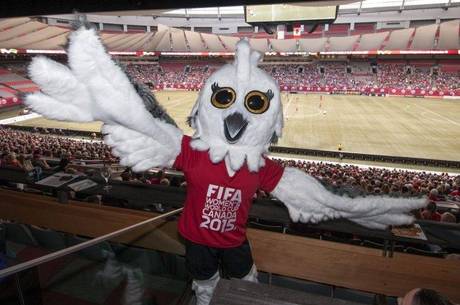
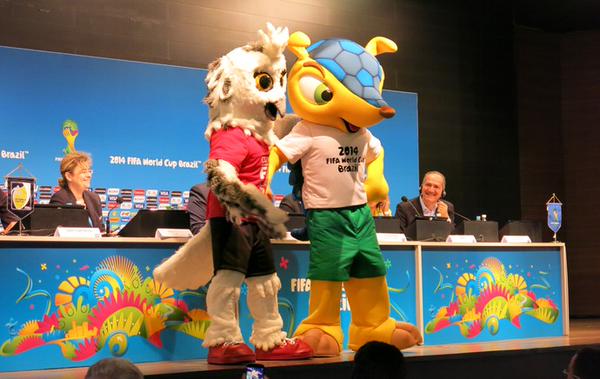


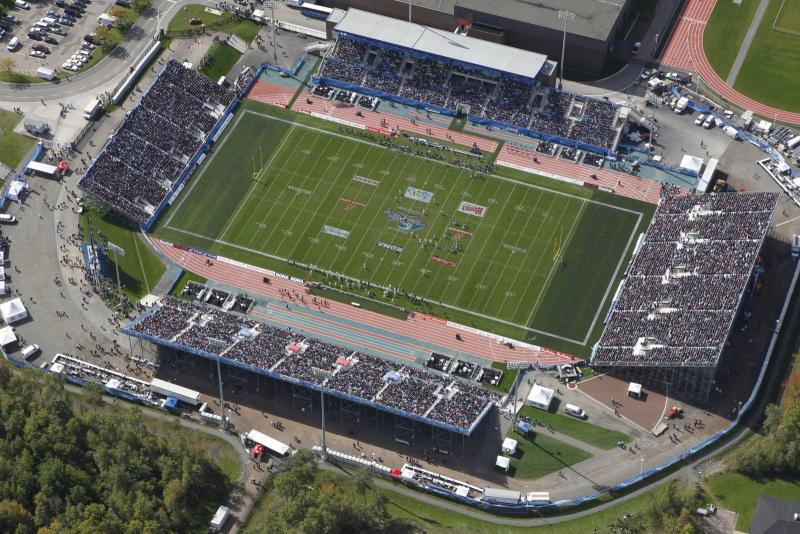


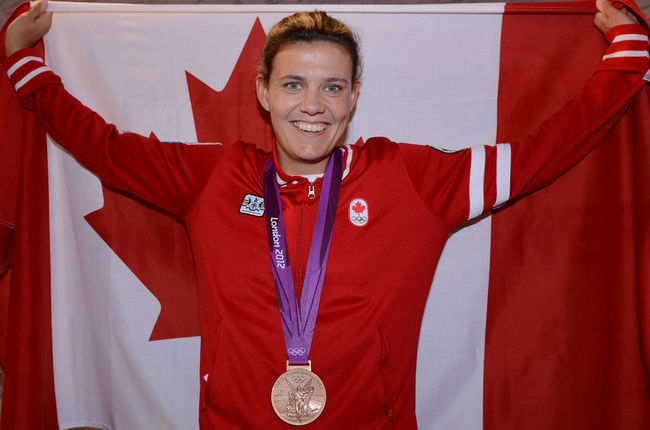



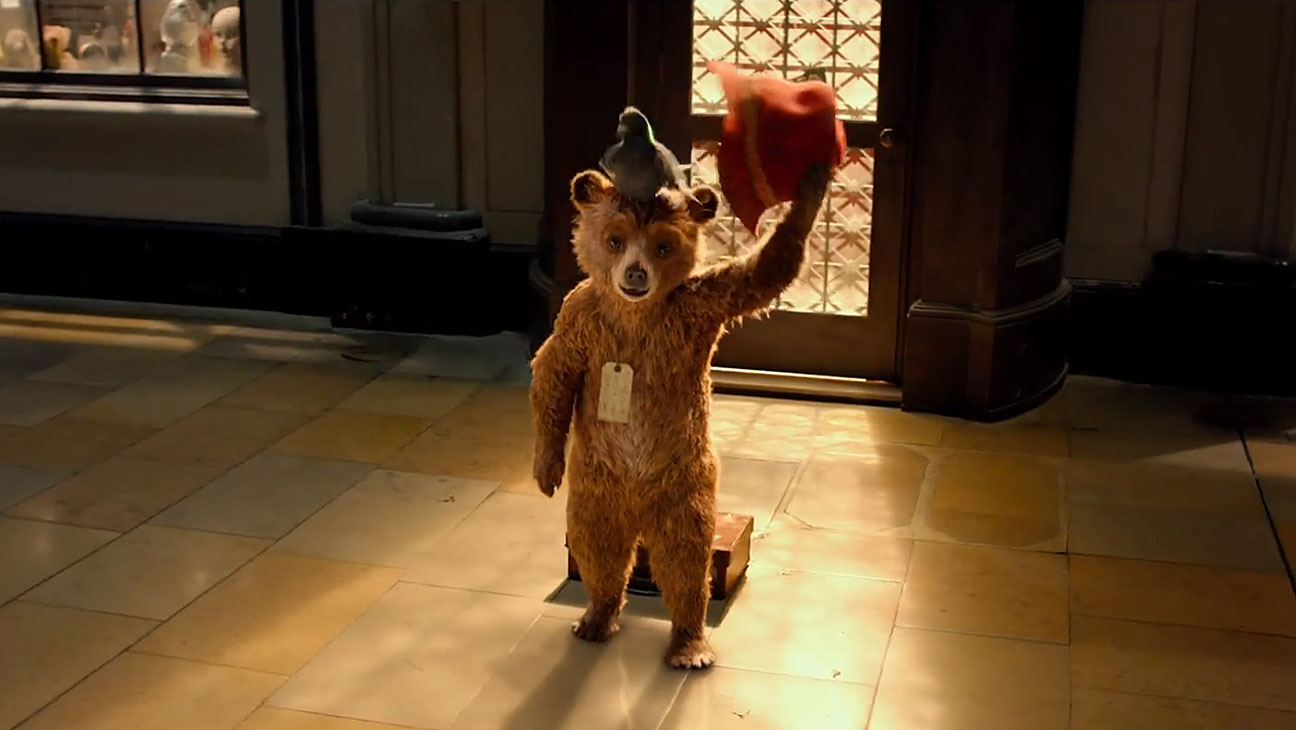
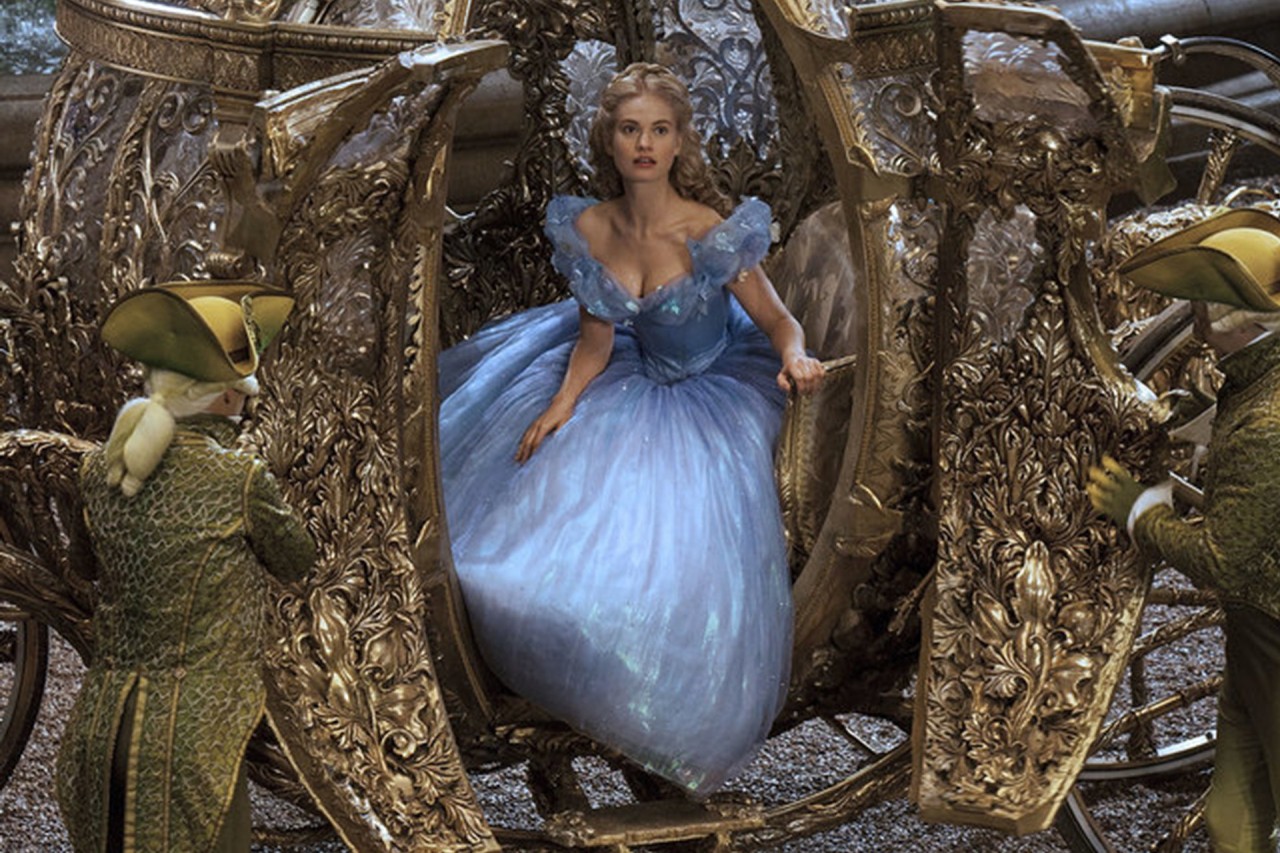
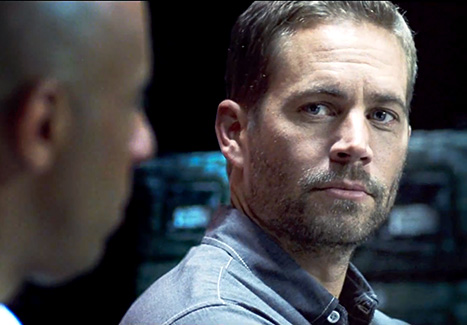


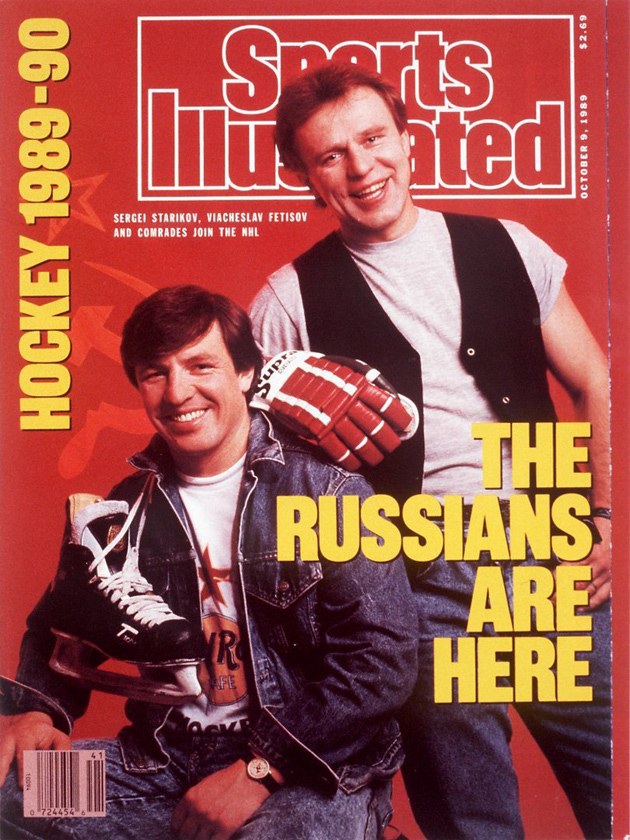
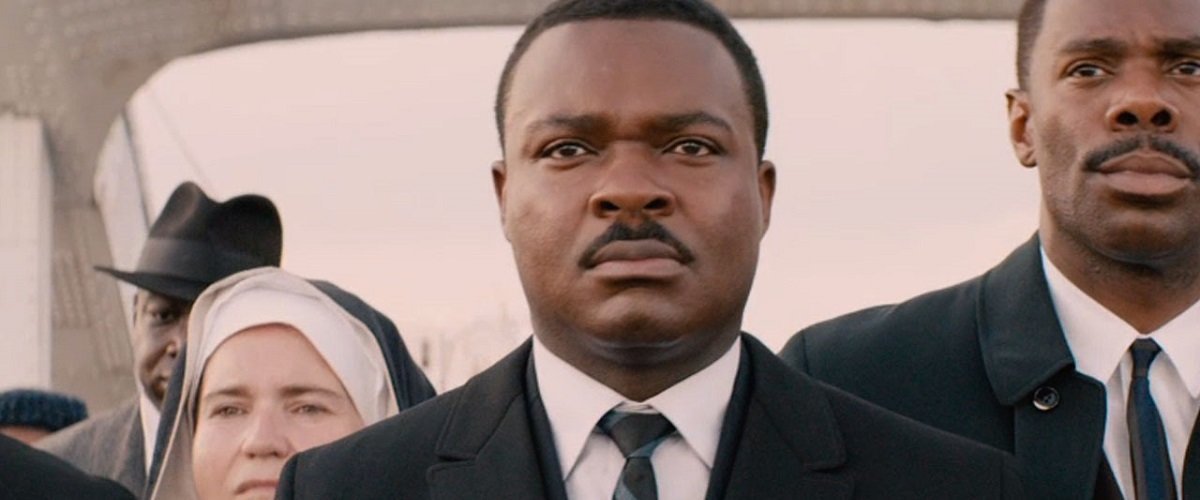

 Jon The Blogcentric