My Top 10 Movies Of 2014

Hi. I know it’s been a long time for me to publish a blog. That’s a common trait of mine that if I do a lot of writing for one period of time, I tire out for a long time. That explains the lack of blogging. However I hope to get back to the process over the next while. I’m planning some more movie reviews and even a political topic or two.

Here, I’ll be posting my long-awaited Top 10 films list of the year. Here are the links to past years:

When it comes to reviewing movies, I’m not your typical ‘film snob.’ Most of the time I’m okay with the typical commercial Hollywood movies as long as it’s done well. I approach them with the attitude: “Okay I know it’s your job to sell big but give the audience their money’s worth.” I also have my own approach to the artsy film-fest fare type of films: “Okay I know you want to be creative and do your own inspired thing but don’t forget this will be shown in front of an audience. Don’t alienate them.”

That’s how I approach films. That’s also how I approach my Top 10 list. Bonus points are given to films that go beyond my expectations. With that in mind, here are my Top 10 films of 2014:

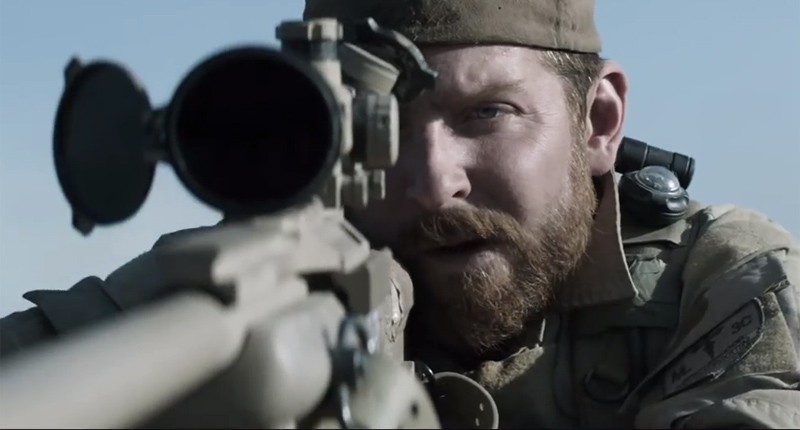
American Sniper appears to be the story of Navy SEAL Chris Kyle (played by Bradley Cooper) but it's a lot more.

  1. American Sniper
  2. Boyhood
  3. Selma
  4. The Grand Budapest Hotel
  5. Wild
  6. Whiplash
  7. The Imitation Game
  8. Birdman
  9. The Theory of Everything
  10. Gone Girl

Honorable Mention:

  • Still Alice
  • Ida
  • Foxcatcher
  • The LEGO Movie
  • Interstellar

My Top 10 Movies of 2013

I’m glad I waited until now to do my Top 10 list. Being at a house with access to Netflix allows me to see some I missed back when they were out. For early reference, here are my past lists: from 2002-2010, 2011 and 2012. Now here’s my list of the Top 10 Films of 2013 and five honorable mention picks:

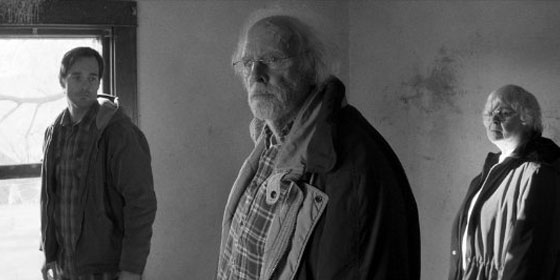
Will Forte (left), Bruce Dern (centre) and June Squibb (right) go on what appears to be a surprise homecoming, only to not be in Nebraska.

MY TOP 10 MOVIES OF 2013

  1. Nebraska
  2. Dallas Buyers Club
  3. Twelve Years A Slave
  4. Gravity
  5. The Great Beauty
  6. Captain Phillips
  7. Blue Jasmine
  8. Her
  9. The Wolf Of Wall Street
  10. Frozen

Honorable Mention:

  • Blue Is The Warmest Color
  • Philomena
  • Inside Llewyn Davis
  • American Hustle
  • Before Midnight

2013 Box Office: Summer More Sizzle Than Slump

Movie (640x306)

The news involving the Hollywood box office for the most part has been pretty negative especially in terms of the annual total gross or all the action movie flops this summer. One thing that has been overlooked is the overall success of the summer. It actually did better than most people noticed. Or most journalists took note of.

Continuing from where I last kept track, July was actually a bigger month than most people noticed. Yes, the big news of the action flops of that month like The Lone Ranger, Pacific Rim, Red 2 and R.I.P.D. What shouldn’t be overlooked were the big successes of the month like the minion power of Despicable Me 2, the goofball comedy of Grown Ups 2, suspense of The Conjuring and even the successful action-packed delivery of The Wolverine. Overlooked by most, 2013 produced the highest-grossing July ever with $1.291 billion: $20 million more than the previous July record set in 2008 and almost $220 million more than July 2012. Funny how the flops made bigger news than the successes.

August also continued the run of success for the summer of 2013. It opened with the success of 2 Guns, continued with the temporary success of Elysium, received surprise successes from We’re The Millers and Lee Daniels’ The Butler and ended on a bright note with the opening of One Direction: This Is Us. At the buzzer, August 2013 grossed $755.4 million: $16.4 million more than August 2012. 2013 is not the highest-grossing August ever as it’s been outgrossed by the Augusts of 2001 and 2007.

So if you want to give a rough estimate of comparing summers, by simply adding up the grosses from May to August of both 2013 and 2012, the summer months of 2013 grossed slightly more than $425 million more than the summer months of 2012. This is a welcome relief after the slumping of the first four months of the year. It doesn’t completely make up the deficit it had over the monthly pace of 2012’s total gross but it does help gain a lot back and reassure us that people still like to go to the movies despite how many forms of entertainment people have.

One thing is the successes and failures of 2013 can teach Hollywood a lot about shelling out movies for the public. I will admit that the news about the constant flopping of the big budget action movies did deserve to be made note of. In fact it continued with Elysium despite how good quality it was. One thing that should have also been taken note of was the low-budget successes that happened. Some of which had quite minimal expectations put on them. First example is the horror drama The Conjuring which made $136 million total all on a budget of $20 million. In fact it debuted at #1 in its opening weekend with a gross more than double its budget. Another example is the oddball comedy We’re The Millers. It never was #1 at the box office but it opened with a healthy opening weekend of $26.4 million and went onto a gross that currently stands at $132 million. This movie had to be the movie that had legs this summer. The most current example is Lee Daniels’ The Butler. That’s not your typical summer fare but it held the #1 spot during the last three weekends of the summer and just hit $100 million this weekend. Hollywood, take note.

It’s not to say that action moves were a complete dud this summer. It actually opened strong with Iron Man 3 and continued with Star Trek Into Darkness and World War Z. However the first sign that the crowd was about to tire of this genre was when Man Of Steel didn’t gross as much as hoped. Sure, $291 million is still impressive and has it as the 3rd-highest grossing movie of 2013, but more was expected. I believe that was the first sign that it would be all downhill from here for this summer’s action flicks.

What should be noted is that the biggest winners at the box office were not necessarily the action movies but the animated family movies. Iron Man 3 may have been the highest grossing movie of 2013 so far but Despicable Me 2 is the second-highest. Its Minion Power took it to a total gross of just over $359 million. Monsters University holds as the fourth-highest of 2013 with $265 million. A third animated movie, Epic, also received an impressive total gross of $107 million.

So that sums up the summer of 2013. Action-packed, animatedly-charming and surprises out of left field. For every box office dud, there were hits. The bad news of the summer action flick would lead to good news of this summer’s total gross. Hollywood should learn from this summer and prepare not simply for a better summer but a smarter-planned summer for 2014.

2013 Box Office And The Big Budget Flops

Movie (640x306)

Last week I wrote about the current situation at the box office in terms of the monthly totals. This time around I’ll be talking about another box office issue of this year, especially this summer. Big budget movies going up in smoke.

The box office has had big movies for years with special effects, dazzling action scenes, directed by reputed directors and starring A-list stars and they’ve paid off well more often than not. The summer is normally the best time to have such big movies loaded out in release.  This year it seems like the big budget movies are having their weakest year in a long time and it look like the hype of the summer movie season hasn’t done much to help boost it. How bad have they been doing? Here’s a list of the most notable big budget movies to fare poorly:

  • G.I. Joe: Retaliation – Stars: The Rock, Channing Tatum, Bruce Willis – Production Budget: $130 million – Box Office Total: $122.5 million
  • Oblivion – Stars: Tom Cruise, Morgan Freeman – Director: Joseph Kosinski – Budget: $120 million – Box Office Total: $89.1 million
  • After Earth – Stars: Will Smith, Jaden Smith – Director: M. Night Shyamalan – Budget: $130 million – Box Office Total: $59.7 million
  • White House Down – Stars: Channing Tatum, Jamie Foxx – Director: Roland Emmerich – Budget: $150 million – Current Box Office Total: $68.4 million
  • The Lone Ranger – Stars: Johnny Depp, Armie Hammer, Helena Bonham Carter – Director: Gore Verbinski – Budget: $215 million – Current Box Office Total: $81.3 million
  • Pacific Rim – Stars: Charlie Hunnam, Rinko Kikuchi – Director: Guillermo Del Toro – Budget: $190 million – Box Office Total: $68.3 million

Now that’s just for the big budget movies that are now out of the Top 10. This weekend was unique because of two big budget movies with dismal opening weekends:

  •  R.I.P.D. – Stars: Jeff Bridges, Ryan Reynolds, Kevin Bacon -Director: Robert Schwentke – Budget: $130 million – Opening Weekend Total: $12.7 million
  • Red 2 – Stars: Bruce Willis, John Malkovich – Director: Dean Parisot – Budget: $84 million – Opening Weekend Total: $18.1 million

To think last year they were cracking all those John Carter jokes. Looks like John Carter‘s got some company this year. This also puts into question a lot of other big budget movies still to be released this summer. Yet to be released is The Wolverine, 2 Guns, Elysium, Percy Jackson: Sea of Monsters, Mortal Instruments: City Of Bones, Paranoia and Getaway. The production budgets for those movies has not yet been released by Box Office Mojo but you can bet they will all face the pressure of making it all back, if not #1, at the box office.

It’s not to say all big budget movies have done poorly. Iron Man 3, Star Trek Into Darkness, Man Of Steel, The Fast and The Furious 6 and Man Of Steel have fared very well. Even animated movies with big budgets like The Croods, Epic, Monsters University and Despicable Me 2 have been successes if not box office-toppers. Even Turbo opening this weekend at $31 million shows strong signs it will make its $135 million back before its run is over.

I guess it’s not exactly about shelling out bloated overhyped movies during the summer but just a job about doing the right moves. I know that every year faces the pressure of outgrossing the year before and 2013 faces that same expectation the record-breaking big shoes of 2012 to fill. I guess it’s just another study Hollywood has to undertake in preparation for both the summers of 2014 and 2015.  Also Hollywood should be reminded that you don’t always need a big movie to top the box office In fact this weekend’s #1 movie was The Conjuring with $41.8 million: more than double its budget. Pay attention, Hollywood.

WORK CITED:

BoxOfficeMojo.com. 2013. Box Office Mojo. Owned by IMDB.com. <http://www.boxofficemojo.com>

My Top 10 Movies Of 2012

If only I was a professional film critic, I’d be able to see all the movies and DVDs before year’s end to make my Top 10 list of the year. But I’m just an everyday schmuck like you who has to wait until the movies hit the theatre or come out on DVD to see them. Thus once again a delay this late in my Top 10 list. Maybe one year I’ll finally be an official film critic. You can always hope.

Anyways without further ado, many of you have already seen my lists of my Top 10’s from 2002 to 2010 and of 2011. Now I finally have my list out of the Top 10 of 2012 and five honorable mention picks:

MY TOP 10 MOVIES OF 2012

Zero Dark Thirty

  1. Zero Dark Thirty
  2. Silver Linings Playbook
  3. Beasts Of The Southern Wild
  4. Argo
  5. The Life of Pi
  6. Les Miserables
  7. Lincoln
  8. The Master
  9. Searching For Sugar Man
  10. Amour

Honorable Mention:

  • Django Unchained
  • Moonrise Kingdom
  • The Hunger Games
  • The Best Exotic Marigold Hotel
  • Wreck-It Ralph

Baby Boomers: Still A Draw To The Box Office

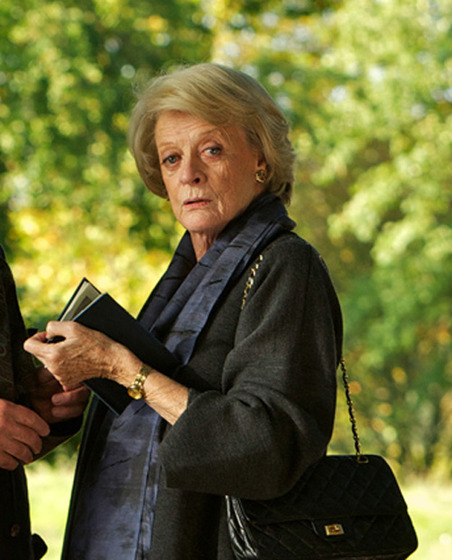
Maggie Smith stars in Quartet, a film of aging musicians that did well with critics and scored well at the box office too.
Maggie Smith stars in Quartet, a film of aging musicians that scored well with critics and the box office too.

“Initially you’re overwhelmed. But gradually you realize it’s like a wave. Resist, and you’ll be knocked over. Dive into it, and you’ll swim out the other side.”

-Evelyn Greenslade from The Best Exotic Marigold Hotel

In the last two years, it seems like movies are mostly set out for the Echo or Millenial generation but also intended to attract Generation X and today’s children too. It seemed like the Boomer Generation was a movie crowd that had many years and decades in the sun in terms of movies and its now past. But not so fast. They’re still leaving one last impact that been especially present in the last two years. I’ve noticed it in three films from the past while and even a current release. It’s positive there will be more to come but it does face challenges.

It’s hard to exactly pinpoint what birthyears define a generation. There are common assumptions of what years consist of the Baby Boomer generation but I was commonly told it was the generation that began just after World War II had ended. The most common birthyears I have seen associated with the Baby Boomer generation are from 1946 to 1964.

The Baby Boomer generation is a generation that has made an impact in many ways but is especially noticeable on its impact in movies. We first saw it in the 70’s when they went to see thrillers by Spielberg and Lucas and dramas from Scorsese and but also experimental movies like Clockwork Orange and Pulp Fiction. They’ve also made their own sets of stars like Richard Gere, Susan Sarandon, Meryl Streep, Bette Midler, Billy Crystal, Tom Hanks, Geena Davis…I could go on. Baby Boomer filmmakers, actors and audiences have contributed to the changes greatly in both Hollywood film and films of other format. Even Baby Boomer women left their mark as many showed they didn’t simply have to be in front of the camera but behind the camera too.

Even as they were getting older as the late-80’s came, they still showed that they were a viable audience market worth major focus and continued to have films and movies with them in mind. They also showed that an actor or actress can get older in age like their 30’s and 40’s and still be a big draw. They also changed family movies in the late 80’s/early 90’s too as the movies directed to their children would also have to include elements in which parents could watch and enjoy too.

Then it appeared at the turn of the millennium, it would be handed to the younger generations like Generation X and especially the Echo/Millennial generation mostly comprised of their children while most boomer actor would be relegated to supporting roles. It was thought that they would now have to make way for them. Even now with the Boomers getting older and many entering into their Golden Years, it appears the core audience for movies is now the Millennial generation mostly composed of their children or children of the generation after them. Even though the Boomer generation no longer has that decades-old grip on movies they used to, they appeared to still have a spark in them that allowed for films to be released with them in mind.

I believe the first trigger was back in 2007 with the hit movie The Bucket List. Directed by Rob Reiner and written by Justin Zackham, this featured Jack Nicholson and Morgan Freeman as two men with terminal lung cancer giving themselves goals to achieve before they ‘kick the bucket.’ The movie was a hit achieving $93 million at the US box office and $175 million worldwide. The box office success sent the message that Boomers and the generation before them were still a marketable film crowd and that younger generations can also be entertained by movies featuring older movie stars. Hey, didn’t we like Grumpy Old Men back in the 90’s?

The first movie that caught my attention to this was a British movie, The Best Exotic Marigold Hotel. The movie was directed by 64 year-old John madden and its ensemble cast consisted mostly of British actors in their 60’s and 70’s like Judi Dench, Maggie Smith, Tom Wilkinson and Bill Nighy. The movie was about older retired people who come to live at what they think will be a nice hotel in India. Instead it turns out to be dingy. Over time they discover more about themselves and many learn that their life doesn’t have to end in their golden ages. They can start a new life. One can free their soul. One can even finally meet Mr. Right. The movie did very well grossing $46 million in North America and $134 million worldwide.

There was a second British movie also based on aging that scored well: Quartet. This was the directorial debut of American Dustin Hoffman. The movie starred Maggie Smith, included Ton Courtenay and Michael Gambon, and is based off of a hit British stage play. The movie is situated in a retirement home for former professional musicians. The home has always had financial issues but has always kept themselves going by teaching to young people and holding an annual gala. The gala has had its issues as many of its top former musicians have died over the years. Their best hope is to have a famous quartet as their main attraction. Their best hopes rest on soprano Jean Horton who actually is an ex-wife of one of the other quartet singers and both failed to heal the bad terms between them.  The movie was not just about healing relationships. The movie was also coming to terms with aging and dealing with the changes; especially since the artistic giftedness that once made their greatness withered away with age. The movie scored very well with the critics and made $55 million worldwide at the box office.

You may have noticed that not every star actor in the movie is a Baby Boomer. Not Maggie Smith, Judi Dench and Michael Gambon. Nevertheless the theme of aging is a common theme Baby Boomers can relate to especially since the first wave of Baby Boomers–born in the first few years following World War II– have now entered into their 60’s and are dealing with the issues with aging and also attempting to overcome the obstacles associated with it.

Hollywood has noticed that too and they even sent out a more commercial movie about getting older called Parental Guidance. Since it stars Bette Midler and Billy Crystal, you know it would be a comedy. It’s not necessarily about aging but about the role of grandparents who come into the lives of their daughter, her husband and grandchildren. The movie is about grandparents trying to raise the grandchildren while the parents are away. They have a wide array of obstacles to deal with like new technology, children’s behavior, modern methods of parenting and psychology, a musically gifted granddaughter making social sacrifices, a new job pursuit and above all the role as grandparents. This was a unique movie upon release as it appeared marketed to Baby Boomer grandparents, Generation X or Echo parents and the current generation of children. The critical consensus was not too pleased with parental Guidance but it made 4477 million at the US box office and almost $120 million worldwide.

Parental Guidance may have been a hit but it’s not to say that aging Boomer stars still face challenges in Hollywood movies. Recently there was the movie The Big Wedding which featured an ensemble cast starring older stars like Robert de Niro, Diane Keaton, Susan Sarandon and Robin Williams along with younger stars Ben Barnes, Katharine Heigl and Amanda Seyfried. The movie was written and directed by The Bucket List scriptwriter Justin Zackham. The movie was seen by the consensus of critics as unfunny and predictable. The box office didn’t fare well either grossing a total of $21 million so far.

Even the artistic film industry faces challenges as well. There was the French Language film Amour about an aging couple dealing with their love for each other as the wife suffers a stroke and is left terminally impaired. The film was nominated for the Oscar for Best Picture and won Best Foreign Language Film but achieved less than $7 million at the US box office and $20 million worldwide.

The past twelve months have showed that the aging populations, especially the aging Baby Boomers, are still a marketable and profitable movie crowd despite the majority of movies focused on the under-30’s. It’s fair to say that the film industry has done a good job in turning out movies with them in mind but it still faces a lot of challenges in the present and in the future. It’s not just the aging crowds that want to see movies but the aging actors that still want to act and aging stars that want to prove they still have it. Only time will define what works with them and what will continue to draw them to the cinemas.

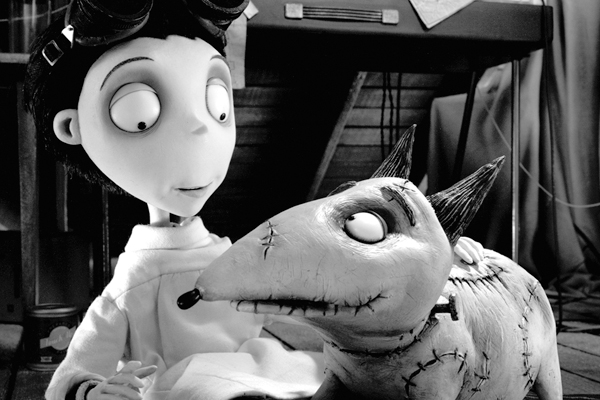
Movie Review: Frankenweenie

DISCLAIMER: Okay I know this is a delayed review but I have lacked ambition in the last while with so much happening. Now I’m glad to be back and posting.

You’ve heard of Frankenstein? How about Frankenweenie? Tim Burton goes animated but can it charm like his other movies?

Victor Frankenstein is a creative boy growing up in New Holland. An only child who spends a lot of time with his dog Sparky making films and doing science experiments, his parents wonder if he’s able to make friends. His father encourages him to play baseball. it turns out to be a bad decision as Sparky chases the ball and gets hit by a car. Victor is heartbroken but not down. He still remembers the science class where his teacher Mr. Rzykruski showed the power of electricity on a dead frog. He digs up Sparky one day in hopes of bringing him back to life via electricity. It works!

However secrets don’t stay secret for long. Victor’s classmate Edgar wants to learn from Victor how to bring the dead back and even promising to keep it as a secret, albeit with fingers crossed. The two perform the experiment and the goldfish are revived but invisible due to doing something wrong. Edgar shows the other students and that sparks interest in reanimation of their own.

The children get the chance to learn about reanimation as Sparky goes missing around town. They discover Victor’s reanimation technique in the science room and attempt reanimating of their own on dead animals: Nassor on his mummified hamster, Edgar on a dead rat he found, Toshiaki’s turtle Shelley, Bob’s sea monkeys, and a dead bat Weird Girl’s cat found. The experiments go badly wrong. Edgar’s dead rat becomes a were-rat, Bob’s sea monkeys become amphibious monsters, Shelley is covered in a huge growth formula and becomes like a huge monster turtle, Colossus becomes a giant monster and Weird Girl’s cat bites the dead bat while electrocuted becoming a vampire cat.  This is especially hellish as New Holland is preparing to have its town festival.

Victor finds Sparky but notices the monsters causing havoc around the town fair. In the meantime the parents are angry at what the children have learned and Mr. Rzykruski is fired. The townspeople blame Sparky for all this madness and chase him to the town windmill. It’s all up to Victor to make things right. He does succeed in the end with results both surprising and thrilling.

One thing people will like about this animated movie is that it has the familiar charm of Tim Burton’s movies. Right at the beginning when you think ‘not another story about a creative boy who has trouble making friends’, you’ll know why. The main reason why Victor can’t make friend is because he’s one of the few normal kids while almost every other kid acts like they belong in a haunted house. This is very much a trademark of Burton and nothing new. Sure he’s done animated movies before and Halloween-style characters seem to be his specialty but he succeeds in keeping it enjoyable and entertaining. The story of Frankenweenie succeeds in being charming, haunting and entertaining.

Frankenweenie is something of Burton’s own but this animated version is not something fresh. Frankenweenie was originally a live-action 30-minute film Burton did back for Disney way back in 1984. It was intended to be both a spoof and a homage to the monster movies of the 1930’s. However this did not sit that well with Disney as they originally fired him because the movie was considered too disturbing for kids. Funny how 28 years have passed and Disney actually welcomed him back to remake Frankenweenie.

Mind you it’s not just about Tim Burton’s style of filmmaking and storytelling that makes it so appealing. It’s the way that it will oddly remind you of many of the monster movies of the past. As has been stated before, this is both a satire and a homage to the 1931 movie of Mary Shelley’s Frankenstein. There are additional tributes in the movie too: Elsa’s pet poodle has a hairstyle similar to the Bride Of Frankenstein; Nassor has a voice and face resembling Boris Karloff; Mr. Rzykruski is inspired by Vincent Price. Even with its stop-motion animated style all in black-and-white, it has its charm with it being entertaining to today’s kids. Adults will also find it enjoyable too.

Frankenweenie is not just another animated movie. It’s a movie from Tim Burton that offers a lot more. Fans of monster movies will like it and admire it.

2012 Box Office – With Three Months To Go

NOTE: This blog was meant for the beginning of October but was put on hold because of my writings for the Vancouver International Film Festival. And just right after the VIFF concluded, my RAM dies on me. Now that things are back to normal, I can post this.

Another three months have passes. Two months of summer heat featuring a September that usually slumps but they still want to give people reasons to go. Meanwhile people eyeballing the box office stats are hoping 2012 will be a record-setting year. Already I talked about 2011’s grief as well as the upswings of January and February, March and April, and May and June. Even if the months didn’t set records it still added to 2012’s consistency. The big question is how did July to September stack up?

July had the big struggle of trying to cope with the shootings that happened in the midnight screening of The Dark Knight Rises in Aurora, Colorado. Despite the tragedy, it did not deter moviegoers. The month started off strong with Ted being the sleeper hit of the summer and one of the biggest hits of the month. Strong showings by Brave and Magic Mike and a strong Top 10 ending by The Avengers also started the month off well. The following week saw a healthy opening for The Amazing Spider-Man followed by a good opening with Ice Age: Continental Drift. The tragic shooting in Aurora didn’t prevent The Dark Knight Rises from achieving the third-highest grossing opening weekend ever. The monster success continued into the following weekend. Overall this year’s July ended up being only the sixth-highest grossing July ever and almost $200 million less than last July. It’s unknown whether the shooting in Aurora had much to do with the drop but I’m sure most people knew this was a one-in-a-billion incident.

August showed some slight improvement. Action or adventure movies ruled the month as it began with The Dark Knight Rises continuing with its reign on top and the remake of Total Recall debuting at #2 in the first weekend of August. The following weekend saw The Bourne Legacy on top with some comic relief at #2 in the form of political goofballs in The Campaign. The following weekend had The Expendables 2 open on top but not without family movies like ParaNorman and The Odd Life Of Timothy Green opening strongly that weekend. The following week was weak in debuts as Premium Rush was the strongest debuter that weekend and it was only #8. The Expendables continued to be on top. Overall 2012 grossed more than $40 million more than August 2011. It stands as the second-highest grossing August ever with only 2009 being the highest.

In September, there’s always the mark of the slowdown of the movie season with the summer wrapping up and the remaining weekends having lukewarm results. The Possession opened the month on top that Labor Day weekend and continued to be on top the following week. The third weekend in September featured more excitement with strong debuts from Resident Evil: Retribution on top and the 3D re-release of Finding Nemo opening strongly in second. The fourth weekend saw three debuting movies on top–End Of Watch, House At The End Of The Street and Trouble With The Curve–but their opening weekend grosses were between $12.2 million and $13.1 million. It was the fifth and final weekend of September that added more excitement with the animated Hotel Transylvania opening with $42.5 million–the biggest opening weekend ever for a September release–and Looper in second with an opening of $20.8 million. September ended with a total of $532.4 million, almost $75 million less than last year’s September.

So with nine of the twelve months of 2011 completed, it appears that 2012 is poised to be a record-braking year: $240 million more than last year and $363 million ahead of 2009’s record-setting pace. However don’t get excited too soon. We should not forget that these last three months were what helped propel 2009 to the record and the milestone of being the first $10 billion movie year. That quarter’s total gross of over $3.5 billion is still the highest total gross for that quarter. 2010 failed to overtake it and just missed the record. And 2011 was on record-breaking pace by $120 million but a weak fourth quarter even with a Twilight movie failed to break the record. A fourth quarter of over $3.15 billion will finally do it. So let’s hang tight.

Also you notice I left October out. As I said at the beginning, this article was meant to be published weeks ago so that’s why it’s not there. Plus with Box Office Mojo not complete in totaling up October, I think waiting is a good thing.

WORKS CITED:

“Monthly Box Office Chart” BoxOfficeMojo.com. 2012. Box Office Mojo. Owned by IMDB.com. http://www.boxofficemojo.com/monthly/

“Quarterly Box Office Chart” BoxOfficeMojo.com. 2012. Box Office Mojo. Owned by IMDB.com. http://www.boxofficemojo.com/quarterly/

VIFF 2012 Review – Side By Side: The Science, Art And Impact Of Digital Cinema

The first documentary I saw at the Vancouver Film Festival was Tribeca Film’s Side By Side. It first caught my interest on opening day as I was assigned to be an usher for the screening. I was lucky to see it as an audient three days later. I’m glad I did because this is of a topic I’ve been interested in over the past ten years.

The documentary is hosted by Keanu Reeves and it is on a hot button in the filmmaking industry. this hot button is the transition from making celluloid motion pictures to digital motion pictures. It attempts to answer the question: “does it mark the death of an art form or does it accelerate it?”

The documentary starts with some opening opinions by some of the biggest names in directing like George Lucas, Martin Scorsese, James Cameron, David Lynch, Christopher Nolan and Danny Boyle. It also features opening comment from independent filmmakers too. The beginning also gives descriptions and computer simulated examples of how images from both celluloid cameras and digital cameras are created. Interesting is the terminology used for filming: film filmed on a reel in a single day and developed the next day would be called ‘dailies’ while digital images would be described as ‘immediates’. Later on the documentary would describe the invention of digital filming dating back to the late 60’s to George Lucas experimenting with it. The progress of digital filming would be described more over the remainder of the documentary, which I will elaborate on more throughout my review.

The documentary also points out that the use of video cameras was not accepted by the film industry at first because video cameras were seen as something for ‘cheap movies’. They showed the first two movies filmed on video camera that made an impact on video cameras’ use in film: Denmark’s The Celebration from 1998 and the US’ Chuck And Buck from 2000. The quality was obviously cheap but the cinematic angles it was taken from caught people’s eyes. Nevertheless many people still felt video cameras were not good enough quality for something like motion pictures. To think back in 1999 when George Lucas announced after The Phantom Menace that he would no longer film on celluloid, most people didn’t take it that seriously.

As I just mentioned, we shouldn’t forget at the time digital film was still lacking in quality. Slowly but surely big name directors would take notice over time and make the switch. That’s another quality of the documentary is hearing of how so many big name directors made the switch to digital. They describe the scene filmed on digital that put the nail in the coffin for their use of celluloid film. The most interesting for me is Danny Boyle’s story about the change. He described one scene in 28 Days Later–the scene of a deserted London–that was able to be done on digital because he could shut down traffic in one area temporarily for a few minutes while he would have to shut the whole of downtown down for hours if he did it on celluloid. Many directors said that filming on celluloid film has gone as far as it can go and none sensed any limit to filming on digital in sight.

Back to the part which give demonstrations of the two filming methods. As the descriptions of are demonstrated, film professionals interviewed would describe their experiences in dealing with both filming forms, both the positive aspects and the negative aspects. One filmmaker talked of the use of dailies of how they’d look at the dailies in the screening room and at how they were taken aback by what they’ve created. It was often the case but not always. There were times when the dailies would be something flimsy. As for digital, the ‘immediates’ were convenient because they were there in an instant and they were cheaper. It’s not to say the ‘immediates’ were a complete solution. One director even said immediates would show the filming well immediately on a computer screen but won’t answer what it will look like on a 50-foot big screen.

Also described in the documentary are the various changes to how one does their job. The director and cinematographer, or director of photography (DP), have always worked as a team during the days of celluloid. The two still work as a pair even during digital filming but there are changes to how they work and communicate to each other during their job. The documentary also describes how actors have had to make adjustments of their own. During filming of celluloid, there was always a period of time when the cameramen had to do technical things that would allow for a break. Now with digital there’s more consecutive shooting less of that break time, if any at all. There’s even mention of a certain ‘protest’ done by Robert Downey Jr. when he did his first digital picture. Another thing involving actors, which would get on the directors’ nerves, is that they’d want to see the ‘immediates’ to see what they looked like all too often. Should we really be surprised? Film editors as well describe how their job has changed from literal cut and paste of reels to the computerized cut and paste. Some say the quality is still there while others say it’s cheapened. And we also see how visual effects personnel work with digital film as they’re able to create greener trees and bluer skies.

Another aspect showcased in the documentary is the changes in technologies over time. I mentioned at the beginning that video camera use for motion pictures were not accepted at first because of the lack of quality. What a difference more than ten years can make. Over time just as computer technology has improved, so has video imagery and designs of cameras. The documentary showcases the pixel quality of pictures over time and also highlights camera companies creating digital motion picture cameras that would be breakthroughs. Interesting how images shot for the big screen are at least ten times better than they were at the start of the century. Video cameras used for filming motion pictures have also become better and even smaller which allows for more unique angles. The simultaneous use of two cameras for filming 3D movies is another example of technological breakthrough. Then the news of the ultimate: the announcement from motion picture camera companies in 2011 that they would no longer manufacture celluloid movie cameras.

Despite the mention of all the technological progresses of digital cameras and its progresses leading to digital practically overtaking celluloid filming, the documentary does remind us there are still Hollywood movies and independent movies shot entirely on film and there are also still ‘celluloid purists’ who won’t hop onto the digital bandwagon for their own personal and professional reasons. Last year’s Oscar winner for Best Picture The Artist was shot entirely on film as were Best Picture nominees Moneyball and War Horse. Even two of the biggest moneymakers of this year, The Hunger Games and The Dark Knight Rises were shot entirely on film. In fact both Christopher Nolan and his personal DP Wally Pfister have even declared that if they’re the last people in Hollywood to shoot movies on celluloid, so be it. There are even some independent filmmakers that talk of the beauty of shooting on celluloid that digital can’t equal.

This documentary may give a lot of examples and opinions about the filming types but it doesn’t give the final word on the future of film. It cuts off to now and will leave the future to define itself. With no more celluloid cameras being made, the ‘celluloid purists’ will face a bumpy ride if they want to stay true to their principles. As for moviemaking, where will an industry full of predominantly-digital movies take this in the future? Will the ‘celluloid purists’ succeed despite the odds? We’ll see. One thing one director said was as long as a director has a vision, they will try to create that vision with whatever means they have.

I admit that this is a topic that caught my attention and it’s one dating back ten years ago. How it caught my attention was when I attended an acting class which a top Hollywood cinematographer Monty Rowan. He talked about celluloid filming and brought up George Lucas’ comments about never filming on film again. Rowan mentioned that digital will never have the same artistic quality as celluloid. Years later I read a magazine–either Time or Newsweek–that talked about filmmaking and once again Lucas’ talk about filming on digital: “You don’t work at the office the same way you used to. So why should I do my filming the same way I used to?” It also mentioned of a younger generation weened on digital this and that and who don’t have the same appreciation for the filmmakers of the past. That had me scratching my head. Even hearing how filming on digital has cut costs on filmmaking has still led me wondering about Rowan’s comments. Yes, filmmaking is an art but there’s this vice called ‘showbiz’ that’s unavoidable. Can celluloid continue one despite the business demands of showbiz? Especially as movie viewing is no longer cinema-only and now flexible to the point one can see movies on their tablet or cellphone?

The best quality of the documentary is the big names and wide array of professionals being interviewed by Keanu for this picture. We not only hear opinions and experiences from some of the top name directors in the business but some of the independent  filmmakers who have their own say, whether positive or negative. We also hear the various cinematography, film editing and visual effects angles from some of the top names in their respective fields. We also hear from the various ‘trailblazers’ of digital filming who did something that would pave the way to the future of film, though they didn’t know it at the time. Hard to believe that Anthony Dod Mantle filmed with video cameras with the thought “I may never win an Oscar but…” and he did for Slumdog Millionaire. It does however limit the number of independent filmmakers in the business. Yes it’s great to hear opinions from the big Hollywood names but the independent directors were limited in numbers and opinions.

Another thing I liked about the documentary is that Keanu did it unegotistically. He wasn’t like Michael Moore or Morgan Spurlock who try to steal every scene and force their personal opinions. Keanu stuck to the topic and put focus and emphasis on the facts, the technologies and the professionals’ opinions. I don’t think I noticed anywhere in the documentary him talking about his own personal experiences.

As far as this documentary goes, I would not consider this to be a documentary meant for a movie cinema. One of the things with the VIFF is that there will be a lot of documentaries shown. Some will be lucky enough for a big screen run. Some will most likely be shown on television through either a documentary channel like Vancouver’s Knowledge Network or a teaching channel. This documentary looks like something that would be best suited for something like a science channel or even an entertainment information channel. I would like to see it again as this this about a topic I’m interested in as I mentioned earlier. I like how thorough this documentary was.

Side By Side is an important documentary for anyone in film, whether a professional or a student at a film school, should see. It doesn’t just present the situation but is very thorough in presenting the examples of filming, history of technological advances, and how some of the biggest names in moviemaking have taken it on. Thank you Keanu for doing a great job of giving us the facts.

My Top 10 Movies of 2011

A while back I remember one writer I’m subscribed to  posted their Top 10 list in may with the title ‘Better Late Than Never’. Now here I am three months later with mine. I’ll bet the reason for her list being published late is the same reason for mine. While the professional critics have the luxury of access to all the preview DVDs or special screenings before the year end. I have to wait until they’re released on the big screen or the DVD store to see them. I’m sure it’s probably the same reason for her too.

As for me being extra-late, I’m sure all my writing about Euro 2012 and the London Olympics can explain that. Yeah, I was so hyped up over those sporting events as well as the feedback and the record-setting hits I was getting from my articles about them, I forgot about my movie list. In fact I just watched the last DVDs of 2011 I had left to watch just yesterday. Believe me three DVDs in one day is no easy chore. Interestingly enough one of my articles about certain athletes to watch for the London Games is still getting hits even though the London Games ended two weeks ago.

Anyways it’s about time I created my Top 10 of last year, especially since some people are still hitting my Top 10’s of past years. So without further ado, here are my Top 10 Movies of last year along with five films worthy of Honorable Mention:

MY TOP 10 MOVIES OF 2011

1) Hugo

2)The Descendants

3)The Artist

4)Moneyball

5)The Help

6)Midnight In Paris

7)A Separation

8)50/50

9)The Tree Of Life

10)Of Gods And Men

HONORABLE MENTION:

-Drive

-Harry Potter and the Deathly Hallows, Part 2

-Tinker Tailor Soldier Spy

-The Adventures of Tintin: The Secret Of The Unicorn

-Super 8