Robert Downey Jr. makes it Tony Stark’s last hurrah in Iron Man 3.
The first weekend in May certifies the official beginning of the summer movie season. This is where the big studios are the most competitive where they deliver big-time attention-grabbers in an attempt to hit new highs at the box office. As expected, the first movie to kick off the 2013 summer movie season is a sequel of a huge-grossing series: Iron Man 3. The question is does it live up to the hype?
Tony Stark is back but instead of setting up for his third adventure, it goes back in time to the turn-of-the-millennium. Tony had a fling with a scientist named Maya Hansen who worked for a mechanics company named Extremis that’s experimenting with regenerating amputated limbs. Her boss, scientist Aldrich Killian who’s disabled himself, offers Stark a job but Stark refuses much to Killian’s humiliation.
Fast forward to the present, Stark and girlfriend Pepper Potts build several Iron man suits in immediate response to an alien attack which left him with panic attacks. Meanwhile Stark learns of a new rival villain: The Mandarin, who assaults his butler Happy Hogan. Stark challenges The Mandarin with a televised threat only to be faced with battle with The Mandarin and his army who leave his mansion demolished. The world believes Stark and Potts to be dead but they’re both alive with Stark being rescued by Hansen and Stark dawning an Iron Man suit whose JARVIS technology lands him in Tennessee. Stark learns more about the Mandarin thanks to the help of a young boy named Harley. Harley directs Stark to an alleged bomb explosion. Stark learns that the explosion is not only by Extremis but a possible fake to cover up Extremis’ flaws.
After a failed attack by two Extremis agents, Stark is able to get the location of The Mandarin through Harley’s help and through using improvised makeshift technology. Stark soon learns that The Mandarin is an impostor, an actor named Trevor Slattery. The Mandarin is actually a decoy of Killian who used Hansen’s program to fix his own disability and create an army of his own who successful has Potts hostage in hopes of getting Stark to fix Extremis’ flaws. That’s not all Killian has planned. Killian also stole James Rhodes’ Iron patriot outfit in an attempt to hold the plane with the President Of The United States hostage. Stark attempts to save the plane and those on board. He succeeds but misses the President whom Killian intends to kill and have the Vice President as his puppet to follow his every order to make Extremis succeed in its business.
The end battle features a lot of twists and turns but gives a surprise but somewhat expected ending to the movie and the Iron Man series as well. Oh yeah, I encourage you to sit through the credits for a surprise end.
Usually I’m not a huge fan of movie sequels. I consider Hollywood sequels to be the actors, directors and producers masturbating for two hours. However I did find Iron Man 3 to be enjoyable. This was movie that was to be, or appears to be, the end of the Iron Man series. It had quite a lot to work with and it did a very good job of it, even though I feel it could have been better. Yes it was a story with a lot of clichés and yes there were a lot of areas that felt very formulaic. Even the addition of a cute kid felt like Hollywood up to its usual tricks. What it lacks in terms of inventiveness and unpredictability, it does make up in terms of its visual effects. The fights still thrill and the effects still dazzle. It’s what one should come to expect from a superhero movie. Surely director/co-writer Shane Black knew what he had to deliver when he agreed to do Iron Man 3. He’s written for popcorn movies before. Even though he delivers an ending to a series that could have been better, he does mostly end the Iron Man series on a positive note. One thing is that even though this may mean the end of the Iron Man series, it doesn’t mean that Tony Stark won’t be back for the next Avengers movie. There was even a hint or two of The Avengers in the script.
Once again, Robert Downey Jr. brings out the character of Tony Stark, but it felt like something was missing. I don’t know what it was but I felt there was a certain quality of Tony that was present in the first Iron Man and made him a scene-stealer in The Avengers that was missing here. Pepper Potts was given more of a role as being the one getting Tony to smarten up although Gwyneth is not as much of a scene stealer as she could be. Guy Pearce could have done more with his role of Killian but keeps him as a stockish villain. Rebecca Hall was good as Maya Hansen even though her role was nothing out of the ordinary. Don Cheadle was good at being a comedic sidekick Iron Patriot but he too lacked the scene-stealing quality. Ty Simpkins was given a typical child actor role where he’s made to look cutesy. And Ben Kingsley’s turn as the Mandarin succeeded in being both intense and comical when it was required to be.
As is to be expected with any big release of the summer movie season, Iron Man 3 succeeds in challenging for top box office results. It achieved $174.1 million in its opening weekend making it second only to last year’s The Avengers for the biggest opening weekend ever. Even now it continues to remain strong at the box office even though it was replaced at the #1 spot in its third weekend by Star Trek Into Darkness. I don’t think it will supersede The Avengers‘ total gross since The Avengers was still #1 after three weekends. I am confident that Iron Man 3 will finish its box office run in the Top 10 of all time. It’s only $86 million away right now.
Iron Man 3 is a series-ending movie in which first seems surprising but turns out to be typically expected on second-thought. It’s better than the second but not as entertaining as the first. Nevertheless it ends on a good note, if slightly flawed.
It’s happening. British Columbia will be voting for a premier: the first such election in four years and two days exactly. There’s reigning BC Premier Christy Clark and there are challenging Party leaders, most notably Adrian Dix and Jane Sterk. But how do they stack up for the vote on May 14th?
CHRISTY CLARK: LIBERAL
She is the reigning premier, albeit not elected into office. Those of you living outside of British Columbia may not have known the state of politics in the 21st century. From 2001 to 2011, the province has had Liberal Gordon Campbell as premier of the province. He has been elected into office three times having to resign back in 2011 because of his approval rating declining to the point of single-digit percentage. Christy Clark has taken the role of premier ever since. Since becoming premier of BC, her approval rating as well as the approval rating of the BC Liberals improved greatly even superseding the rating of the NDP for some period of time. However the period has been short-lived.
The opposition Clark has faced during her premiership has not been as heated or intense as Gordon Campbell’s. Nevertheless she has faced heat of her own. One former Liberal MLA accused her of conflict of interest in assisting with the selling of BC Rail during the Campbell administration while cabinet minister. She has also been witness to seeing many key Liberals resigning from parliament.
With the provincial election approaching, Clark still faces a lot of heat from the opposing parties for a lot of what Gordon Campbell did during his administration. Remember I told you about her pre-election baggage? It didn’t completely go away. Her appearance at the Party leader’s debate gave her a chance to improve her political reputation as many felt she won the debate. The BC Liberal Party has greatly decreased its gap behind the BC NDP in the past three weeks trailing them only slightly. However many journalists are claiming it may be too much too late for her political career. Only the results on Tuesday will tell.
ADRIAN DIX: NDP
He’s already been written as the frontrunner for the race for premier. But it doesn’t mean that his chances of winning are unbreakable.
One of the reasons many claim Gordon Campbell has continued to be elected premier is because there hasn’t been an NDP skilled enough to rival him. Adrian may not have much experience as a Party leader but he does have considerable political experience under his belt. Dix was born the son of an insurance agency owner. He has been with the NDP Party since 1996 and like Clark has also been a political media personality for newspapers like The Sun Columnist and the Source. Dix has been the MLA for Vancouver-Kingsway since his election in 2005 and his prime areas of focus while MLA have been Children and Families and Health Issues. His biggest achievements have been bringing insulin pumps to children with type 1 diabetes and successfully preventing three Vancouver-Kingsway schools from shutting down.
He came to be elected leader of the NDP Party in 2011 upon the resignation of leader Carole James. Issues that led to his election have been Eliminating the HST, reducing business taxes, redirecting carbon tax, and increasing the minimum wage to name a few. For the provincial election, Dix has had ads marketed with the theme ‘time for a new government’. Those ads have been on television not as frequently as the BC Liberals but more commonly on Youtube. Dix has led through most of the pre-election polls and appears to be the heavy favorite to win.
However he does face stiff opposition. Firstly there was the recent Party leader debate where Christy Clark presented herself and her platform the best. That caused her to jump in the polls and even tied Dix on May 8th. Then there was bringing back the controversy Dix was responsible for during the scandal of 1990’s premier Glen Clark when Dix was Chief of Staff from 1996 to 1999. Back then he back-dated a memo to protect Clark from conflict-of-interest charges. That led to the resignation of both Clark and Dix. Dix has since redeemed himself as the MLA for Vancouver-Kingsway but the incident has arisen again by the opposing parties. That could hurt him.
Yes, Dix has a lead over Christy Clark in the polls right now but it’s too close to call right now. Don’t forget polls can say one thing and elections can say another. The big question is will it be a night for the first NDP premier in 12 years? It will all be at the buzzer Tuesday night.
JANE STERK: GREEN
Outside of the Liberals and the NDP, the only other Party making the biggest news in the election is the BC green Party and its leader Jane Sterk. The Green Party is a relatively young Party that started in 1983 but it fields policies that appeal to many BC residents like environmental issues, tolerance and diversity, social justice as well as personal and global responsibility. The questions has always been would they have what it takes to win elections and would they have what it takes to be good strong leaders?
The Green Party first made a name for itself under the leadership of founder Adrianne Carr back in 2001 when the Party finished third in the provincial election with 12.4% of the vote. They would continue to finish third in the next two provincial elections but with declining percentages of votes. In the 2009 election–the first in which Jane Sterk was Party leader– the Green Party finished with 8.1% of the vote and no seats.
The position of the Green Party here in BC is still a big question mark. Even in this election the Party won’t be fielding candidates for all 85 ridings like the NDP and Liberals: 61 to be exact. However this could be the Party’s best election. Right now the election is between two leading Party’s candidates who have both been involved with a former premier and the infamies of their administrations, even scandal involvement. The Green Party has been over 10% in the polls for most of the upcoming election period however their popularity has taken a bit of a dip in recent days. Also what should be remembered is that Sterk is native to Alberta and she didn’t move to BC until 2000. That could hurt her since the leading two candidates and many other candidates have spent most of their life in BC.
The question is will the Green Party finally make a name for itself and be able to land its first ever MLA seat? Best chances could be with Sterk in her Victoria-Beacon Hill riding but she would have to win over former NDP leader Carole James who is the incumbent leader in that riding. This will be a question not just of whether the Green Party can land a seat but its ability to strike a chord with voters. It has what it takes and now’s a better time than ever but can they do it?
JOHN CUMMINS :CONSERVATIVE
The Conservative Party is a long-standing Party like the NDP and Liberals and had it’s biggest heydays from the 30’s to the 50’s. However it has had rollercoaster success since then as the Party has had a very hard time not just trying to win seats but also trying to field seats. This year the Conservative Party has fielded candidates for 56 of the 85 MLA seats, their biggest number since 1972 and double the 24 seats they fielded candidates for in the 2009 election.
Its biggest challenge has to be with the general public. I live in New Westminster and work in downtown Vancouver. Already I can tell that the big cities are not known for welcoming politician with a right-leaning platform. Most of the bigger cities have a huge and very vocal animosity for right-wing politicians that are even as much as right-to-centre. Sometimes I think Vancouver is the capital of ‘Harperphobia.’ However it’s another story in areas like Langley and Abbotsford which are known for its conservative beliefs. In fact leader John Cummins is running in the Langley riding. Cummins himself is a former MP in the Canadian Parliament under the Reform Party and the national Conservative Party under the leadership of Harper. He resigned his seat in the Richmond-Delta national riding to pursue provincial Party leadership.
This could be the first chance in decades for the Conservative Party to make a name for itself in decades however it does face opposition of its own especially from BC residents that disagree with the Party agenda very vehemently. Like the Green Party, it too has had times where it has seen days of 10% approval or higher this past month. Also like the Green Party, it’s currently sitting below the 10% mark. There’s no question that it will have a higher percentage of votes than the 2.1% received in the last election. The question is not only what percentage of votes will it receive but also what will Tuesday’s results tell for the future of the Conservative Party?
LIBERTARIAN PARTY
Only the four parties I mentioned above have candidates running for more than half the MLA seats in the BC parliament. Actually only those four have candidates running in even as little as ten provincial ridings. The biggest Party with less than ten candidates in the running is the BC Libertarian Party. If you go to their website, you will see that the BC Libertarian agenda has a lot in common with the agenda of the American Libertarian Party. Libertarianism is still a definition that’s hard to define in terms of a political stance. Bill Maher, possibly the most famous Libertarian right now, defines a libertarian as a ‘pothead in a business suit.’ For the BC Libertarian Party, just go to their website.
The Libertarian Party of BC started in 1986 with three candidates and rose to 17 upon the 1996 provincial election. There would be no Libertarian candidates back in 2001 as Party president Paul Geddes ran for the BC marijuana Party. In the provincial elections since, the BC Libertarian Party has been putting efforts into reestablishing itself. In both previous provincial elections, the Party fielded six candidates and achieved just under 1500 votes both times.
This year the Party field eight candidates including one in my riding of New Westminster. This could be the Libertarian’s best election since 1996 when they had 17 candidates and won just over 2000 votes. However lacking a Party leader could cause some problems. Plus its lack of advertisement to the public could make a lot of people unaware of Libertarian candidates in their area. This election should give a picture of where things are going for the Party.
INDEPENDENT’S DAY?
Of all the candidates running, the most interesting should be the Independents: those that won’t be running for a Party or its agenda. Independents have always been unique candidates as it has always been a case of the politician promoting their agenda that’s often unique in comparison to most formed parties’ agendas. Last year one independent candidate–Vicki Huntington of Delta South– was elected MLA. Most interesting is that since the 2009 election, two NDP MLAs and one Liberal MLA have become independents themselves. Three of the four incumbent independent MLAs will be running in this election.
This election will see 35 independent candidates running for MLA seats in 31 ridings. Each one will have their own unique agenda and/or run for their own purposes. Many have run for some of the major parties in the past. And one, Kelowna-Mission’s Dayleen Van Ryswyk, was running for the NDP three weeks ago but had to resign from the Party because of past comments that appeared bigoted in nature. She started her campaign as an independent the next day but has recently hired a bodyguard for fear of threats.
Tuesday could give a surprising glimpse as the independents could win some seats and could provide an outlook on the political culture of BC.
And there you have it. A brief rundown of the candidates for the 40th British Columbia General Election. Sure, I could talk about all the other fifteen political parties but it would be too tedious. Remember there are 85 MLA seats in BC’s parliament and the winning Party is the one that wins 43 seats for a majority. You can click on the Wikipedia link–which also happens to be my Works Cited page– here to get all the info of who’s running and which parties. So on the 14th, will it be Premier Clark elected into office or will Adrian Dix be elected BC’s new premier? Stay tuned!
The line-up for The Ridge’s very last show went past the whole block of the minimall.
“Old theatres are irreplaceable. They could never be duplicated at today’s costs – but more importantly, their spirit could not be duplicated because they remind us of a day when going to the show was a more glorious and escapist experience. I think a town’s old theatres are the sanctuary of its dreams.”
– Roger Ebert, 1942-2013
On Sunday February 3, 2013, The Ridge Theatre in Vancouver showed its last movies. It was part of a ten-day film festival put on before its closure. For many, the closing of The Ridge was another downturn in Vancouver’s entertainment business. For others, it was the loss of what was simply a great charming building.
One of its charms was its art deco clamshells that framed the screen.
The Ridge Theatre first opened its doors in the Kitsilano Region of Vancouver on April 13, 1950 screening Henry V starring Sir Laurence Olivier. It was one of many single-screen theatres in Vancouver during a time when single-screen theatres were the norm. Even as the 1980’s approached with the advent of the VCR, video rentals and multiplextheatres, The Ridge still stuck around showing movies in its familiar theatre. It would even continue as an independent reparatory theatre starting in 1978 once bought by Leonard Schein. Schein would show independent and classic films to the public as well as movie fans. Owning and running The Ridge would even help Schein launch the locally-owned Festival Theatres chain which would help bring more independent and foreign cinema to Vancouver’s screens and found the Vancouver International Film Festival in 1982.
I myself saw my first film at The Ridge back in April of 2000. I remember it was Being John Malkovich. I remember seeing it with my cousin, who I’m not speaking with anymore, after eating at the Chinese restaurant in that strip mall. Since then, I would frequently go to The Ridge Theatre. I was always pleased with whatever movie I saw each time I went. It was a good small quaint theater in a nice neighborhood. When I first went, The Ridge Theatre was independently owned and had their movies planned at least two months in advance with a newspaper-like schedule. It was later possible to sign up for e-mail updates. Another thing I liked was the low-cost popcorn and a theatre that served coffee, cookies and brownies.
Another of its charms were the unique doors still stylish and unharmed by time.
Things changed December 24, 2005 when it was no longer under its original ownership. It had been rebought by Schein for Festival Cinemas. It was a hard break for the original owners who wanted to keep it an independent cinema. Nevertheless the new ownership actually did a lot to enhance play as Festival Cinemas had a reputation of promoting some of the more independent films. Even after The Ridge became a full-price theatre with contemporary seating installed, people still enjoyed coming. It’s almost as if it was never hurt in the first place. The Ridge would also become a facility for showing films part of the Vancouver Film Festival and show live soccer games during the World Cup and Euro events.
Then news was heard months ago. Possibly more than a year ago. The area around The Ridge Theatre had been sold to developers. They wanted to turn it into condominiums. A common Vancouver situation where old buildings get sold for the sake of being crushed and turned into condominiums. That just shows how competitive land and its value is here in Vancouver. Many people were unhappy about it. There was even a picket over it months ago. Nevertheless the decision was firm. Sales for the new condos started some time ago. Already other businesses in that minimall had already either closed up or found a new place to do business at. You can read about it more in this Georgia Straight article.
Oh yes. The soundproof crying room. How many other theatres do you know having that?
It was unfortunate for The Ridge to close as it was yet another theatre in Vancouver to close up. Many of you have read my story about the closure of The Hollywood Theatre. The Hollywood still stands but as a church. Other theatres that have closed in the past two years have not even had that minor bit of luck. The VanEast is now closed and is now being turned into business area. The multi-screen Denman Theatre which was great as a second-run theatre has been turned into store area. The three-screen Oakridge theater is now being converted into its new business area. The seven-screen Granville 7 closed in November to make way for a condo development. And another multi-screen venue, the Station Square cinema, has been closed because of a radical redevelopment project in the Station Square area. And now The Ridge. This is hard times for Vancouver’s cinemas right now. I’m sure this is also especially difficult for the Vancouver International Film Festival to find a new venue for 2013 and have it for many years to come.
Another charm of The Ridge: the wall painting. It’s a shame that will be gone with the theatre.
Moving ahead, February 28th would mark the end of Festival Cinemas, the movie company that organizes showings at The Ridge as well as the Park Theatre and the Fifth Avenue. I’m sure it was shocking for many. it was shocking for me too. The owners Schein and Tom Lightburn decided to retire. Fifth Avenue Cinemas and Park Theatre are now owned by Cineplex. Schein and Lightburn reassured people in the Festival Cinema’s last email to patrons that the theatres will still continue to show the films common to what was shown during the Festival Cinema years. As of today, The Fifth Avenue does show some independent films along with a blockbuster or two. It’s great to see since that’s what Fifth Avenue patrons like myself have always come to and want to continue coming to. If they went to doing nothing but blockbusters at those theaters, they could lose a lot of patrons. Good to see them being smart about taking over Fifth Avenue as they were taking over Tinseltown.
Another unique gem from The Ridge: the old movie projector displayed in the lobby.
Going back to The Ridge’s closing, The Ridge was to close on Sunday February 3, 2013, but not without a bang. The last ten days consisted of what would be called the Last Film Festival in showing some of the most beloved movies as of recent and some classic gems at $5 admission to salute The Ridge’s last days. Saturday January 26th was a highlight with the last midnight showing of the Rocky Horror Picture Show at the Theatre. I was there and it was a fun night with the Vancouver Rocky Horror fan club in attendance. Virgins were called up to participate in a fake orgasm contest. I believe there was a contest for costumes. The rest of the time was devoted to watching the movie and participating whenever necessary. Unfortunately there were three times when the old celluloid reel broke. Nevertheless it was a fun time.
One problem with the showings was that many were sold out. In fact there was to be a special showing of the 1985 made-in-BC Canadian film My American Cousin on Thursday the 31st in which I was hoping to see with my friend. It was both a screening and a Q&A with a special guest which had a $10 admission. It was sold out before I could get to the box office. It was obvious that if I wanted to see the very last showing at The Ridge–Midnight In Paris at 9:10pm– I would have to buy my ticket well in advance. I bought it that Thursday evening. Smart move.
When I arrived, it was 8:20. Already there was a long line-up. It was halfway down the block and growing quickly before they finally let the people in. I looked around at the buildings in that minimall. The bowling alley is still active but for how long? The Chinese Restaurant will close by the end of the year upon the owner’s retirement. All the other businesses in that mall have either closed or have moved to a new location. The only other businesses still active were the McDonalds and the office buildings on the outside facing 15th Ave. Just outside there were people who were too late to get tickets for the show and waiting to be the last lucky ones. Reminds me of me back on Thursday for wanting to see My American Cousin. I think all the Ridge shows sold out.
After I entered, I wanted to tour and take pictures. I was able to take pictures of the main floor before Midnight In Paris was to be shown. The top floor which had the crying room and the camera room was off-limits for that time. I even remember as I was taking pictures outside the main entrance before the show, a man talked about his first time at The Ridge in which it was a date with the woman who would become his wife. His wife was in attendance with him too that night.
As the show was about to start, the emcee didn’t talk much before Midnight In Paris was shown. It wasn’t like the long goodbye with speeches that happened over at the Hollywood Theatre. He kept it brief and he just simply welcomed us all to the last screening at The Ridge. Actually instead of a long goodbye, we were told of all the theatres that were to get certain ‘pieces’ of The Ridge. One film company was to get its display projector, another was to get the stained glass windows, another was to get the doors. Good to see that certain items of The Ridge will be kept for a long time. Midnight In Paris played after. So the image of Owen Wilson and Lea Seydoux walking off together on a Paris street makes history as the last image to grace the screen at The Ridge.
Seeing how 2013 meant the end of The Ridge, these three women wanted to put their foot down in 2012 with The Ridge still alive and thriving. Yeah, I too wished it was still 2012 that night.
As the credits were rolling, some left. More left as the credits finished but at least a hundred people wanted to stick around and get their last looks at The Ridge Theatre. I was taking pictures all over the place: the crumbly snack bar, the movie signs, the ads on the billboard, many things. I also took some photos of the inside of the theatre too and its nice set-up. Something you don’t see much of. Then I finally had my chance to check the top floor. Outside of the women’s restroom, there was a meeting room that had paper of old Ridge letterhead, a sound-proof crying room in the balcony and the projection room. The projection room was a marvel to see. It was nice to see the projector they were using. It was also nice to see the view of the screen from the projection area. I took more photos around the place.
Then finally I returned back to the theatre area. Half an hour and people still wanted to stick around. This was different than the Hollywood closing. The thing I remember most was there were three women from a writing group whom I met. They wanted pictures of them at the theatre. They also got me to take a picture of them showing they don’t want to leave 2012 when the theater was still alive and well. Yeah, I wished it was still 2012 too and The Ridge was still alive, well and thriving. Then after sticking around and taking some last photos, I finally left.
Just when you thought it was all over after I left The Ridge Sunday night, it wasn’t. The following night, I went to the Rio Theatre to see two movies and guess what I saw? Low and behold, I saw the doors of The Ridge theatre. I was happy to see that pieces of The Ridge were already being kept around. Yes, this did mean that the dismantling of The Ridge already started the day after but I was happy to see that the memory of The Ridge will be kept alive.
The closure of The Ridge was not the happiest of occasions. Yes, it was a not-so-pleasant display of the sign of the times. Nevertheless it was happy to see a theatre close surrounded by a lot of people who loved the theatre. For those that attended the last showings at The Ridge, The Ridge was a theatre that meant something to everyone. I know it meant a lot to me and I’m happy I had a chance not just to go to The Ridge Theatre but to experience it during the last thirteen years of its life. Goodbye Ridge Theatre. You’re gone but you still exist in the hearts of many.
Like my Chocolate Oscar? Find out who wins the real ones Sunday.
Yep, the Oscars will be decided this Sunday again. Seth McFarlane will host for the first time. A bit surprising to have the cartoonist of The Family Guy and director of Ted running the show but we’ll see if it’s sink or swim. Fist time hosting usually is. Just ask David Letterman, James Franco and Anne Hathaway.
Once again, I’ve seen all the Best Picture nominees. This makes it the twelfth year in a row in which I’ve done such. And I’m ready again to make my predictions for who Should Win and Will Win. Also all the Best Picture nominees as well as some of the other predictions will feature links to my full reviews of the movie. Anyways here I go:
BEST PICTURE:
For this, I will give a brief review of the nominees one by one. As I said earlier, if you click on the titles you’ll get my full reviews:
–Amour– I sensed Michael Haneke would one day be nominated for Best Director after seeing the White Ribbon. He does it with Amour and rightly so. It’s both haunting and intimate. Intense and delicate. Anyone who watches will not forget it or feel some connection to it. This is the first foreign-language film to be nominated for Best Picture since Crouching Tiger, Hidden Dragon. No foreign-language film has ever one Best Picture and I don’t think Amour will be the one to do it. This is the least hyped-up film in the Oscar race and to win awards, there has to be some marketing muscle to both the public and the Academy.
–Argo– This is a remarkable movie. This is one thriller of an event that happened 33 years ago and it succeeds in entertaining and thrilling the public. It’s also very smart too because it takes a good look at the political turmoil in Iran at that time. It also puts a face on the hostages who didn’t know what their fate would be. Its combination of comedy, thrills and honest human emotion is why I give Argo my Should Win pick. It does have very good chances of winning even without the Best Director nomination for Ben Affleck but I’ll let you know my Will Win pick later. I predict Argo to be the film most likely to upset my Will Win pick.
–Beasts Of The Southern Wild– This is this year’s little picture that could. It was a small low-budget movie shot more than three years ago that finally made its way into the cinemas first through the Sundance film festival and then the box office. It not only drew a decent-sized crowd but amazed everyone who saw it. Great first efforts from Benh Zeitlin in directing and writing and Quyvenzhane Wallis in acting. Despite its accomplishments, I don’t think it will win Best Picture since it’s up against a lot of other films that have a lot more: both in terms of production and in crowd grabbing. Yeah, that’s where the luck for the little film that could stops.
–Django Unchained– Is it just me or does Quentin Tarantino seem to be getting quite predictable these days? Not only that but I still stand by my original belief that he seems to be overobsessed with the theme of vengeance. It’s as if three stylized films about revenge isn’t enough. In all frankness, it lacks the dynamite of Pulp Fiction and it’s not as attention-grabbing and mesmerizing as Kill Bill nor does it pull unexpected surprises like Inglourious Basterds. It’s a great Tarantino film but not one of his more legendary. Plus Lincoln’s theme of doing justice to slavery made revenge on slavery look a bit like a joke. And Zero Dark Thirty made Kathryn Bigelow look like a more fearless director than Tarantino. Not this year, Quentin.
–Les Miserables– Without a doubt the musical of the year, if not the decade. The decade may be young but this would be too hard to top. Adapting a big-name Broadway musical to the big screen is a very difficult task and Tom Hooper did it. I personally felt that it should be amongst those most contending for Best Picture. Unfortunately that’s not the case. The bigger buzz is for Lincoln and Argo and possibly Life Of Pi. I don’t know about you but I sometimes feel musicals have been somewhat devalued by the Academy in this century. Sure Chicago won Best Picture but director Rob Marshall didn’t have a chance at winning Best Director. Also Dreamgirls wasn’t nominated for Best Picture, which I still feel it should have. And Moulin Rouge earned a Best Picture nod with director Baz Luhrmann snubbed out. And we see it here with Tom Hooper snubbed out. It’s one of the most deserving of the Best Picture win but I don’t think the Academy will do it.
–Life Of Pi– Leave it to Ang Lee to direct a masterpiece of a movie that touches us as much as it dazzles us. There were a lot of spellbound moments in this movie. Definitely the best special effects of the year. A lot of good acting including that from young actor Suraj Sharma. And definitely a lot of top direction from Ang Lee. Now some people are hinting that Ang Lee could win Best Director since Spielberg has already won two while Lee’s only one once. It could be possible. As for Best Picture, I don’t know if Life Of Pi has what it takes. Great movie but worthy of the Best Picture Oscar? I’m scratching my head right now.
–Lincoln– Okay I’ll probably be the first to admit that I’ve seen better from Spielberg. If you were to compile a list ranking all of Spielberg’s movies, I’m unsure if this would make the Top 5. You too probably know he’s directed more memorable movies. I will say of all of this year’s nominees, this is the one that had the best of the three key elements: acting, directing and writing. This had some of the best acting of the year, Spielberg delivered another excellent directing job and the writing was also excellent. The efforts in recreating the United States during 1865 were no easy feat either especially in terms of set design and costuming. Also like many of Spielberg’s movies in the past, this is a precise look at war during its time. It’s because of all this I pick it as my Will Win pick. Although I am anticipating a surprise from Argo.
–Silver Linings Playbook– Okay it’s not an epic recreation like Lincoln or an edge-of-your-seats drama like Argo. It is an excellent movie in terms of how they take a situation most people don’t want to deal with–mental illness– and turn it into a likeable romance. The best qualities had to be the acting. It needed excellent three-dimensional performances from all the main actors to make this work and it did. Very good direction from David O. Russell. It could be a Best Picture contender in any other year. Even I thought it was Best Picture worthy. Just this year there are at least three more movies with more Oscar boost.
–Zero Dark Thirty– Argo isn’t the only movie trying to win Best Picture without a Best Director nomination. So is Zero Dark Thirty. Kathryn Bigelow definitely delivered one of the best directing efforts of the year if not the best. Even I consider her the most fearless director in Hollywood. Even more fearless than Tarantino. However I feel this movie had its best chances of winning Best Picture if Bigelow had a Best Director nomination at the least. I feel because of that snub, its Best Picture chances have sunk. It could still win due to the acting of Jessica Chastain or the scriptwriting of Mark Boal. However I feel it would be a long shot.
BEST DIRECTOR:
-Should Win and Will Win: Steven Spielberg– Lincoln– This year has seen a lot of excellent directing efforts from many directors. So many the Academy appeared to have overlooked the efforts of Quentin Tarantino in Django Unchained, Kathryn Bigelow in Zero Dark Thirty and Ben Affleck in Argo. Affleck’s is the hardest because his directing in Argo has won him a Golden Globe, Director’s Guild and BAFTA awards. With Affleck, Bigelow and Tarantino snubbed out, there’s no real competition for Spielberg. It’s not to say that Lincoln was not that great of an effort. It still is an excellent effort but I’ve seen better from Spielberg. However the efforts of the other four nominees don’t compare. Ang Lee could win if the Academy doesn’t want to give Spielberg his third Oscar. Nevertheless it doesn’t look too likely.
BEST ACTOR:
-Should Win and Will Win: Daniel Day-Lewis– Lincoln– Ten years ago, Day-Lewis was nominated for Best Actor for playing Bill ‘The Butcher’ Cutting in Gangs Of New York. Co-star Cameron Diaz said of Daniel: “Daniel Day-Lewis doesn’t just simply play the character. He becomes the character.” I guess that’s what makes Daniel Day-Lewis stand out from other actors. You just have to see his performances for yourself: Christy Brown in My Left Foot; Gerry Conlon in In The Name Of The Father; Bill ‘The Butcher’ Cutting; Daniel Plainview in There Will Be Blood. And now Abraham Lincoln. You just have to see it for yourself. The closest thing to a rival to Day-Lewis is Bradley Cooper who could get it if the Academy doesn’t want to make Day-Lewis a three-time Best Actor winner but I doubt it.
BEST ACTRESS:
-Should Win: Jessica Chastain – Zero Dark Thirty– What can I say? You cannot take your eyes off of Maya. She keeps you intrigued in what will happen ext and how she’ll respond. She has a toughness about her despite her tender side being tested at times. Jessica really delivered a one-of-a-kind role that’s hard to match. -Will Win: Jennifer Lawrence – Silver Linings Playbook– You can say whatever you want about Jennifer, that she’ll get it because she’s the ‘next big thing.’ Even though I want Jessica Chastain to win, Jennifer Lawrence is very deserving in her own right. I was very impressed in seeing her play a widower much older than her 22 year-old self. It was not just in her emotional acting but her physical acting too. If she wins, I will be content.
BEST SUPPORTING ACTOR:
-Should Win: Philip Seymour Hoffman – The Master – Okay so I admit I’m one of those countless people that like Philip Seymour Hoffman. One thing I have to say is like Daniel Day-Lewis, he knows how to become the role. As the svengali-like religious leader, he not only possessed the controllingness of the leader but the charisma of one too. I’m sure he knew that such people of great power not only had to possess a controllingness of them but a winsome charisma too. And Hoffman did it. I sensed it right there in my theatre seat. -Will Win: Tommy Lee Jones – Lincoln– Daniel Day-Lewis may have owned Lincoln but Tommy Lee Jones had to be his biggest challenger in who could command one’s attention and who is best at portraying a historical character. His performance of Thaddeus Stevens could just rival Day-Lewis. There were some parts of Jones’ performance where it suggested right there to me that this could just win the Oscar. And that was even before the first awards of this season were given out.
BEST SUPPORTING ACTRESS:
-Should Win and Will Win: Anne Hathaway– Les Miserables– Some of you may think Anne may get the Oscar because of her fame but that’s just jumping the gun. I saw Les Miz. Right there during that scene where she sang I Dreamed A Dream, I just sat there amazed. I sensed right there that she would win the Oscar. Those of you who saw that scene will know what I’m talking about. The closest rivalry I see for her is Sally Field as Mary Lincoln but it’s Anne Hathaway all the way.
BEST ORIGINAL SCREENPLAY:
-Should Win and Will Win: Mark Boal– Zero Dark Thirty– So Bigelow didn’t get nominated for Best Director. The next big force of the movie has to be her right-hand man Mark Boal. His scriptwriting has a lot to do with Bigelow’s standout directing efforts. It took a smart fearless script about piecing the puzzle together and the woman behind it. That’s why I give Mark my pick for the Best Original Screenplay for this year.
BEST ADAPTED SCREENPLAY:
-Should Win & Will Win: Chris Terrio– Argo– This was a year where the Adapted Screenplays had an edge over the original ones. Argo’s script had to be the best. It was a script that had to be as smart and well thought-out as it was suspenseful if it wanted to deliver such a story. It was a smart maze of a story without getting too overly confusing. It had its touching moments without getting overly sentimental. That’s why I predict the Argo script to do it. Also a win for the script could boost Argo’s Best Picture chances with Ben Affleck missing his Best Director nomination. We’ll just see.
Just One More:
BEST ANIMATED FEATURE:
-Should Win and Will Win:Wreck-It Ralph – It’s interesting to see how there are three different contenders for the Oscar since it’s had a habit of being one Disney/Pixar film and every other film. This year’ Disney/Pixar pick Brave has a pair of rivals–Frankenweenie and Wreck-It Ralph— and they were also done by Disney associated companies so this should be a win-win for Disney this year. I give it to Ralph because it was the most create and the most entertaining. Also the images in itself were top notch quality too.
Here are some of my predictions for the other categories. In these, I will only predict who I think Will Win:
BEST ART DIRECTION:
Sarah Greenwood – Anna Karenina BEST CINEMATOGRAPHY:
Claudio Miranda – The Life Of Pi BEST COSTUME DESIGN:
Jacqueline Durran – Anna Karenina BEST DOCUMENTARY FEATURE: Searching For Sugar Man BEST FILM EDITING:
William Goldenberg – Argo BEST FOREIGN-LANGUAGE FILM: Amour – Austria BEST MAKEUP: The Hobbit BEST ORIGINAL SCORE:
Mychael Danna – Life Of Pi BEST ORIGINAL SONG:
“Skyfall” – Skyfall BEST SOUND MIXING: Les Miserables BEST SOUND EDITING: Life Of Pi BEST VISUAL EFFECTS: Life Of Pi BEST ANIMATED SHORT and BEST LIVE ACTION SHORT: Click Here BEST DOCUMENTARY SHORT: Open Heart
Interesting looking over all the categories. Amour is the first foreign language film to be nominated for Best Picture in 12 years. There were only four acting nominees being nominated for the first time: the lowest since probably the early 30’s. Usually the supporting acting categories are the most newbie-friendly. Not a single newbie in the supporting acting categories this year and seven of them have already won an Oscar. The Best Actress category had new age records set this very year for both the oldest nominee ever (Riva) and the youngest nominee ever (Wallis). Silver Linings Playbook is only the fourteenth movie in history to earn Oscar nominations in all four acting categories. Interesting how the year after Martin Scorsese makes a family film, Ang Lee makes a family-friendly fantasia that also gets nominated for Best Picture. The Best Original Score nomination of Lincoln extends the record of nominations for movie composer John Williams to fifty-eight. The Best Original Song category had five nominees for the first time in three years.
As for snub-outs, hard to believe The Hunger Games and The Dark Knight Rises weren’t nominated for anything, not even for visual effects. The Dark Knight Rises is now the highest-grossing picture to never receive an Oscar nomination. And with the final Twilight movie being nominated for nothing, the Twilight series becomes the highest-grossing movie series or franchise to never receive a single Oscar nomination. And to think last year you were surprised when Harry Potter became the highest-grossing series or franchise to never win an Oscar out of its twelve nominations. Actually should we be surprised about Twilight’s consistent snub-out? All it was about was hot guys anyways.
And there you have it. My predictions for Sunday’s Oscars. Winners to be decided there and then. Let’s hope the wins go to the right movies. Also let’s see if Seth can make the show entertaining without crossing the line.
Interesting how these past few years, they’ve released the short films nominated for an Academy Award as reels at the box office. They’ve since drawn good-sized crowds as they’ve been doing it again ever since. This marks the fifth year in a row I’ve seen them and this year’s crop of nominees are both entertaining to watch and interesting to see the visions of either the director or the animators. Here’s my rundown of this year’s nominated short films:
BEST ANIMATED SHORT FILM:
–Adam And Dog – dir. Minkyu Lee- Unique story how a dog became man’s best friend as Adam meets the dog before Eve. It seems charmingly cartoonish at first and gives the viewer a feel. Soon it becomes more cartoonish both in drawing and in the characters of the two. Also the plot before the ending becomes a bit awkward. Nevertheless it did end well. Overall I felt something was missing in it and I don’t think it will win.
–Fresh Guacamole – dir. PES-What can an animated film accomplish in two minutes? This film does a lot as it goes from cutting items for guacamole into turning it into gambling goodies and toy bits. It’s both entertaining and charming. It doesn’t even have to tell a story to entertain. Its ability to charm and entertain in its two minutes is why this is my Should Win pick. Great job!
–Head Over Heels – dir. Timothy Reckart- Walter and Madge are an unhappily-married couple. They live in the same house but she lives right side up while he lives upside down as the house floats in the sky. It’s a shame since they used to dance ballet together. One day Walter tries to solve things by repairing Madge’s ballet shoes. However something goes wrong between him and Madge and the separateness grows. Its use of its form of 3D ‘puppetry’ adds to the unique charm of the story but its ability to convey human emotions much like flesh and blood people is its biggest quality that makes it shine and why this is my Will Win pick.
–Maggie Simpson: The Longest Daycare – dir. David Silverman- Maggie Simpson is the star of this funny short where no dialogue is needed. If you’ve seen Ice Age 3 in the theatres, then you’ve seen this short already. Maggie is left at the Ayn Rand School For Tots. And when there’s a daycare run in the spirit of Ayn Rand, you know trouble will abound. This Simpson’s short without dialogue succeeds in entertaining while remaining true to the flavor of the Simpsons show. And you finally find out why Maggie always had animosity to the baby with the unibrow. I always had a feeling he was diabolical!
–Paperman – dir. John Kahrs- If you’ve seen Wreck-It Ralph in the theatres, then you’ve seen this short already. Done in black and white with the only color being the woman’s red lipstick. It’s a charming boy meets girl story where they meet on a subway platform and boy attempts to meet girl again by making paper planes out of his inbox papers. Eventually the paper planes become his destiny as they send the message the two were meant to be. Another charming short from the Disney studios.
One thing to say about all five of the films is that you’ll notice all are done without dialogue. I find it unique that all five nominees possess that quality. Shows how volumes can be spoken without uttering a word. Pixar’s been showing that for years in the shorts they’d shown before their features. Another thing is that it’s something that none of the nominated shorts were done in 3D computer graphics. That’s a bit of a surprise for me considering it’s now all the rage for feature-length animation.
BEST LIVE-ACTION SHORT FILM
–Asad – dirs. Bryan Buckley & Mino Jarjoura- Normally you would not expect a story of Somalian children being caught in the war to be a comedy but this is and it succeeds well. It does show a lot of the nastiness of war with the temptation of young children to become pirates but it has an ironically humorous ending that makes it a delight. Normally a story about a child being caught in an African civil war doesn’t sound like comic material at all but this film does an excellent job in making a comedy out of it without crossing the line. Also this film could be seen as a ray of hope for Somalia as most of the actors are in fact Somali refugees living in South Africa.
–Buzkashi Boys – dirs. Sam French & Ariel Nasr- This is a story of two poor boys in Kabul, Afghanistan. One, Rafi, is the son of a blacksmith whose father expects him to carry on the family tradition. The other, Ahmad, is a young fatherless street urchin who begs on the streets. One day Rafi’s father allows him to see a game of Buzkashi with Ahmad. Ahmad tells Rafi his dreams of being a Buzkashi star and isn’t afraid to shout out his dream from a demolished castle while Rafi is skeptical for his future. One incident changes everything that changes how Rafi thinks and dreams. This story is the one of the five that most stayed with me. It was very well-played out and gets you thinking. That’s why I declare this to be my Should Win pick.
–Curfew – dir. Shawn Christensen- This is a dark story that features some humor. The girl is a scene stealer even thought the man is the main protagonist. Often you’d wonder why a sister would let her suicidal brother babysit her daughter but it turns out to be the best thing for both of them in the end. It’s dark humor is what gives it its edge. Definitely the most original of the five.
–Death Of A Shadow – dirs. Tom van Avermaet & Ellen De Waele- This is a haunting story of Nathan, a death photographer who photographs deaths and transfers the shadows onto his master’s wall for his artistic entertainment. We later learn that Nathan died in World War I and the master will give him his life back upon 10,000 photographs. He wants to return to life to return to the love he believes he could’ve had if he wasn’t killed by soldiers. It’s the 10,000th photograph and the aftermath that changes everything including his perspective. Very dark and haunting. Very well-directed and well produced. That’s why I give it my Will Win pick.
–Henry – dir. Yan England- This is a story of an elderly man with Alzeimer’s trying to remember and reclaim the past for his memory. It starts in a bizarre situation. He’s strapped to his hospital bed and can’t remember his wife Maria or daughter Nathalie. His recollection progresses through the help of his daughter, his twentysomething self and the classical music he played with his loved ones. It’s through both of them and the music that he’s able to go back in time to remember the two for their sake and for his. It’s haunting as it is touching. It is a sad story but it does lead to an ending that’s somewhat positive. Very good and very intimate as it’s honest in human feelings.
This is the difficulty of predicting a short film. The winner could be a story that makes you think like recent past winners Toyland or The Shore. Or it could be something humorous like past winners The New Tenants or God Of Love. There’s no telling what will impress the Academy.
And there you have it. My thoughts and predictions for the short films. Predicting short films in never easy. Any five can be the winner. There’s no clear favorite. Nevertheless it’s always great to see that he audience again has a chance to see them on the big screen. Also those interested in seeing some new directing talent or animating talent, here’s your chance.
Meet Sixto Rodriguez, the music legend you never heard before, in
Searching For Sugar Man.
When you think of singing icons, which male icons come to mind? Elvis? Bob Dylan? How about Rodriguez? Yeah, I know you’ll be asking ‘Who Rodriguez?’ Searching for Sugar Man solves the mystery for us of who Rodriguez is while the documentary plays out the fan’s mystery of what happened to him.
Sixto Rodriguez was a Detroit rock/folk singer from the early 70’s who wrote songs of what he saw and felt. His songs were a mix of folk and blues and he was already being touted as the next Bob Dylan by Sussex records: the record company that discovered him. He recorded two albums under Sussex but neither sold. Rodriguez was dropped in 1972. Yet another could’ve been that didn’t. That’s that, or so it seemed.
South Africa had a different story. People had bought both of Rodriguez’s albums and it caught on. The fact that his album was banned in South Africa at a time where censorship was heavy increased the stigma of the album and bootleg versions came about into the hands of many more South Africans. There was even talk of his alleged onstage suicide in 1973 that increased the stigma of Rodriguez that made him a bigger phenomenon than Elvis. The problem was that there was not only a lot of censorship within South Africa at the time but a lot of censoring of media of what came out of South Africa. Nobody outside South Africa knew of Rodriguez’s phenomenon there. Not even Sussex Records, which folded in 1976.
Then came the time to put Rodriguez’s music on compact discs in the 1990’s. This was done with the aid of record-store owner Stephen Segerman, who’s nicknamed ‘Sugar Man’ after one of Rodriguez’s songs, and journalist Craig Bartholomew-Strydom who had to write the liner notes to the disc. They try through pictures and through lyrics to get information to no avail. Instead Strydom wrote in the liner notes asking out for knowledge. That’s what triggered the determination to find out what happened to Rodriguez and learn more about his life. Boy were they in for a surprise. They post an ad on the internet asking for knowledge. They get more than knowledge from people that know him: they learn he could be alive.
Then came the call from the man himself to Segerman. Rodriguez is alive and working as a construction worker/demolition remover in Detroit. He has been married twice and has three daughters and a grandchild. He taught his children never to feel like second-class citizens despite coming from a working class family. He even ran unsuccessfully for civic office in 1989. They’re excited but they know that all of South Africa need to know what happened to him and Rodriguez needs to know of his fame. Then he finally agrees to do concerts in South Africa in February 1998 featuring a popular South African band as his backup musicians. It’s at that moment during the very first concert that Rodriguez finally learns of his greatness and South Africans finally meet their beloved musician. After the tour, it was a return for the Rodriguez family to their regular lives and Sixto back to his construction work. Only now his co-workers know more about his fame half a world away.
One thing I liked best about the documentary is that it keeps secret the fact that Rodriguez is still alive from the audience until we hear of Segerman’s phone call from Rodriguez right in the middle. Unless you have your wireless device with you at the film–and I hope you have enough manners not to use one in the theatre while the film’s running– you too will probably think that Rodriguez is deceased because you most likely wouldn’t have known who he is either. The film did a smart move in revealing Rodriguez is alive and showing us the real life Rodriguez in the middle of the film. It makes the South Africans’ mystery of the past our mystery too.
Another good quality of the documentary is that it does remind you about the music industry. It’s cruel but it still decided the winners and losers whether we like it or not. We often think that the late-60’s early-70’s was the time most accepting of new sounds, most consisting or game-changers in the music scene and less pressure to conform to looks or less need for mass promotion. Rodriguez’s lack of success reminds you that even back then, promotion and typical music business procedures were necessary to even make a legend out of Rodriguez. He could have been the ‘Dylan Of Detroit’ that people described him as but his success never happened at home. And this was at a time before independent record labels or alternative radio or even before unsigned musicians could create and produce their own music and have it on iTunes and Youtube. Was the grass really greener back then?
Another good addition in the documentary is the use of animation, pictures and Sixto’s music. The animation shows the images of the Detroit Rodriguez knew and wrote about. The pictures of Rodriguez during the 70’s give a good example of his personality. His music shows the darkness of the life he was living and the life he saw through his eyes. The combination of it makes this out to be something more than a simple music documentary. The people interviews for the documentary also added to it. It’s not just the two South Africans, Sixto and his family but record personnel who worked with Sixto, a South African band who idolized him and would become his back-up band during his 1998 South African tour, and even co-workers of his construction job.
The documentary is not just about Sixto and the fame he never knew he had but also of South Africa and why they fell in love with his music. We should remember up until 1990, South Africa was a country under the strict rule of apartheid: the separation of races. Life was hell for non-whites but life was difficult for many whites too, especially the ones who opposed apartheid. News was censored. Entertainment was limited. And speech against apartheid even from white people was a crime punishable by 3 years in prison. You think the hippies of the late 60’s early-70’s had their things to rebel against? It was nothing compared to what the young South Africans of the time had to deal with. You could understand why censored music would attract them: because they were that disgusted with their government. They even go into South Africa’s national archives of censored music, take out one of Rodriguez’s albums that was to be the nation’s official master copy and show the scratch marks of one of his songs. Scratching out songs on albums was the censorship technique used by the South African government.
The movie does not end on a completely happy note. We still learn that people other than Rodriguez are making money off of his records. We learn that Rodriguez has toured South Africa at least three more times and he has given all of his tour money to family members. He still lives in the same Detroit house he’s lived for forty years and never complained about the fame in the US he never had. In fact he’s even happy with his construction work as he says it helps keep him in good physical condition. Shows that Rodriguez is not just quite a musician but quite a person.
Has my review stimulated interest in you to actually hear Rodriguez’s music? Guess what? The documentary has succeeded in stimulating interest in Rodriguez to the point that the soundtrack of the documentary has sold. This has also led to recent reissuing of his two albums in many countries including the US and even appearances on 60 Minutes and Letterman. Guess what? For the first time his music is charting in the US! In fact this very week, Cold Fact is #78 and the Searching For Sugar Man soundtrack is #100 on the Billboard Album chart. Yeah, it’s a shame that he had to wait 40 years for success of any kind here but better late than never.
Searching For Sugar Man is an intriguing documentary that leaves the audient engaged in Rodriguez’s music as well as the mystery the South Africans try to solve on him. In a world full of documentaries that mostly one-sided liberal propaganda being shoved down your throat, this is a welcome relief too. I went to see it because it’s heavily favored to win the Oscar for Best Documentary. Boy did I get more than my money’s worth.
Note: If you want to learn more about Rodriguez, here’s his official website: http://www.rodriguez-music.com/ You can even give your email for upcoming news and tour dates. Now if only he can come to Canada!
” I see that I’m a little piece in a big, big universe. And that makes things right. When I die, the scientists of the future, they’re gonna find it all. They gonna know, once there was a Hushpuppy, and she live with her daddy in The Bathtub.”
Funny how back during the summer of 2012 there were two hit movies from the 2012 Sundance Film Festival that were released: Beasts Of The Southern Wild and Moonrise Kingdom. If you asked me which one would be most likely to be a Best Picture nominee for this year’s Oscars, I wouldn’t guessed Moonrise Kingdom would have the best chances. How wrong I was. I finally had my chance to see Beasts so I can see why it’s a Best Picture nominee and I now know why.
This film starts with Hushpuppy: a young girl living in an island community on the Louisiana bayou called ‘The Bathtub’. The Bathtub is a small community cut off from the rest of society by the water surrounding the island but it’s close-knit and shares in its bonds and celebrations. Hushpuppy and her father don’t have much but they’re optimistic for each other and share a close bond. The bond is threatened as Wink is missing and Hushpuppy has to fend for herself. Wink returns in a hospital gown and argues with Hushpuppy. Things get worse when Hushpuppy sets her house on fire. That leads to fight that starts with Wink slapping Hushpuppy and her responding with a punch to Wink’s heart that leaves him collapsing of cardiac arrest.
Meanwhile the ice caps are melting due to climate change and the melting ice unleashes the Aurochs: prehistoric ice-age creatures Hushpuppy learns of in school. A storm brews, threatening the Bathtub community. It’s then that Hushpuppy and Wink reunite and he keeps her shelter in his home. He even tries to calm her by shooting bullets in the sky to ‘scare off the storm’. After the storm, the two reunite with other people of the Bathtub community. Their attempt to rebuild the community is halted as saltwater has flooded the community. Even an attempt by Wink to detonate a bomb made out of an alligator carcass doesn’t succeed well enough and the residents are forced by authorities to evacuate the Bathtub to an emergency shelter and Wink to face further medical attention. All are resistant as the evacuees escape back to their homes and Wink is too violently stubborn to face surgery.
Hushpuppy knows her father will die despite whatever help he’s given and she goes searching for her mother whom her father has commonly reminisced over. She thinks she found her in an island restaurant as a waitress. Nevertheless the waitress tells her she can’t take care of her. This soon leads Hushpuppy to soon face the Aurochs and deal with her dying father. This leads to an ending that is both intense and solemn.
The film is a unique story of an environmental catastrophe threatening the life of a Louisiana bayou. A lot of images of people taking refuge may remind a lot of people about Hurricane Katrina from seven years ago. The best thing about this film is that it’s more than just an envirofiction story set in the present but also one styled to look like a folk story from the Southern US along the styles of a Mark Twain folk story. Without a doubt, the protagonist Hushpuppy is the spirit of the story and the characters surrounding her, both humans and other beings, area also as much a part of it. She was a little six year-old with a spirit of toughness. Even though she was five, she had to have a toughness for her age as life on the bayou was no ‘big easy.’ People, especially her father Wink, had to hold their own and faced constant threats. People had to be tough. This was something Hushpuppy took to heart as made evident when she tried to do her own cooking. Despite burning down her house, it showed how this was a thing Hushpuppy had to do at such a young age. That was also evident with the scene of the ‘alligator bomb’. This was something too dangerous but Hushpuppy was determined to aid because she felt it needed to be done.
Despite Hushpuppy being the lead protagonist, Wink was the key supporting role as he would have the best impact on Hushpuppy. The biggest key element of Wink was how key he was in another major theme of the movie: the sense of values most people in town in the South carried that most of us modern city folk either take for granted or overlook as we want to live however we want to. He knew how important in life it was to be tough and he passed on his beliefs to Hushpuppy because he wanted her to have that same toughness. He owned a domain that most people would label as a ‘hunk of junk’ but he always considered it his and he was determined to keep it even during times of disaster. He and the neighbors bonded together in a time of taking shelter and escaped because they all felt a huge bond of community. It was a stubborn sense of these values Wink possessed as he refused to let go of them even if he knew he was dying. These were values that he wanted to pass onto Hushpuppy. He wanted her to be tough including encouraging her not to cry. He wanted her to be responsible and hold her own. He wanted her to have a bond with the community. These were values he wanted to pass onto Hushpuppy as he knew that he would soon die and it would be her turn now. And it was evident as Hushpuppy would carry out her father’s last wish and also stay with her community until the bitter end.
The biggest efforts of the movie have to go to Benh Zeitlin with his many efforts. He directed it, he co-composed the music with Dan Romer, and he co-wrote the screenplay with Lucy Alibar: author of the one-act play Juicy And Delirious of which the film is inspired by. What he delivers is a major accomplishment in filmmaking that paints a picture of an area and of a people as it tells a story. It tells a story of a community fighting to stay alive and together despite huge environmental adversity. Interesting that his Wikipedia bio says he was born to folklorist parents and it becomes evident in this film as the film, as I mentioned earlier, also styles the protagonist of this drama to come across as a folk hero one could recognize from fiction set in the south in the 1800’s. Ben’s only 30 and this is his first feature-length film after directing three shorts but he appears to have a promising future ahead of him despite nothing upcoming listed on his IMDB profile. Time will tell if he either moves on to bigger and better things or if he becomes a one-hit wonder director.
Even though the movie’s accomplishments are mostly Zeitlin’s they are also greatly through the efforts of young Quvenzhane Wallis. She was actually six at the time of filming but she did her job excellently but also delivering a character as tough as nails as much as she was a happy spirit. Also a delight to see a child perform a character that isn’t too cutesy. I’ll admit she will make some people uncomfortable when she describes somebody as a ‘pussy’ but she delivers a character that’s not only tough but with the charm of those folk heroes of the southern US literature I keep talking about. Sure, Benh may have directed her to be such but took Wallis to be the perfect fit and to deliver.
Also as important is Dwight Henry. Being a non-actor is an advantage for him in portraying Wink. He delivers a character who’s gritty and stubborn but loving and gives Hushpuppy a tough bond that he wants to last even after he dies. The supporting actors didn’t have as strong of roles but their performances also added to the movie whether it was their performances or even their presence as non-actors as it made the story feel that much more realistic. Also they gave personalities to people one would normally call ‘rednecks’. People deemed ‘rednecks’ are the subject of jokes and humor form the light-hearted jokes of Jeff Foxworthy to the trashy faux-reality of Honey Boo Boo but this film shows them as people with needs just like everyday people. Kind of the same way Winter’s Bone portrayed people commonly known as ‘hillbillies.’ Interesting how this film was made on a budget of $1.8 million and it wins nominations from the Academy. Buzz and awards wins from both Sundance and Cannes definitely helped it. Funny how size matters where the little guy has an advantage.
Beast Of The Southern Wild is a piece of modern folklore by a director with a folklore upbringing that becomes an accomplishment through is directing and storytelling and Wallis’ portrayal of a pint-size heroine. Those who see it will never forget it.
And there you have it. This is now the thirteenth year in a row I’ve done my pursuit of seeing all the Best Picture winners before the Oscars. Hard to believe it myself. Yes it’s tiring but it becomes worth it both for the sake of my blog and for Oscar night.
Jessica Chastain plays Maya, a fearless CIA agent who means business in Zero Dark Thirty.
-So Patrick, be honest with me. You really believe this story? I mean…Osama bin Laden?
-Yeah.
-What part convinced you?
-Her confidence.
9/11 movies aren’t very successful and rarely are they good. I don’t know if Zero Dark Thirty can rightfully be called a 9/11 movie but boy does it deliver well. Many can argue it’s the best film of the year.
The film opens in 2003 as a prisoner Amar, who is believed to have connections to Saudi terrorists, is questioned brutally by CIA officer Dan at the US embassy in Pakistan on the whereabouts of Osama bin Laden. He is joined by a young CIA officer, Maya, who has spent her entire brief career on intelligence related to Osama. Maya assists Dan in his humiliating torture on Amar at the black site until he confesses the name of Osama’s personal courier: Abu Ahmed. Other detainees corroborate the claim with some claiming there’s a middle-man between the two named Abu Faraj. Abu Faraj is captured in 2005 and Maya is able to interrogate him under torturous conditions. He denies Abu Ahmed but Maya suspects a cover-up.
The whole scenario is one long puzzle from 2003 to 2011 where Maya is trying to connect the pieces. Maya is trying to determine the identity of Abu Ahmed and trying to track his whereabouts or even existence with every piece of communication she can find. She interrogates prisoners. She searches for clues with every further incident associated with al-Qaeda that happens. During the time she’s able to go from a rookie CIA officer to a veteran over that period.
However the dark cloud keeps on lingering. Osama is still at large and sending tapes to al-Qaeda of his latest messages for broadcast. Terrorist attacks continue like the 2005 London bombings and the 2008 Islamabad Marriott bombings in which Maya is actually in the hotel dining with her friend Jessica and colleague. Both survive despite the explosion blowing a massive hole in the street. Even Maya survives being shot at.
It isn’t until the 2009 Camp Chapman attacks where a suicide bomber kills nine CIA agents including Jessica that marks a turning point. It’s there in a meeting with all those involved including Jessica that the head is disappointed with all and even humiliated that these many years have passed and Osama is still not caught. Terrorist attacks continue. None of the traces come up positive. Agents even concluded that Maya’s claim of Abu Ahmed is long dead and now a false trail. Soon Maya receives a lead from a researcher of the identity of Abu Ahmed. It isn’t until Maya is able to get a trace to the mother’s phone and even a sense of the use of tradecraft that the man really is Abu Ahmed and residing in an urban compound near a Pakistani military academy.
Months of heavy surveillance by the CIA fail to prove that bin Laden is there. Even Maya writes the number of ongoing days on her boss’ window. Finally a mission is planned to capture bin Laden in the compound but can only receive approval from Obama if it’s confirmed he’s there. Most of the CIA agents give certainty estimates ranging from 60 to 80% but Maya is 100% certain he’s there. The raid is given approval by President Obama on May 2nd. What takes place is history in the making. What is shown in the film will surprise even those most knowledgeable of the hunt for bin Laden.
The best thing about this movie is that it’s many things in one. It’s the story of the trace for the most wanted man in the world. It’s the story of a nation on a mission that’s long, complicating and frustrating as time goes by without success. It’s the story of one woman and her search to find that man. This is a multifaceted story that packs a lot into it. We see with each passing year and each passing additional terrorist attack committed by al-Qaeda how the search for Osama has to be done and how frustrating it is. We see from the people inside the government agencies the frustration they go through to find Osama with each passing year and with each additional terrorist attack. We also see from Maya her pursuit to find Osama through her computer work, questioning of those connected with al-Qaeda and her mappings out. But we also see her own personal involvement in the matter. She witnesses and questions the tortured prisoner. She’s with her friend and colleague in a hotel when an explosion happens. She loses that friend in another bomb explosion. She’s at the camp site when the mission to catch Osama is launched. This is as much Maya’s story and the U.S.’s story as it is about the hunt for Osama.
The funny thing is no one knows the identity of Maya. Many say she’s a certain different woman. Some say Maya is actually a combination of characters. All I can say is after this movie, she will be to the hunt for bin Laden what Deep Throat was to Watergate and we may never know her true identity until 30 or 40 years or even after her death. Only time will tell.
One thing to say about Zero Dark Thirty is that it has a lot of furious message board activity wherever anything to do about the movie is discussed; not just IMDB. I myself believe that Osama bin Laden and al-Qaeda did in fact cause the 9/11 invasions and destruction. I refute the claims of the 9/11 ‘truthers’ because I’ve done my own research. I’ve known of terrorist acts before 9/11 committed by al-Qaeda ordered by Osama and of terrorist acts since. I have read the news and have kept on top of things from the start of 9/11 to the various intermittent terrorist attacks to al-Qaeda’s acknowledgement of the death of Osama bin Laden. I’m not afraid to dismiss the claims of “9/11 was an inside job” for the garbage that I see it to be.
I’m not sorry I believe this and I refuse to consider myself a sheep. In fact I consider the ‘truthers’ that declare 9/11 to be an inside job out loud to be propagandists instead of truthers. They care more about media attention through their opportunistic public demonstrations and violent destruction of public property than they do about the truth coming out. Sometimes it left me wondering if left-wingers love calling everything a lie. Hey I’m from Vancouver: the leftist crap-disturber capital of the world–Right, Harsha Walia?– and they’ve given me every reason to think that way about them. Osama and al-Qaeda carried the acts of 9/11 out. Osama was brought to justice by being killed May 1, 2011. They should keep their media whore cravings to themselves. Hey, don’t get me wrong; I’m all for free-thinking. But don’t shove it down my throat as the truth! I’ll decide the truth for myself. Besides I’ve been on message boards long enough to know message boards are so full of clowns, who needs a circus?
Also on message boards are people saying how the movie doesn’t denounce violence towards prisoners of war. Let me remind you this movie is to tell the story as it happens. It owes nobody an anti-prisoner violence message. Besides as far as war goes, we are living in a time with the closest to humane methods of war. We didn’t have ‘smart’ weapons back in the past as we do now. Up until 50 years ago we didn’t show concern for innocent civilian deaths. And back then we didn’t care how prisoners of war were treated. War was war, the enemy was the enemy and a POW was a POW. Osama had a huge network of colleagues carrying out his actions and torture was necessary. Besides have we forgotten this is prison?
Without a doubt the movie was all Jessica Chastain’s. Her performance of Maya was a very 3D role of a woman who had feelings but had to be tough both emotionally and mentally to find Osama after such a long search for him. That scene at the very end when she sees ‘her mission accomplished’ was especially remarkable. It will be no surprise if Jessica wins the Oscar this year. It’s not to say that Jessica was the only good performance. Jason Clarke’s performance as Dan and Jennifer Ehle’s performance as Jessica was also good too. Chastain’s brilliant performance however couldn’t have been done firstly without the excellent direction of Kathryn Bigelow and the writing of Mark Boal. I have to say that Kathryn Bigelow has to be the most fearless director in Hollywood and Zero Dark Thirty shows how fearless she can be in touching very touchy subject matter. Mark Boal is also just as fearless. He’s a former journalist who has written books and news articles on the Iraq War. He would also go on to write the screenplay for Bigelow’s other fearless film The Hurt Locker. Its critical accolades and Oscar success helped make a name for both Boal and Bigelow. Both team up again here and they both deliver excellently.
Another interesting note is Zero Dark Thirty’s box office run. The first Bigelow/Boal film The Hurt Locker won the 2009 Best Picture Oscar but only grossed $17 million at the US box office: the lowest gross for a Best Picture winner since 1960’s The Apartment. Zero Dark Thirty is another Bigelow/Boal film that packs a lot of punch and this time it pays off at the US box office as it currently has grossed $78.6 million as of press time and its chances of passing $100 million look healthy. Great to see.
Zero Dark Thirty takes a piece of history that we all know and gives us some things we didn’t know. The outcome is the most fearless film of 2012 and one of the best films of the year. Definitely worth seeing.
As some of you have noticed over the year with my blog, I’ve been paying big attention to what has been happening at the box office in 2012. I’m sure those who’d want to see an increase in the annual box office total this year also would have paid such big attention. Anyways 2012 has ended and the movie year has ended on a positive note.
The reason for 2012’s big attention has to do with years past as I have pointed out in previous box office posts. 2009 not only set a box office record of almost $10.6 billion but became the first ever $10 billion year. The following years were not so impressive. 2010 just missed breaking the record by a measly $30 million but the bigger news was of the ticket sales being the lowest since 1996. 2011 was even more humbling by being over $400 million shy of 2009’s record and even less ticket sales than 2010.
For 2012, I was looking forward to see if it was going to break the record with both eagerness and nervousness. Eagerness because I wanted to see the new record set. Isn’t that the goal of every year to be the box office record-setter? Nervousness because if there was another dip in the box office or in ticket sales, who knows what that could mean for the future of movies? Especially in this multimedia universe?
January and February shows signs that the box office was improving. March and April showed the success to continue assuredly, if not spectacularly. May and June added to the promise of 2012 being the record breaking year. July to September showed the chance of finally breaking the record continuing well. With three months to go, 2012 was $240 million more than last year at that same time and $363 million more than the first nine months of 2009’s record-setting year.
October continued the steady success with continuation of Hotel Transylvania and the big opening of Taken 2. Success of the opening of Paranormal Activity 4 and the slow but steady building buzz of Argo also added to October’s success. October actually finished with $559.2 million: $13 million less than October 2011 and almost $60 million less than 2009. Not that much of a downer. November began with the big openings of Wreck-It Ralph and Flight. Further excitement came via the latest James Bond flick Skyfall opening at $88.3 million: the biggest opening weekend ever for a James Bond movie. However it was the opening of the final Twilight movie Breaking Dawn Pt. 2 and the steady climb of Lincoln that led November to a total gross of $1.423 billion to make it the highest-grossing November ever.
December however lacked the buzz. Excitement continued with the success of Breaking Dawn Pt. 2 but excitement was weak in the first weekend of December as the weekend of Breaking Dawn was only $17 million with Skyfall, Rise Of The Guardians, Lincoln and the Life Of Pi close behind. Further lack of excitement for an opener continued the following week as Skyfall found itself back at the top with a paltry $10.7 million. Excitement came back in the third weekend of December 2012 with the long awaited The Hobbit: An Unexpected Journey opening with $84 million. The Hobbit remained at the top of the box office until the end of 2012 despite challenges from opening from Jack Reacher, This Is 40, Django Unchained and Les Miserables. In the end, December 2012 ended rather weakly with a total gross of $988.5 million: the first December since 1999 to gross less than $1 billion.
Now that the year has ended, how does it all stack up for 2012? It actually stacks up quite well. 2012 had strong showings with excellent opening weekend including four opening weekends to rank in the all-time Top 10 and The Avengers setting the record with the first ever $200 million opening weekend. 2012 also produced two movies in the Top 10 list of all-time highest grossing movies with The Avengers at #3 with $623 million and The Dark Knight Rises at #7 with $448 million. The whole year brought a total record gross of $10.835 billion. Ticket sales were also the biggest in three year with a total of 1.364 billion sold.
Now that the record has been accomplished for 2012, this means a new challenge for 2013 to attempt to set a new record or sell more tickets. Will they do it? It all depends what the year has in store.
Amour is the first foreign language film nominated for the Best Picture Oscar in 12 years. This film is also the second film by Austrian director Michael Haneke that won the Palme d’Or Award at the Cannes Film Festival. Watching it will surprise you how the saying that ‘less is more’ is true here.
The film actually opens with the ending at the very beginning. After the title’s flashed, the film sets up the events leading to its ending. The first event is a crowd of people at a concert hall gathering to watch a classical piano performance. In the crowd is an elderly couple: Anna and Georges. Both Anna and Georges are retired music teachers and the concert they see is of one of their former students. The next day Georges notices Anne catatonic at breakfast. Georges gets her help and she’s found to have had a stroke. She is to have surgery on a blocked carotid artery but the surgery goes wrong leaving her confined to a wheelchair with a paralyzed right side. Anne makes Georges promise her she’ll never go to a hospital or to a nursing home. She doesn’t even want to talk about it in conversation with one of her students.
Both continue life as well as they can but life becomes more difficult for Anne and she loses the desire to live further. A visit from their former student softens the mood but Anne however wants no reminder of her illness in conversation. Anne however suffers another stroke which causes further deterioration to her body. It’s serious to the point her daughter flies in from her home to see her.
Georges keeps his promise to Anne but with great difficulty and a lot of personal strain. He employs two nurses to look after her on separate days only to have one fired for mistreatment. Anne loses the ability to speak coherently to the point she can only shout “Hurt!” repetitively. Georges has to act as the nurse at certain times. There was even one time Georges has to get Anne to drink her water despite her refusal. It’s when Anne is crying in pain and Georges tries to comfort her with a childhood story that leads to the set up for the ending we saw at the beginning.
The film’s biggest asset has to be the truthfulness of the situation. It captures the silent intensities of the moment and the people struggling with it. It tells the story of Anne and her struggle with her illness as it slowly takes everything from her. She hangs onto the one thing the illness can’t take away: her love for her husband. Also this was more than just about Anne dying but the Georges’ relationship to her. His love is being tested too as her illness dehabilitated her and reduced her to a person he can’t recognize. He tries to be the loving husband. He tries to be the force that keeps her wanting to live. He tries to have her wishes followed. His successes don’t come without its difficulties. That has to be the biggest quality of the film. Not just simply telling the story but focusing on the relationship of the two. The relationship is what the story’s all about.
This is another accomplishment by director/writer Michael Haneke. Haneke is one director who has been able to make a big impact in the new century. He started making a name for himself with The Piano Teacher and has since gotten better with each additional film he sends out from Cache (Hidden) to The White Ribbon which won him his first Palme d’Or from Cannes to Amour. As in his previous works, he is successful at capturing the feel of the moment. He captures the tension of the situation and the emotions and relations of those involved. It’s a no-nonsense story-focused picture that Haneke succeeds in bringing out.
Emmanuelle Riva was excellent in her acting. This was a performance that wasn’t just about emotional acting but physical acting too. Her ability to play a stroke victim well was excellent technically. And all this done at the age of 84 makes it all the more admirable. Despite the great performance of Riva, we should not overlook the performance of Jean-Louis Trintignant. His performance as the husband dealing with it all is also excellent and worthy of respect. He too spoke volumes in his performance and also added to the story. The film also makes a great effort in playing out with no musical score in the background. This is common in Haneke’s films not to have a musical score. Having this film without a score adds to the intensity of the situation and adds to the focus of the relationship of the two.
You remember I talked about film eligibility in the Best Foreign Language Film category for the Academy Awards in my review of Rebelle. This adds more question to the discussion. Amour is a film representing Austria: the country of nationality of director Michael Haneke. Yet it is situated in France and completely consisting of French dialogue. The reason why I’m bring these facts up during these two foreign film nominees is that it does have me wondering what the rules are. I myself take Amour for what it is and am not insisting that Haneke should’ve done it in German. However it does have me wondering about what constitutes a country’s official submission to that category. I was told years ago that an entry of such had to consist of the country’s predominant language or languages. I also was told a multitude of years ago that it had to be set in the country of origin. All I know is the rules don’t make a lot of sense. I’m sure that Amour would have the same Oscar nomination success without being a country’s official submission for the foreign film category. Nevertheless it does get me thinking.
As of now, Amour is the one film with the least release of all the Best Picture nominees. Normally it’s common for films that make for the top contestants for the Best Foreign Language Film to wait until after the Academy Awards for a wider release rather than after the nominations. Amour is doing just that with a very limited release despite its nomination for Best Picture. This weekend saw the film playing at 64 screens across North America: 28 more than the previous weekend. The total gross has just surpassed $1.8 million. Could it be possible it too is waiting until after the Oscars for a wider release?
Amour is possibly the most no-nonsense of all the Best Picture nominees. Michael Haneke knows how to tell a story well and not only does he do it again but he delivers one of the best films of the year. Worth seeing if you have the chance.
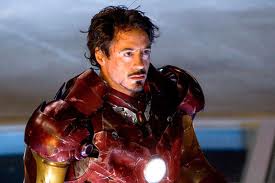


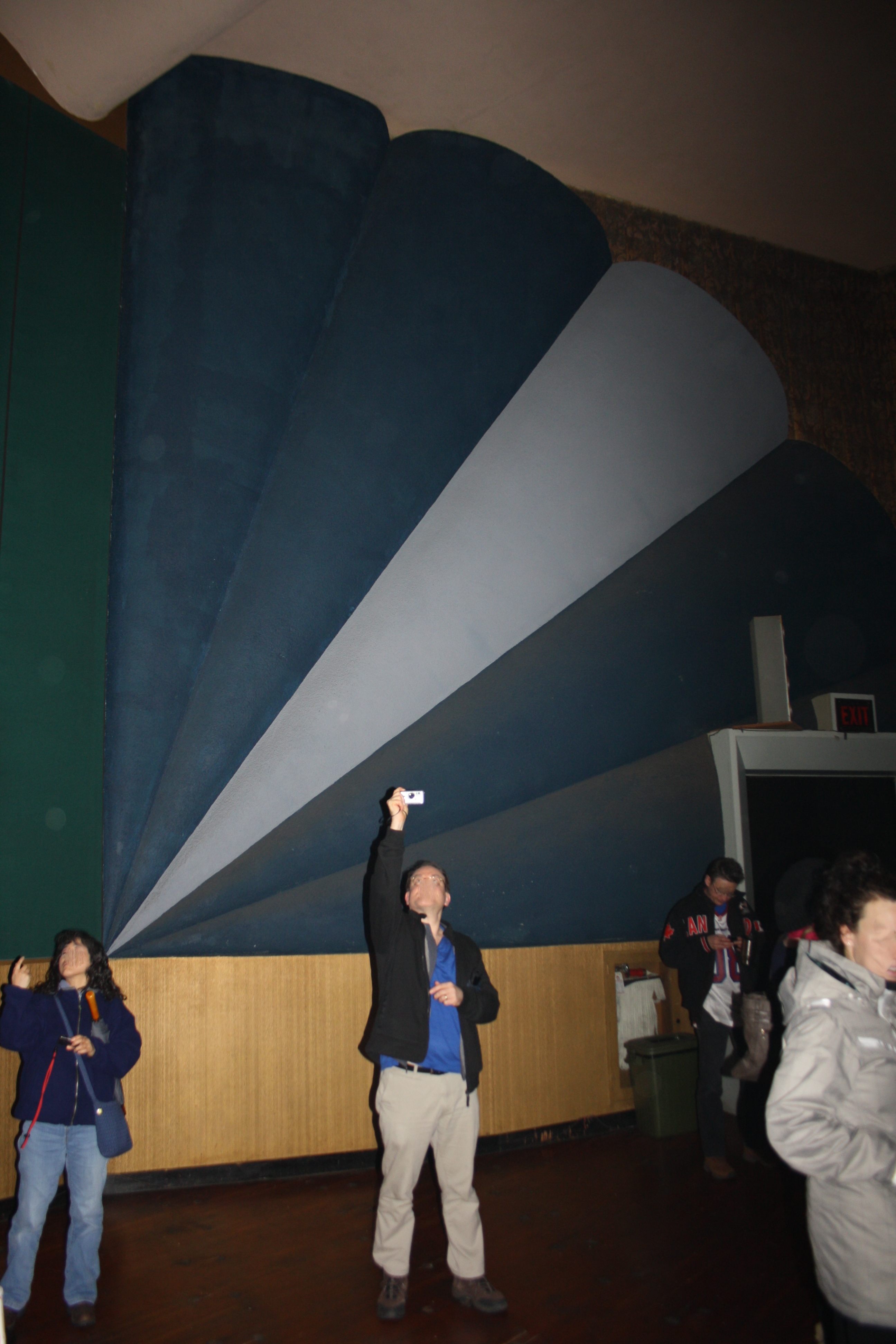

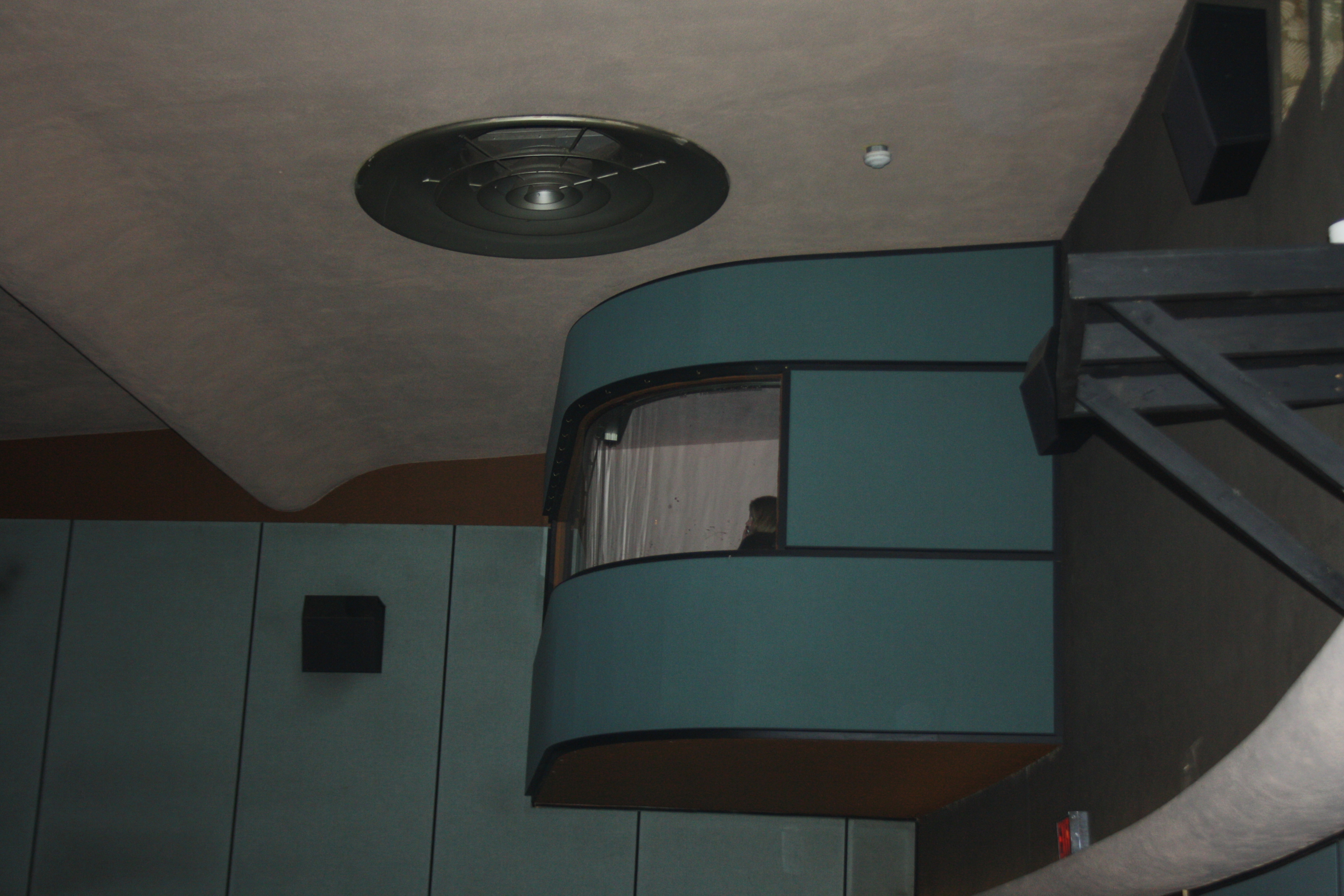

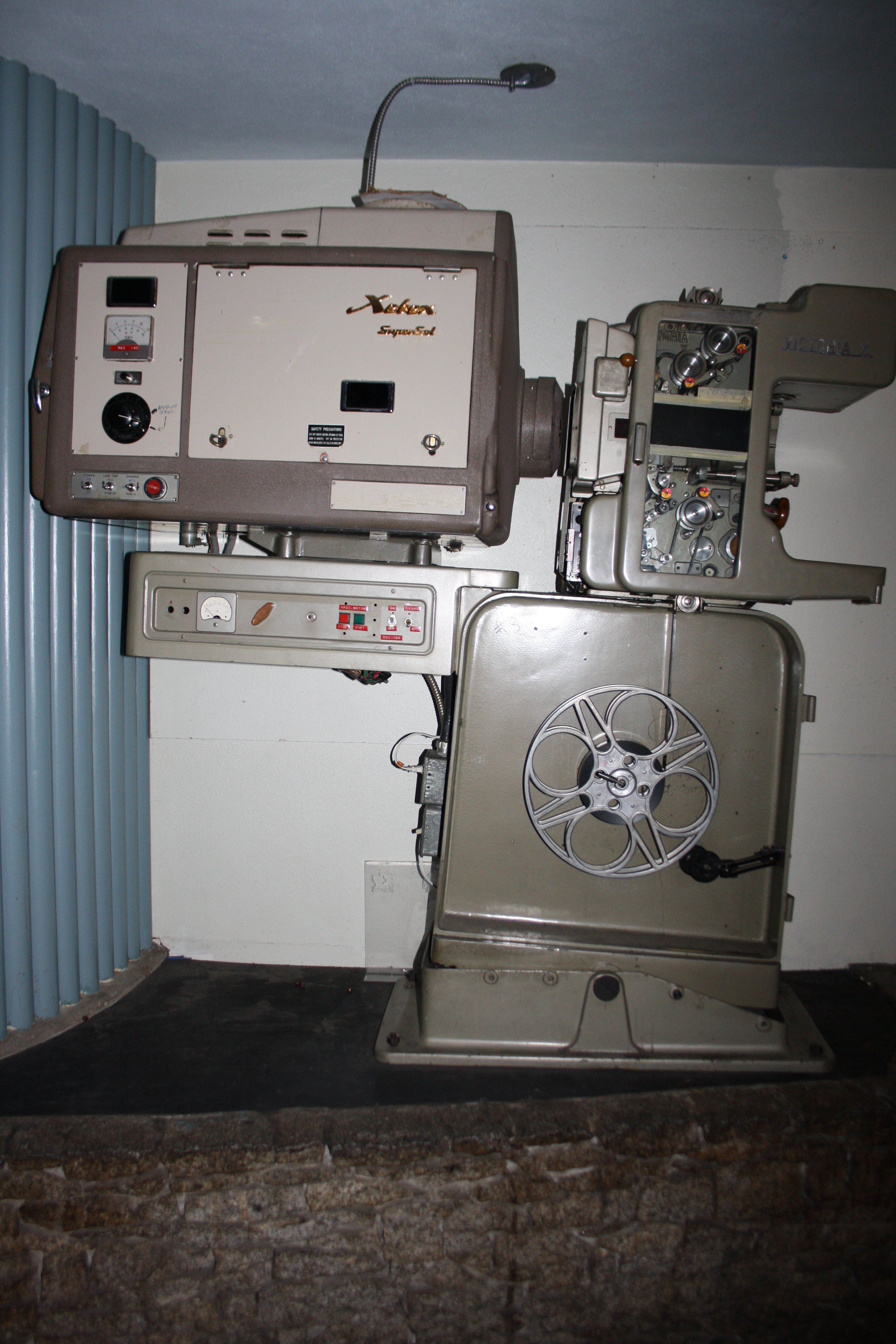
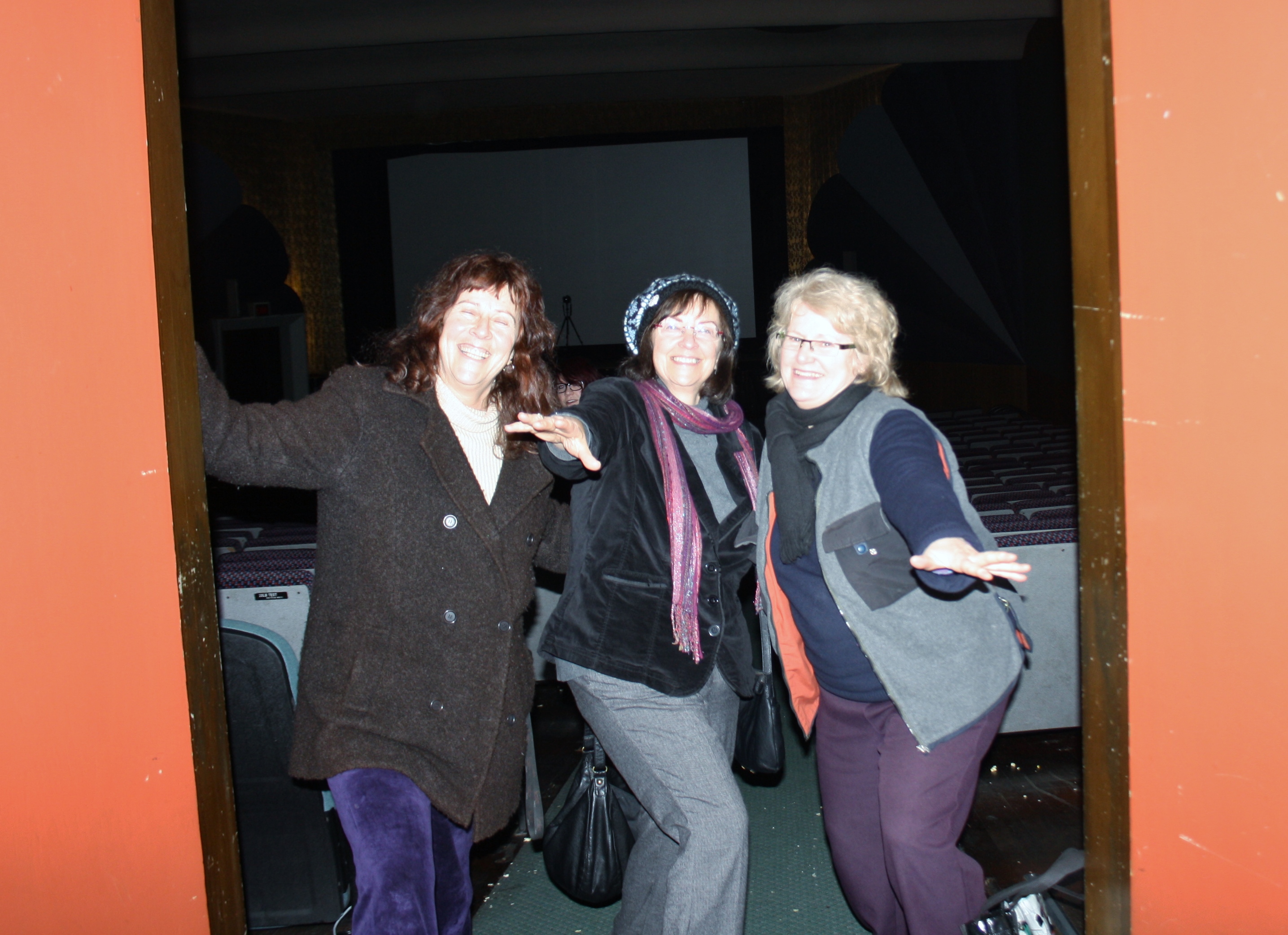
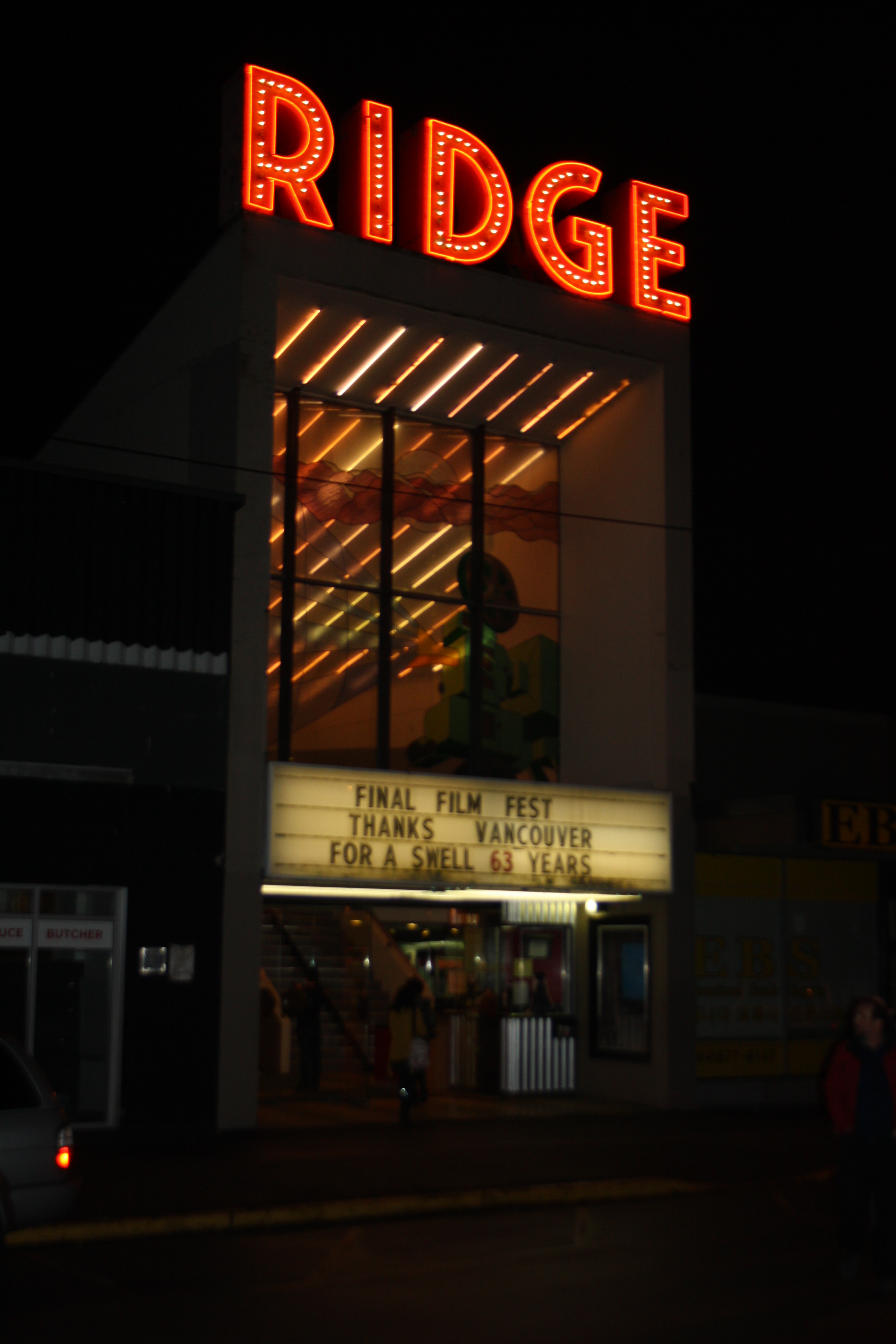





 Jon The Blogcentric