VIFF 2024 Review: There, There

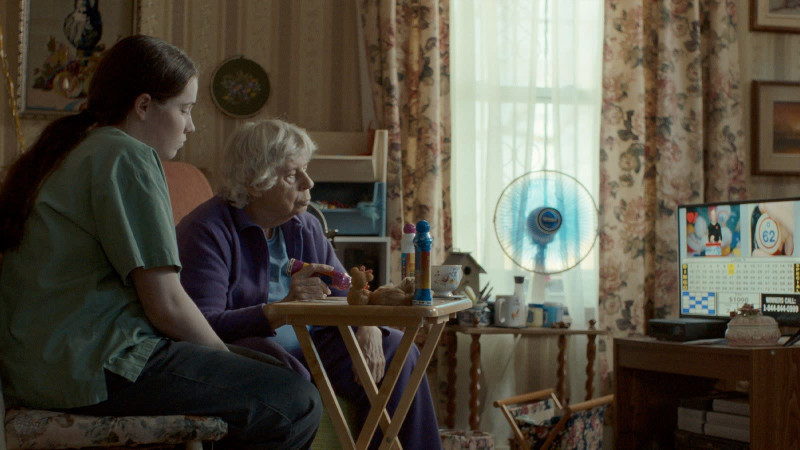
A young home-care nurse (played by Katie Mattattall) and her elderly patient (played by Marlene Jewell) form an unlikely friendship in There, There.

One thing at the VIFF is that it’s known for showcasing works from various filmmakers from Canada. There, There is the latest film from Nova Scotia director Heather Brown. It tells of an unlikely friendship of two people.

Ruth is an elderly woman living in her small Halifax home. She is doing the best she can to live her life but she is limited in both her physical ability and her mental ability. She does get home care from a young nurse named Shannon. Shannon helps with Ruth through her daily life and even helps her with playing television bingo and getting bread crumbs for Ruth to mix seeds and feed birds. Feeding birds is a favorite past-time of Ruth. Shannon is roommates with her best friend who is a social media influencer. Sometimes Shannon helps with her videos.

Soon, we learn both women are going through difficulties in their lives. For Ruth, her memory has been declining. She sees a doctor concerned she may be developing dementia. She also notices her house has been getting more insects. She buys bug spray from her local store and tapes dead bugs on paper to show the doctor. She fears the bugs are entering her body. She experiences incontinence one day. As for people in her life, Shannon is the only one who visits and the storekeeper appears to be the only other person who talks to her.

As for Shannon, she’s pregnant. Her boyfriend, who has goals of being a race car driver, has abandoned her. Even blocking her communication from social media messages. Despite that, she’s looking to get her boyfriend to face up. She even goes to the racetrack to no avail. She searches for a lawyer to take him to court once the baby is born. Meanwhile her best friend seems to be more focused on social media than on their friendship.

For a while, the two are able to find the time they need to relax. Ruth is able to make her way to the parks or the street areas where she’s able to feed the birds. Despite her pregnancy, Shannon is able to find time for a night out. The two are also helpful to each other in their own ways. There was one time when Shannon was in tears while nursing and Ruth gives her comfort. Shannon also gave Ruth her phone number in case any problems. Then almost simultaneously, everything changed. Ruth found herself stuck in an unknown place and lost in the night. Around that same time, Shannon goes into labor.

Also simultaneously, both women experience the changes in their lives. Ruth is unfit to live alone anymore. Her dementia has gotten so bad, she now has to be in a nursing home. Shannon has given birth to her daughter. For a period of time, the place she lives in becomes a place for three. Both women also learn the new changes in their lives cause them problems. Ruth may get fed, bathed and included in activities of vitality, but she can’t go out of her nursing home to feed the birds like she used to. The doors are securely locked so none of their residents can leave unassisted. As for other belongings, most of hers are now gone and she relies on donations. One donation bag, she finds a baby doll she keeps. For Shannon, her friend moves out of the place because she finds living with someone else’s baby a discomfort for her life. Shannon is still trying to pursue her boyfriend. One time, she goes to a car wash after spotting him in hopes of confronting him and showing him his child.

One day, a ray of hope. Shannon pays a visit to Ruth at the nursing home. They watch a show together. Shannon brought some bread crumbs and is able to take Ruth out to a park to feed the birds. During the visit, Ruth claims no one has visited her in years. Shannon lets her know she’ll be there. The film ends in a quiet moment with both women at their place of rest and symbolizing how they both share a bond.

This is a film of two types of women who would be seen as getting the short ends of the stick. We have a lonely elderly woman in the last years of her life concerned for her physical and mental well-being, but still trying to life as vital of a life she can. We also have a young woman who’s pregnant sooner than she hoped through a boyfriend that ended up to be irresponsible. In what should be a carefree time in her life, she faces a lot of pressures and frustrations and it’s slowly becoming a discomfort for her roommate. I’m sure you may know a woman in either of these situations. Although it’s a case where they are normally supposed to be associated with each other just as nurse and patient, it becomes a lot more over time. Just as the sudden changes happen for both of them, they reunite and it becomes obvious they have a bond between them. The story becomes a case of two lonely Halifax women of different backgrounds finding a type of unity with each other. It’s as much heartwarming as it is heartbreaking.

Some people may dismiss this as a boring film. It’s important to know when you go to a film not knowing what it’s about or just going to a film because it’s available for you to see, you should welcome what you see and judge once it’s over. From how I’ve seen it, this is a story of two women of two backgrounds that are quite common in our society. The story moves slowly but each scene tells a lot of what the two women are dealing with and how they live their lives at any given point of time. For those that have seen this film, you will notice many scenes where there is no dialogue. It’s likely the scenes were meant to do its own storytelling by imagery instead of words. With each scene without dialogue, it does a very good job of telling its story and creating the scene. The film’s mix of using scenes of dialogue and scenes of wordless imagery help in telling the stories of both women, their separate lives and their unique bond.

It’s been said by many that films should not answer everything about the story. It should have the audience asking questions or forming their answers. What the film shows presents a lot. What the film doesn’t show also presents a lot too. After seeing the film, it did leave me with a lot of questions about both Ruth and Shannon. For Ruth, it had me wondering about her past life. It left me wondering was she ever married? Does she have any family of her own, like surviving siblings, nieces or nephews? How come it’s only Shannon and the storekeeper that treat her like she exists? For Shannon, it leaves me wondering about her present and her future. Will she raise her daughter well? What about her own family? Does she not keep in contact with them? Also will she get her boyfriend to face the music? He owes her and the child. This film is very good in getting me to ask a lot of questions.

As is, this is a very good film by Nova Scotia director Heather Young. This is her fourth film and second feature. She presents a good story of two women who would be overlooked in our society but form a bond not just by one being dependent on the other but sharing a closeness that words don’t need to make present. It’s by the actions, by the moments together and even by the time alone. Young also does a smart job of choosing to have non-actors play the two main roles. Having non-actors helped with the performances here. The performance from Marlene Jewell of the elderly Ruth is very good and very believable. A retired nurse herself, she is probably very familiar with women in this type of setting or situation. She plays the part very believably. Katie Mattatall is also excellent in her role as Shannon. I don’t know of her own life but she played the frustrations of a young abandoned pregnant woman very well and very believably. She makes you feel Shannon’s situation.

There, There is a unique story about two different women who develop a special bond. It’s also a story that tells more in its images than its dialogue. That’s the most unique element of the film.
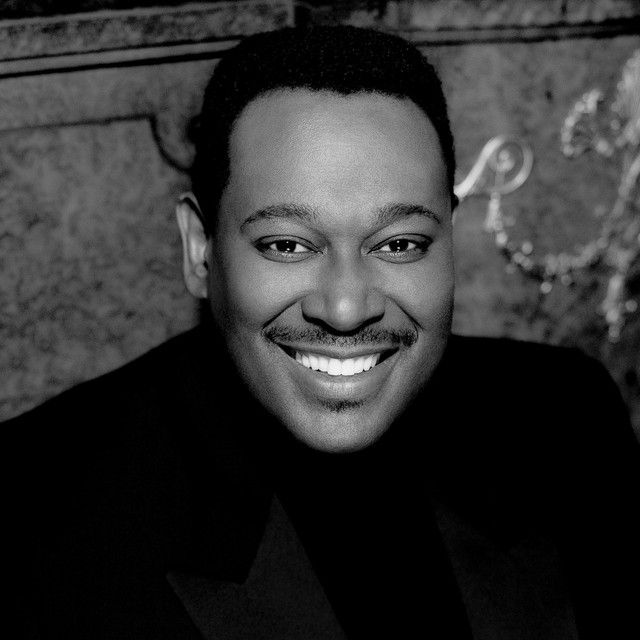

VIFF 2024 Review: Luther – Never Too Much

Luther: Never Too Much is an intriguing documentary of Luther Vandross whose music we remember, but we didn’t know the whole story.

I’m sure most of us who were teens from the 80’s or 90’s will remember the music of Luther Vandross. The documentary Luther: Never Too Much is a documentary that showcases the R&B legend’s career but also tell us of personal sides of the singer we never knew.

The film starts by showing Luther performing on stage and then focuses on his childhood. Luther comes across as the type of child which music was born in him. He was born in a housing project in Manhattan to a father who was a former singer and mother who was a nurse. At three, he taught himself how to play piano by ear thanks to having his own record player. At 9 and shortly after the death of his father, the family moved to a rough area of the Bronx. His older sister Patricia sang for the group The Crests, most famous for the hit 16 Candles. His sisters took him to the Apollo theatre to see acts perform for free. For Luther, that was his way of escaping the threat of street life. There, he not only got to see legends perform on stage but he studied the performers, their movements and their singing.

As an adult, music was so much a passion for Luther, he dropped out of college to pursue it. Despite trying to make it in the music business being very tough, Luther was very driven. He led a Patti LaBelle fan club, finally got on stage at the Apollo as part of the group Shades Of Jade, and then formed his own vocal group Listen My Brother. Listen My Brother got to perform on some of the very first Sesame Street episodes! Vandross tried other routes in music such as writing songs for Patti Labelle and the Blue Belles, Roberta Flack, Bette Midler, Diana Ross, Donny Hathaway and Chaka Khan. He also sang back-up for artists like Gary Glitter, David Bowie, Carly Simon, Donna Summer, Sister Sledge and Flack. He would also create jingles for many commercials, including many fast food franchises.

The whole time, many felt Vandross had what it took to make it as a solo singer with his singing and his drive. There were some critics who felt his weight is what kept him from having star potential. The turning point was when in 1980, he was ‘fired’ by Roberta Flack as he was a back-up singer on his album. Flack told him he was too good to be a back-up singer. He deserved better. It’s that move that finally started his drive to make it as a solo singer. The first crack as his singing career started in the summer of 1981 with his album Never Too Much. It went double platinum and the title song hit #1 on Billboard’s R&B chart and #33 on the Hot 100. That would be the situation through the first years of his solo career. His songs would become big hits on the R&B chart but would very rarely hit the Top 40 on the pop chart. The album also helped him achieve his first two Grammy nominations.

Vandross would get more notice in the public eye as he continued to release music over the years. Becoming known as the ‘Velvet Voice,’ his Grammy nominations made him one to watch. His jingle singing would be made fun of by Eddie Murphy in his comedic monologue of singers. Of which, Vandross responded by singing his KFC jingle while Murphy was in the audience. Vandross would also get nasty flack about his weight. His concerts drew huge attendance and his hits started getting bigger on the pop chart despite not making the Top 10. On the negative side, he would get more Grammy nominations and wouldn’t win. His weight was a constant struggle throughout his life and it appeared in the mid-80’s he was finally losing weight. Then in 1986, he drove recklessly with Jimmy Salvemini, a singer he was working with, and his manager brother Larry. The car spun out of control and crashed, killing Larry. Vandross was badly injured, was sued by the Salvemini family, and returned to overeating.

In late-1989, his fortune made a turn for the better. He released a Greatest Hits album co-titled ‘The Best of Love.’ The compilation went triple-platinum and it gave the hit Here And Now that became his first-ever US pop Top 10 hit, peaking at #6. The hit also helped Luther win his first Grammy after nine previous nominations. Further pop success continued with the album Power Of Love in 1991. The album peaked at #7 on pop albums, certified double-platinum, spawned two more Top 10 hits on the pop chart and won two more Grammies. Additional pop success came over the years with two more Top 10 duets with Janet Jackson and Mariah Carey.

Despite all the success, Vandross was still going through a lot of personal problems. He had health problems, continuing struggles with his weight and difficulty confronting his sexuality. The early-90’s saw the rise of hip hop and its eventual revolution with the African American music scene. Vandross’ career soon faded and he would be dropped from Epic records. In the early 2000’s, Vandross made less public appearances and was quietly teaming up with Richard Marx to create what would be his last album: Dance with My Father. The album went double-platinum and the title song went platinum and would win the Grammy for Song Of The Year. Unfortunately a year earlier, he had a stroke that left him bound to a wheelchair and unable to sing. Vandross’ mother accepted the award on his behalf. After two years of struggling with the effects of his stroke and diabetes, he died in 2005 at the age of 53. His funeral was well-attended by legends of R & B like Aretha Franklin, Patti LaBelle, Dionne Warwick and Stevie Wonder.

This documentary is more than just a common biographical film of a musician. It’s also a good focus at a lot of garbage musicians face in the music business. Luther was an excellent singer, musician and songwriter, but making it in the business was hard. The music business always gives its performers commercial expectations or else they will dropped in favor of a rising star with better selling potential. All too often, talented people get overlooked by singers or performers with better looks. All too often when a record label looks to hire a solo male singer, they expect him to look like a “Prince Charming” or a “Mr. Hot Stuff.”

Luther was the case of person who loved music so much, he was determined to make it whatever way we could. Even as he was frequently shunned because of his weight n the 70’s, his musical work, back-up singing and songwriting ability is what made him be active in the business. Even after he made it, he still faced the difficulty of racism in the music business, pressures from his record label and personal setbacks. His biggest problems were about his weight and his closeted sexuality. In the 80’s and 90’s, he was in the public eye and judged. If he was overweight, he was ridiculed in the press. When he lost weight in the mid-80’s, he was rumored to have AIDS. He would admit in talk shows that food would be his drug or source of solace. As for his sexuality, it was a case back in the 80’s and 90’s that a male singer with a romantic voice couldn’t come out. He had to keep it hidden throughout his life. It’s only after his death it came to light.

The film is as good at showing some of the problems Vandross faced in his music career as it is about his music. It was good at showcasing his many achievements. Many of which, some of his biggest fans wouldn’t have known about. The film is also very good at getting even some of the most personal information about Luther from some of the people Vandross was closest to from musical colleagues to family members. As a musical documentary, it doesn’t offer too much in terms of a new and different way of presenting its story. There are times it feels like the common formula in music documentaries. Also in terms of chronology, I noticed there were times in which some of the musical events in his career weren’t shown in fluid chronology. Whenever the film focused on a particular year, some songs were shown years before their release.

This film is a good achievement from Dawn Porter. Porter is known as a documentarian whose works primarily focus on African American subject matter. It started in 2013 with Gideon’s Army and still continues well. She also has in plans a documentary of the Mandela’s coming up. Here in this documentary, she does an excellent job of presenting a life of a man who loved music and had to make a profession of it however he could and was lucky enough to be a famous singer. She also presents well the personal troubles and difficulties Vandross went through. The documentary of Vandross’ life and career also makes a good lesson to wannabe musicians who want to make a career. The obstacles he went through are common big names in the music business go through and have to overcome. It’s easy to see how so many either don’t make it or get swallowed alive even if they do.

Luther: Never Too Much is an intriguing look at an R&B great that shows the singer’s drive, his fame, and his struggles, both physical and personal. His story is showcased in a format common in music documentaries but it presents its story very well.

2023 Oscars Short Films Review: Animation

It’s interesting with seeing the reels of the shorts films, the Animation nominees are often the ones with the least total running time. They go by so fast, the shorts.tv reel add in a couple of other shortlisted films that got their honorable mention.

Anyways without further chit-chat, here are my reviews of the nominated animated shorts:

Letter To A Pig (dir. Tai Kantor) – The story begins telling of a boy hiding in a pig sty from Nazis who seek to put him in a concentration camp. The Nazis can’t find him. Fast-forward many decades later. The man tells his story to school students on Holocaust Memorial Day. He tells of how he credits the pigs in the pig sty for saving his life. He even wrote a letter to the pig. As he reads it aloud, one boy gives a taunting “oink,” while a female student listens intensely. As she engages herself in the story, she imagines herself and her classmates coming across a giant almost monstrous pig and them holding him prisoner in a trap. As they hold the pig prisoner, she can feel her nose metamorphose into a pig snout. Soon she feels sympathy for the pig and lets the pig go. As the pig is set free, he shrinks into a piglet and she hugs him.

This is an impressive story. It’s a story of a man who tells how a sty of pigs — animals he had been taught his whole life to regard as filthy and disgusting — helped spare him from dying in the Holocaust. As the young girl hears the story, she reflects on her own feelings of human hatred directed towards a pig in her mind and how she develops sympathy soon after and learns to love the pig. The story has its themes of collective trauma, fear and identity. It’s done in an impressive style that consists of a mix of 2D pencil drawings with minor colorization and mixing it with live-action images. The film is as much about the imagery as it is about the story. That’s why I give it my Will Win pick.

Ninety-Five Senses (dirs. Jared and Jerusha Hess) – The story begins with a man telling his views of human senses and colorful images about from the words he tells. At first you get the impression, this man is friendly. Then you hear his story. This man is on death row having his last meal. The capital offence he committed was arson of a repair shop he was fired from. He loved the jobs, but couldn’t handle being fired. He responded by setting it ablaze, forgetting the shop was also a house where the family lived above. As he anticipates his last meal, he looks over his past with regret, but also a sign of hope in the afterlife. He even has an outlook of how all once a person died, each of the five senses fade in their own way one by one. After a life of only five senses, he looks forward to the 95 senses in the afterlife.

It’s very rare you hear a story of a man awaiting execution to be told with a light-hearted spirit or even with some optimism. Never mind including humor. The man, voiced by Tim Blake Nelson, does a great job in telling his story without it becoming a common “Sob Story” you’d expect from a Death Row inmate. The story comes with some surprises for those who watch, like you wonder how a man that sounds so friendly would end up on Death Row. The film even ends on a humorous note. The story not only tells of the incident and of his observations and hope, but it does so in including in all five of the human senses. The story is told through six different animation styles and a multitude of colors that’s a delight to watch, despite the dark subject matter.

Our Uniform (dir. Yegane Moghaddam) – This film is where Yegane tells her story of growing up as a girl in Iran right after the Islamic Revolution. She talks of how the female teachers taught the girls to shout anti-American, anti-Israel and anti-UK messages on a daily basis. She talks of the uniform she was required to wear at school and of how the women there were firm in how all girls should wear their clothes in a proper manner and have all their hair hidden in a hijab. She talks of the difficulty she had in the hijab covering her hair that was longer than the hijab cloth, which got on the women’s nerves. She reflects on how growing up, she was taught under the new revolution to feel like she was inferior to men or below men.

No question this is a film of how a girl was indoctrinated with sexism not simply at a school, but from a system implemented by the ruling regime. The theme of the story is to do about clothing and the strict religious regulations of how girls should wear their clothing according to the new regime. The story is told with stop-motion imagery using clothes or fabrics of the clothes she wore as a child. The images drawn or painted on the clothes as well as the stop-motion movements of the clothes do a great job of telling her story. The use of clothing in the animation of telling the story is vital since clothing has a lot to do with what life was like under the regime. It makes the images as vital to the story as Yegane’s retelling. Hiding all your hair in a hijab and wearing a dress that covered everything was the new law in Iran and the film shows it in a unique way.

Pachyderme (dir. Stephanie Clement) – A woman retells her story of how as a young girl, she would often stay at the cabin of her grandparents. Her grandfather’s stern manner leaves her with a feel of fear and discomfort. The cabin was located by a lake. The cabin bedroom she sleeps in has a displayed elephant tusk the grandfather names “Pachyderme,” pointing in its direction in the hall. The room would give the girl and eerie sense about it through the wood imagery and the creaking of the boards. Even though the grandparents would say there’s nothing to fear, she felt there were monsters to take her. She goes to a lake where a woman had drowned some time earlier and feels spirits drawing her to its depths. Some time later, the grandfather dies and Pachyderme is split in two. As she returns to the cabin following her grandmother’s death, she takes both pieces of Pachyderme to the lake to bury it in the water. One of the two pieces is not completely immersed.

This film has to be the darkest of the five. In reading articles about it, it deals with the subject of incest. Incest itself is disturbing enough for audiences so it makes sense that it’s told through subtle imagery and storytelling that hides the actual facts. The theme of how she regards her grandfather as a monster and how it’s represented in Pachyderme adds to the storytelling, including the burial at sea. The ending where she attempts to bury the two pieces of Pachyderme in the water remind us she can bury a horrific memory like her grandfather’s terrible ways, but the small piece sticking out reminds us the bad memory can’t completely be buried. The imagery of the story is told through 2D images that appear as common images one would remember from storybooks they read. Possibly the monster that is her grandfather is epitomized through the common images of monsters we read in our children’s books of the past. It’s charming in its imagery as it is disturbing to see and listen to the harrowing story.

War Is Over! Inspired By The Music Of John And Yoko (dir. Dave Mullins) – The film starts in a battlefield of war. One soldier has a chess set where he appears to play by himself. After he makes his move, he writes his move on a piece of paper and attaches it to the leg of a messenger bird. The bird flies to “enemy territory” and gives the message to an “enemy” soldier who also has a chessboard and looks like he’s playing by himself. After he makes his move, he writes his move to a message for the messenger bird to deliver. Over time, the intrigue grows with the soldiers on both camps. As the bird delivers message after message, the anticipation on what the next move will be or who will win appears to quell the enmity between both sides. Then checkmate! But the sergeant is disgusted by what he sees. He reminds the camp they’re enemies and the battle must begin now. The soldiers on both sides line up with bayonets and all ready to do battle against the “enemy.” The battle begins and bloodshed ensues. On the field one soldier notices the messenger bird is shot dead. Just as the two soldiers from the chess game confront each other, it’s there from a message that slips out that one realizes the other is his chess rival. They drop their guns. All drop their guns when they see the written message “War Is Over.”

This is a creative story Dave Mullins directs and co-wrote with Sean Ono Lennon and Brad Booker produces through the inspiration of John Lennon’s legendary Christmas song and the message “War is over if you want it.” The one 3D-computer animated film nominated in this category this year, this is a film with a montage appearing to have a World War I setting and sends a message that still matters today. There may be a winner in a chess game but there are no winners in war. The scene where all the soldiers are intrigued and excited by a chess game against a player from the “enemy” side sends the message that enmity is something war creates and provokes, and is often unnecessary. The ending where the bloody battle is instantly ended with the written message “War Is Over” also sends a message of how many battles are in vain. The story first seems to be a story that’s either cute or “fluffy,” but the ending of the bloody battle with “Merry Christmas (War Is Over)” sends a significant message that is as important today as it was when John and Yoko recorded it back then. That’s why I give it my Should Win pick.

And there you have it. That’s my review of the five films nominated for Best Animated Short Film. Interesting that in a time where animated features appear to be dominated by 3D computer animation, only one of the five nominated films is such. That’s what I like best about this category. It opens itself up to various styles of animation, rather than going with one that’s all the rage.

2021 Oscars Shorts Review: Animation and Live-Action

Last year, I was only able to see the Oscar-nominated short films online through VIFF Connect. This year, they returned back to the theatre. I had the good fortune to see the nominated films for both the Animated and Live-Action categories. All the films are unique and deserving of their nominations. Here’s my review of the nominated films for Animation and Live-Action:

BEST ANIMATED SHORT FILM

Affairs Of The Art (dir. Joanna Quinn) – Beryl is a struggling artist. She comes from an eccentric family. She has a sister whom, as a younger child, had a fixation with deceased animals and dissecting them. It paid off for her as her sister has done a very profitable post mortem business in Los Angeles and has attracted many big name celebrities. Beryl has always had an obsession with drawing and colors and has a goal of being an ‘artiste of note,’ but it’s only paid off very humbly for her. How can she make it work?

This is a charming animated film. Full of quirky drawings with a quirky story and charming characters. Not to mention very colorful 2D animation. It’s a story that will get you either laughing or weirded out. You will find yourself liking it in the end.

Bestia (dir. Hugo Covarrubias) – This stop-motion animated film tells the story of a Chilean woman. She has a good relationship with her dog. The outside world on the other hand, she is savage to. She is cold and calculated in every move she does. She cuts her meat in sinister fashion. Whenever she plays music, it’s in cold fashion. And she’s cold to the people she meets. She just comes as a very sadistic emotionless person.

The character is inspired by a female prison guard who is one of the most infamous Chileans ever. The film in stop-motion is done excellently giving a cold feel of the story. Although most of us outside of Chile may never know this person, it does an excellent job in capturing someone cold, merciless and emotionless. Also a reminder of how Chile still harbors silent wrath over some of its past infamy.

BoxBallet (dir. Anton Dyakov) – The film is a story of two people. One is a female ballet dancer, slender and graceful. The other is a male boxer, rough and laden with visible scars. Boy meets girl and opposites attract. But can it result in love? What unfolds is a love story between two people that one would not expect to see happen.

This is another charming 2D animation story. It has its own quirky style of animating and telling the story. The visuals are comedic and entertaining to watch. The story does seem odd at first, but the relationship and the story does come across as right in the end. Very enjoyable.

Robin Robin (dirs. Dan Ojari and Mikey Please) – This is a sweet fable of a robin who is raised by mice since birth. The mice have a habit of stealing from humans houses. But every time they attempt stealing, the robin gets the ‘who-mans’ angry and after them. It happens every time. The Robin breaks the top rule of their stealing: “Don’t attract attention.” And now they’re down to the last house in the neighborhood. On Christmas, the robin wants to prove to the mice, and a cat who’s pursuing her, that she can be a good mouse and steal the Christmas Star. In her attempt she fails again, but she later learns a lesson of self-acceptance.

This is a charming story, a fable put to good visuals, Kind of what most of us expect of animation. Aardman Animations, the studio famous for the Wallace and Gromit and Shaun The Sheep movies, does an excellent job in telling the story with great visuals and great characters in its short time. A charming delight for all to see. It’s because of this I give it my Should Win and Will Win picks.

The Windshield Wiper (dir. Alberto Mielgo) – Inside a cafe, a man is smoking a whole pack of cigarettes and reading a newspaper. Then he poses a question he asks all of us: “What is love?” The film then goes over his narrative of how humans view love along with visual images of dates, encounters and even dating apps.

The film is a 2D film full of visuals that are key to telling the story. It gives us colors and various images that we can identify with and also add more significance to what the man is talking about. Funny thing is in these 2D images, we can see us. Sometimes it makes it look like humans nowadays are more clueless about love than ever!

To sum up the five nominated films, all are good in their storytelling. Some are 2D and some 3D. All have their own different style. No two are alike. What’s most surprising is that none of the films shown before the Disney Studios or Disney Pixar films were nominated this year! Most years, one of the films is nominated. That’s a surprise!

BEST LIVE-ACTION SHORT FILM

Ala Kachuu: Take And Run (dir. Maria Brendle) – Sezim is a young girl in a village in Kyrgyzstan who dreams of going to college. Her friend Aksana is supportive of her and arranges an interview with the college for her. She even gives her a brief driving lesson. This does not sit well with Sezim’s mother who wants her to be more traditional. One day while working at the bakery, three men come looking for one of her female co workers. The co-worker is absent for her shift. They first leave, but then return to abduct her and have her married off to a man she never met before. This breaks Sezim’s heart because she had so many future goals. Her mother is very approving. The village is supportive of this and her husband acts loving to her. However Sezim is frustrated and needs to find a way to escape. Can she seize the opportunity?

This is an excellent film from director Maria Brendle. It deals with the taboo of marriage-by-capture or “bridenappings.” This is something that is happening in many countries. In most of them, they’re illegal, but law officials are too laxed to enforce the law. Traditionalists often embrace it as the way to be. Often the woman is pressured to stay in the marriage by the society and even her families. This story puts a human image to this taboo issue. Even seeing of how her mother is approving of this sends a message of one of the barriers to stop it. That scene where Oksana is searching for Sezim, but her mother talks scornfully to her about her independent way of living also adds to how traditionalism adds to this problem. Even the attitude of traditionalists to “city girls” says a lot about this issue. It’s because of how a hot but taboo topic is tackled is why I give it my Should Win pick.

The Dress (dir. Tadeusz Lysiak) – Julia is a woman with dwarfism in her thirties who works cleaning motel rooms. She’s been single all her life. Her best friend, Renata, her co-worker for years, is a full-grown divorced woman and the mother of three. Julia often confides to Renata her personal feelings. Julia hates feeling like a misfit. She strongly feels if she was “normal-sized,” she’d have a man in her life. One day, she attracts a patron named Bogdan. She later learns Bogdan lives in the same building as her. Bogdan has been showing attraction to her, but it’s hard to date since he has a trucking job where he frequently goes to Kyiv and back. Could she finally have a chance at love? Julia always dreamed of having a nice dress. Renata helps assemble a dress for her for the big night. The big night between her and Bogdan finally happens, but it turns out to end not how she expected at all.

This is a story you want to have a happy ending. Like finally Julia meeting the man of her dreams. Finally Julia’s in love. Instead, Bogdan turns out to be a misogynist. The ending of the film leaves you wondering if the overall message of the film is about the way women are treated. Julia learned Bogdan gets misogynist in his lust, but Renata has an abusive husband. Maybe the message is saying that it doesn’t matter whether a woman is full sized or small like Julia. Women share the same struggle with their treatment from men. I mean the story appears to be one about a woman with dwarfism searching for a purpose or a belonging but maybe it was meant to be something else.

The Long Goodbye (dirs. Aniel Karia and Riz Ahmed) – The film begins with an Indian family in the UK getting ready for a wedding. Everyone in the house is excited and panicking at the same time. They all want to look their best but will they be ready? However the simple concerns about being dressed properly end as they notice a group of white nationalists enter their area with a van and a gun. Riz is the first to notice and warn the family, but it’s too late. The nationalists enter and demand the family get out of the house where they are lying down on the street. Then one of the men shoots five of his family. Riz gets up and does a rap full of anger about British imperialism and how his people have been treated by the UK in history.

White nationalism is on the rise in many countries, including the UK. Something that many were hoping to see become a thing of the past has seen a recent resurgence as many right-leaning politicians in the world have help embolden racists and stimulated in them a will to be more vocal. Most threatened are the racial minorities. Like families from India who come to settle in the UK. And this is where Riz starts his angry rap about where he’s from. They came to the UK to get a better life only to get this racist incident. He doesn’t know whether to see the UK as a country of opportunity or this monster who’s constantly running his people through the mud time and time again. The mix of drama and Riz’s rap really makes a strong angry statement. He concludes it well when he says “Where I’m from is not your problem, bro.” That’s why I give it my Will Win pick.

On My Mind (dir. Martin Strange-Hansen) – It’s morning in a bar in Denmark owned by a husband and wife named Preben and Louise. Louise doesn’t have too many customers to serve which allows Preben to do accounting of all the receipts from the previous night. A depressed-looking disheveled man comes into the bar and asks for a large amount of a whisky. His name is Henrik. As he’s drinking, he notices the bar has a karaoke microphone. He asks Louise if he can do a song for his wife: the country song “Always On My Mind.” The problem is the karaoke system isn’t on until the evening. Henrik can’t wait until the evening. He has to do it now. He even gives the two 500 Krone to do it. Preben is stingy about it, but Louise is more willing. Preben begrudgingly allows him one chance. Henrik starts singing and Louise records his singing on his smartphone, but it’s interrupted by a message. Henrik attempts to do it again, but Preben cuts the power to the screen. He’s had it with him, especially since running the karaoke machine is costly. He even gives Henrik his money back, but it’s there when Henrik explains the reason why this is so important; his wife doesn’t even have an hour to live. It’s there when Preben is willing. Henrik is finally able to complete his rendition of the song and play for his wife to hear, even if she’s brain-dead when he plays it for her.

At the end of the showing of the shorts, I was with some Danish students who said it’s very common in Danish student movies to have it set in a bar. I never knew that. Whatever the situation, this is a good story. You think it’s one thing but it turns out to be something more instead. You think it’s a simple karaoke song, but instead it’s Henrik’s last opportunity to tell his wife he loves her. Even though she’s brain-dead, he senses she got the message. The film gets you believing in the human soul and it convinces you the love between Henrik and his wife is eternal. Not just “til death do us part.”

Please Hold (dirs. K. D. Davila and Levin Menekse) – A young man named Matteo is just living his life normally when all of a sudden, a police drone, gun and all, has let him know he’s under arrest. He’s ordered to enter the automated police car which takes him to the automated holding centre. He’s instructed to go to his cell, where he’s unattended and supervised by video cameras. He can see a lawyer, but it’s through an online legal service where lawyers meet through Zoom-style meetings. Making phone calls to anyone is very costly and credits can be earned back through time or hobbies automatically delivered. That’s especially frustrating since Matteo is in danger of being sentenced to over 20 years in prison. He needs a lawyer bad. He takes a knitting hobby which he slowly earns credit. He does get the lawyer money he needs from his mother, but the appointment fizzles out, leaving him extremely frustrated. However there is a light at the end of the tunnel.

This is a very unique “What If” scenario. We have computers and Zoom meetings taking care of a lot of our duties. Can we really trust an automated justice system or police drones? Sure, the flesh-and-blood police have lost a lot of our trust, but replaced by computers? This film seems to think computerized technology can’t replace human interaction. Also Matteo’s scenario of being in a prison where he can only communicate through automation could even remind a lot of people of the pandemic and of its tightest days of how people had to confine themselves to their houses. A lot of ways you can look at this film.

To sum up the nominated Live-Action Shorts nominees, all of them are very good films. There are a lot of stories that are well thought-out and some stories that end up being more than what one originally expects. Some have topics that are very relevant to what’s happening now, like about racism and sexism. There’s one that focuses on a futuristic topic and fancies what the future of justice will be like, which is nothing to fancy over. And there’s one about a universal topic of love beyond death that has always been one of thought and continues to be one of thought.

And there you go. This is my summary of the films nominated for the Oscars for Best Animated Short Film and Best Live Action Short Film. Hope you’re lucky enough to catch them in the movie theatre like I did. Some may be seen on streaming services or YouTube, but the big screen experience can’t be beat.

VIFF 2021 Review: The Scary Of Sixty-First

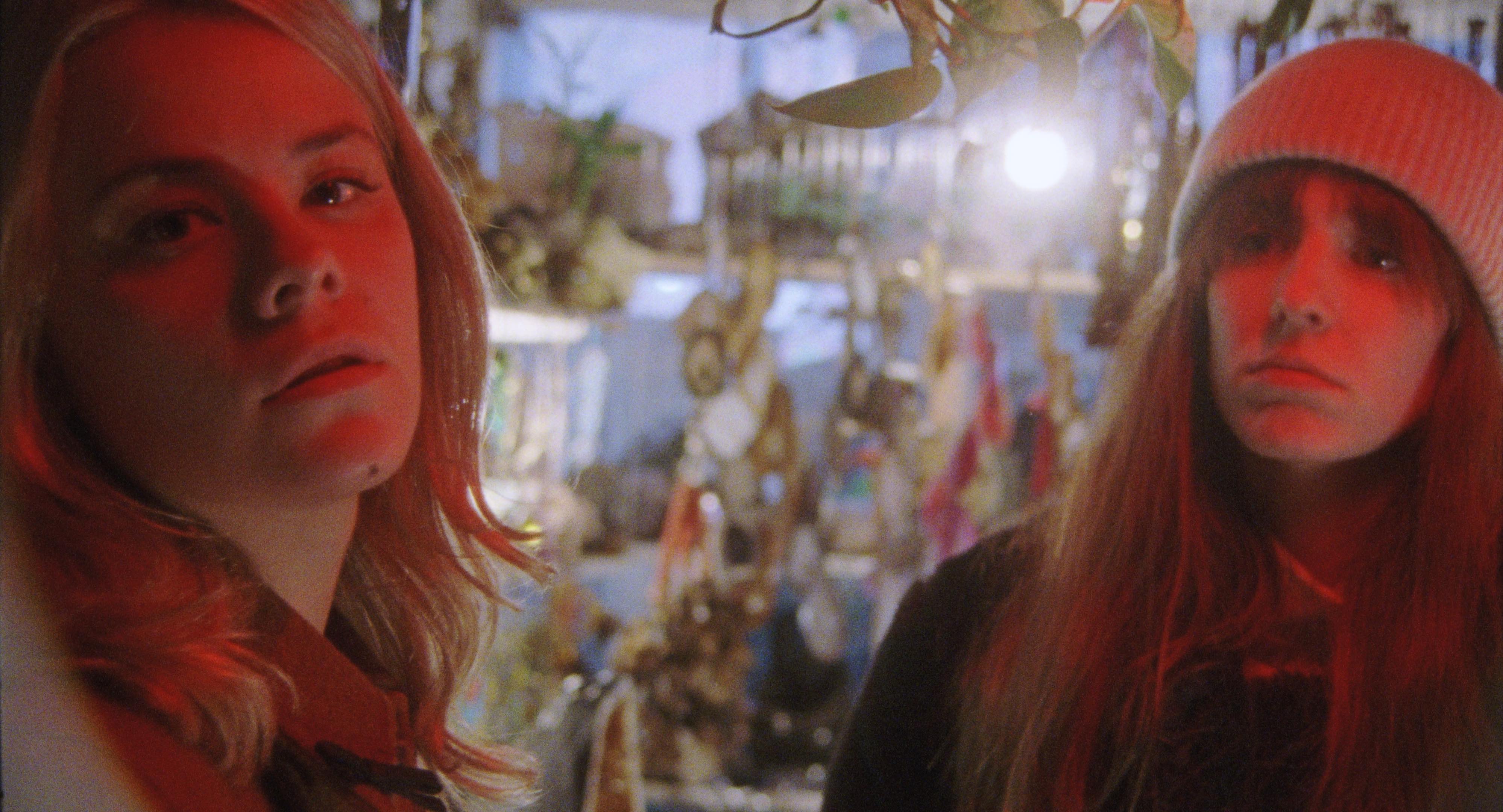
Supernatural hauntings of a New York apartment and a ring of famous sex offenders spark intrigue in a pair (played by director Dasha Nekrasova and Madeline Quinn) in The Scary Of Sixty-First.

The Scary Of Sixty-First is an American film that’s part of the VIFF’s series of Altered States films which set one up to expect the unknown, unusual and even bizarre. Here, bizarre is an understatement.

The story begins close to Christmas with two female friends, Noelle and Addie, searching for an affordable apartment in New York City. The come across one place in the East Side which is grand in size and has just been made available after the recent death of its tenants. The realtor however makes clear that at an affordable price any place they accept is taken as is. The girls find a place in New York’s downtown area. They are willing to clean everything up even though it was left behind with a big mess, including a moldy turkey with a dead mouse found in it. After their cleaning, they decide it’s worth staying in temporarily.

They have no problem living together, even though Addie has a boyfriend named Greg. Addie is at a crossroads in her life. She doesn’t know whether to move on and establish herself, or live with Greg. One day, a young woman visits the place while only Noelle is home. She introduces herself and informs Noelle that this suite was owned by Jeffrey Epstein before he was arrested. Just when both Addie and Noelle were already starting to sense the bad vibes of the place, it gets even worse when they notice blood underneath the mattress. They find a tarot card with a provocative image that they feel holds a clue to the place.

The other woman and Nicole start having a tempestuous relationship. It almost appears the place is becoming more like Noelle’s and the other woman’s instead of Noelle’s and Addie’s. As they both are trying to get a better understanding of the place, Addie is feels drawn to the place, despite also sensing the danger of it. Addie starts having an interest in Prince Andrew as the woman tells Noelle of the stories involving Prince Andrew to the place. Things turn for the bizarre as while she has sex with Greg, she shouts in a demonic voice for him to imagine her underage. That creeps Greg out and starts the friction in the relationship. The woman and Nicole are especially freaked out by Addie’s frequent masturbation, child-like behavior, and fixation with Prince Andrew memorabilia.

As the woman and Noelle get further and further into the Epstein connection with this place, they have had enough. They go to a crystals shop where they think the man who runs the store will know what the tarot card means and will have a good sense of what’s wrong inside. The man turns out to be creepy as he appears to deride them both of what he senses in their aura. However once they show him the card, he’s convinced of the problem and warns them to leave.

Then one day, Addie arrives to the place appearing like she’s possessed by a demon. Both of the women notice Addie worshiping whatever appears to be in the place. The two have to go in, fearing the worst. The end culminates in something you would not at all expect no matter what you had anticipated. It’s even a surprise for Addie, Noelle, the woman and Greg.

This is truly a bizarre story. The story already begins on a creepy note about a house left over by deceased people which the two have to clean up themselves, only to discover a moldy turkey in the fridge with a dead mouse in it! The bizarreness just starts there and continues into weirder territory. The weirdness grows with the mention that this was owned by an associate of Jeffrey Epstein, then comes mention of Prince Andrew, and the bizarreness grows and grows after that. Sometimes, you’re left wondering what the main theme of the film is about? Sex-offenders? The supernatural? Bizarre possessions? What is the main subject? There were even other people leaving the theatre wondering what was the point?

Despite the bizarre story, I give credit to Belarussian-born Dasha Nekrasova. This is a very ambitious film she directs, co-writes with co-star Madeline Quinn and acts in. It’s a very daring story as it reaches into the supernatural, the provocative, and even the taboo. However it’s a story that gets you wondering what is the overall point? Yes, the ending is different from what one would expect, as one should be, but it doesn’t make sense in the end. Sometimes you wonder what was the film aiming to be? A scary drama? A scary comedy? A load of shock value? What exactly?

Despite my confusion with this, I will say the acting from Dasha was very good as she did an excellent job with her part. even the scenes where it didn’t appear to make much sense. Actually if anyone should understand this story, it’s Dasha. Madeline Quinn was also very good as Noelle. Being the co-writer of the story, she would most likely be the only other person who understands the story best. Betsey Brown was also very good as Addie. Being under a bizarre possession opens the door for bad acting. But Betsey pulled it off well. Mark Rapaport is also good as Greg. He has the luxury of portraying possibly the sanest character in the story!

Despite the weirdness of the film, this film has attracted awards mention. At the Berlin Film Festival, it won the Best First Feature Award and was nominated for an Encounters Award and a Teddy Award (given to LGBT films) for Best Feature Film. At the Sitges – Catalonian Film Festival, it was nominated for a New Visions Award for Best Motion Picture. Over on Rotten Tomatoes, many critics see this film as a tribute to the bad horror movies of the 80’s. Maybe these film festivals and critics are seeing something in it most of us didn’t.

The Scary Of Sixty-First is definitely far from your conventional story. However it’s a film that is often too weird or too bizarre in either subject matter or story line to make sense. Sometimes you’re left wondering what was the point? The story or shock value?

VIFF 2020 Review: Cured

Cured is a documentary that retraces what is arguably the first hurdle cleared by LGBT activists and would pave the way to rights gays and lesbians have today.

The VIFF presents a lot of documentaries and a lot of LGBT-themed films. Cured is an LGBT-themed documentary that focuses on what one arguably considers the first hurdle they had to overcome.

The documentary begins with an introduction of the American Psychiatric Association. In 1952, they published their first edition of Diagnostic and Statistical Manual of Mental Disorders. They included a chapter on sexual disorders. At the top of the list was ‘homosexuality.’ No doubt it was controversial. Psychiatrists bought it up, had ‘treatments’ and ‘therapy methods’ invented to ‘cure gay men and women, and really created a stigma. Most outraged were the gays and lesbians. They would hate how something like this would demonize them and how they lived and loved.

Once it was declared a form of mental illness, and had treatments listed, people were sent to hospitals like Utica, NY for painful treatments like electroshock therapy or in extreme cases, a lobotomy. However there was a slow but sure number of LGBT people that would start things to get this overturned. The first was a lesbian group led by couple Barbara Gittings and Kay Lahusen. They were joined by Frank Kameny. During the 1960’s they worked to start support groups and organize rallies to spread awareness and end the negative stigma the public had towards gay people. Besides fames sexologist Alfred Kinsey published shocking studies in 1948 of a good percentage of men engaging in same-sex behavior.

After gaining a lot of support, the next step was to influence the APA to remove homosexuality form the list of mental illnesses. They would soon find support among doctors. There was one psychiatrist, Dr. John Fryer, who not only supported them but was gay himself. There were times they had to go to meetings and rallies involving the APA and ‘crash’ them. During the meeting they ‘crashed’ in San Francisco, they encouraged doctors to come sit with a homosexual and listen to what they have to say. For two hours, many doctors were willing to do so.

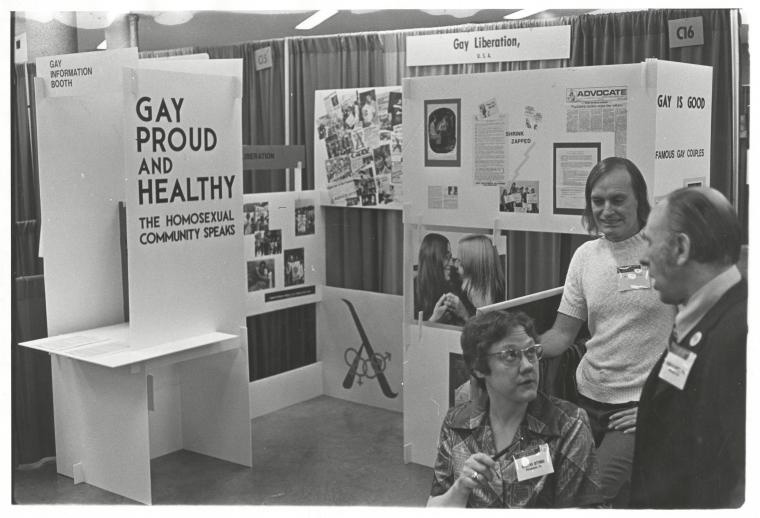
Over time, there were a growing number of doctors with the APA who soon adopted a gay-friendly attitude and were supportive of the group’s pleas. However there were still stubborn naysayers like Drs. Irving Bieber and Charles Socarides who were determined to have it kept listed as a mental illness. Gay and lesbian groups would hold information booths at APA rallies with titles like ‘Gay, Proud And Healthy.’ Then would come a meeting in 1972 to have gay activists openly speak to the APA. Dr. Fryer would be one of the speakers, but with a clown mask and under the name Dr. H. Homosexual to keep him from losing his job. In 1973, the APA soon removed homosexuality in its list of neurological disorders. However it would still be subject to a vote at a 1974 APA meeting. The majority voted in favor of the removal.

You think of all the milestones LGBTs have made over the past fifty or so years. There was Stonewall, decriminalization of homosexuality, allowing gays to teach and own houses, lobbying for funding for AIDS research, allowing gays in the military, and the legalization of gay marriage. It’s easy to forget this is one of the most important moments in LGBT history, and arguably their first victory in the US. We shouldn’t forget LGBTs have been through worse. There was a time centuries ago gays and lesbians were executed worldwide. In fact Thomas Jefferson’s recommendation that gays be castrated was a ‘liberal’ recommendation during a time when they were hanged. It was a universal norm throughout most of history that a man should love a woman and a woman should love a man and that’s that. Anything else was deviant and criminal. So it should be no surprise a national psychiatric association would label same-sex attraction a mental illness. I’m sure the US wasn’t the only nation that did so.

This is a documentary that’s an important lesson for LGBT people to know. I’m sure there are a lot of young LGBT people who still don’t understand why many in the heterosexual majority consider them inferior. But like Bill Maher once said: “If you think you have it tough, go read history books!” Today’s LGBT young people have it better than any generation of LGBT young people before them. In the past, such young people would be subject to disowning from family, criminal prosecution, and way back having next-to-nobody to turn to. Since the history of humanity on the planet until just after World War II, the gay or lesbian lifestyle or attraction was universally condemned and even criminalized and you could easily lose your job if your ‘secret’ was unraveled. The moments in this documentary are a good indication of the feeling and the attitudes of the times. It’s also important for young LGBT people know how pride movements started out or came to be. They’ll learn of people who started pride at a time when there was no one to turn to and a time when fierce opposition was eventual. The LGBT activists of that era were especially important in paving the way to the liberties, freedoms and social acceptances today’s LGBT people have today.

This documentary is also beneficial today for two main reasons. The first is that there are still people, mostly religious leaders and their followers, who still insist that homosexuality is a mental illness and conversion therapy is the answer. Many will remember advertisements starting in the late-90’s about faith-based conversion therapy programs. If the failure rates of programs from psychiatrists were high, what do you think that says about these unproven faith-based programs? It’s all a political game. The second is that it shows how something that starts off as a grass-roots movement can grow into something nationwide and have a big impact. Even paving way to the civil liberties and rights LGBTs have today.

Top marks go to directors Patrick Sammon and Bennett Singer. This documentary may not be too original in terms of style, but it’s excellent with interviews, both original and archived, and rare footage. They have the facts together in stringing this story together about what is an important part of LGBT history and celebrates a lot of lesser-known or forgotten founders of the LGBT movement. It’s also important that they show the shocking footage of the electroshock therapy and other ‘conversion’ methods used in the time. Because the LGBT of today need to know what the past had to fight,

Cured is a documentary about history being made by those who made the history. It’s important history for today’s young LGBT’s to know what those of the past have overcome. It’s especially relevant today since there are many opponents who harbor those similar thoughts today.

VIFF 2019 Review: To Live To Sing (活着唱着)

to_live_to_sing
To Live To Sing is of a local Chinese opera troupe trying to save itself from gentrification.

I accidentally came across To Live To Sing when the virtual reality show I wanted to see was in a venue with a low capacity. I’m glad I saw it.

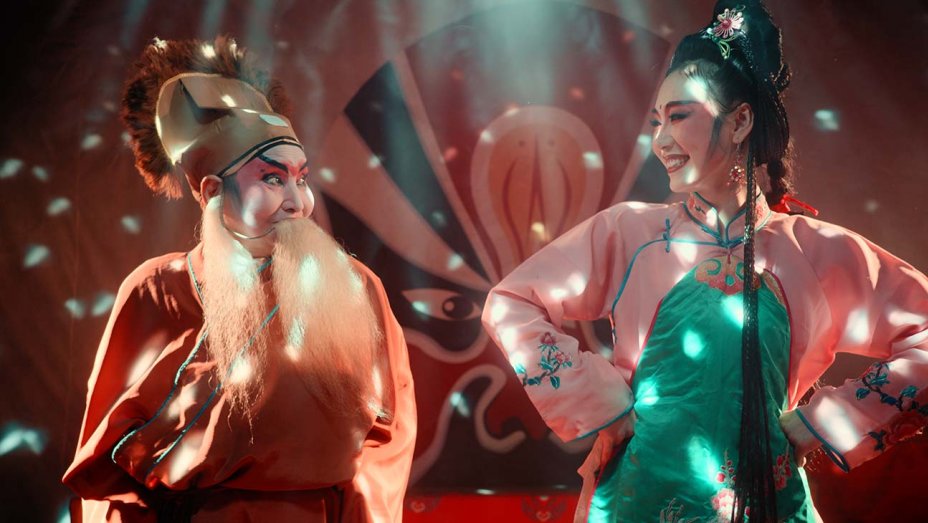
The film begins with a show of local performers in a Chinese city. The show starts with a modern fan dance by schoolgirls. It’s then followed by the Jinli Sichuan Opera Troupe: a local troupe that performs traditional Chinese opera. Right after the show, the opera troupe goes back to their own end of the city where they put on their own daily show. They perform every day at the same time at the same small theatre and entertain the same local crowd they’ve charmed for years. They rehearse well and they get along mostly fine. They have their own disputes on how to do something artistically, but it doesn’t last long. The Troupe is led by Zhao Li whom oversees everything. Her niece Dan Dan, who was orphaned at a young age and raised by Zhao, is seen by Zhao as the future of the troupe as most are aging.

Things are changing in the area they live. A lot of old homes are being crushed under government orders in order to build new developments. The theatre is under threat. This will not only mean the end of the theatre but the end of the opera troupe too. Zhao is frustrated as her theatre doesn’t attract crowds big enough. The others are worried too, but they try to make plans fearing the worst. Dan Dan however sees this as a breakthrough moment as she always dreamt of being a pop star instead of being confined to an opera troupe where she only gets paid 10%. During the time of frustrations, Zhao notices a dwarf in Chinese opera wear. She tries to spot him out, but he runs away.

Zhao is trying to negotiate with the government about keeping her theatre. However she knows it will be uncertain due to the small crowds that come to her theatre. Zhao is very forbidding of any modernisms that come to the theatre. She is strict on tradition. Then one night when she’s out, she notices the dwarf. She tries to follow him but loses focus of him. She is by a night club and she is drawn to the music. Then the announcer announces a singer for her first performance. It’s Dan Dan, and in a showy dress. Dan Dan notices Zhao in the crowd and can’t sing. The two have a fight outside where Dan Dan walks off furiously. The following day, Zhao confessed to Dan Dan that she always saw her as her daughter. Dan Dan becomes more committed to the troupe.

Zhao has another encounter with the dwarf and the dwarf takes her to a restaurant. There she sees one of the men negotiate a future job deal. Feeling the threat harder, Zhao decides one day to break with tradition and do a show that fuses modern with traditional. The troupe is welcoming of it. They perform the show with the mix of modern and traditional. The crowd loved it, but Zhao notices the spirit of the dwarf as it takes her to a mysterious land of Chinese art and culture.

Despite the audience pleased with the performance, Zhao can’t lose focus as an official from the party will be attending a show to see whether to keep the theatre up or not. They get a chance! However it’s a very slim one as the areas nearby are being crushed. The night before, Zhao has the same fantasy of the dwarf taking her to that land. Then the day of the show. The audience is ready. The players are ready, but the official is not to be seen. There has to be a wait and it’s making the crowd impatient. Then the official finally arrives and they are able to put on their show. Just as the show is happening, Zhao is again taken away to that imaginary place. The show she’s in is a dazzling trip of the imagination, until the character played by Dan Dan is stabbed. It all falls apart.

We then learn that the official decided to have the theatre removed. The troupe is heartbroken, even though some talk about plans of what to do after. The next day where there’s no show, members of the local audience show up and wonder why know show? The film flashes five years later with Zhao and Dan Dan returning to the same spot and what’s become of it. They see the development and the ruins. However Zhao sees the dwarf again. Possibly to send one last message.

The film is a common story about art attempting to stay alive. The film also touches on the subject of gentrification. We see it all around us; old buildings being crushed for new developments with big profits in mind. I see it a lot in Vancouver. Here it shows it happening in the People’s Republic of China. In most countries, they have the freedom where they can come bring this issue up to the government. Not all chances work out successfully, but they’re still given a fair chance. In China, you’re chances are very limited with a chance that’s slim to none. When the government says it will happen, it will happen. Zhao was lucky to have that one chance where she could prove to the government the importance of her opera. It was unsuccessful but she still had it.

The film also showed another aspect or battle. It also showcased the battle between traditional art and the more modern art or entertainment that’s the call of the day. Without a doubt, Zhao is a purist of the traditional Chinese opera and starts off as forbidding to the new ways and the new sounds. We should not be surprised that she would be furious if she saw Dan Dan become a contemporary pop star. Despite her belief in traditionalism, she does convince herself to welcome the modern sounds and even mesh it into the traditional opera. We see that a lot in many countries of mixing traditional or classical with the modern. It’s actually very successful in many countries. It proves to be a success here too. However the film sends a message that even with modernisms, the traditional should not be lost. It should still be admired and celebrated.

One thing the film tried to make clear with the story is of the spirits of art and how it exists inside Zhao. You may notice there are many times a dwarf in opera garb is in Zhao’s vision. The dwarf leads Zhao to many images all telling the story of what will happen. However the dwarf doesn’t always lead Zhao to images of a happy ending. That image where the opera comes alive in Zhao’s dreams but leads to the stabbing of Dan Dan is what would send the message of the bad fate of the opera troupe and its house. However it’s right at the end where when it appears all has been long lost at the end, it’s not. The spirit of art still remains even in the ruins.

This is the first film I’ve seen from Chinese-Canadian writer/director Johnny Ma. Living in Vancouver, he’s able to do Chinese stories that would not be the most welcome in the People’s Republic. His first feature from 2016 Lao Shi was about battling bureaucracy and legal manipulation in China. The film was shown at the Hong Kong film festival but not in Shanghai. This film was shown in both Shanghai and Hong Kong. It doesn’t depict the government that bad here. Instead the focus is on art and its attempt to survive. Johnny does a very good story and is good at sending a message, but it is a bit uneven in its storyline. The film also has a real opera troupe as its cast and they all play fictional versions of themselves. That’s another quality to the film. It does make you wonder how they’re doing in their home country. The actors all did well by being themselves when they had to, performers when they had to, and actors when they had to. Zhao Xiaoli and Gan Guidan stood out the most as the two did show a close chemistry in the film that made the aunt/niece relationship look real.

To Live To Sing is a story of artistic ambitions with a bittersweet ending. However it’s a good and colorful, albeit imperfect, reminder that art will triumph.