Félicité is the story of a Congolese singer (played by Véro Tshanda Beya Mputu) who life struggles mirror that of most African women.
Félicité appears to be a film about an African woman who sings in bars to make a living, but it’s a lot more.
Félicité is a woman living in DR Congo. The film begins with her waiting for the result on a repair for her refrigerator. It needs a new fan and it will cost. She then goes to the local bar to perform her music. That’s how Félicité makes her money, by singing. The bar is mostly locals. The repairman Tabu is one of those who catches her performance. However the bar has a lot of roughness and fights are frequent.
One day, her 14 year-old son is hospitalized. He was in a motorcycle crash. His leg is so badly injured, an operation is needed or else it will be amputated. Félicité is told she needs 1,000,000 Congolese Francs in order for the operation to happen. Singing from bar to bar is not enough. Félicité first tries locals who know her, but gets either little money or negative flack. Félicité then goes around the richer areas of Kinshasa posing as family members asking for money.
She’s close to the amount she needs, but it’s too late. The leg became so terribly bruised, amputation was needed. Félicité is shattered. However she develops a loving relationship with the repairman Tabu after he successfully repairs her fridge. He’s able to give the comfort she needs. She develops the confidence to start singing with an elite choir in a college as a hobby. Tabu is also able to talk to Samo and instill in him the confidence to live again.
Tabu again returns to one of Félicité‘s shows, but leaves with another woman. Félicité sees him the next day. She is very unhappy with him, but admits her heart is still with him. Félicité returns to singing in night clubs and singing with the high choir.
The way this film is made is common what one would have for a French film. There’s a storyline with a beginning, middle and end, but there’s also a lot in the background that adds greatly to the story. We see it in Félicité‘s singing. She sings the common African songs in the bars. She also sings gracefully in the elite choir. A lot of what she sings about in the night clubs is the struggle of African people in their daily lives and she belts out her emotions when she sings. A lot of what she sings in the high-class choir is graceful and gives acclaim to God and acclaim to life. Singing is not just a profession for Félicité; it’s a way of life.
Another background element of the film is Félicité‘s life and the lives of all those around her. She exhibits the struggles common of African women of trying to raise a child and trying to make pay. There are many scenes where you see Félicité walking down the streets of Kinshasa. Often the film shows about the difficulty of those living in the DR Congo, or Africa as a whole. We’re talking about a country with a very low wage and people struggling very hard to make ends meet no matter how much or how little they get. The 1,000,000 francs Félicité needs for her son’s operation translates to $650 American dollar. It may not sound like too much to you and me, but it’s almost two years income for the average Congolese. Even seeing how Félicité poses as a family member to rich people in their gated and locked houses shows the rich-poor divide in the country. Often I felt when I was watching Félicité, I was seeing a glimpse of African life.
Alain Gomis does a very good job of storytelling here in this film he directed and co-wrote with Olivier Loustau and Delphine Zingg. Gomis himself is a French director of Senegalese parents. You can see this story is personal to him too. He does a very good job of telling Félicité‘s story while giving people a god look at what life in Africa is like. Véro Tshanda Beya Mputu does a very good job in her debut role. She was able to play Félicité like she is the African ‘everywoman.’ Papi Mpaka also plays Tabu very well. At first, Tabu is just there in Félicité‘s presence, but soon becomes part of her life and her son’s life. It’s like he come from nowhere to be what Félicité needed. The music is one of the biggest elements of the film. The film may be about a night club singer but the music Félicité engages in says a lot about the film and about life in Africa in all its joys and heartaches.
Félicité is a four-nation film collaboration of Senegal, Belgium, France and Lebanon. The film is Senegal’s official submission in the category of Best Foreign Language Film for the 2017 Academy Awards. This is the first time the nation of Senegal has ever submitted an entry into this category. The film won the Silver Bear at the Berlin Film festival, won a Human Rights In Cinema award at the Istanbul Film Festival and was nominated for Best Film at the Sydney Film Festival and the Chicago International Film Festival.
Félicité is a film that doesn’t just dimply tell a story. It gives a glimpse into the difficulties of life in Africa.
Erin Carter (left) and Grace Glowicki play two old friends trying to rekindle their friendship after a tragedy in Suck It Up.
The VIFF is my best chance to see a Canadian feature film each year. I got my chance with Suck It Up. I’m glad I saw it.
The film begins with Ronnie collapsing by a lawnmower drunk. Ronnie has just lost her older brother Garrett. Faye is in Vancouver having a job interview for a school board job she really wants when she learns the news about Ronnie. Ronnie was her best friend until Faye broke up with Garrett last year. She is encouraged by Ronnie’s guardian aunt and uncle to come over to Calgary. Faye meets with them all and they feel the best way to help Ronnie recuperate is for her and Faye to go someplace for a getaway. Faye decides to go to their old cabin in Invermere.
At first, you think things won’t work. Faye is the cool one under control while Ronnie is outrageous enough to flash her breasts to any car full of guys passing by. Once in Invermere, they try to make themselves comfortable in the cabin. However it seems Ronnie is making herself all too comfortable with every guy she meets up with. Especially this creepy guy names Dale who rubs Faye the wrong way. As Ronnie is getting closer to a guy names Shamus and his freewheeling friends from the bowling alley, Faye meets a guy of her own. His name is Granville. Granville may come across as geeky at first because of his asthma and diabetes, but the two connect as Faye is charmed by his artistic dreaminess.
Things prove too much for Faye as Ronnie’s craziness is cramping her style and her life. Faye tries to have a good time, but can’t deny that she has things to take care of in her life, like a potential job in Vancouver. One day, Ronnie and her friends come after a day of fun and give Faye some lemonade. It’s after Faye drinks it that she finds out it’s laced with MDMA, and just 1/2 an hour before her job interview on Skype! Faye humiliates herself during the interview.
Even though Faye is given a second interview days from now, Faye appears to be the one falling apart now. It’s not just about the interview and dealing with Ronnie. It’s because Faye is having trouble dealing with Garrett’s death. She can’t handle that she didn’t answer the call from Garrett’s phone just hours before he died. She came to Invermere with Garrett’s ashes and two envelopes from Garrett: one for her and one for Ronnie. She open’s Ronnie’s envelope instead. Even hearing info about Garrett from a woman names Alex who works at the town ice cream parlor makes things all that more frustrating for Faye.
Then the two decide to hold a party at the cabin. All of their Invermere friends are invited and they all show up, including shady Dale and his mud-filled inflatable pool for mud wrestling. Ronnie’s in a partying mood but Faye is having issues. It’s still all about Garrett. Spending time with Granville doesn’t make things easier and talking with Alex makes things worse. Then Ronnie films out what Faye did with her letter. She confronts Faye with harsh words about the phone call from Garrett’s phone. This leads to a fist fight where they both end up in the pool of mud. But after that, the two suddenly make peace and resolve all that happened. Even the opened letter. It turns out Garrett was a controlling person in his life and tried to control both of them. Faye and Ronnie pack up with Ronnie being in great spirits and not looking as troubled as she was at the beginning. They promise to get together again soon.
At first, I found this comedy entertaining. Then I did a bit of thinking. This is a kind of comedy that I can see the script working in Hollywood. Have you seen a lot of the Hollywood comedies in theatres now? They’re pretty dreadful, eh? They’re relying too much on jokes with shock value and even lewd or crude one-liners to get a laugh. They make you think they’re that desperate for laughs. This comedy doesn’t need to rely on one-liners or crude jokes. All it has to rely on are the characters and the scenarios to make this work. That’s what made this comedy work. We have a bizarre situation of two friends who are two opposites going away to a resort town to help one recover from her brother’s death. The other friend has unresolved issues over his death too. The mix of the two causes havoc, but it all ends when they get into a fight where they accidentally end up in the mud wrestling pool. Then the friendship is rekindled and they’re both able to make peace with his death. To think Hollywood couldn’t think this up, but Canadians did!
The film is also about ironies. The two girls are complete opposites. You first wonder how on earth they became friends in the first place. You first think Granville is a nerdy guy, but he becomes the perfect one for Faye. There are even times later on when you wonder which of the two are having a harder time dealing with Garrett’s death. It’s the fistfight that becomes the turning point where Faye and Ronnie are finally able to resolve things and go back to being the good friends they were. In the end, both get over his death when they come to terms with what a control freak he was in his lifetime. Even seeing Ronnie toss Garrett’s ashes off a cliff with them still in the jar is a bit of comedic irony too.
One thing about the film is that it doesn’t try to mess with the crowd too much. The subject of death and how Ronnie’s family is full of cancer-related deaths even makes you wonder if this would become a tragedy soon, but it doesn’t. It’s able to take a dark troubling matter and turn it into a good comedy. It also won’t get too manipulative. One thing you’ll notice is that there are no flashbacks to when Garrett was alive, nor are there scenes of Garrett coming from nowhere to talk to either of the two. Another thing about this film is that the story lines are placed out very well. I’ll admit the film starts on a scene that makes you think it could have been given another take, but the film gets better over time and the whole story is kept consistent from start to finish.
This film directed by Jordan Canning and written by Julia Hoff was very well-done and well put-together, even more than most Hollywood comedies nowadays. This is kudos for Julia because this is her first screenplay for a feature-length film. Erin Carter did a great job as Faye and Grace Glowicki was great as Ronnie. The film needed them to be in their characters to make it work, but they were able to keep their roles from being one-dimensional. I addition, they had the right chemistry together to make this story work on screen. Dan Beirne was also very good portraying the misfit Granville who wins Faye’s love. Toby Marks was also great as Alex: the one caught in the middle between Faye and Garrett.
Suck It Up is a Canadian-made comedy that is way better-done than most of today’s Hollywood comedies. It starts out sluggish and even may appear to tread into ‘drama territory’ at times, but it ends on the right note.
Summer 1993 is an autobiographical story of young Frida (played by Laia Artigas) trying to adjust to her new family after being recently orphaned.
Summer 1993 is a unique Spanish film for its depiction of childhood. It’s also a unique story about a girl that’s semi-autobiographical.
The story begins with a young six year-old girl named Frida who’s recently orphaned. She has lost both her parents to AIDS with her mother dying in the summer of 1993. The whole family including the mother is hugely concerned for Frida’s well-being. Her mother’s brother Esteve agrees to take care of her. Frida is taken to their mountainside pueblo in the Catalan Pyrenees to like with him, his wife Marga and 3 year-old daughter Anna.
It’s taking a long time for Frida to get adjusted to her new surroundings. She feels like a misfit in the town and very rarely socializes with anyone else. On top of it, she feels uncomfortable around the chickens. AIDS isn’t spoken around her and her family. When in conversation, they simply refer to it as ‘that illness.’ It does become apparent what ‘that illness’ is when Frida cuts herself and her family panics.
She also misses her mother, but doesn’t know how to grieve about it. Every day, she goes to the tiny grotto near the farm and prays to her mother. There’s even a time she places a pack of cigarettes to her mother by the Madonna. That’s the best way Frida knows how to grieve.
Over time, Frida appears to be developing a friendship to Anna; possibly even a sisterhood. It would become apparent Frida’s acting out when she plays a game with Anna in the woods only to leave Anna behind. Anna is found, but with a broken arm. The family is infuriated with the way Frida is acting, feeling she has no morals. Unknown to Esteve and Marga, Frida hears it all. Frida starts feeling like she’s unloved and decides the thing to do is to run away. It’s there as the family comes to search for her that Frida is reminded that she is loved. It becomes a turning point for her as she now feels like an accepted person at home and in the community.
This isn’t your typical film from Spain. Usually most fans of ‘arthouse’ film think of Pedro Almodovar when the word Spanish film comes to mind. Here, Carla Simon is not aiming to be the artist Pedro Almodovar is reputed to be. This film is actually autobiographical of Simon. She herself lost her mother to AIDS in the summer of 1993. Her father died some time before. The summer of 1993 was the first summer she spent with her new family. Basically Simon wanted to send a message with this film: “With the movie, I wanted to express the fact that children can suffer a thing so cruel but they are still able to understand death. That we have to talk to them about death, because a six year-old child can understand. The question/thing/issue is how they manage their feelings. We talk also about children’s ability to adapt, how they can survive and keep going, and the fact that children are more able than adults.”
It wasn’t mentioned whether Frida’s actions in the film mirrored Carla’s actions in real life. However Frida did exhibit a lot of common behavior traits common in children that have lost a parent at their young ages. The film shows how Frida goes from being a child who exhibits behavior relatives don’t know what to make of to soon belonging to a family and even grieving at the end.
Carla Simon directs and co-writes with Valentina Viso a story that’s intriguing, but also very natural and without overdoing the drama. It plays the events out as they come without trying to grab hold of attention. All the better for it. On top of it, the story is shown through the child’s point of view, which makes it that more autobiographical. Young Laia Atrigas does a very good job of playing Frida. She does a no-nonsense job of playing a six-year old girl and doesn’t try to be cutesy. She just does what she needs to do. The adult actors in the film, especially David Verdaguer and Bruna Cusi, also do a very good job in their parts as the concerned but confused foster parents. The film is set very well in its Catalan settings with scenes in both the pueblo and in the Catalan village. The film gives the feel of being in Catalonia. The film also included something noteworthy of the time as we see Frida wearing a T-shirt with Cobi: the mascot of the 1992 Summer Olympics from Barcelona.
A bit of trivia. Summer 1993 is Spain’s entry this year in the Academy Award category for Best Foreign language Film. It is the second film in the Catalan language to be submitted as Spain’s entry in that category. The first ever is Black Bread.
Summer 1993 is a story about a young girl’s change of surroundings and how she responds to it. It’s autobiographical depiction works well as it plays out in a no-nonsense fashion. The better for it.
One thing of the VIFF I consider to be a treat is whenever I attend a shorts segment. The segment I saw entitled New Skins And Old Ceremonies was a selection of seven shorts from Canadian directors. They were all unique in their own way.
Lost Paradise Lost: dir. Yan Groulx- Two people named Julie and Victor are out of love and find themselves boarding a bus full of strangers to anywhere. Where it takes them is a bizarre place for those out of love and rivals and threats to deal with. An eccentric short nonetheless, but it captures the feel well and makes sense in the end.
Flood: dir. Amanda Strong- It’s an animated short about an indigenous person and how the Canadian system did what it could to make them and their people feel inferior. It’s a story worth telling. The mix of stop-motion for modern images and traditional indigenous art adds to the story. The film ends with a renewed sense of pride.
Cherry Cola: dir. Joseph Amenta- Two drag queens are out on a night to dress up, have fun, and get revenge on an ex-boyfriend. It seems confusing at first, despite being intriguing to watch. You first think it’s a comedy, but the story ends on a dark note. It exposes an overlooked heartache some transvestites have.
The Good Fight: dir. Mintie Pardoe- A young woman goes into a sex toy shop to buy a toy. This woman is a nun about to be ordained. She struggles with her sworn commitment to celibacy, but the secret does get exposed. And with a surprising ending. Directed by a recent UBC graduate, the story is basically for the sake of shock value as it appears no actually research on the Catholic Church and vocations were done. Basically that’s all it is: entertainment for hedonists.
Sea Monster: dirs. Daniel Rocque and Kassandra Tomczyk- Tomczyk co-wrote, co-directed and stars in this short. Charley and Aria are a couple cooped up in a hotel madly in love, but both are coping with trauma. Aria dreams of a squid. Then the two make out on night in the fashion of a squid, followed by a bizarre aftermath. This is a film that’s nothing short of experimental. This film is good at getting creative in its time frame and setting.
Thug: dir. Daniel Boos- We first see how three friends– Eman, Simon and Josh– are shooting a low-budget gangsta film. Director Josh recommends to Eman that he creates a hold-up scene on Simon unexpectedly to make the film more ‘real.’ Eman agrees, despite the risk to their friendship. It does a lot more; it arouses suspicion from the local police. Later, Eman and Simon talk about roles they wish they could play before Eman auditions for a role as a gangster thug. This short film sends a message about how minorities in acting get the short end of the stick in terms of the roles they are offered and are often limited to racial stereotypes.
Let Your Heart Be Light: dirs. Deragh Campbell and Sophy Romvari- Both Deragh and Sophy write, direct and act in opposite names in this short. Sophy is confined to spend Christmas alone after a break-up. Deragh pays a visit and makes her Christmas. The film is slow and lacking in energy, but it does a good job of making use of its time and keeping with the Christmas vibe.
In summary, all seven were different in their own way it terms of both style and quality. There were a couple that were either inconsistent in story or lacking in energy. There were a couple that were eccentric, but the eccentricities worked for the film. There were also some films that made you think. The ones that made me think were my favorites as the messages came across very well and very effectively.
New Skins And Old Ceremonies makes for a unique array of seven shorts by Canadian directors. Some were good, some were bad, but all were an opportunity for the directors to make names for themselves.
Benedict Cumberbatch brings Doctor Strange to the big screen with his superpowers and fire magic.
I’ll admit I had my review of Doctor Strange started back when I saw it in November: Election Day to be exact. The reason for its late publish has a lot to do with my lack of ambition. Paying attention to my hit statistics and seeing how 2016 gave me my lowest annual hit stats since 2011 kept me from publishing. However the recent upswing of hits in January rejuvenated my blogging energy and I can finally publish my review!
Dr. Strange is not a new Marvel superhero. He first appeared in a 1963 addition of Strange Tales created to bring a different type of character and themes of mysticism to comics. It wasn’t completely welcome during its early years as some people thought those at Marvel comics must be on some kind of drugs. Dr. Strange would continue to have his own comic series for decades until the early 2000’s. Then he was placed as a supporting character in comic books of The Amazing Spider-Man and The Avengers. Dr. Strange has been able to reclaim his own at the start of this decade.
Marvel faced a huge task in bringing a superhero most people are unfamiliar with and making them a household name. They’ve done it before, with The Guardians Of The Galaxy being the most recent example. However it’s still a case of hit-and-miss as last year Ant-Man didn’t get the success most were hoping for. 2016 has been a good but complex year for the Marvel studios. Their latest X-Men movie didn’t go off so well. Captain America: Civil War was a hit but it didn’t have the same muscle as past Captain America movies. Deadpool was a big hit, especially as an R-rated movie about an anti-hero, but Marvel still wants to excel in creating superheroes, especially in a family-friendly format.
Now in order to make Doctor Strange come alive on the big screen, Marvel had to create the right story. This is the first Doctor Strange movie so the origin is a definite must. Also a must is Stephen Strange’s personality as the surgeon who lives for the fame but is given a reality check after the car accident and subsequent adoption of a superhero persona. In addition, morals are necessary for superhero movies. It’s like my brother-in-law said today’s people are tired out with life. People want entertainment that gives us heroes to look up. I agree. Despite the onslaught of Deadpool, Suicide Squad and Sausage Party, people welcome heroes and are comfortable with seeing morals redeemed. It’s not like the 90’s where we all has an insatiable appetite for entertainment that was ruthless, obnoxious and appeared to be an artistic middle-finger.
However there were two major things needed to make Doctor Strange take off. The first was Benedict Cumberbatch had to make the character of Doctor Strange work. Cumberbatch had to be able to portray Doctor Strange’s pre-accident arrogance well and to make his change in personality transfer successfully. Cumberbatch was very good in portraying the character. The other major thing needed most for this movie is top-of-the-line visual effects. Already Doctor Strange’s unique superpowers mostly involve the use of pyrotechnics. They had to look like the magic they are. The shifts from one world to the next would also require top-of-the-line visual effects. If you saw the movie yourself, I’m sure you would also be dazzled by the effects of the film from the pyrotechnics to the various worlds to the freezing of time.
Although Cumberbatch’s acting and the visual effects were the highlights of the movie, it had a lot of other ingredients responsible for its success. Scott Derrickson did a very good job of directing. Derrickson has developed a reputation with directing and writing sci-fi movies in the past and he was the right man for the job here. The script he co-wrote with Jon Spaihts and C. Robert Cargill also had to be very good because this was one superhero movie that was not too heavy on the action and placed more emphasis on the story, putting the thriller emphasis more on the slow intensity of the moment. It even included some humor which Marvel likes to include in the first movie of one of their superheroes. They succeeded in accomplishing that. The supporting acting performances like Chiwetel Ejiofor as the mentoring Karl Mordo, Benedict Wong as a non-stereotypical Asian martial arts master, Tilda Swinton as the Ancient One also mentoring Strange, and Rachel McAdams as Christine Palmer, the woman who gives Stephen Strange his reality check, also added to the strength to the story. The music from Michael Giacchino also fit the film and its various moments well.
Doctor Strange was released at the right time. It was released in November when movie crowds are starting to grow again right after the end of the summer season. Usually November is the biggest movie month outside the summer. People are used to settling back to their routines and they can now go out for enjoyment. Dr. Strange won its opening weekend with a draw of $88 million and remained on top for another week despite challenges from Trolls and Arrival. Even after facing rivalry from the following weeks with new releases like Fantastic Beasts and Moana, Doctor Strange did strong spending seven weeks in the box office Top 10 and grossing $231.6 million in North America and almost $665 million worldwide. As the Oscar nominations have approached, its visual effects were nominated. If you remember the effects, you too would think they were some of the best of the year.
As for a possible Doctor Strange sequel, Derrickson talked of a sequel even a month before its release. He mentioned he had fun with the character. The success of it is the perfect green light for a future sequel.
Doctor Strange is the biggest debut movie for a superhero since the Guardians Of The Galaxy. In a year that was a bit of a struggle for Marvel, it delivered in entertainment and thrills.
This Sunday marks the Canadian tradition of the Grey Cup taking place. This will mark the 104th time the Cup has been contested. Once again, it’s the best of the east versus the best of the west. Lots of excitement and lots to anticipate for the big game.
A New Host Site On Familiar Ground
This will mark the first time the Grey Cup will be contested in the new BMO Field Stadium. However it will be the thirteenth time in which the Cup will be contested on the grounds as it was Exhibition Stadium the previous twelve times before the SkyDome replaced Exhibition Stadium as Toronto’s host venue. Now the Exhibition Stadium field takes it back! This will also be the first Grey Cup since 2002 that will be contested on grass turf.
Party Time
Just like the Super Bowl, the Grey Cup will have its parties. There will be no shortage here. Leading up to the Cup there will be fan activities, alumni luncheons and autograph sessions. There will also be two new events added to this year: the Empowering Women and Community Through Sport Summit and the first Grey Cup party in support of an LGBT community hosted by Strikers Sports Bar and You Can Play.
Sirius XM will be hosting the Grey Cup concert series with acts like the New Pornographers, Tokyo Police Club, The Sheepdogs and The Lowest Of The Low slated to perform. Alessia Cara will highlight the SiriusXM kickoff show, The Tenors will sing the national anthem and OneRepublic will perform during the Freedom Mobile Halftime Show.
Ticket Problems
Sure, it’s a given that the ticket prices increase with every Grey Cup but there is a risk of it going overboard. The ticket prices originally ranged from $169 to $899 before taxes. However the prices resulted in a smaller-than-anticipated total of tickets sold by mid-October. This led to organizers to reduce the prices of the tickets. Those who already purchased tickets were offered either a compensation or an upgrade after the price decrease. With less than a week before the Cup, sales of tickets increased dramatically and a sell-out of 35,000 is anticipated for tomorrow.
AND NOW THE GAME:
The game will feature the best of the West, Calgary Stampeders, squaring off against the best of the East, Ottawa RedBlacks. It’s easy to predict the winner but there can be surprises. So here’s how I narrow it down:
Calgary Stampeders
This is the team of the CFL this year winning fifteen of their eighteen regular season games. Their two losses came at the hands of the BC Lions and the Montreal Allouettes and their draw came via the RedBlacks. The Stampeders are the best CFL team this year but they’re not invincible. It could be possible they could give it away at the Grey Cup.
The Stampeders don’t simply want to win for themselves but they also want to win in memory of their young teammate Mylan Hicks. Before Hicks played for the Stampeders, he played Michigan State in college and was signed onto the San Francisco 49ers in 2015 but was released before the season started. Two months ago, the 23 year-old Hicks was shot to death at a Calgary night club. The team will be wearing black 31 pins in honor of Hicks on Sunday night.
Ottawa RedBlacks
Ottawa RedBlacks make it two straight Grey Cups in their three seasons of existence. They are the best of the East this CFL season but that’s not really saying much this year. Ottawa topped the CFL’s East rankings with 8 wins, 9 losses and a draw. The West had all but one of their five teams amass ten wins during regular season play. Obvious signs this was a weak year for the East. It could have been an all-West Grey Cup this year but the RedBlacks won their semifinal against Edmonton on Sunday with a score of 35-23. Actually Edmonton was the one team the RedBlacks beat in both their regular season games. Lucky guys.
The RedBlacks are not too weak to win against the Stampeders. They may have lost to the Stamps 48-23 back in September but they drew 26-26 after two overtimes back in July. Coach Rick Campbell has worked hard to prepare the men and their defense has been getting stronger and more solid as of late. It’s very possible the RedBlacks can upset the highly-touted Stamps over in Toronto.
My Call:
Yes, I will eventually have to make my prediction. I will have to go with the majority and predict the Stampeders to win. As for the score, I’m guessing 35-20. This should make for an exciting game as Ottawa will put in a good fight.
And there you go. My preview and prediction for tomorrow’s Grey Cup game. Will this Grey Cup be the RedBlacks’ first ever (Ottawa’s tenth) or the Stampeders’ eighth? Kick Off is 6pm EST.
Erica Fae plays a Maine woman determined to keep her lighthouse in 1876 in To Keep The Light.
Here at the VIFF, you’ll see many films directed by female directors. One is ToKeepTheLight, directed by Erica Fae. It’s a very impressive work.
Abbie is the wife of Thomas, a lighthouse keeper in Maine in 1876. However Thomas has recently fallen ill and has become bedridden with a complete loss of appetite. That means Abbie will have to tend to the lighthouse while he is sick. She does everything Thomas does and keeps record of everything although she does commit one error.
One morning she sees a body of a man has washed ashore. The following day, she sees the man has not awaken so she assumes he’s dead. However just as she’s about to cast the body to sea, the man awakens. She gives him shelter and food as he’s about to recover. He tells her the story of how he ended up in the sea. As he’s recovering, she tells Thomas of this man: a Swede named Johan. It’s only a matter of days that Johan gets better. He’s even able to help Abbie with the lighthouse.
Abbie’s even able to go to town with Johan but the townpeople do not look fondly towards Abbie or Johan. Some are suspicious of the two considering Thomas is still bedridden. Even the postal lady Mrs. Williams has a suspicion towards Swedes as do many of the townfolks. It’s difficult enough since one family, the Eaton family, feels they should have owned the lighthouse only to have been outbid by Abbie and Thomas.
One day Abbie sees the breakfast eaten, assuming Thomas is starting recover and lies next to him, only to discover it’s Johan. Abbie soon learns the horrific news. Thomas is dead; he drowned himself. As if Thomas’ death isn’t hard enough, she knows she could lose the lighthouse to the Eatons. Troubles turn worse as the Chief Inspector conducts an inspection and gives it a scathing review, mostly because of his male chauvinism. Soon Johan reveals her love towards Abbie just around the time the Eatons are trying to claim her lighthouse. Abbie would have to make an important decision. She does, but not the decision most would expect.
Listening to the first five minutes of the Q&A with Erica Fae, I learned a lot more about women who looked after lighthouses in place of their ailing or deceased husbands. It’s documented but the times whitewashed their contributions those many years ago. Erica Fae is able to bring their achievements to full view and for us to finally see. Even though Abbie is a fictional character, it’s enlightening to see what they did during the time. I’m glad Erica has the chance through this film to finally tell us their story and finally commend their accomplishments.
If there’s one glitch about this film, it’s that it doesn’t appear like it’s solid in its intention as a film. It becomes obvious it’s about one woman’s struggle to keep the lighthouse she should rightfully own being the widow of the previous owner. However the story of Abbie’s struggle has the distraction of her romance with Johan. I’ll admit while watching this, I was left wondering if the film was intended to be a romance: a story about the man Abbie truly loved. I don’t have a problem at all with films conveying a message of women fighting for their rights but I think the romance from Abbie and Johan took away from the story’s message and would leave confused about what the main intention of the film is to be.
SPOILERALERT – DoNotReadThisParagraphIFYouDon‘tWantToKnowTheEnding: Even the ending had me confused. It’s obvious Abbie loved Johan but it couldn’t be that she was thinking of marrying him to keep her lighthouse. Even if it was right after the death of Thomas, Abbie didn’t come across as that type of woman. If she were to marry Johan, it would be because she loved him. I admit I had different expectations in the film. I thought Johan would follow his heart and come back to her. I think that’s why the ending of her writing the letter to set her ownership of the lighthouse in stone left me confused.
I give a lot of respect to Erica Fae for this film. Fae is best known as an actress in the film Synecdoche, New York and a recurring character in Boardwalk Empire. She wrote, directed, researched and played the lead in the film. She does an excellent job in all the duties she takes on in the film but there are some noticeable flaws. I know I made mention of a story of a love mixed with a woman’s fight for her right as coming off as uneven. As far as Fae’s acting, she does an excellent job of playing the character but she doesn’t come across as too believable as a woman from the 1870’s in New England. She comes across as too 21st century in her movement and her speaking. Antti Reini did a good job of playing Johan. The other cast members also did very well in their parts. The cinematography by Wes Cardino was excellent and gives a great feel for the East Coast. The score by Caroline Shaw was also very fitting for the film.
ToKeepTheLight has its noticeable flaws. Nevertheless it is a good story about what certain women had to fight for that often goes overlooked. I thank Erica Fae for giving us this story.
Wow! Euro 2016 is not even a week away. Fast notes about the ten stadiums staging the Euro. Six were venues of the 1998 World Cup. The other four are new stadiums that opened anywhere from back this January to four years ago. Glad to see this Euro isn’t that big of an expense. Although five of the ‘older’ stadiums did need upgrades for this event. Anyways here’s my look at the Group D teams:
Turkey (13): Turkey is a team known for its infrequent successes. It has competed in three Euros and two World Cups. It finished third in the 2002 World Cup–its first World Cup since 1954– and hasn’t qualified since. Turkey didn’t qualify for the 2004 Euro but finished in the semis in 2008 and didn’t qualify for 2012. Turkey’s back now. All but six players play for Turkey’s Super Lig, three play for German teams and captain Arda Turan plays for Barcelona. The team has done very well in play the past year and a half including wins against the Netherlands, Czech Republic and Sweden. Their only loss came to England two weeks ago and the score was 2-1. Turkey is one team that shouldn’t be underestimated.
Croatia (23): Croatia has a reputation of being world class ‘minnows’ that will surprise you when you least expect it. However Vatreni has struggled to regain their strong reputation they had back in the late 1990’s. In fact the team’s play has been mostly quiet news. However they still should not be underestimated. They may have lacked a standout moment for the team in recent major tournaments but they’ve continued to exhibit consistent play. They may lack a standout superstar but they function excellently as a team unit. Since World Cup 2014, they’ve regained the consistency they’re known for. They’ve had wins against Russia, Israel, Norway and Bulgaria and have even drawn against Italy. The team has only had two losses in that time: against Argentina and Norway. In this group, their toughest opposition will be Spain as they’ve only won against them once in the last 25 years. In that same time, they’ve never lost to Turkey and the Czechs. Euro 2016 is another time for the team to prove themselves once again.
Spain (6): We’ve talked about England trying to recover from its 2014 World Cup embarrassment. England’s not alone. Spain entered the Cup as the reigning holders only to lose their first two Group games which meant their elimination as Group play concluded. Like England, La Roja didn’t drop their coach: Vicente Del Bosque. Their road to redemption did have a struggle for the remainder of 2014 as they lost three of their six 2014 games after the Cup. Spain did have challenges bringing in new players who aren’t as well seasoned as their veterans still on the team. However Spain were very good in qualifying for the Euro and their only loss in 2015 came to the Netherlands. This past week they scored big wins against Bosnia (3-1) and South Korea (6-1). No doubt they will be coming to France with something to prove.
Czech Republic(29): The Czechs are an enigma in football. Since the divorce of Czechoslovakia in 1992, the team has qualified for every Euro even being finalists in 1996 and semifinalists in 2004. However they’ve only qualified for one World Cup: back in 2006 and they were out in Group Stage. Their play since the 2014 World Cup has also been enigmatic. They’ve lost to the United States, Slovakia, Iceland, Turkey, Poland and Scotland. However they’ve also won against Iceland, the Netherlands, Serbia and Russia. France will be another chance for the team to prove themselves.
Prediction: This is a tough one because both teams have a lot of strengths but they also have a lot of very noticeable weak spots. You could call this a ‘group of death.’ I predict Spain to top it with Croatia second and Turkey third.
And there are my thoughts for Group D. Next up my review of Group E.
I’ll admit I had no intention of posting a preview blog about the final. I was just content with watching the performers and playing ‘armchair judge’ for my own leisure. Besides I intended for my detailed blog of the ESC to be my only blog about it.
However that all changed last night as I was on Youtube and the ESC channel watching video after video of the night’s semi-final performances. Hey, when the show’s on live at noon your time, that’s your resort. That all changed after I added comment after comment with many of the videos. And that’s what inspired me to do this preview of the final for the 2016 Eurovision Song Contest.
For this preview, I’ve decided to post my opinions about the performances in the semi-finals. I will be judging the performances of both the competitors from the semis as well as those from Sweden and the Big 5 whom I will call ‘automatics’ because they automatically have their berths in the Final and their performances in the semis are simply a dress rehearsal for the Finals.
I felt it best that I place my judgements mostly on their semi-final performances. A lot of people have based their judgements from the song’s official music video released on YouTube months before the Contest. The videos are very telling in terms of how well each song will do however I feel the performances in the semis are more telling as it gives a good sense what their live show will be and even how together they are as a performer. Sure the semi won’t tell it all but it will tell it most. I do feel that the song is the key thing to base a judgement on. No matter how big of a show you put on, the song and its content is unavoidable. However I will consider showmanship as a performer will still have to make the song entertaining and eyecatching. Simply put, I will give top kudos to those performances who deliver best.
I will also start with my first section where I give opinions of the performances that have qualified for the final. I will then give my personal picks for who I would give the biggest point to if I were a jury. Note I will not be making predictions like I normally do. I will be giving my preferences and opinions. I’m not familiar with the music tastes of most European countries nor am I familiar with jury tastes. So here goes:
SEMIFINAL 1:
Hungary: Freddie ‘Pioneer’ – Very good song with a very dramatic opening. Freddie has very good vocals in singing the song. The song is far from boring. It will catch your ears. A deserving finalist.
Croatia: Nina Kraljic ‘Lighthouse‘ – Nina came to Stockholm in hopes of breaking Croatia’s bad-luck spell of missing out in the finals since 2009. She did exactly that. As for her performance, you’ll think her outfit at the beginning is ridiculous but that’s part of adding drama or theatrics to the song. I’m cool with that as long as it’s done right. Her performance was very good and deserving of her final berth.
Netherlands: Douwe Bob ‘Slow Down‘ – This is one of my delights of the night. I’m impressed to see how the Dutch know how to do bluesy rock or rockabilly. The Dutch did it before in 2014 with ‘Calm After The Storm‘ and they do it again here. Best song of the evening that delivers as a great alternative after so many techno numbers. Stage show is minimal but it works for the song instead of against it. I ranked it my 3rd place of this semi.
Armenia: Iveta Mukuchyan ‘LoveWave‘ – It’s not the best of the night but it’s still good and a deserving finalist. Very good song with good vocals. I felt the stage show was a bit iffy. Otherwise very deserving nonetheless.
Russia: Sergei Lazarev ‘You Are The Only One‘ – What can I say? For me that was the show of the first semi and my #1 pick for that night. It didn’t have the same song quality the Netherlands had but still an entertaining song with the most entertaining stage show of the evening. Definitely an eye-catcher and it will not surprise me if this song is a top contender for the win on Saturday.
Czech Republic: Gabriela Guncikova ‘I Stand‘ – Not exactly a song that stands out too much. Nevertheless Gabriela did sing it well and perform it well on stage. what it lacks in catchiness, it makes up for in its consistency and professionalism. A very deserving finalist. Especially since this is the first time in five tries a Czech performer qualifies for the final. Great job!
Cyprus: Minus One ‘Alter Ego‘ – You’d think with this being Cyprus, it would be ethnopop, right? Actually this is a hard rock song high in energy. I could even feel the energy of the song while watching it. Great song and great performance which was one of my favorites of the night. I feel it should do strong on Saturday.
Austria: Zoe ‘Loin d’Ici‘ – This was my surprise of the night. I like it when a song goes beyond my expectations. At first you’d think a number too sweet would come off as saccharine to you. However this is one ‘sweet’ song that actually did everything right and even charmed me. Excellent stage show that tried mimicking what was in her video. However if anyone had doubts about her song while watching her video before the Semi, I think her performance in the semi increased her chances of winning. It was better than the video. I consider this my 2nd place of the semi.
Azerbaijan: Samra ‘Miracle‘ – Once again a case of an Azerbaijani singer performing a song written by Swedes. This is one of only two semifinalists whom I did not have on my list of my ten ‘finals picks.’ The song was good but I’ve seen better performances by Azerbaijani acts in past ESCs. I think 2013’s ‘Hold Me‘ is their best ever. Also the back-up dancers did a real tacky job of dancing. That’s all I can describe about it. Their dancing was tacky. Nevertheless Samra was dressed well and she did sing her song very well despite t not being much of a song. I just feel it didn’t deserve to be in the semis.
Malta: Ira Losco ‘Walk On Water‘ – Once again a case of a stageshow that was hard to swallow thanks to backup dancing. Ira did her song very well. However the dancer on stage just plain came off as ridiculous and irritating. It actually turned me off the song. This is the other finalist from the first semi that I felt didn’t deserve it.
SEMIFINAL 2:
Latvia: Justs ‘Heartbeat‘ – The biggest thing about the song is its arresting instrumentation. The stage graphics fit the song very well and Justs delivers the song in style and with the right moves you’d expect from a male pop singer. Justs does it solo without backup singers or backup dancers and does it with style. I ranked it the best performance of this semi because it grabs your attention from the very start and won’t let go.
Poland: Michal Szpak ‘Color Of Your Life‘ – This is a good ballad delivered very well from Michal. Its style really stands out. Michal delivered it very professionally despite missing a note near the first chorus. The biggest glitch I feel has to be the vintage military jacket he wears on stage. I don’t think it fit the performance that well. Especially since Justs that was on just before him came on stage with a leather jacket. Backup violinists and stage graphics blended well with the performance.
Israel: Hovi Star ‘Made Of Stars‘ – This is an excellent ballad delivered very well with excellent singing from Hovi. I almost thought he was doing a cover of an Adele song. The stage graphics added excellently to the song. However the two dancers on the spinning hoop had me questioning whether they were worth it or not? Do they add or subtract? Because Hovi delivers well in a no nonsense performance.
Serbia: Sanja Vucic ZAA ‘Goodbye‘ – It’s both a ‘Balkan Ballad’ and a power ballad. Excellent vocals full of emotion and a set up back-up singers that add to the drama and power. Might bring back memories to some of 2007 winner ‘Molitva’ but it holds its own. The male backup dancer didn’t add but he didn’t subtract from the performance either. If there’s one weakness, it’s her stiff black dress. Overall an excellent package and I rank it second-best of this semifinal.
Lithuania: Donny Montell ‘I’ve Been Waiting For This Night‘ – A powerful song with a lot of energy and Donny knows how to deliver it vocally. However I didn’t like how he added Michael Jackson-like dance moves to his performance. I feel it did not fit the song at all. Maybe the front flip near the end helped but the dancing didn’t. This is one of two from this semi that qualified for the final that didn’t make my personal Top 10.
Australia: Dami Im ‘Sound Of Silence‘ – A very powerful ballad delivered excellent by Dani. I also have no problem with the dress since it was meant to fit the song. However I’m not too happy about some of the stage choices she was given such as sitting on that platform until after the second chorus. She does walk around after that and deliver the song well but I don’t think she was given enough movement.
Bulgaria: Poli Genova ‘If Love Was A Crime‘ – Many people felt Poli was robbed of a finals berth five years ago with ‘Na Inat‘ but she finally gets it here.I’ll admit this is not that much of an attention-grabber of a song. Nor were a few of her dance moves the best. Nevertheless Poli delivered the song well and gave it its energy and made it enjoyable to hear. It’s very good for the most part.
Ukraine: Jamala ‘1944‘ – This is the first song at the ESC with Crimean Tatar lyrics. This is probably the most political song at this Contest. She has a song with a message and she delivers it with emotion in the song. The wailing at the end of the song is a big plus and especially shows off her vocal abilities. However political songs are touchy grounds at the ESC. They welcome it as long as it’s subtle. I feel this is deserving of its finals berth.
Georgia: Nika Kocharov and Young Georgian Lolitaz ‘Midnight Gold‘ – The number starts with a lot of potential with some exciting rock instrumentation and fitting stage graphics. However it goes downhill when the singer delivers vocals with notes that don’t seem to fit the song. I don’t know if he did it for creative purposes but his choices don’t really fit at all. Can’t complain about the instrumentation as it’s the best part. However this is the second qualifier to the final from this semi that I felt didn’t deserve it. Actually I ranked it second-to-last of this semi.
Belgium : Laura Tesoro ‘What’s The Pressure‘ – At last! A song that makes you wanna get down! Laura delivers a funky, feel-good energetic number that delivers all the best qualities of a pop number including vocals, dancing and even trying to get the crowd involved. I ranked this the third-best of this semi.
AUTOMATICS:
France: Amir ‘J’ai Cherche‘ – Good song, has a lot of energy, very good singing, but it comes across as rather boring. I don’t know what it is but when I saw Amir perform, I felt like there was something missing. I don’t know how this will fare on Saturday.
Spain: Barei ‘Say Yay!‘ – Now this is one number I feel will go far. A very good song that is full of energy and has good potential of being catchy. Also she performs excellently on stage. She dances like she’s in control and delivers the song as she should. I question her dress, especially with the 03 on it. However I feel she will be great on Saturday night.
Sweden: Frans ‘If I Were Sorry‘ – Sweden has one of the best success records at Eurovision. This number however is very questionable. Frans delivered a boring performance where the background tries to make the song interesting by flashing key words. He does sing the song well but his accent is too thick to comprehend some of the lyrics. I think he might score well in the popular vote because of his teen idol status but I don’t think he’ll score well with the judges.
Germany: Jamie-Lee ‘Ghost‘ – I have to say a good song and Jamie-Lee is a very good singer. However her outfit was too over the top. I’m cool with a weird outfit done for theatrical purposes such as Nina Kraljic’s outfit during the opening of ‘Spotlight’ but that was too ridiculous like Alice In Wonderland went through a flower garden. The backup singers had on sensible clothes and the trees that shot laser beams worked good but that outfit is dumb and works against her performance. However the outfit will make her win the Barbara Dex award.
United Kingdom: Joe & Jake ‘You’re Not Alone‘ – I have to say it’s a very good song with a very good performance. The two sing the song very well and add to the young energy of the song. It’s hard to find something to dislike about this number, especially since it’s very low in gimmicks. I think the one cheesy thing was probably the jumping near the end. One thing we have to keep in mind is that ‘no nonsense’ performances like these are great but they face the obstacle of winning attention from both televoters and the juries. Nevertheless I do wish the best for both of them. Especially since the UK used to have quite a Eurovision legacy and the 21st century has been very unkind to them with only two Top 10 finishes.
Italy: Francesca Michielin ‘No Degree Of Separation‘ – Italy rarely disappoints. They’ve mostly delivered some top notch performances to the Contest over the years, even in the last few years. And this year’s entry is a delight too. 21 year-old Francesca Michielin is already a seasoned pro. You’ll notice it as she sings the song consistently and with feeling. Adding the feeling to the song is a big plus. A big minus to the song however is all those stage props and stage graphics. I don’t know if they were trying to reflect a theme or emulate the music video but I feel it went too far and they were distracting from the song. This could work against her performance which holds its own without all the added stuff.
So those are my thoughts for the qualifiers. As for the ‘also-rans’:
Semi-Final 1: I know I said Malta and Azerbaijan didn’t deserve to be in the final. In their place should be Iceland and Moldova. They did their performance better. Finland’s Sandhja was good but came off as flat. That’s not good especially when you’re first up. Greece must have forgotten the golden rule of rap acts at Eurovision: rap acts go nowhere, even if it’s mixed with ethnopop. It’s a shame because I usually like the Greek numbers. San Marino’s Serhat had a style but I didn’t see it as enough to qualify for the final. Estonia came off as ridiculous in his stage antics and his voice. Montenegro’s number sounded like a mashed-up song and Bosnia’s on-stage theatrics made me wonder if it was really necessary for the song.
Semi-Final 2: If I were to trade Georgia and Lithuania from the finals, I’d put in Ireland and Macedonia. Ireland was full of energy and delivered well. Macedonia was also excellent, especially in her vocal range. Switzerland had a good song but it all fell apart with all the on-stage props and moves she was given. Belarus had potential but I thought the face stripes were dumb. Slovenia was good but the singer delivered awkward stage poses that worked against her. The Danish vocal trio came across as rather boring. Norway delivered a song that alternate from one tempo and mood of the verses to a different tempo and completely different mood in the chorus. It didn’t really mix well. And Albania had good potential but I feel her chances were marred by lousy backup singers.
Overall I have to say this is a mostly good set of performers for this Contest. There is a bit of the eccentric in some elements but it’s nothing compared to the ‘freak shows’ of five years ago or even ten years ago. I think the freakiest moments will come from Germany and Italy. I guess the country’s are now getting the message that doing something super-eccentric or super-gimmicky doesn’t pay. I didn’t notice too many off-key moments and those that did recovered well.
Like I said, I don’t know enough about European music tastes to make predictions. So instead I’m giving my personal Top 10. Eurovision style, of course:
Poland, 1 point.
Australia, 2 points.
Spain, 3 points.
Cyprus, 4 points.
Netherlands, 5 points.
Belgium, 6 points.
Serbia, 7 points.
Austria, 8 points.
Latvia, 10 points.
And my personal 12 points goes to…Russia!
So there’s my summary of the 2016 Eurovision finalists and their semifinal performances. I’m glad I don’t have to be a jury member because it’s a headache ranking them. Mind you anything can change on Saturday. They may go off key or something may malfunction or the energy that was there in the semi may not be there in the final. Even things like performance order can play a factor. How ironic how Belgium who ended the second semifinal will open the final? Ending the final will be Armenia. Whatever the situation, I wish all the performers the best and the winning performer’s country to get ready to host next year!
The award for the Eurovision Song Contest. Since the contest began in 1956, it has attracted a worldwide viewership of 200 million and is seen by many as ‘the Olympics of song.’
On May 24, 1956 a song contest was started in Lugano, Switzerland that would eventually become a major entertainment event in Europe and even attract major interest around the world over the years. It was called the Eurovision Song Contest Grand Prix back then. Now the Eurovision Song Contest heads into 60 years of showcasing music and song and is bigger than ever.
THE START OF SOMETHING BIG
The Eurovision Song Contest (ESC) is the brainchild of the European Broadcasting Union (EBU), a union of all the national broadcast associations from around Europe. It was in the early 1950’s. Europe was a divided war-torn continent struggling to rebuild itself and struggling to heal international relations that had only worsened due to the fighting of World War II that had ended in 1945.
In 1951, the Italian city of Sanremo started a music festival to help revitalize the city’s economy and the image of the city of Sanremo. The festival which was titled Festival della Canzone Italiana, or the Italian Song Festival, was held in January that year in the Sanremo Casino and was a hit.
The contest attracted the attention of the EBU and it inspired them of their own idea. They hoped for this Contest to unite the European nations through art and song. At a meeting of the EBU broadcasters in Monaco in 1955, the idea of a pan-European music festival was brought to the table. The Sanremo festival and its format served as the base for how this contest would be held. The following year on May 24, 1956, the first ever Eurovision Song Contest was held.
THE FIRST CONTEST
Switzerland’s Lys Assia is the first-ever winner of the Eurovision Song Contest, back in 1956.
The very first Eurovision Song Contest was held at the Teatro Kursall in Lugano, Switzerland. The contest was only one hour and forty minutes long. The contest was broadcast both on television and radio since most people didn’t yet own a television set. Only solo performers were allowed to perform and songs were not to exceed three and a half minutes in length. There were fourteen songs performed by a total of twelve acts from seven different countries: Belgium, France, Germany, Italy, Luxembourg, the Netherlands and Switzerland. Austria, Denmark and the UK planned to perform but missed the submission deadline.
All participating countries fielded two songs performed with only Luxembourg and Switzerland having the same singer sing both songs. An orchestra for the whole contest was fielded but each country would have their own conductor conducting. Voting was done by two jury members from each participating country in secret ballot. In the end, 32 year-old Swiss singer Lys Assia won the contest for her song ‘Refrain.’ Along with her prizes, Lys was to perform her winning song at the end of the contest.
The first Contest was however marred by controversy. First, the fact the winner was decided by secret ballot. Second was the fact that the two members of Luxembourg’s jury who were to vote didn’t make it to Lugano. Both members of the Swiss jury were allowed to give a second vote. In fact no one knows what the official results of the contest are to this day. The EBU knew they had to make changes for the next contest if it were to continue.
THE SECOND CONTEST SETS THE STAGE
As I mentioned, the Contest had to iron out some things if it wanted to go further. One thing that wasn’t ironed out back then was the host nation. It was planned in the future that each competing nation would have their chance at hosting. However the increasing number of countries would make that concept an impossibility. Germany who finished second at last year’s contest was allowed to host the 1957 contest in Frankfurt.
This time there were ten nations competing with all seven nations from the previous year returning and Austria, UK and Denmark meeting the deadline this time. As in the previous year, there was an orchestra which was to be conducted by a conductor from each country. This time there was to be only one performance per country. There was no time limit of songs and the contest was open to duets. Denmark would field the first-ever duet in the Contest’s history.
In response to the voting controversy from the previous year, this year would start a judging format that would still exist to this day. This time the juries stayed in their home country and watched the competition from television and they were not allowed to vote for their own country. One voting aspect for this Contest and the four following was the juries were all given a total of ten points to divide among the performers whom they felt worthy. Only two performers from last year’s contest–the Netherlands’ Corry Brokken and last year’s winner Lys Assia– returned. Brokken won the contest but the big news was of the kiss of the Danish duo who performed: it lasted 13 seconds.
However it’s not to say this contest experienced issues. There was the issue of the time length of the songs. The Italian song was 5:09 minutes in length and the UK entry wasn’t even two minutes. Further Eurovision contests would permit for a song of a maximum length of three minutes.
THE CONTEST GROWS OVER TIME
In 1958, the contest was held in Hilversum, Netherlands. This would be a Eurovision tradition as the nation of the Contest winner would host the following year’s contest: a tradition rarely broken. Lys Assia and Corry Brokken were back. For the record, past champions are allowed to perform again and there’s no limit to how many Eurovisions they can participate. The contest was won by a French singer but it was the song that finished third– Domenico Modugno’s Volare— that would win the world over. Already the first hit generated from the Contest.
The contest would grow over the next ten years from ten countries in 1958 to eighteen in 1966. Yugoslavia debuted in 1961 and would become the only nation of the former Eastern Bloc to participate in the Contest during the years of the Cold War. The Contest was known for being out of tune with the common tastes of the record-buying public. While the times were embracing rock ‘n roll and Beatlemania, most songs in the Contest were in fact big band-style songs and the winners up to 1964 were all ballads. The first non-ballad to win was Luxembourg performer France Gall’s ‘Poupee de Cire, Poupee de Son’ which sounded like the popular go-go music of the 1960’s. However there would be a major problem in 1969 when four songs shared the top score and thus four winners were declared. Five countries boycotted the following year and the EBU knew it had to revamp the scoring process in time for the 1970 Contest.
ABBA performing ‘Waterloo’ at the 1974 Contest in which they won. Their win would launch the ABBA phenomenon of the 70’s. ‘Waterloo’ is considered by most to be the best song in the history of the ESC.
1971 allowed for groups up to six to perform.1973 saw the first non-European country to enter performers: Israel. It would not be the last but it would be the most consistent, appearing a total of 41 times and winning three times. 1974 saw the performance of ABBA and ‘Waterloo’ which would launch the band into stardom and would even considered by most to be the best Eurovision Song Contest ever. 1975 would see the one-to-twelve points scoring system that would stick ever since. Before the 1976 contest, there would be protests in Sweden over how commercial the contest became. Sweden withdrew that year as a result.
1980 would see Morocco enter for the first and only time. Over the years the Contest would grow in terms of nations being broadcast to although participating nations were the only ones allows to field juries for voting. The Contest would also see more numbers include dancing in their performances as dance had a key factor in the UK’s Bucks Fizz winning in 1981 for ‘Making You Mind Up.’ Also from that winning performance was the rip of the female singers’ skirts to reveal a miniskirt. That would lead to more onstage gimmicks and more sexually provocative performances over time. The Contest would even introduce the world to a Canadian diva competing for Switzerland in 1998 by the name of Celine Dion and even won with the song ‘Ne Partez Pas Sans Moi.’ The 80’s would also see the Contest’s first and only two-time winner with Ireland’s Johnny Logan: in 1980 with ‘What’s Another Year’ and in 1987 with ‘Hold Me Now.’
1990 would pave the way for the post-Cold war era of Europe and would also change the ESC as a result. 1990 was known for featuring a lot of politically-focused songs with the fall of Communism being a top song topic. The winner was ‘Insieme:1992,’ an Italian song about the upcoming European Union. The changes of Europe were first evident in 1993 when three nations of the former Yugoslavia entered the contest for the first time. However they would be the three winners of a pre-qualifying round of seven ‘newcoming’ nations to the ESC: all former members of the Eastern Bloc. That was another difficulty for the contest: dealing with new nations who wanted to participate. 1994 saw the seven lowest-placing countries from 1993 not invited the following year and allowing for seven debuting countries all from the former Eastern Bloc. 1996 tried to solve things by having an audio-only pre-qualifying contest to reduce the 29 submissions to a manageable 23 performers.
1997 saw the introduction of televoting but only five of the 25 participating countries used televoting to decide the winners. The number would grow to 22 out of 25 in 1998. 1998 would also have the first ever transsexual, Israel’s Dana International, to perform. She even won with her song ‘Diva.’ 1999 would see the departure of the orchestra and the arrival of pre-recorded music. However pre-recorded vocals were not allowed and are still not allowed.
The maximum number of countries was always a frustration with the EBU. Due to the break-up of the USSR, the fall of the iron curtain and Yugoslavia’s republics going their separate ways, more nations wanted to compete at the contest and that would lead the EBU to make rules to put a limit on having a manageable number of countries performing on the night. That would be seen unfair in many people’s eyes. Then 2004 saw the debut of a Semi-Final for the Contest. 2008 would see the current format of two semi-finals and a Grant Final for the Contest. 2015 would feature the debut of the first non-European invitee since Morocco in 1980: Australia.
This year the contest will have 42 competing nations including Australia returning. The contest will be held in the Globe Theatre of Stockholm, Sweden; host country of last year’s winner Mans Zelmerlow who won for ‘Heroes.’ 42 countries will perform. There were to be 43 but Romania was disallowed because of unpaid debts owing to the EBU. 36 of the countries will compete in the semi-finals. The host nation and the Big Five countries (UK, Spain, France, Italy and Germany) are to bypass the semis as they qualify for the final. However they are to perform in the semis as a ‘dress rehearsal’ and they are allowed to vote on the other semi finalists who are contending for Finals berths.
RULES, RULES, RULES
It never fails. When you have a performance contest, you have rules that go along with it. Here’s a brief guide to some of the rules of the Contest. And I’ll try to make it brief.
Language:
When the contest started, a performer could sing in whatever language they wanted. In 1966, it was declared performers can only perform in their native language. The restriction was lifted in 1973 but returned for 1977 as songs sung in English from Austria and Finland at the 1976 Contest delivered sexually-suggestive lyrics. The restriction was kept intact from 1977 to 1998. However regional dialects and even rare languages native to the country–like Switzerland’s 1989 entry which was sung in Romansh– were permitted. 1999 saw a return to singing in whatever language the performer chooses to perform. There have even been entries in past Contests which consisted completely of imaginary languages.
Since 1999, all but one winner have been sung either partially or completely in English. It’s very common for a performer to sing their song in the national song contest in the native language but sing their song in English at the Eurovision Contest. Thirty-nine of the 42 songs in the Contest this year will either be partially or completely sung in English. Only three songs will be sung completely in another language and an additional three songs will mix English lyrics with lyrics of another language. The one song with a regional language is Ukraine as Jamala’s ‘1944’ will be sung both in English and Crimean Tatar.
Citizenship:
It’s pretty obvious most of the performers at the ESC are citizens of the country they represent. However it’s not set in stone. There have been many times certain countries would field a singer or songwriters from other countries. The best example is Luxembourg. In its 37 appearances from 1956 to 1993, only four singers were actual citizens of Luxembourg. In fact all five singers who won the ESC for Luxembourg were in fact citizens of other countries: four from France and one from Greece. And Monaco’s winning entry from 1971 consisted of the lead singer, backup singers, songwriter and conductor all French citizens. In fact lead singer Severine only ever set foot in Monaco only once just weeks before the Contest when she performed her song live before Prince Ranier.
It’s still happening in modern times. There have been three times when a Canadian singer sang for Switzerland including a then-20 year-old Celine Dion back in 1988. Azerbaijan always fields singers that are citizens of their country but hires Swedish songwriters to write winning songs. Ir’s paid off as Azerbaijan has had five Top 5 finishes including a win in 2011.
Although this is a European Contest, there have been countries outside of Europe who have participated. Israel is the most notable with 38 appearances and even winning three times. Morocco participated only once in 1980. Australia was invited last year and they were invited again this year.
Age:
Ever hear the saying “Never work with animals or children?” I’ve never known of a Eurovision act with a live animal involved but I’ve learned about children. There have been times when children performed as backup singers or even as a performer and the EBU didn’t have a problem with that. However the problem first started when 13 year-old Belgian singer Sandra Kim won the contest with ‘J’aime la Vie.’ The problem was she passed herself off as fifteen in the song. But it would be the 1989 Contest that would cause chagrin among the EBU as France’s entry was an 11 year-old girl and Israel’s entered duo consisted of a 12 year-old boy. The EBU made a rule for the following year that performers on stage must be 16 years of age in the Eurovision year, including dancers and backup singers. Performers under 16 would have to wait until 2003 for the Junior Eurovision Song Contest to begin to have their day in the sun.
Song Topics:
There’s no specific guidelines for what topics the songs should be about. For those who’ve seen the contest, anything seems to go. There have been topics that are universal like love and peace, topics that are regional like war or triumph among past genocide, topics that are sexual in nature, topics that are political, topics that are humorous and even topics that are either ridiculous or sent in an eccentric manner. Anything goes, almost. The only time I’ve heard of a song disqualified for its content was back in 2009 when Georgia entered ‘We Don’t Wanna Put In.’ Many felt it referenced Russia’s Vladimir Putin especially since Georgia was part of the victorious Orange Revolution years earlier. The fact that the ESC was being held in Moscow that year made things that more complicated. There was one case in 2012 when the act for San Marino was to perform ‘The Facebook Song’ but couldn’t because it interfered with the Contest’s product placement rules. The song would be retitled ‘The Social Network Song.’
The Performance and Performers In A Nutshell:
There are some unbasic rules when it comes to submitting a country’s performer and/or performance. Some countries hold their own national song contest to determine the national entrant for the ESC that year and some have a board that picks the performer and the song. Most likely they are a citizen of the country but they don’t have to be. Past performers are allowed to return again, even if they’re a past winner, but Johnny Logan the only two-time winner as a performer.
Then there are the basic rules. The song must be no longer than three minutes in length. The limit of on-stage performers varies over the years but the current limit is six performers on stage at once, including dancers. Up until 1999, the song was to be orchestrated even if musicians were added along. Live music, even by artists performing on stage, has been banned since 2004. Vocals are all to be done live with no lip-syncing. The biggest thing however is that the song is to be completely original. No cover songs are allowed and no sampling of other records are allowed either, not even in rap entries. Recorded versions of the song are allowed to be released before the Contest or even the national contest but a release before September 1st of the year before the Contest would disqualify them. These eligibility rules have led to a number of entries in the past being disqualified.
Voting The Winner:
Austria’s Conchita Wurst won the 2014 ESC. However many people questioned whether she won because of her song ‘Rise Like A Phoenix’ or because of the hype of being transgender.
As the rules of the Contest are ever changing, so are the rules in declaring the winner. Starting with the topic of who decides the winner, the secret-ballot from the first Contest caused friction. Then from 1957 to 1962, it was ten member juries who viewed the Contest from their home country and called in their results. 1963 brought it to a twenty-member jury but was reduced back to ten from 1964 to 1970. Then from 1971 to 1973, there were juries of only two that were present at the actual contest to give points to the winners. In 1974, the format returned to juries staying at home to decide and call in the results. The number of jury members started at 11 but eventually rose to sixteen.
In 1996, it was noted how out of sync the ESC juries were with the record-buying public in terms of deciding winners. In 1997, televoting where viewers called in their favorites was introduced but used as an experiment given to five of the 25 countries at the Contest that year. In 1998, it was expanded to all countries except those that had weak telephone systems. 2001 and 2002 allowed the country’s respective broadcasting association to decide between televoting or a jury decision. The Contests from 2004 and 2008 were exclusively televoting. From 2009 to 2015, televoting and jury results were combined into a single score per country with the televoting result taking precedence if there was a tie. In 2015, it was the juries that took precedence.
Deciding the winners is harder to explain than the points system for the songs. From 1957 to 1961, juries were given a total of 10 points to divide among the performances they liked best. In 1962, juries gave 1 point for 3rd place, 2 for second or 3 for 1st. From 1964 to 1966, it was a point for 3rd, three points for 2nd and five points for third. 1967 marked the return of 10 points to divide however 1970 saw an introduction of tie-breaking rules after the four-way tie in 1969 which led to many countries respond by boycotting. From 1971 to 1973, the juries gave anywhere from 2 to 10 points per song. 1974 was a return to 10 points to divide.
However it was the 1975 Contest that would introduce a scoring format that has stuck since. Each country would rank their Top 10 but of course would not vote for their own country. The country they rank 10th would get one point, 9th would get two points, and so on until 8 points for 3rd place. The country they ranked second would be awarded 10 points and the country they ranked #1 would get 12 points. Since then, twelve points or douze points would be synonymous with Eurovision.
For This Year:
Last year’s winner of the Contest was Sweden’s Mans Zelmerlow for his song ‘Heroes.’ As a result, Stockholm will host this year.
This year’s Contest will be held in the Ericsson Globe Arena in Stockholm, Sweden. They were awarded the Contest upon the win of Mans Zelmerlow for his song ‘Heroes.’ In a rare turn of events, Zelmerlow will co-host the Contest with Petra Mede. Not that often the reigning champion co-hosts. It seems right that Sweden hosts as they have one of the biggest Eurovision legacies with a total of six wins. Only Ireland has won more with seven.
The Contest will be broadcast to 50 countries and can be viewed on LiveStream through the website eurovision.tv. The USA will have live broadcast of the final for the first time ever: on Cable channel Logo-TV. Draws were held months ago to decide who competes in the two semi-finals. The officials allocated the draw for geographical means to keep ‘neighbor voting,’ which I will reflect on later, down to a minimum. Most countries will have citizens of their own country as performers but Switzerland will again have a Canadian as a performer: Vancouverite Rykka with ‘The Last Of Our Kind.’ Romania wasn’t the only country to experience friction before this year’s Contest. Germany had to replace its entry because it soon came to light their originally entered performer had been vocal in the past of extreme right-wing views.
There’s the interval acts too: performances taking place while viewers place their televotes. Zelmerlow will perform his winning song from last year ‘Heroes’ during the interval of the first Semifinal held on Tuesday the 10th, the interval act for the second Semi on Thursday will be a dance ensemble and the interval act for Saturday’s Final will be Justin Timberlake performing ‘Can’t Stop The Feeling’ from the movie Trolls. Interesting note is Timberlake co-wrote and co-produced the song with two Swedish songwriters: Shellback and Max Martin.
Also something new for this year’s Contest. You know how there’s always confusion with the 50/50 system of televoting and jury voting on which overrides in the case of ties. Well, introduces for the first time this year countries will deliver two sets of scores. Now both televoting and juries from each country will give their own separate one to twelve points. This should take away from the confusion and make the contest more even.
IN SUMMARY:
I’ll admit I like seeing the Contest. I was lucky to see it live on LiveStream in 2013 and 2014. I live in Canada and none of the networks will be showing the contest live. I will be too busy to watch any of the Contest live thanks to my work schedule and music rehearsal.
I can understand of the Contest’s greatness. It’s the world’s most watched non-sporting event with a wide array of performers of various countries performing their song to win over the rest of Europe. It’s excellent that it helped launch the careers of Celine Dion, ABBA, Bucks Fizz and Ruslana as well as a stepping stone for Julio Iglesias and Nana Mouskouri. It’s also been the stage for established acts like Toto Cutogno, Cliff Richard, Lulu and Engelbert Humperdinck. It has also unleashed some classic songs like ‘Poupee de Cire, Poupee de Son,’ ‘Waterloo,’ ‘Making Your Mind Up,’ ‘Volare,’ ‘Love Is Blue (l’Amour Est Bleu),’ ‘Save All Your Kisses For Me,’ and ‘Euphoria.’
However I won’t deny the drawbacks of the Contest. I will admit there are some idiotic performances that rely too much on getting their gimmick to propel them to the win. In fact I hope I don’t sound bigoted but I strongly believe the wins of Israel’s Dana International in 1998 and Austria’s Conchita Wurst in 2014 were because of the hype of both being transgender. I’ll admit there are some songs and performances too eccentric to be real. I will also admit that often the winners are out of sync with the current trends in music. Even with the inclusion of televoting starting in 1997, the winning songs still don’t sound that current. I can even remember while teenpop ruled the late 90’s, early-2000’s worldwide and even in Europe, 1999’s winner was a schlager song from Sweden , 2000’s was a folksy rock song from Denmark and 2001’s was a calypso number from Estonia. Speaking of televoting, I will admit that even though countries can’t vote for their own performers, that hasn’t stopped them from giving top votes to performers from neighboring countries. Yeah, ‘neighbor voting’ has definitely been an issue with the Contest lately and has even questioned the credibility of televoting. I will admit there have been times I felt the song that came in second place was often better than the winning song. I will admit the Contest can propel the winning song to hit status internationally but not always. I will also admit that sometimes the Contest can end up being the peak of a performer’s career in most cases. I really learned a lot from the 2013 BBC show ‘How To Win Eurovision’ that was a show that showed all the idiocy that happens with the ESC but still showed why it was still important for the UK to get back on top. For the record, the UK’s fifth and last win was in 1997, their 23rd and last Top 3 finish was in 2002 and had all three of their last-place finishes in this 21st century. Yes, their legacy of five wins and 15 second-places is definitely a thing of the past.
I will admit to the negative but I still believe it is an enjoyable show to see. I won’t deny some acts try to gimmick their way to the win. However there have been many times even in the era of televoting that the less-gimmicky songs like 2007’s ‘Molitva’ and 2010’s ‘Satellite’ have gone on to win. Even 2012’s ‘Euphoria,’ which some people compare to David Guetta’s ‘Titanium,’ could not only win but burn up the dance floors worldwide too. I myself welcome gimmicks but only as long as they’re not stupid, not too weird and not too distracting from the song itself or could even boost the song. Hey, 2006’s winner ‘Hard Rock Hallelujah’ had a gimmick that made the song. I still like seeing it on YouTube. Basically the Contest was to focus on the song. More often than not, it is the song that rises to the top. Even last year’s winner ‘Heroes’ was a song with a good message with a stage performance from Zelmerlow with an interactive backdrop that worked with his movements and help make for a stage show that helped him win. Actually the Contest is less eccentric than it was seven years ago. I guess those no-nonsense songs that won are sending a message.
The Eurovision Song Contest was originally created in 1956 to bridge gaps in Europe that was healing after World War II. 60 years later, Europe is more unified and there’s less international animosity than ever. I don’t know if the Contest actually achieved all that in its 60 years but it does make for one entertaining show!
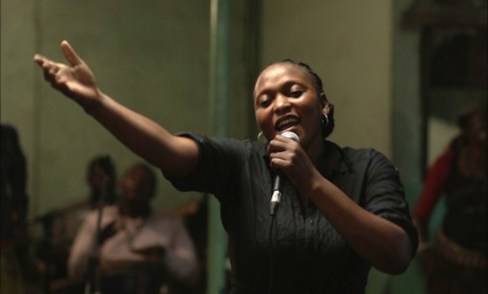
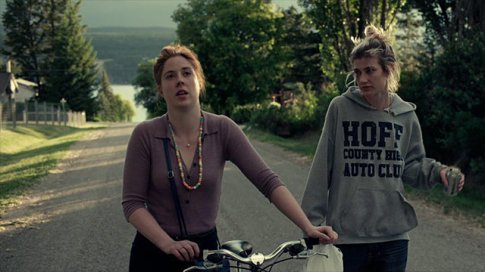

 One thing of the VIFF I consider to be a treat is whenever I attend a shorts segment. The segment I saw entitled New Skins And Old Ceremonies was a selection of seven shorts from Canadian directors. They were all unique in their own way.
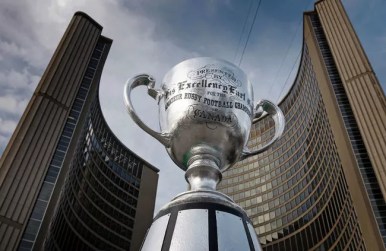


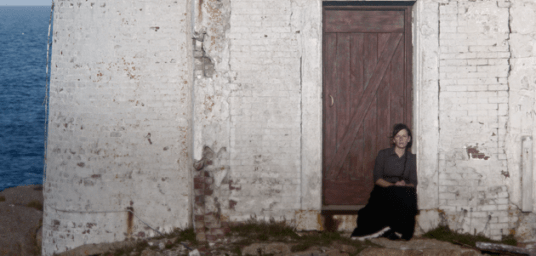

 Turkey (13): Turkey is a team known for its infrequent successes. It has competed in three Euros and two World Cups. It finished third in the 2002 World Cup–its first World Cup since 1954– and hasn’t qualified since. Turkey didn’t qualify for the 2004 Euro but finished in the semis in 2008 and didn’t qualify for 2012. Turkey’s back now. All but six players play for Turkey’s Super Lig, three play for German teams and captain Arda Turan plays for Barcelona. The team has done very well in play the past year and a half including wins against the Netherlands, Czech Republic and Sweden. Their only loss came to England two weeks ago and the score was 2-1. Turkey is one team that shouldn’t be underestimated.
 Croatia (23): Croatia has a reputation of being world class ‘minnows’ that will surprise you when you least expect it. However Vatreni has struggled to regain their strong reputation they had back in the late 1990’s. In fact the team’s play has been mostly quiet news. However they still should not be underestimated. They may have lacked a standout moment for the team in recent major tournaments but they’ve continued to exhibit consistent play. They may lack a standout superstar but they function excellently as a team unit. Since World Cup 2014, they’ve regained the consistency they’re known for. They’ve had wins against Russia, Israel, Norway and Bulgaria and have even drawn against Italy. The team has only had two losses in that time: against Argentina and Norway. In this group, their toughest opposition will be Spain as they’ve only won against them once in the last 25 years. In that same time, they’ve never lost to Turkey and the Czechs. Euro 2016 is another time for the team to prove themselves once again.
 Spain (6): We’ve talked about England trying to recover from its 2014 World Cup embarrassment. England’s not alone. Spain entered the Cup as the reigning holders only to lose their first two Group games which meant their elimination as Group play concluded. Like England, La Roja didn’t drop their coach: Vicente Del Bosque. Their road to redemption did have a struggle for the remainder of 2014 as they lost three of their six 2014 games after the Cup. Spain did have challenges bringing in new players who aren’t as well seasoned as their veterans still on the team. However Spain were very good in qualifying for the Euro and their only loss in 2015 came to the Netherlands. This past week they scored big wins against Bosnia (3-1) and South Korea (6-1). No doubt they will be coming to France with something to prove.
 Czech Republic(29): The Czechs are an enigma in football. Since the divorce of Czechoslovakia in 1992, the team has qualified for every Euro even being finalists in 1996 and semifinalists in 2004. However they’ve only qualified for one World Cup: back in 2006 and they were out in Group Stage. Their play since the 2014 World Cup has also been enigmatic. They’ve lost to the United States, Slovakia, Iceland, Turkey, Poland and Scotland. However they’ve also won against Iceland, the Netherlands, Serbia and Russia. France will be another chance for the team to prove themselves.
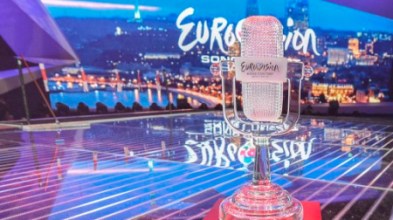
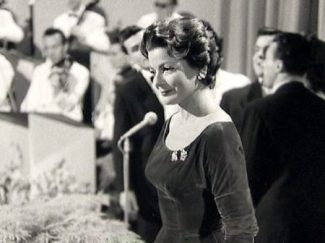
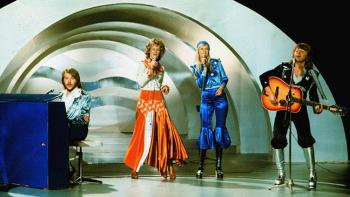
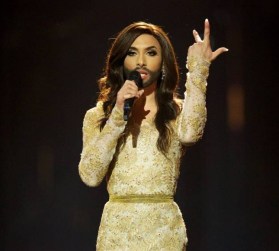
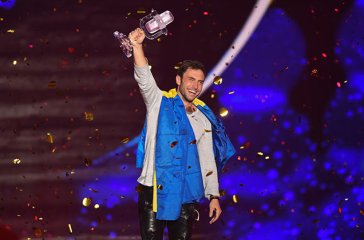
 Jon The Blogcentric